

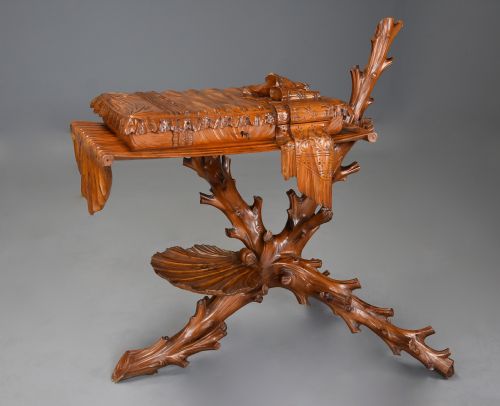
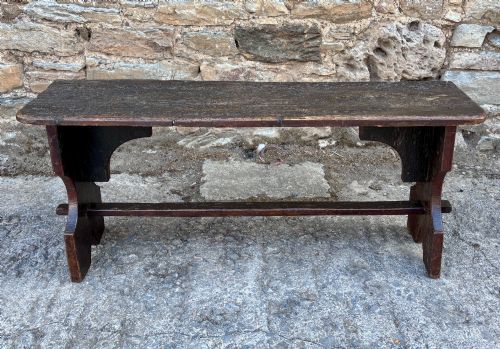
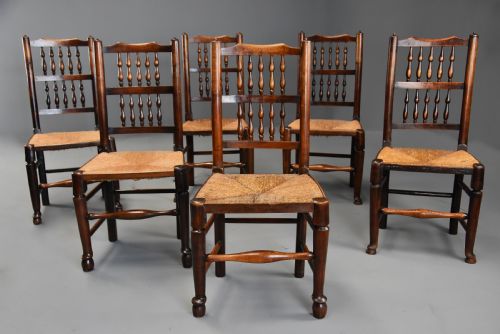
19th Century Rustic Furniture
These pieces of 19th century rustic furniture bring unpretentious domestic utility and regional character into modern rooms through solid timbers and honest carpentry.
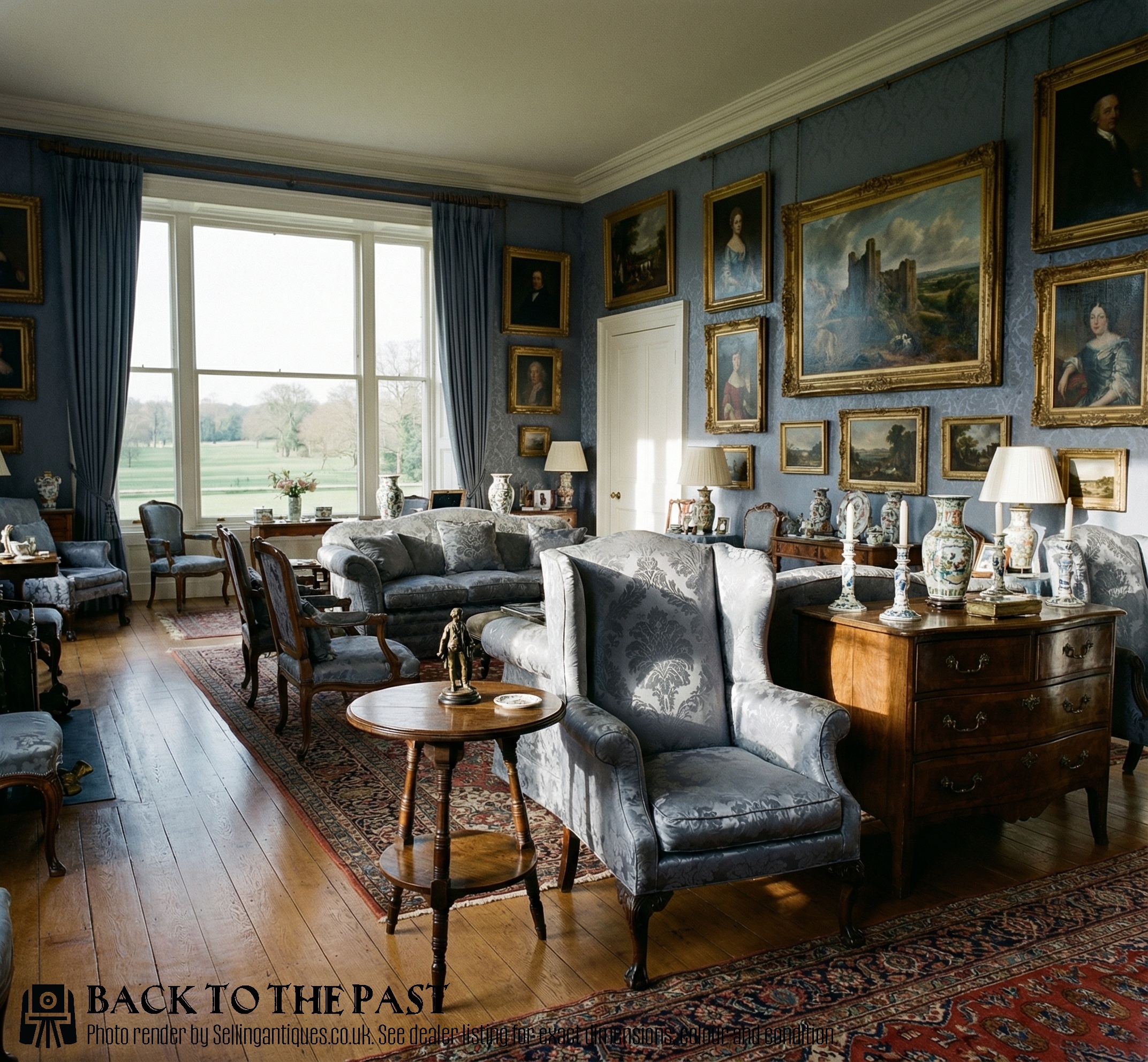
19th Century Rustic Furniture
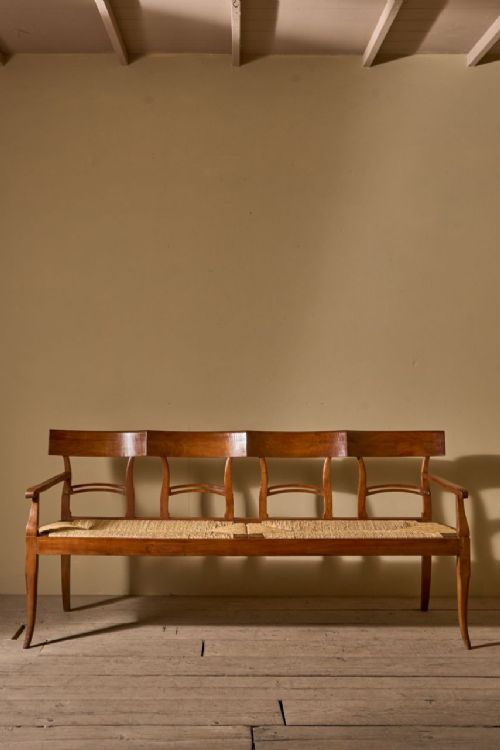
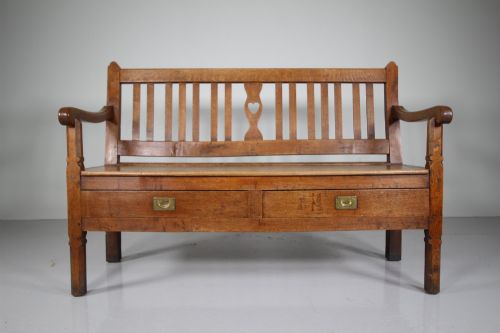
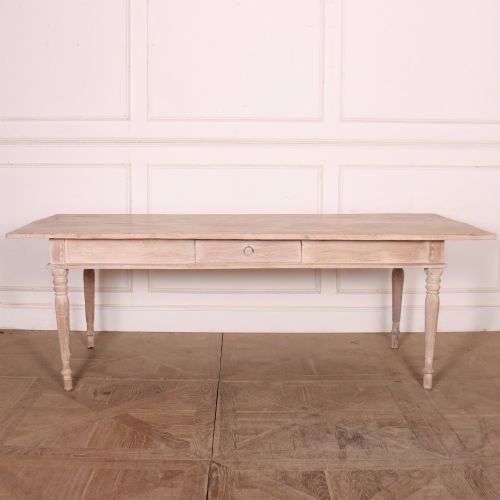
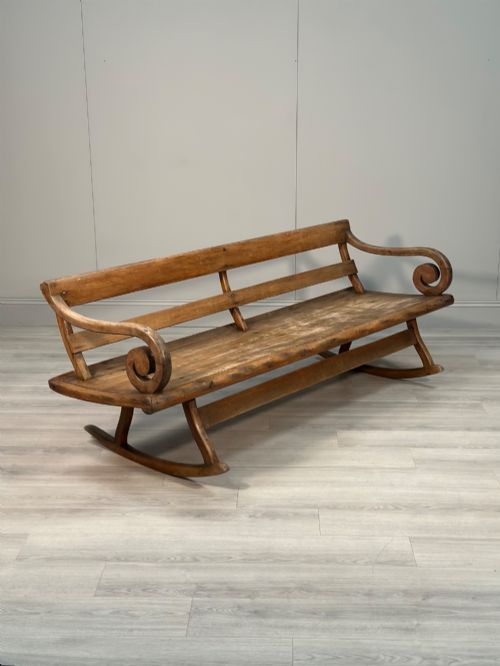
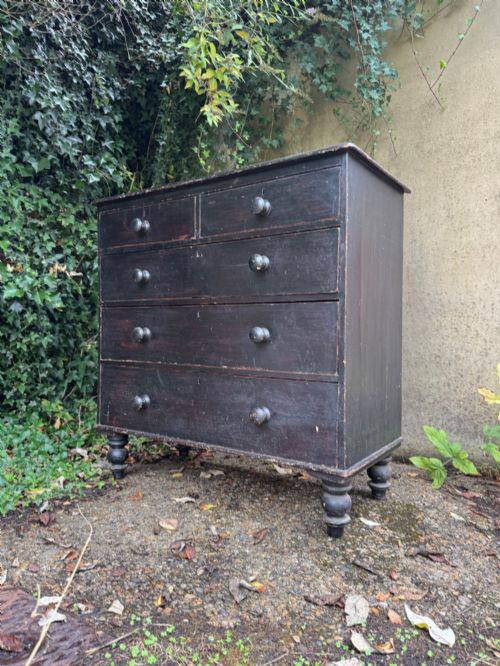
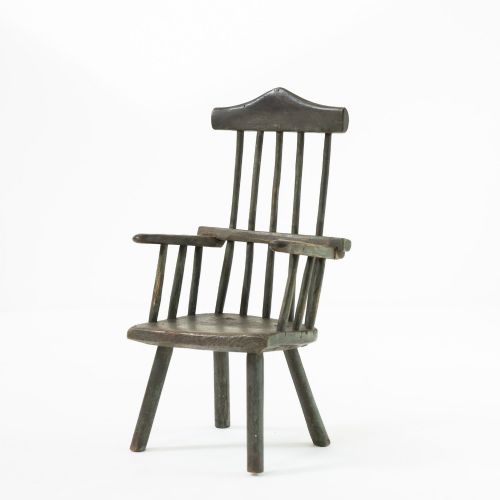
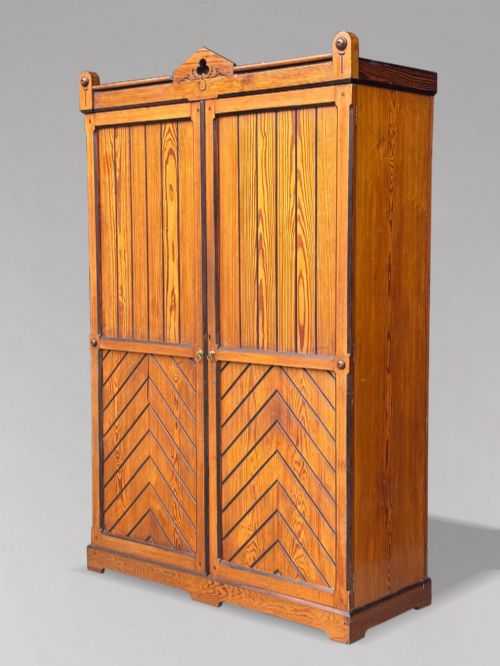
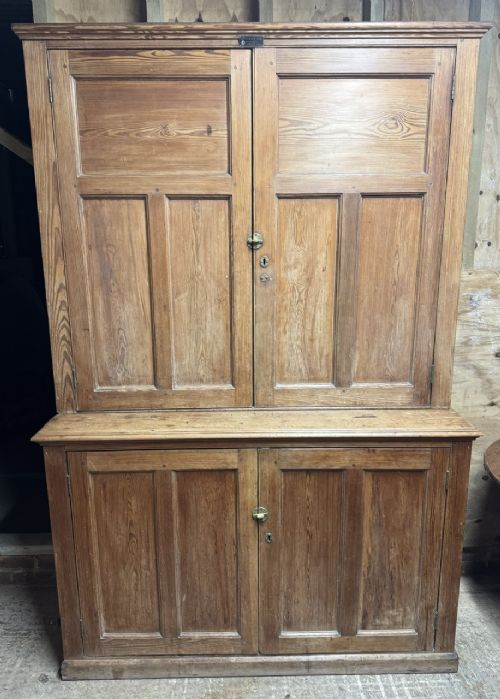
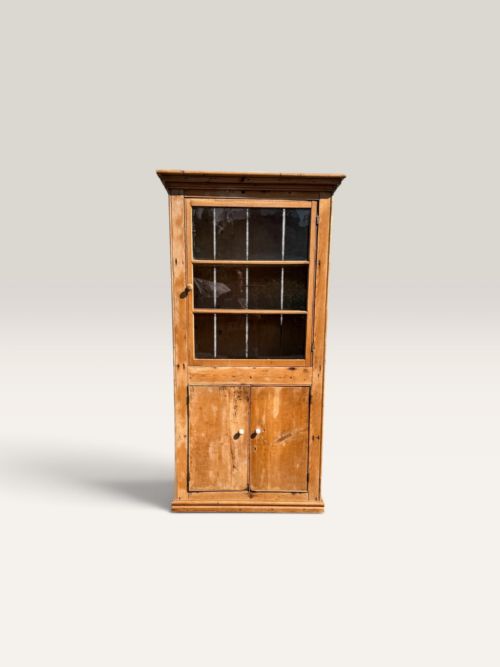
When buyers search for 19th century rustic furniture, they encounter sturdy domestic objects built for everyday use in farmhouses, cottages, and provincial homes. The selection spans utilitarian forms such as pine chests of drawers, elm dining tables, oak benches, and ash spindle-back chairs.
The most common items on this page reflect regional country traditions across Britain and continental Europe. Pieces like Welsh dressers, French provincial tables, and English cricket tables demonstrate the practical domestic requirements of their respective periods.
Makers focused on function rather than ornament, yielding heavy seating, storage presses, and work tables. Woods such as pine, oak, elm, and fruitwood dominate the inventory, shaped by local artisans using straightforward joinery.
How they were made
Carpenters relied on domestic hardwoods and softwoods, frequently pairing elm seats with ash spindles or combining oak frames with pine panels. These native timbers were cut green or seasoned locally, then worked with drawknives, adzes, and turning lathes to shape structural components.
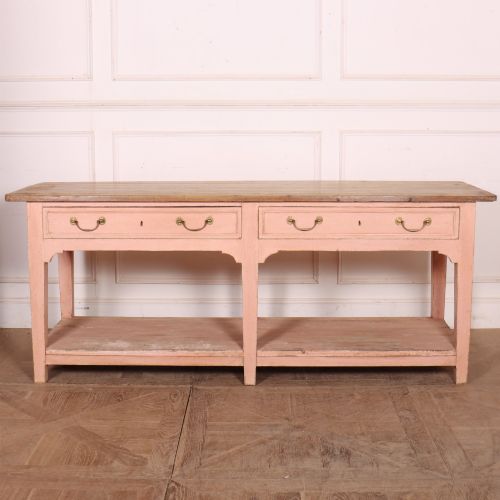
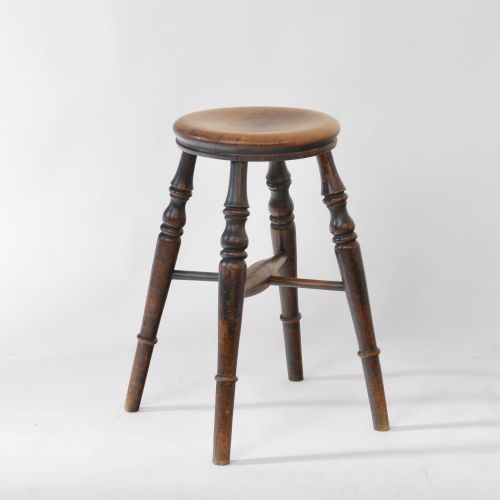
Construction methods prioritised strength through pegged mortise and tenon joints, dovetails on drawers, and wedged through-tenons on stools and chairs. Surfaces received minimal intervention beyond a coat of paint, dark wax, or plain scrubbed finishes that accumulated character through decades of domestic service.
Current listings feature robust examples in pine, oak, elm, and ash, reflecting the dominant domestic timbers of the nineteenth century.
What varies in quality
Quality rests in the integrity of the original construction and the proportion of the timber selected for daily labour. Tables with well-balanced stretcher bases and chairs retaining their original wedged legs demonstrate superior joinery.
Surface preservation significantly influences the standing of a piece, whether through an undisturbed original paint layer or a deep, honest patina developed from active use. Alterations to structural heights or stripped timbers reduce the integrity expected from period country work.
The 19th Century Rustic Furniture Glossary
- Cricket table
- A small, light three-legged table historically used beside the fire or for kitchen tasks. The three legs ensure stability on uneven flagged floors.
- Spindle back
- A chair construction featuring slender turned wooden uprights fitted into a solid seat and a curved top rail. This technique provides lightweight strength.
- Potboard dresser
- A large kitchen storage unit featuring an open lower shelf designed for storing heavy pots and pans. These substantial oak or pine bases formed the heart of the farmhouse interior.
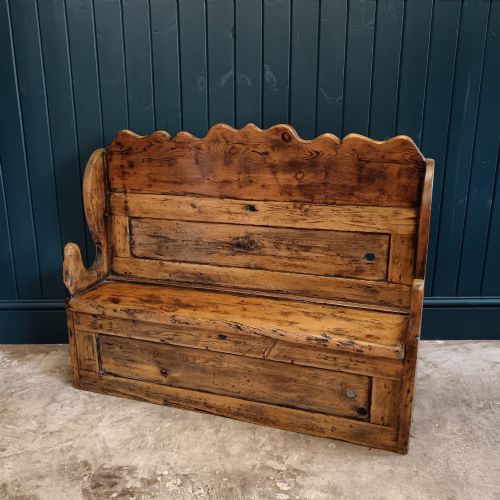
- Settle
- A high-backed wooden bench with solid sides designed to block cold draughts in domestic halls and kitchens. Many examples incorporate a hinged seat concealing storage space below.
- Windsor chair
- A seating form constructed with turned legs and spindles socketed directly into a thick sculpted wooden seat. Regional variations include hoop backs and high comb backs in elm and ash.
19th Century Rustic Furniture: Frequently Asked Questions
How do I identify genuine 19th century country furniture?
Examine the construction marks, tool traces, and timber shrinkage to verify age. Hand-sawn boards, pegged joints, and natural wear patterns indicate traditional workshop methods.
Look for consistent signs of use that match the listed period rather than uniform artificial distress. Regional variations in timber choice often help confirm the geographic origin of the piece.
Can I use antique pine chests in a modern bedroom?
These storage pieces integrate easily into contemporary homes because their clean lines and warm timber tones complement modern minimalist decor. The generous proportions offer practical clothes storage while adding historical texture to a room.
Ensure drawers move smoothly and check that internal pine surfaces remain clean and dry before daily use. Regular waxing helps preserve the original painted or scrubbed finish.
What is the difference between elm and oak country furniture?
Elm offers a tough, interlocking grain that resists splitting, making it the preferred choice for chair seats and table tops subject to heavy stress. Oak provides rigid structural strength for framework, uprights, and heavy architectural dressers.
Over time, elm develops a rich honeyed tone, whereas oak deepens to a darker, warmer brown. Both timbers reflect the local availability of wood in British and European workshops.
How should I care for scrubbed table tops?
Maintain unsealed wooden surfaces by cleaning them gently with a damp cloth and mild soap when necessary. Avoid harsh chemical cleaners that strip the natural grain and dry out the timber.
Periodically apply a neutral beeswax to nourish the wood and protect against moisture rings. Keeping tables away from direct heat sources prevents the historic timber from warping.