




Traditional Country Accent Table
A traditional country accent table brings domestic utility and sturdy charm to a room, drawing on centuries of vernacular woodworking.
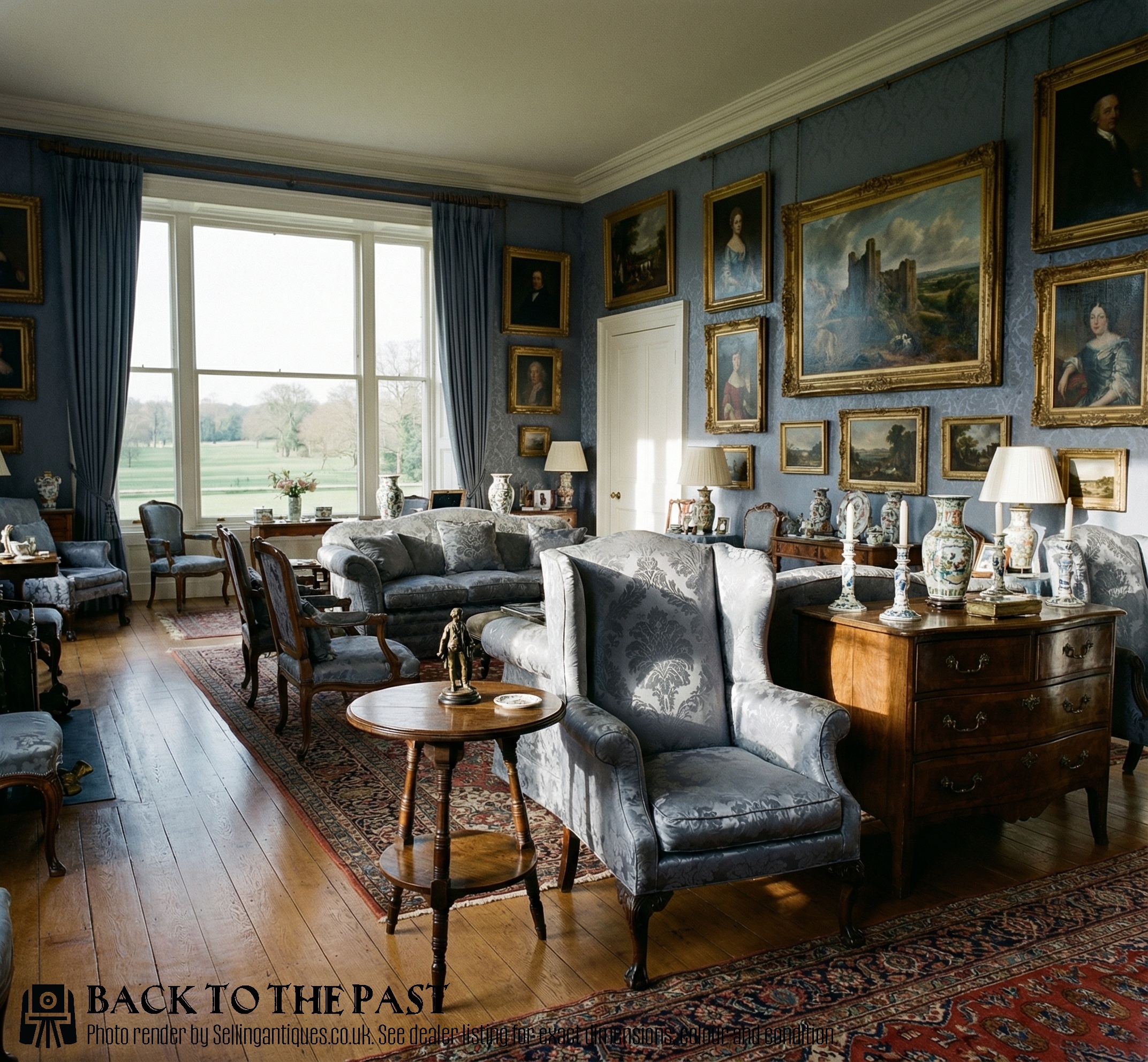
Traditional Country Accent Table
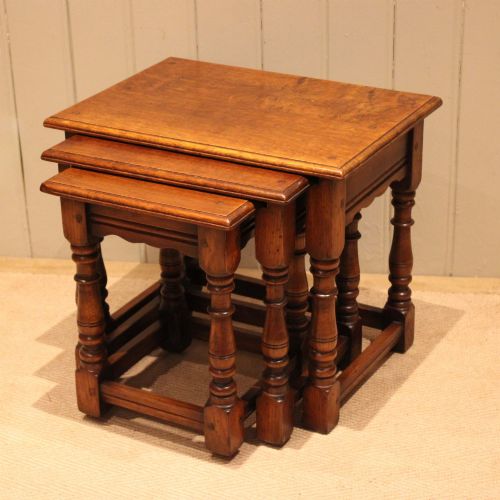
The most common forms you will encounter on this page are sturdy cricket tables with three legs and circular tops, alongside oak and pine side tables. They appear in finishes ranging from bare timber to painted wood and golden oak.
Makers designed these items for specific household tasks, utilising compact footprints that suit smaller corners, bedside areas, or hallways as lamp and occasional tables.
How they were made
These pieces rely on solid regional timbers such as oak, elm, pine, and walnut, often paired with turned legs and robust joinery. Artisans shaped circular and rectangular tops using hand tools, frequently employing tripod configurations for stability on uneven floors.
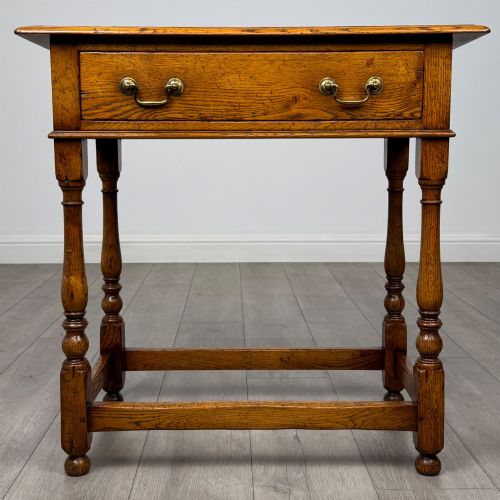
Surface treatments vary from polished finishes displaying the natural grain of pollard oak and cherry to hand-applied paint in traditional palettes. Details like bobbin-turned legs and drawer construction show the practical skill of regional joiners.
Even three-legged tables managed to stay level while milkmaids sat on them.
What varies in quality
Quality rests in the integrity of the timber selection and the restraint of the proportions, where older examples display tighter grain and deeper patination through decades of use. The choice of secondary woods and the sharpness of turned details like bobbin legs distinguish standard utilitarian items from finer examples.
Surface preservation also dictates worth, as original paint finishes or untouched waxed patinas hold greater historical integrity than heavily stripped or modernly refinished surfaces.
The Traditional Country Accent Table Glossary
- Cricket table
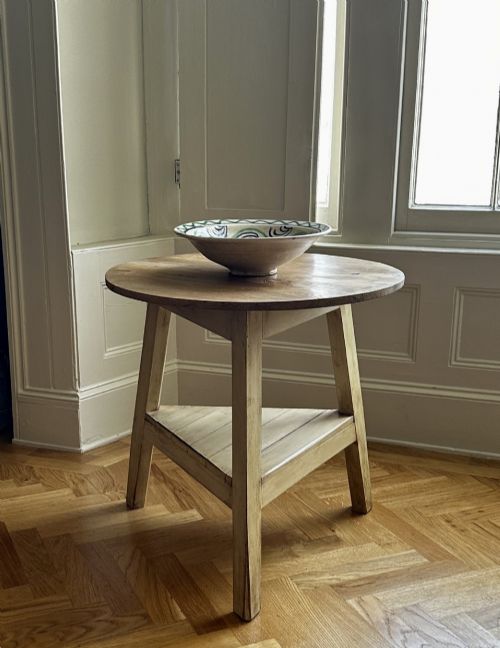
- A small, three-legged occasional table traditionally designed with a round top to stand stable on uneven farmhouse floors.
- Joint stool
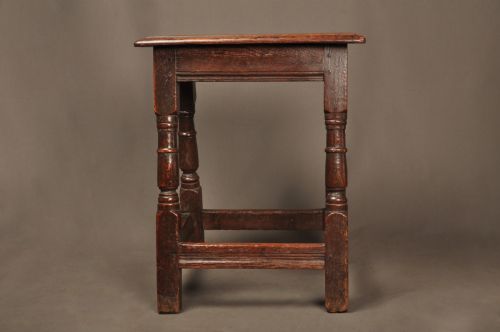
- A sturdy wooden stool built with pegged mortise and tenon joints, historically used for seating or as a small surface.
- Gate leg table
- A table featuring drop leaves supported by hinged legs that swing out like a gate to hold the flaps.
- Lowboy
- A small oak or walnut side table fitted with one or more drawers, standing on relatively tall legs.
- Tripod table
- A small freestanding table supported by a central pillar resting on three spreading feet.
Traditional Country Accent Table: Frequently Asked Questions
What is a cricket table?
A cricket table is a distinct three-legged small table, historically built to remain steady on uneven flagstone floors in country homes. Their round tops and sturdy triangular frames made them versatile for holding mugs, lamps, or small domestic items.
Today, they function well as compact accent tables beside armchairs or in narrow hallways where space is limited.
How do I date an old side table?
Dating relies on examining construction methods, tool marks, timber selection, and wear patterns. 18th-century pieces often show hand-sawn boards and pegged joinery, while Edwardian or 1920s examples reveal later machinery methods.
Hardware, such as drawer pulls and hinges, also provides reliable clues to the period of manufacture.
Where should I place a low joint stool?
Joint stools serve multiple purposes in a modern room, working easily as low bedside stands, small plant pedestals, or extra seating by a fireside. Their compact proportions allow them to tuck neatly beneath larger consoles when not in use.
Pairing them with upholstery or leaving them bare highlights their architectural peg construction.
Are painted country tables original?
Many regional pieces feature early or period painted surfaces, particularly those originating from Swedish, Welsh, or English provincial workshops. Paint protected the underlying softwood or hardwood and added decorative colour to simple interiors.
Assessing the wear within the paint layers helps determine whether the finish is contemporary to the piece or a later addition.