



Brown Timber Tripod Table
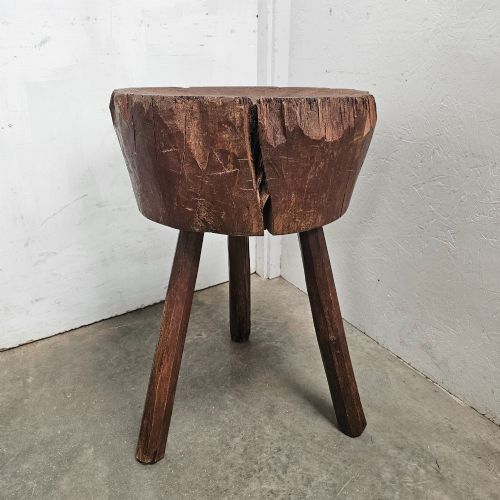
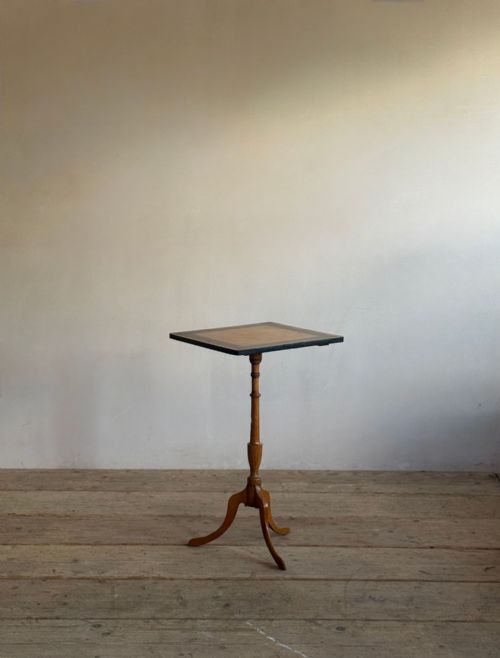
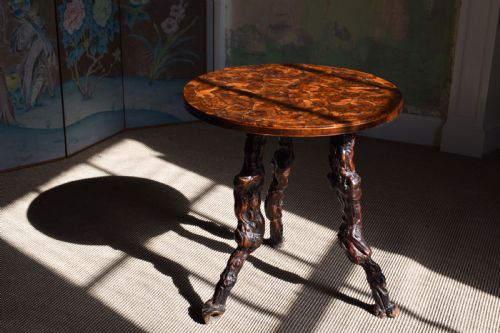
These brown timber tripod table examples are compact three-legged pieces offering centuries of utility and warmth.
Brown Timber Tripod Table
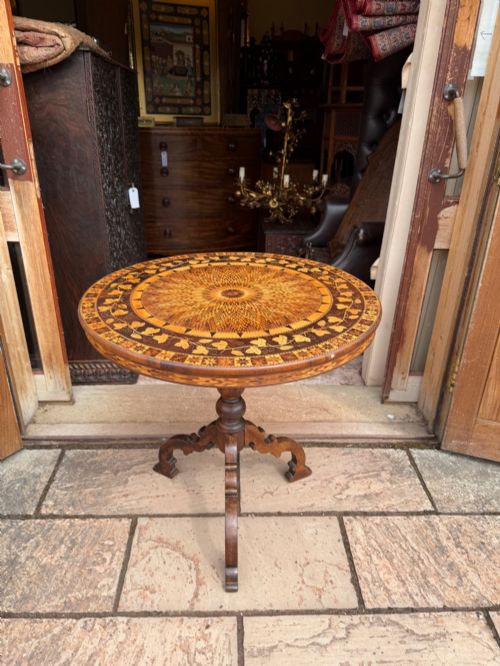
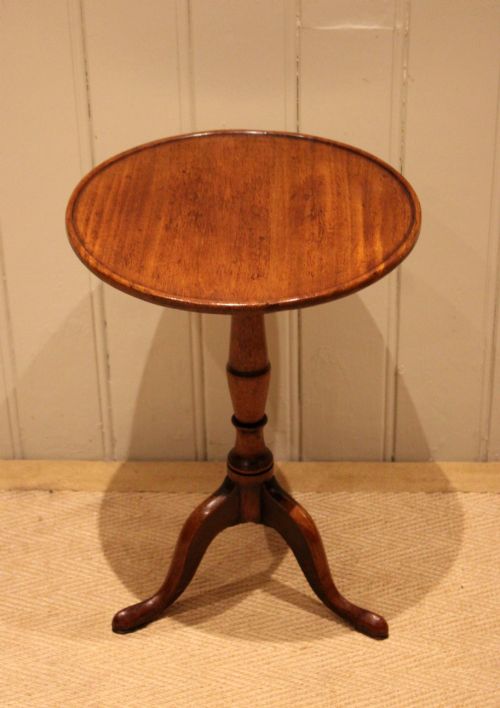
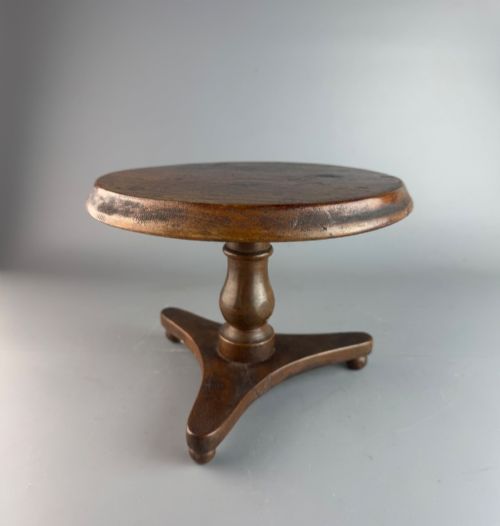
A brown timber tripod table is a compact, three-legged piece designed for versatile placement beside chairs or in corners. When searching for a brown timber tripod table, buyers encounter forms ranging from tilt-top wine tables and occasional tables to candlestands and plant pedestals. These pieces appear across Georgian, Victorian, Regency, and later periods.
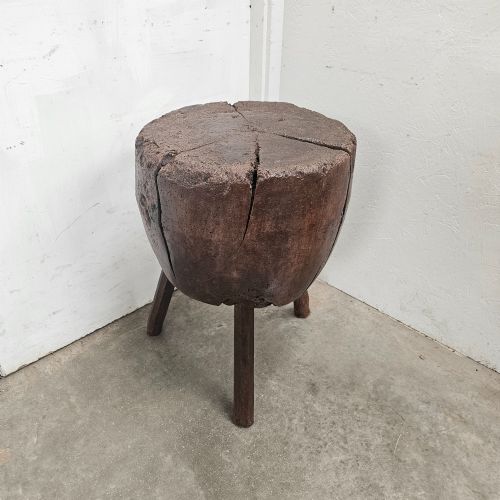
The selection includes specific regional and stylistic variants such as Italian inlaid pedestals, French beech blocks, Chinese occasional pieces, and rustic farmhouse designs. Elm, oak, walnut, mahogany, and yew represent the primary woods utilised across these historical periods.
How they were made
Construction relies on traditional joinery uniting a central pillar to three supportive legs, frequently incorporating tilt-top mechanisms using brass catches or wooden butterflies. Woodworkers shaped timber using hand tools, turning central columns on lathes and sawing legs from solid stock.
Surfaces receive decorative enrichment through marquetry inlay, penwork decoration, carved details, and figural wood grains like burr walnut and figured mahogany. Natural finishes enhance the grain of woods such as elm, oak, beech, and teak.
Listings feature woods spanning mahogany, walnut, hardwood, wood, elm, oak, beech, and timber across the nineteenth and twentieth centuries.
What varies in quality
Quality depends upon the selection of timber, with highly figured grains and exotic hardwoods commanding greater visual interest. The crispness of hand-carved details and precision in joinery separate standard utility items from finer parlour pieces.
Proportion and stability dictate overall merit, ensuring the three legs meet the central column with secure joints. Retained original surfaces and authentic period mechanisms enhance the integrity of each piece.
The Brown Timber Tripod Table Glossary
- Tripod table
- A small freestanding table supported by a central pillar resting on three legs. This design prevents rocking on uneven historical floors.
- Tilt-top
- A tabletop hinged to the pillar so it can pivot vertically when not in use. This mechanism allowed tables to be stored flat against walls.
- Wine table
- A small occasional table designed to hold a glass and bottle. These pieces typically feature circular tops supported by slender pedestals.
- Candlestand
- A tall, narrow table designed to elevate a light source. They share the same three-legged pillar construction as larger occasional tables.
- Pie crust
- A carved, raised decorative border shaped in undulating curves around the edge of a tabletop. This moulding resembles the pastry edge of a pie.
Brown Timber Tripod Table: Frequently Asked Questions
What is a tripod table used for?
These tables function as versatile surfaces for drinks, lamps, and decorative objects in sitting rooms. Their compact footprint allows them to fit easily beside armchairs or in narrow corners.
Historically, specific variants served dedicated purposes such as holding candles, displaying plants, or receiving serving dishes during dining.
What woods were used for these tables?
Cabinetmakers utilised a wide variety of domestic and exotic timbers including mahogany, walnut, oak, elm, beech, and yew. Figured grains like burr wood were selected for prominent display surfaces.
Softer or more utilitarian woods like beech and elm frequently appear in regional, rustic, and game block forms.
How do I date a tripod table?
Dating relies on examining the timber species, construction methods, turning styles, and decorative motifs present on the legs and pillar. Georgian examples often display refined classical turning, while Victorian pieces incorporate heavier carving.
Secondary woods and the style of the underside joinery offer further clues to the period of manufacture.