




19th Century Royal Worcester
19th century royal worcester pieces bring British ceramic artistry into the home through detailed porcelain, earthenware, and gilded decorative forms.
19th Century Royal Worcester
When you search for 19th century royal worcester, you encounter a diverse array of ornamental and functional ceramics produced during the Victorian and Regency periods. The selection spans utilitarian tableware like teacups, coffee pots, and soup dishes, alongside highly decorative items designed for display.
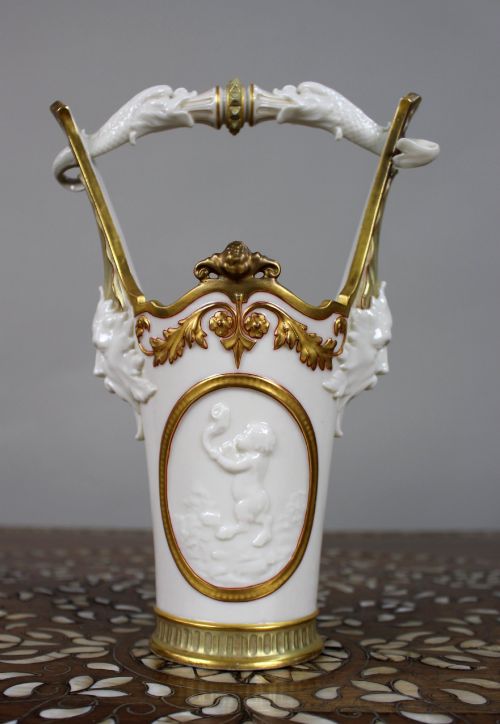
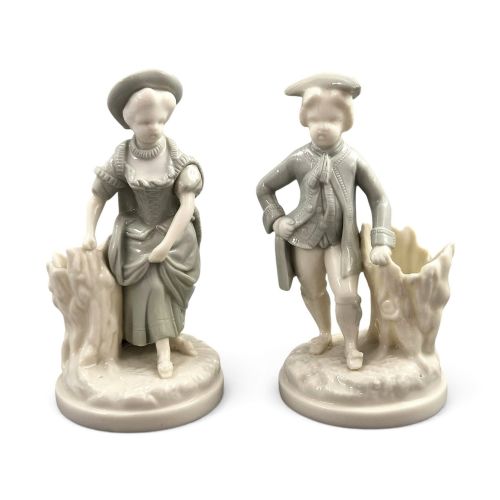
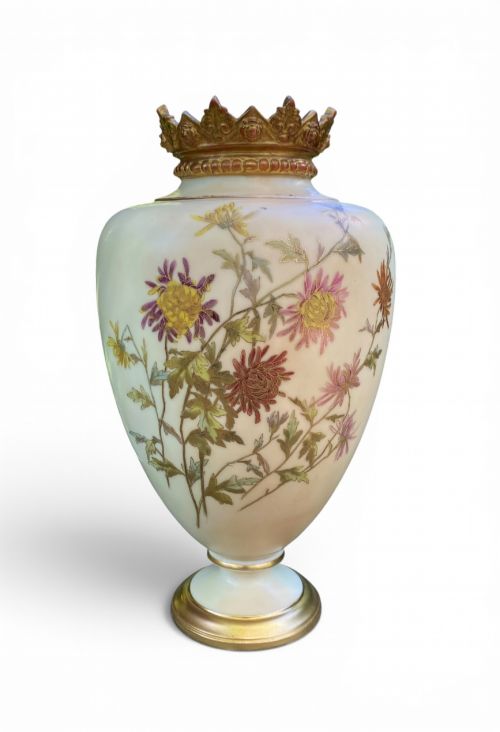
Vases and figurines dominate the selection, ranging from blush ivory vessels to elaborate figural groups modelled by notable factory artists. Majolica jardinières and parian ware menu holders also appear, reflecting the wide manufacturing scope of the Staffordshire and Worcestershire kilns during this era.
How they were made
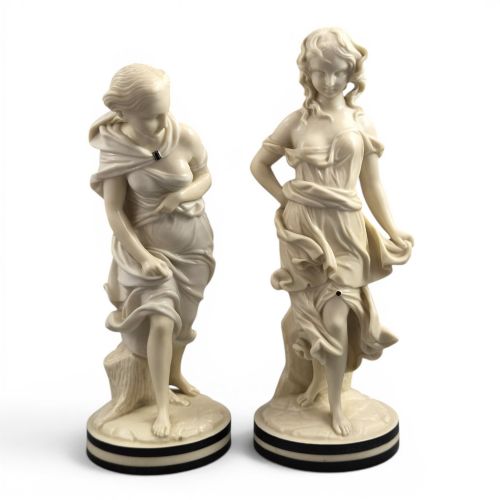
Makers utilised porcelain and earthenware bodies, often shaping them into complex forms such as cleft jugs, rockwork jardinieres, and lidded vases. Parian ware was frequently cast for matte-finished figural works that resembled carved marble.
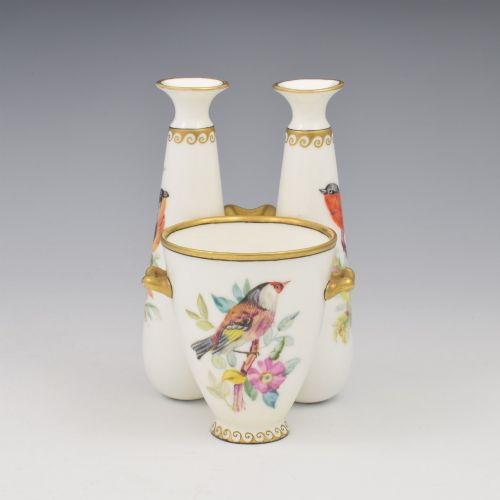
Surface ornamentation relied on meticulous hand-painting, enamel encrustation, and heavy gold leaf gilding. Many pieces incorporated blush ivory glazes and polychrome palettes influenced by Aesthetic Movement and Victorian Orientalist styles.
Listings demonstrate a strong presence of the Victorian period, alongside examples spanning Regency and early twentieth-century eras in porcelain and earthenware.
What varies in quality
The sophistication of the modelling separates standard utility wares from exhibition-grade pieces, particularly in figural works where facial expression and drapery detail reflect the skill of modellers like James Hadley. Hand-painted botanical and ornithological subjects demand high artistic precision.
The application of gilding and enamel work also distinguishes tiers of production, with rich gold leaf detailing and complex glaze effects elevating individual items. Early Flight, Barr & Barr or Kerr & Binns output carries distinct manufacturing traits compared to later blush ivory periods.
James Hadley·Flight Barr And Barr·Kerr And Binns·John Hopewell
The 19th Century Royal Worcester Glossary
- Blush ivory
- A soft, creamy matte porcelain glaze developed by the factory in the late Victorian era. It serves as a subtle background for painted floral decoration.
- Parian ware
- A fine white unglazed porcelain designed to imitate carved marble. It is typically utilised for sculptural figurines and busts.
- Majolica
- A colourful lead-glazed earthenware characterised by rich green, brown, and ochre tones. It is frequently moulded with naturalistic plant or rock motifs.
- Gilding
- The application of gold leaf or gold paint to ceramic surfaces. It highlights handles, rims, and painted motifs.
- Encrustation
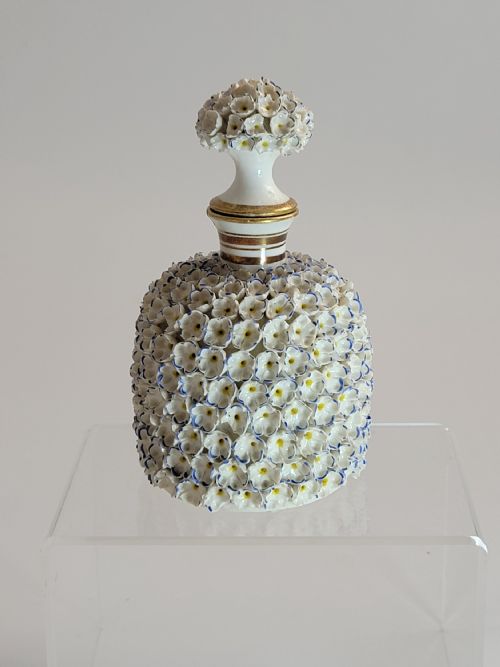
- Applied ceramic relief work, such as floral or foliate details built up on the surface of scent bottles and vases.
19th Century Royal Worcester: Frequently Asked Questions
How do I identify blush ivory pieces?
Blush ivory wares feature a distinctive creamy, matte-finish glaze that lacks the high gloss of traditional porcelain. This surface was frequently decorated with delicate hand-painted floral subjects in soft colours.
Makers often paired this specific ground with raised gold gilding to highlight the contours of vases, teapots, and ewers.
What is parian ware?
Parian ware is a fine-grained, unglazed porcelain that closely resembles carved white marble. Factories utilised this material extensively for sculptural figurines and ornamental menu holders.
The matte texture allows fine details in clothing, hair, and classical drapery to remain sharp and defined.
Are these items suitable for daily use?
While tea services and plates were originally manufactured for dining, most collectors treat nineteenth-century ceramics as decorative display items. Hand-painted enamels and delicate gold leaf gilding can wear away with frequent washing.
Gentle handling preserves the structural integrity of handles, spouts, and applied encrustations.
How do I distinguish Regency pieces from Victorian ones?
Regency items, associated with earlier marks like Flight, Barr & Barr, often feature neoclassical motifs, crisp white bodies, and formal geometric gilding. Victorian pieces embrace broader aesthetic movements, including orientalist designs and majolica glazes.
Backstamps and registry marks provide the most reliable chronological indicators for separating these periods.