



19th Century Renaissance Art
These pieces of 19th century renaissance art bring the grand manner of earlier centuries into Victorian interiors through oil paintings, porcelain plaques, and carved wood.
19th Century Renaissance Art
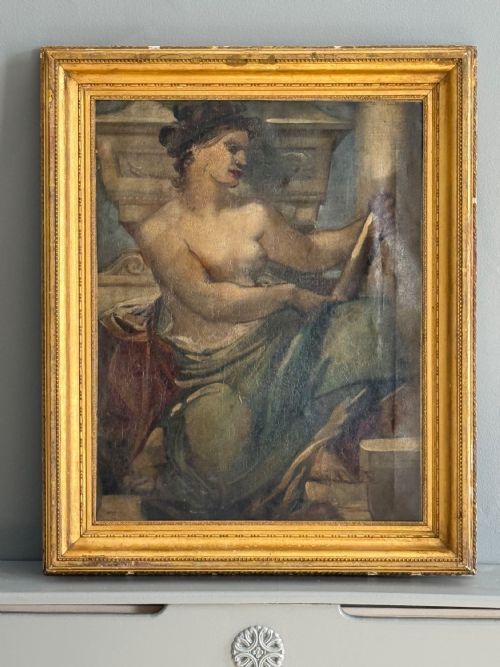
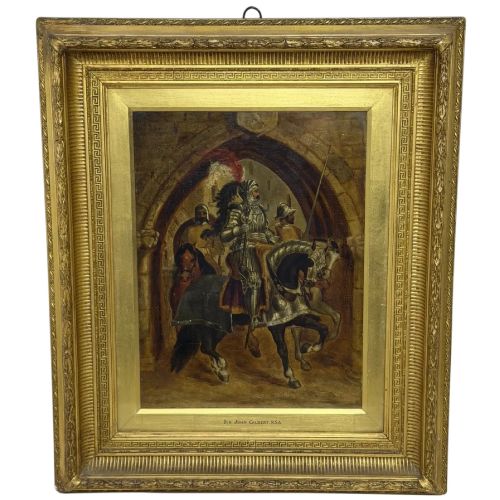
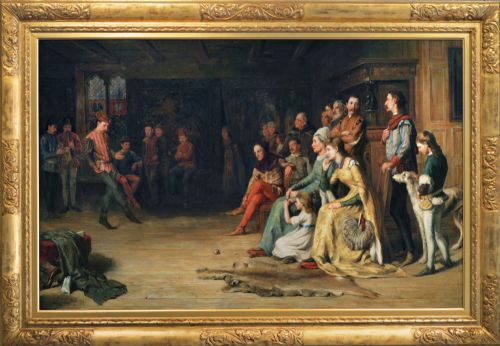
This selection of 19th century renaissance art centres on revivalist works produced across the nineteenth century, drawing heavily on Italian and Northern European prototypes. Buyers encounter a mix of devotional panels, historical genre scenes, and direct copies after masters such as Raphael.
Oil paintings on canvas and panel form the majority of the works, often framed in giltwood to match the historical gravity of the subject matter. Alongside these, buyers find porcelain plaques, carved wood angels, and marble relief sculptures.
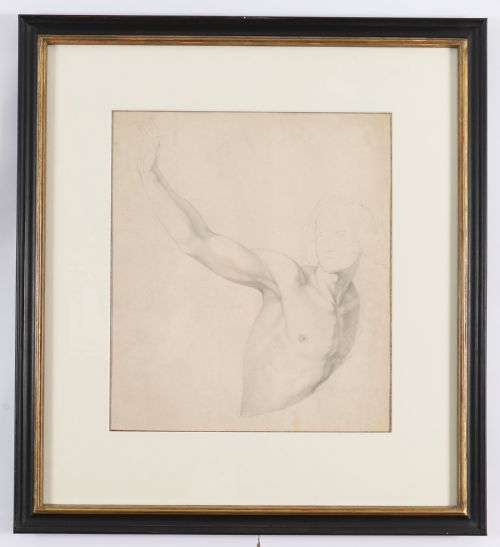
The aesthetic borrows from Renaissance Revival and High Renaissance styles, reflecting a period appetite for historical narrative and religious devotion. Pieces range from intimate drawings on paper to large-scale Italian oil paintings.
Materials and methods of construction
Painters utilised oil paint on canvas, panel, and paper to emulate the rich glazing and detailed draughtsmanship of earlier centuries. Hand-painted porcelain plaques and faience offered a durable surface for miniature interpretations of renaissance masterpieces.
Giltwood frames, often heavily carved, provided the necessary architectural weight for these revivalist works. Wood, marble, and polychrome finishes further define the sculptural and decorative pieces in the group.
A painted ceramic angel peers out alongside a heavy carved mirror, bringing unexpected company to the drawing room.
Distinctions in execution and finish
Quality rests primarily in the fidelity and skill of the hand, distinguishing careful interpretations by trained artists from simpler decorative copies. The handling of pigment, the depth of tone in oil paintings, and the precision of brushwork on porcelain plaques dictate the standing of a piece.
The standard of framing and the integrity of the support material also mark the tier of the object. Heavy carving in giltwood or the presence of signed ceramic work elevates the piece within its genre.
James Hamilton ARSA·Sir John Gilbert RA·Alfred Holst Tourrier·Samson·C. Ravier
The 19th Century Renaissance Art Glossary
- Renaissance Revival
- A nineteenth-century artistic movement that consciously imitated the styles, themes, and techniques of fifteenth and sixteenth-century Europe. This historicism influenced both fine art and decorative objects.
- Faience
- Tin-glazed earthenware, often painted with colourful designs or historical scenes. In this group, it appears as large decorative plaques.
- Limoges Enamel
- Vitrified glass paste fused to a metal base, produced in the French city of Limoges. Nineteenth-century makers used this technique to recreate renaissance portraits and religious subjects.
- Historical Genre
- A category of painting depicting scenes from everyday life set in past historical eras. These works often carry theatrical staging and detailed period costumes.
19th Century Renaissance Art: Frequently Asked Questions
What is 19th century renaissance art?
These works are nineteenth-century interpretations, copies, and revival pieces based on the art of the Italian and Northern Renaissance. They include oil paintings, porcelain plaques, and carved sculptures created during the Victorian era.
Artists and makers looked back to masters like Raphael for composition and subject matter, feeding a Victorian demand for historical gravitas and religious devotion.
How were these pieces used?
Original owners displayed these artworks and plaques in domestic interiors, often within grand reception rooms or studies, to signal cultural literacy and taste. Religious panels and Madonnas also served private devotional purposes.
Large oil paintings and carved mirrors acted as focal points above mantelpieces, while porcelain plaques were mounted to be appreciated up close.
How do I live with these pieces?
These works suit traditional interiors, libraries, or spaces with period architectural details where their heavy gilt frames and rich oil colours can anchor a room. They pair well with dark wood furniture and antique textiles.
Lighting is key for oil paintings and porcelain plaques, as directional picture lights help reveal the fine brushwork and glaze without causing damage from excessive heat.
How do I tell periods apart?
Distinguishing the nineteenth-century execution from original sixteenth-century work relies on examining canvas preparation, stretcher frames, and the chemical composition of pigments. Nineteenth-century copies often display a characteristic Victorian neatness in handling.
Signatures, framing techniques, and ceramic body types further help date the manufacture precisely to the 1800s rather than the earlier Renaissance period.