


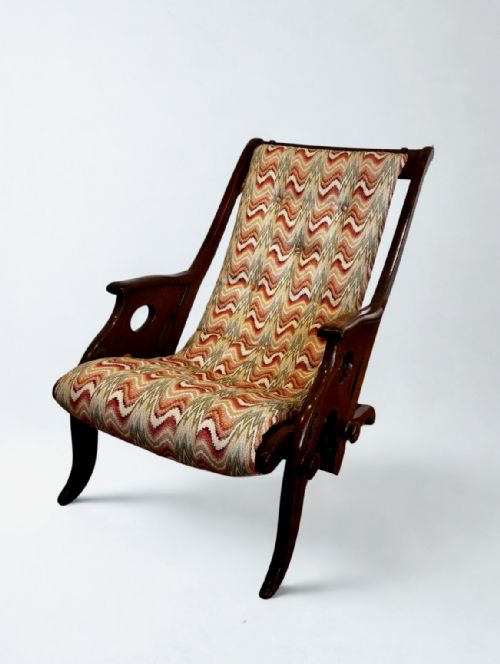


19th Century Reclining Chair
A 19th century reclining chair offers mechanical ingenuity and deep comfort, spanning campaign forms, colonial loungers, and library seats.
19th Century Reclining Chair
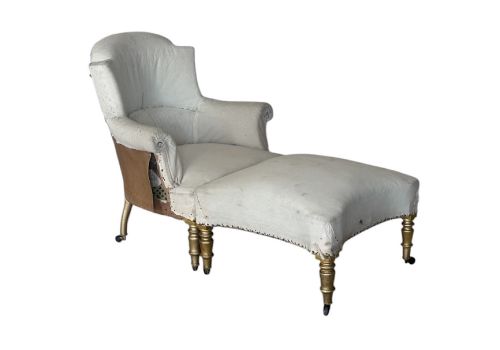
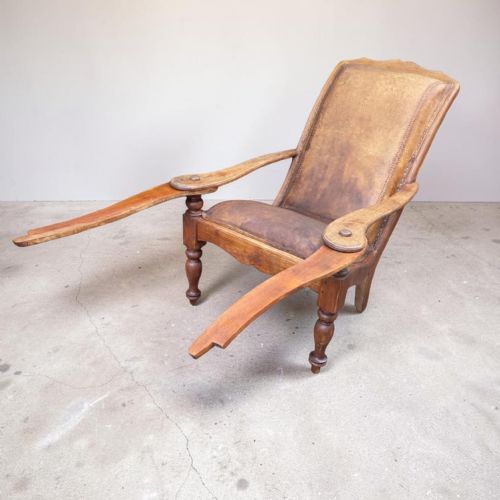
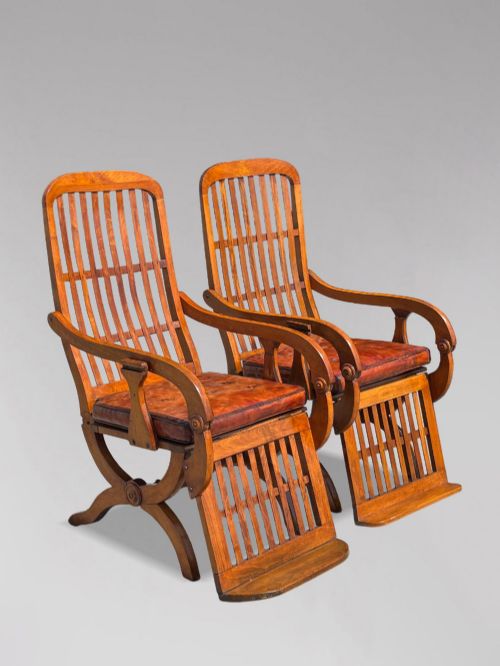
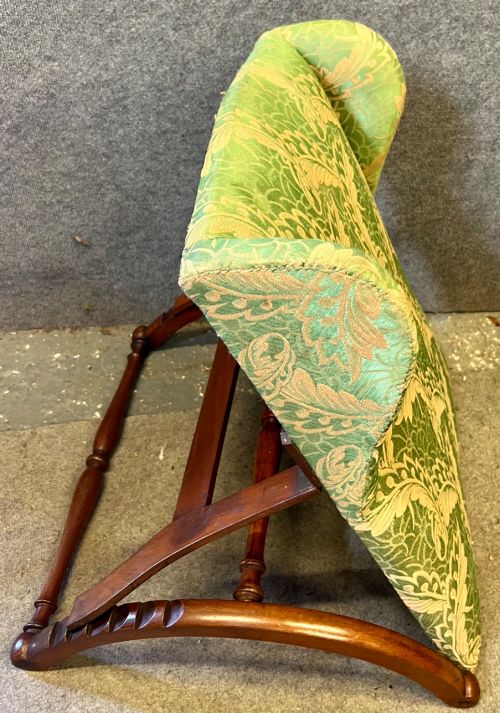
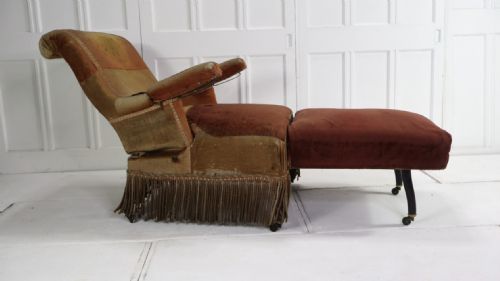
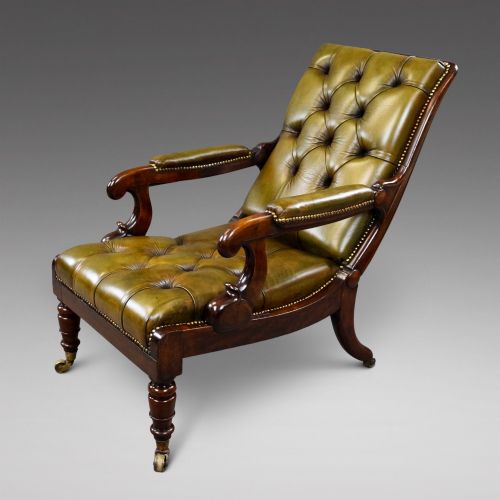
A 19th century reclining chair encompasses diverse seating forms designed for physical ease, ranging from library armchairs and daybeds to specialised planter's chairs with extending arms. Buyers encountering this phrase on the page will find examples stretching across the Victorian, William IV, and Regency periods, alongside French and Anglo-Indian variants.
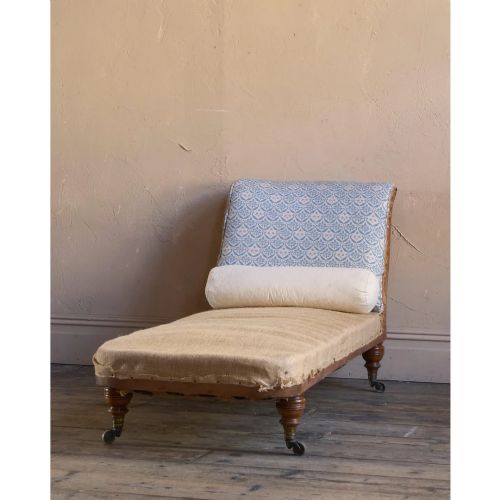
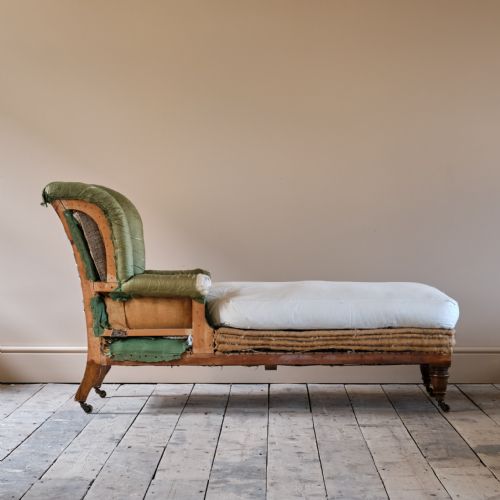
The functionality of these pieces manifests in adjustable backrests, folding frames, and X-frame library designs intended for prolonged sitting. Many specimens integrate stools or extend into chaise longues, demonstrating the era's focus on domestic relaxation and travel adaptability.
Origins vary significantly among the listed items, with English workshops, French cabinet makers, and Anglo-Indian colonial makers all contributing distinct regional interpretations. This geographical spread ensures that a 19th century reclining chair can present as an ebonised library seat, a robust mahogany campaign chair, or a carved Black Forest folding chair.
Materials and Construction
Makers utilised dense timbers such as mahogany, teak, walnut, and rosewood to construct the robust frames necessary to support adjustable mechanisms. Hardwood and ebonised finishes appear alongside intricate carvings, as seen in Black Forest examples and walnut frames.
Upholstery materials range from buttoned leather and supple fabrics to velvet, hessian, and original leather applications. Internal support and pivoting actions relied on brass hardware and iron fittings, allowing backrests and extending arms to shift smoothly.
Listings feature woods including mahogany, rosewood, teak, walnut, and ebonised hardwood, paired with brass and iron hardware.
Evaluating the Pieces
Quality rests heavily on the integrity of the mechanical adjustment system and the retention of original hardware, such as brass castors and ratchets. Chairs that transition smoothly between angles without structural compromise demonstrate superior workshop execution.
The choice of timber and the sophistication of the carving or turnings elevate certain pieces above standard production. Additionally, the survival of original leather upholstery and secondary pieces like matching stools or extending arms distinguishes the finest examples.
Howard and Sons·J. Herbert McNair·Gillows·Morris and Co
The 19th Century Reclining Chair Glossary
- Campaign chair
- Portable furniture designed for military officers, typically featuring folding frames and collapsible elements for easy transport.
- Planter's chair
- A colonial seating form characterised by extended arms designed for resting legs, common in Anglo-Indian pieces.
- Chaise longue
- An upholstered couch shaped like a chair with a long seat, intended for reclining.
- X frame
- A structural support design utilising intersecting diagonal members to form an X shape, frequently seen in library and folding chairs.
- Bobbin turning
- A form of furniture decoration made on a lathe, producing a series of rounded wooden knobs resembling bobbins.
19th Century Reclining Chair: Frequently Asked Questions
How do adjustable backrests function on these chairs?
Many models employ a ratchet mechanism housed within the wooden frame, allowing the sitter to catch the back at various angles. Brass rods and notched supports are typical of the period.
Operating these parts requires care to protect the aged timber and metal components from sudden slips or undue strain during adjustment.
Were these chairs used indoors or outdoors?
The majority served inside domestic settings, including libraries, drawing rooms, and bedrooms, as evidenced by fine woods and luxurious upholstery.
Colonial variants like teak planter's chairs were built for verandas and tropical climates, utilising slatted seats and extending arms for ventilation and heat relief.
How do I identify a campaign reclining chair?
Campaign pieces usually feature collapsible frames, carrying handles, or knock-down construction intended for easy packing by travellers and officers.
They frequently incorporate robust hardwoods like mahogany or teak, paired with durable brass corners and hinges to withstand frequent transit.
What is the difference between a daybed and a chaise longue?
A daybed combines the characteristics of a bed and a seat, often featuring a uniform length with or without an adjustable backrest. They function well for resting the entire body.
A chaise longue typically provides an elongated seat attached to a single chair back, forming an asymmetric piece intended for half-sitting and half-lying.