


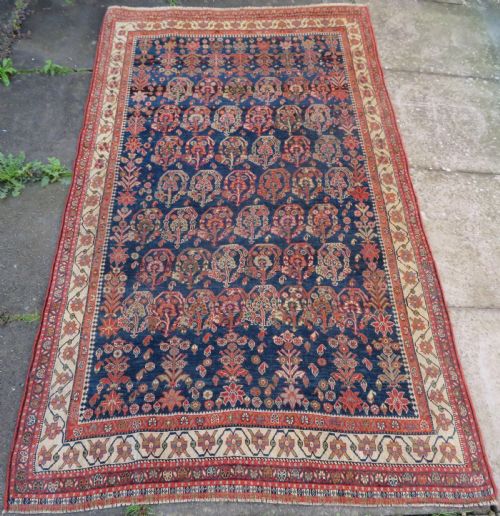


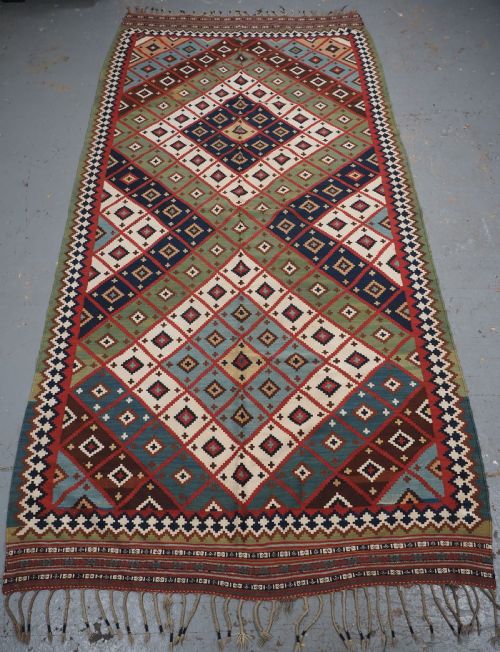
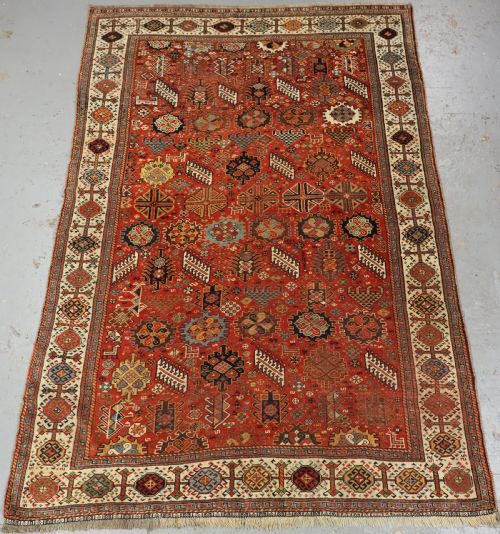


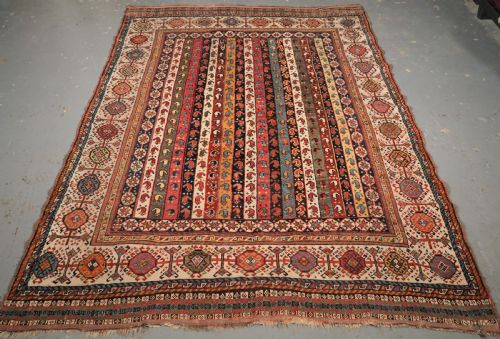

19th Century Qashqai Rug
A 19th century qashqai rug brings authentic tribal artistry into a room through rich wool and natural dyes.
19th Century Qashqai Rug
A 19th century qashqai rug is a tribal floor covering originating from South West Persia, prized for its distinct cultural identity and expressive weaving style. Buyers searching for this phrase encounter pieces created by nomadic confederations, encompassing standard rugs, kilims and runner rugs.
The pieces on this page span the 19th century, including examples from the 1850s, 1860s, 1880s, 1890s and around 1900. Common formats include distinctive sub-tribal groups such as Kashkuli and Shekarlu, displaying traditional motifs like medallions, boteh patterns and animal figures.
How They Were Made
These textiles are constructed primarily from wool using traditional hand-weaving techniques native to Persian tribal groups. The weavers utilise natural dyes to achieve the varied colour palettes seen across the pieces.
The structure relies on cotton foundations in many instances, supporting the dense wool pile that defines the rugs and runner rugs. Certain examples take the form of flatwoven kilims rather than knotted pile carpets.
Several pieces include hidden animal figures woven among the traditional geometric lattices and medallions.
What Varies in Quality
Quality in these tribal pieces rests upon the fineness of the weave and the precision of the drawing within the design. Finer knotting allows intricate details such as animal figures and geometric lattices to appear sharp and deliberate.
The depth and vibrancy of the natural dyes further separate examples, alongside the overall preservation of the wool pile and structural integrity. Variations in the complexity of sub-types, such as Kashkuli and Shekarlu weaves, influence the character of each piece.
The 19th Century Qashqai Rug Glossary
- Kashkuli
- A sub-group of the Qashqai confederation known for producing particularly fine tribal rugs with soft wool and detailed floral or boteh patterns.
- Shekarlu
- Another specific Qashqai sub-tribe, frequently associated with distinctive red grounds, striped layouts and classic geometric designs.
- Boteh
- A traditional almond-shaped or paisley motif representing a floral spray or cypress tree, commonly repeated across South West Persian rugs.
- Kilim
- A flatwoven textile produced without a pile, offering a lighter alternative to knotted carpets while maintaining traditional tribal designs.
- Runner
- A long, narrow carpet format designed for corridors or hallways, appearing in tribal weaving traditions for specific interior spaces.
19th Century Qashqai Rug: Frequently Asked Questions
How do I date a 19th century piece?
Dating relies on assessing the natural dyes, the specific wool characteristics, and structural clues within the weave.
Comparisons with documented pieces from periods like the 1850s or 1890s help narrow down the approximate decade of creation.
Where were these rugs made?
They originate from South West Persia, produced by the Qashqai confederation of nomadic tribes moving through the region.
Specific subgroups like Kashkuli and Shekarlu worked within this geographical area, bringing distinct regional styles to their weaving.
How do I care for an antique rug?
Place the rug in low-traffic areas or spaces out of direct sunlight to preserve the wool pile and natural dyes.
Regular gentle vacuuming without a beater bar helps maintain the textile without stressing the cotton foundations.