
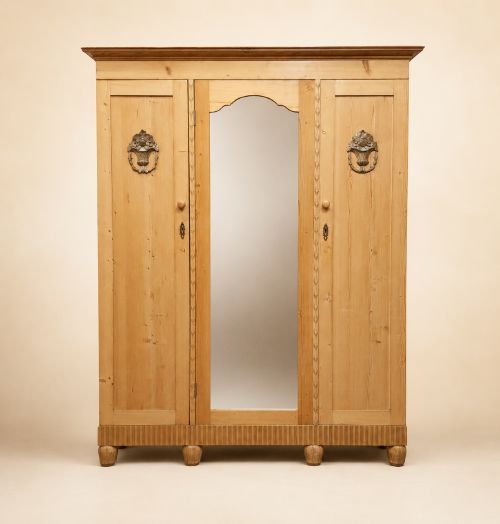
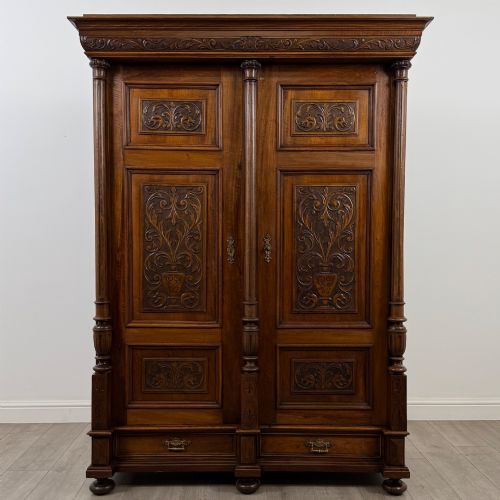
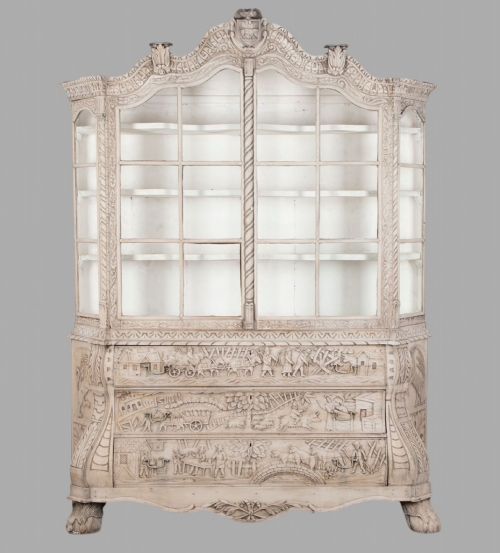
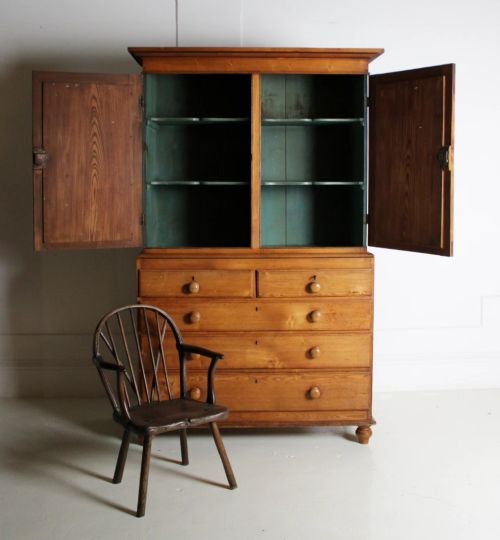
19th Century Press Cupboard
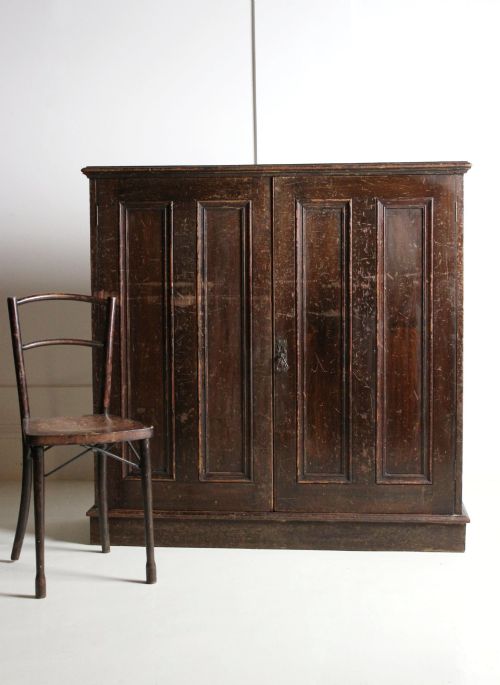
A 19th century press cupboard offers substantial period storage, combining hanging space or sliding trays with deep lower drawers.

19th Century Press Cupboard
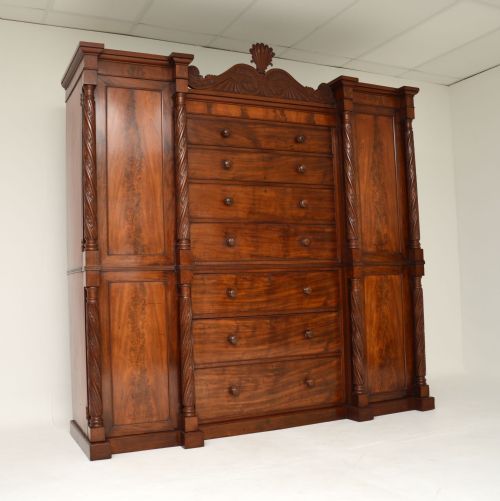
A 19th century press cupboard primarily functions as a large storage cabinet for textiles, garments, and household provisions, merging the roles of a wardrobe and a chest of drawers. These pieces range from robust vernacular furniture in regional oak to refined urban designs in figured mahogany and walnut.
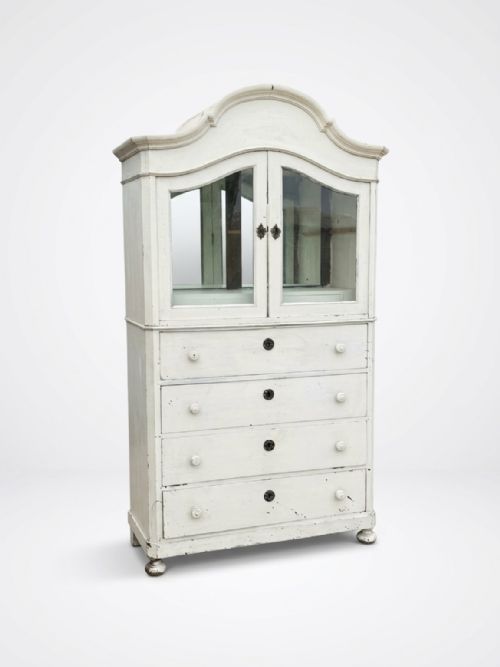
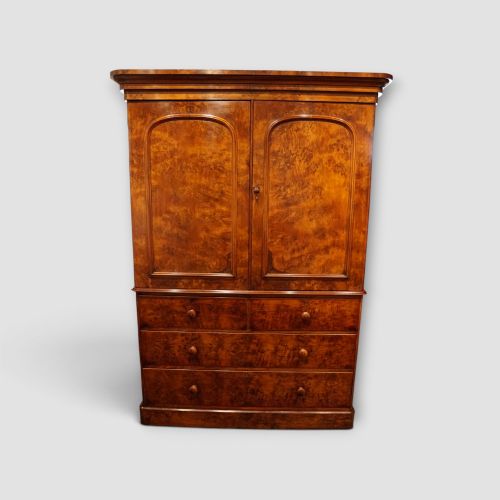
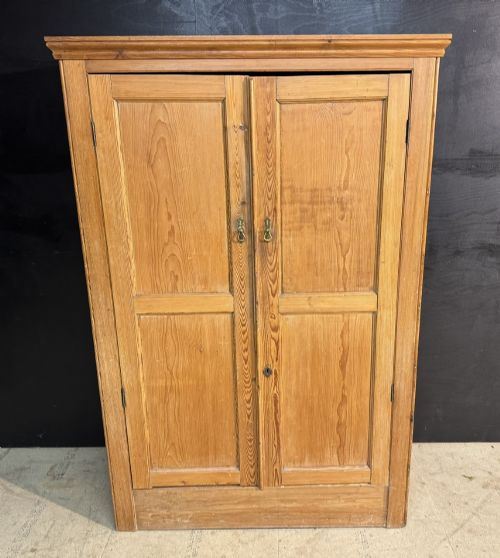
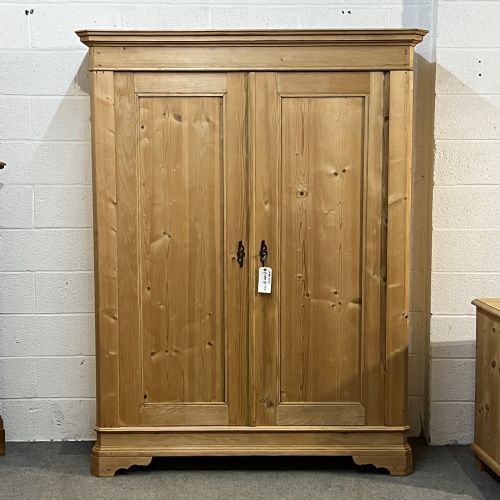
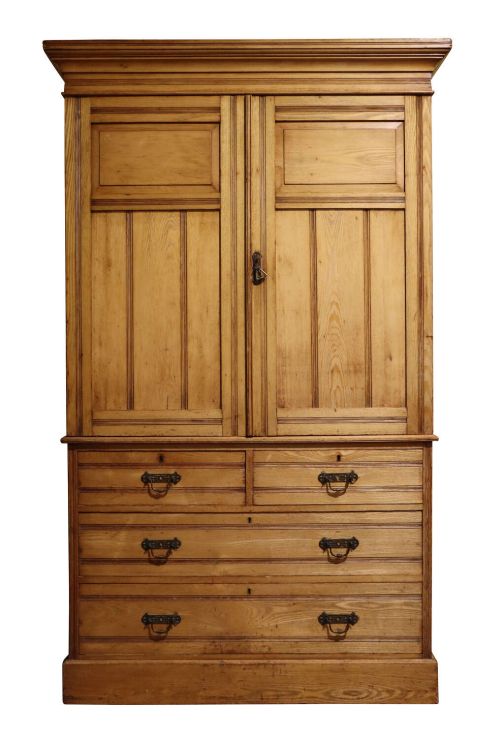
The version most frequently encountered on this page is the classic two-part Welsh or English linen press, often constructed in solid oak or painted pine, featuring upper cupboard doors above a base of graduated drawers. Regional variants such as Scottish aumries, Channel Islands pieces, and French housekeepers cupboards also appear regularly.
Beyond traditional linen storage, these cabinets accommodate modern domestic requirements through configurations like compactum wardrobes, larder cupboards, and display cabinets on chests. Their forms reflect the diverse domestic architecture of the Georgian, Victorian, and Regency periods.
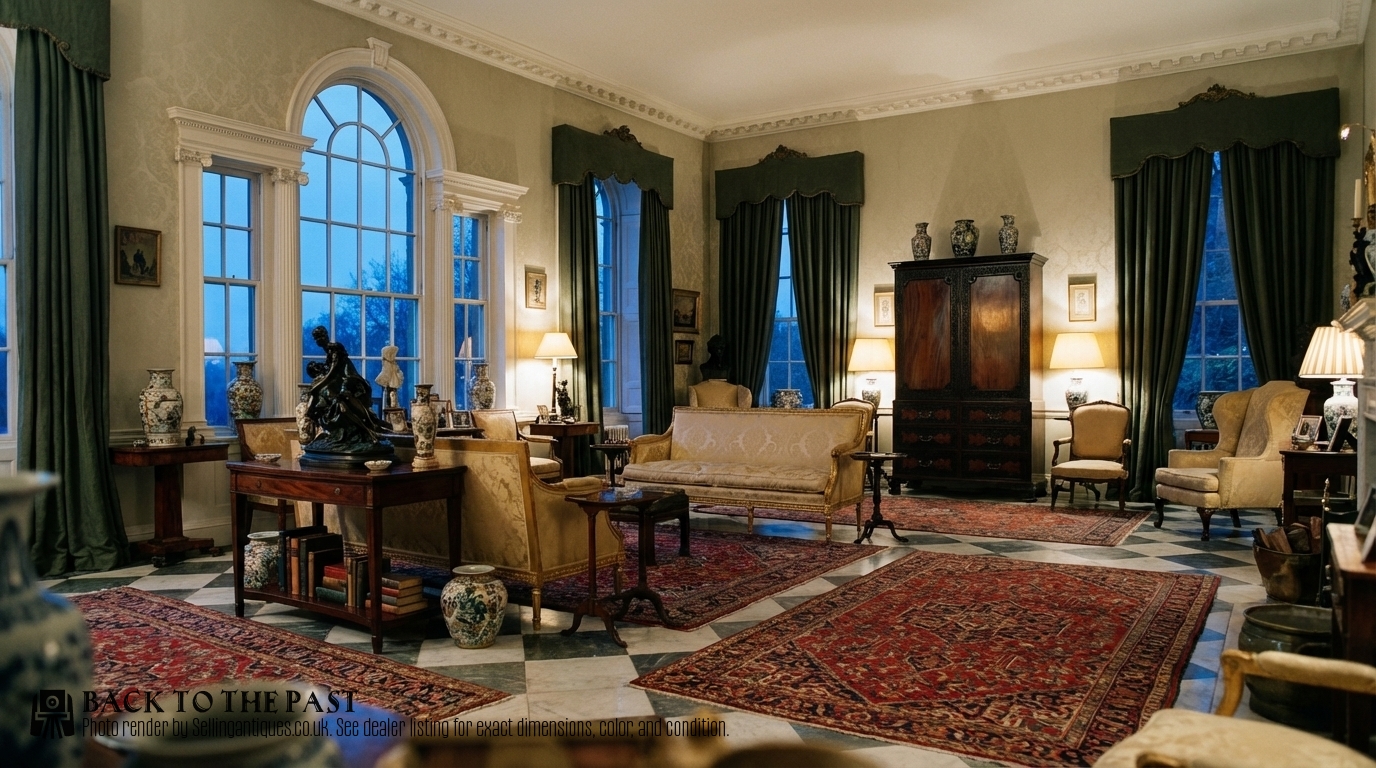
How they were made
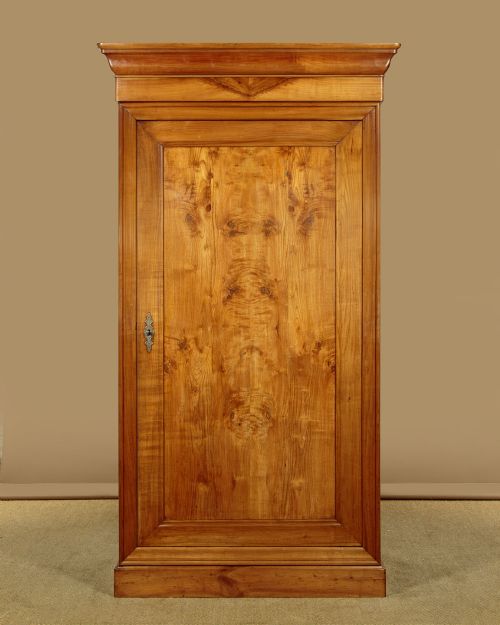
Makers utilised solid native timbers such as oak, ash, and pine alongside imported luxury veneers like flame mahogany, burr walnut, and cherry. Carcases were constructed with traditional joinery, often housing sliding linen slides or hanging compartments in the upper section and hand-dovetailed joints in the lower drawer units.
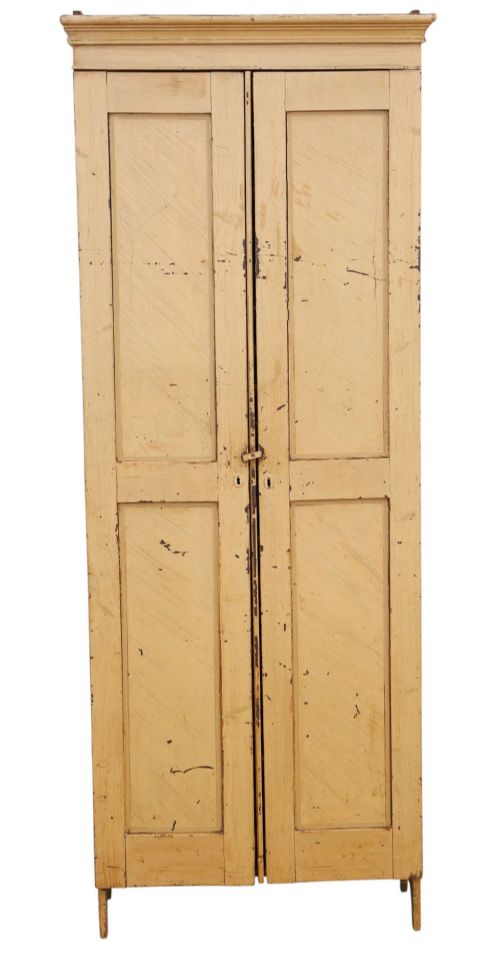
Surface treatments range from natural waxed finishes highlighting the grain to decorative applications of paint, including scumble glazes imitating finer woods, cream paint, and original blue pigments. Brass and iron hardware, from escutcheons to drop handles, secure the heavy doors and drawers characteristic of these large storage pieces.
19th Century Press Cupboard Retail Price Guide 2026
Typical asking prices for 19th century press cupboard among the pieces listed under this phrase on Sellingantiques today, from the lower quarter to the upper quarter. They describe what is for sale here now, not the wider market.
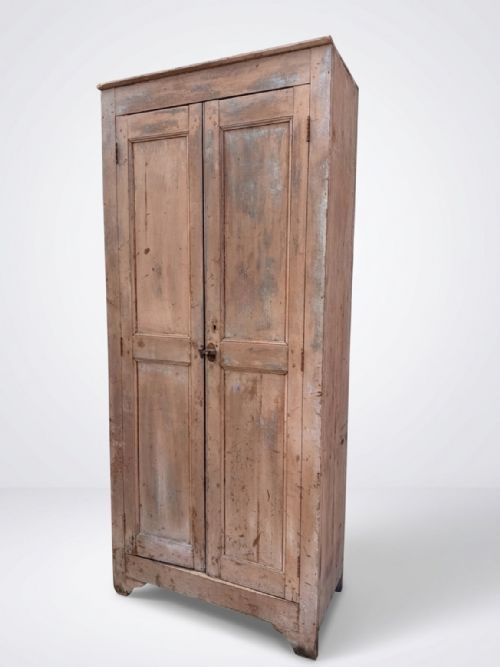
Some country pine cupboards retain stubborn coats of old blue paint that witnessed generations of family life.
What varies in quality
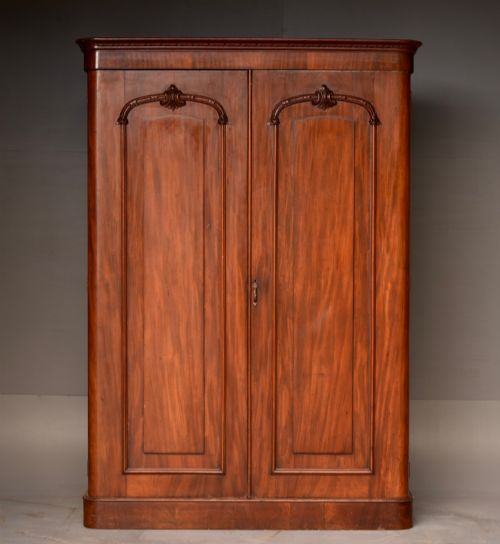
The grade of a piece depends largely on the choice of timber and the ambition of its construction, distinguishing vernacular utility items from high-style cabinet work. Selected flame mahogany veneers, intricate blind fretwork cornices, and detailed cross-banding signify workshops operating at a higher tier.
Proportion and structural integrity also define the better examples, where cornices, panelled doors, and bracket feet remain balanced and true. Original surfaces, whether untouched painted pine or polished hardwood with a deep patina, command greater interest than pieces stripped or altered over time.

The 19th Century Press Cupboard Glossary
- Linen press
- A tall cabinet specifically designed with interior trays or shelves for storing folded sheets and textiles, usually positioned above a chest of drawers.
- Compactum
- A multi-functional wardrobe combining hanging space, linen slides, and multiple drawers within a single unified cabinet structure.
- Scumble
- A decorative painting technique used to simulate the grain of more expensive hardwoods like oak or walnut upon a simpler pine carcase.
- Cornice
- The moulded projection that crowns the top of the cabinet, often carved with details such as blind fretwork.
- Aumrie
- A traditional regional term, particularly associated with Scottish vernacular furniture, denoting a cupboard or cabinet for food and household goods.
19th Century Press Cupboard: Frequently Asked Questions
What is the difference between a wardrobe and a press cupboard?
A wardrobe is primarily designed for hanging garments on rails or hooks within a tall compartment. A press cupboard traditionally incorporates sliding shelves or trays in the upper section for folded textiles, sitting above a chest of drawers.
While many pieces listed under this phrase served both functions over time, the presence of internal linen slides remains the defining architectural feature of the traditional press.
How were these cupboards used in a 19th-century home?
These large cabinets served as the primary storage solution for household linens, blankets, and clothing before built-in closets became standard in domestic architecture. Housekeepers cupboards were utilised in kitchens and service rooms to store dry goods, provisions, and tableware.
Their robust construction and deep internal capacity made them essential utility furniture for managing domestic supplies across large country houses and modest homes alike.
Can I use a press cupboard as a modern wardrobe?
Many press cupboards easily adapt to modern clothing storage by removing interior linen trays to install a hanging rail. Buyers frequently configure the upper compartment for coats and dresses while utilising the deep lower drawers for folded garments.
It is important to check the internal depth of the upper section before purchase, as older pieces can occasionally be shallow compared to contemporary wardrobes.
How do I identify the period of a press cupboard?
Dating relies on examining construction methods, timber choices, and stylistic details associated with periods like the Georgian, Regency, or Victorian eras. Early 19th-century pieces often feature hand-cut dovetails, solid oak carcases, and vernacular regional characteristics, particularly from Welsh workshops.
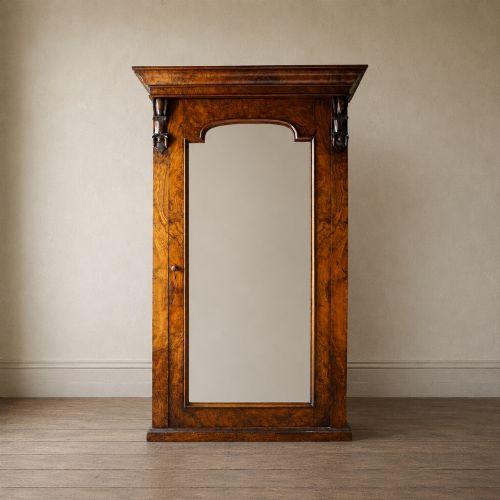
Later Victorian examples frequently introduce machine-sawn elements, mirrored doors, or exotic veneers such as burr walnut and flame mahogany reflecting changing industrial techniques.