



19th Century Pottery Vessel
When you search for a 19th century pottery vessel, you encounter utilitarian crocks, decorative porcelain vases, and glazed earthenware jars shaped by diverse global traditions.
19th Century Pottery Vessel
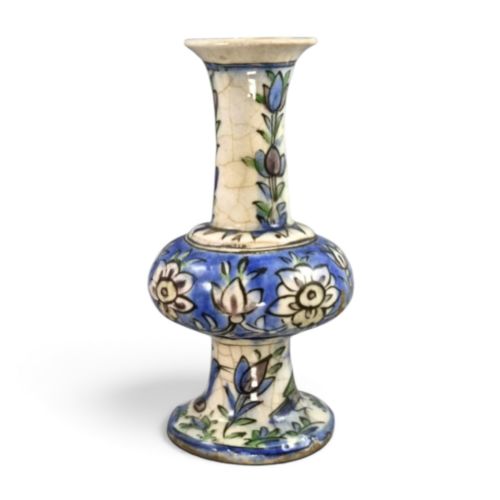
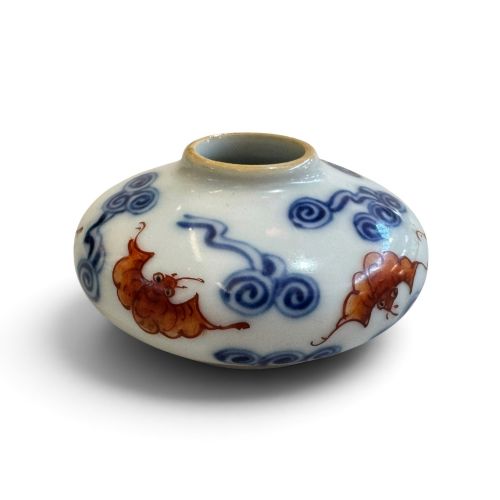
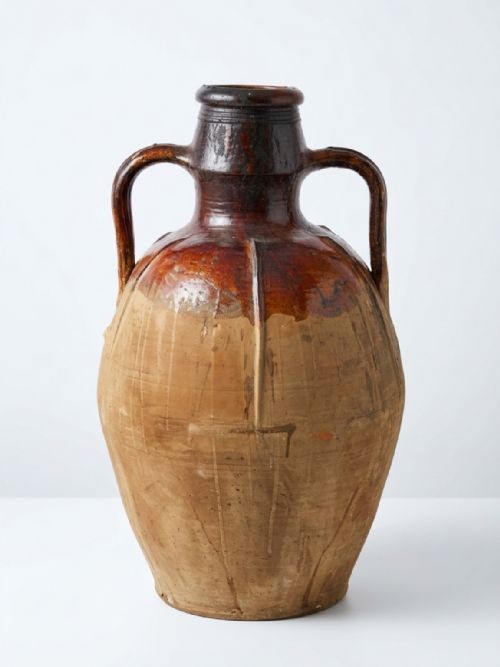
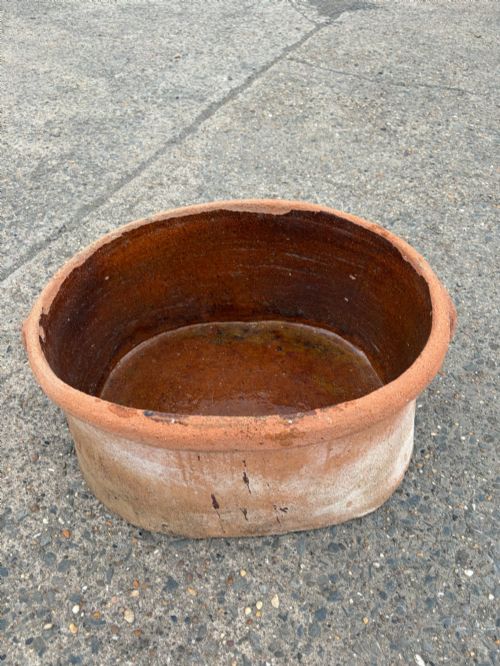
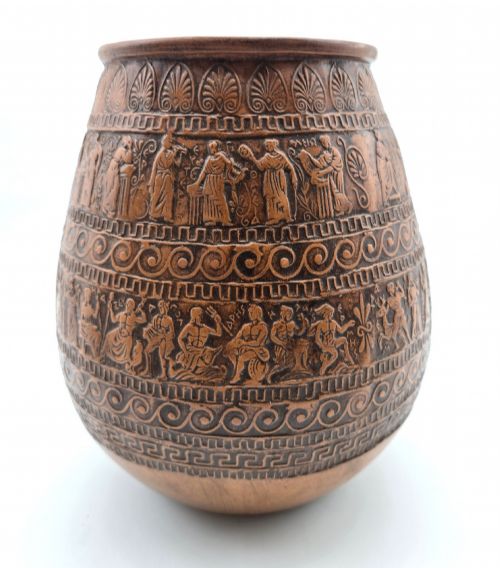
A 19th century pottery vessel encompasses a wide array of functional and decorative ceramic objects, ranging from utilitarian storage crocks and tavern jugs to ornamental porcelain vases and apothecary jars. These pieces emerge from European, Asian, and Middle Eastern kilns, reflecting both domestic utility and high artistic expression during a period of expanding global trade and industrial development.
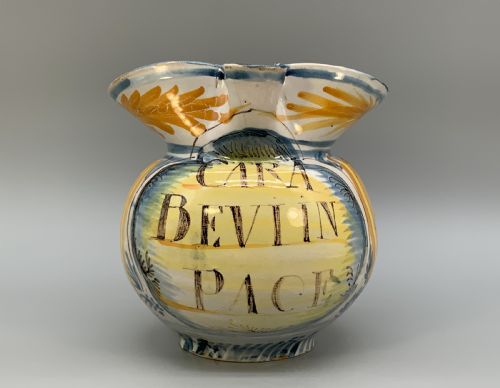
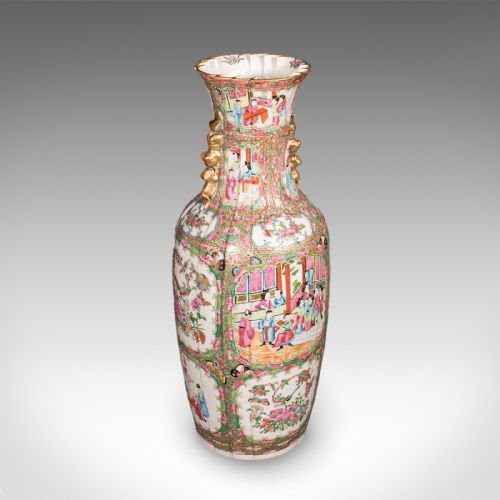
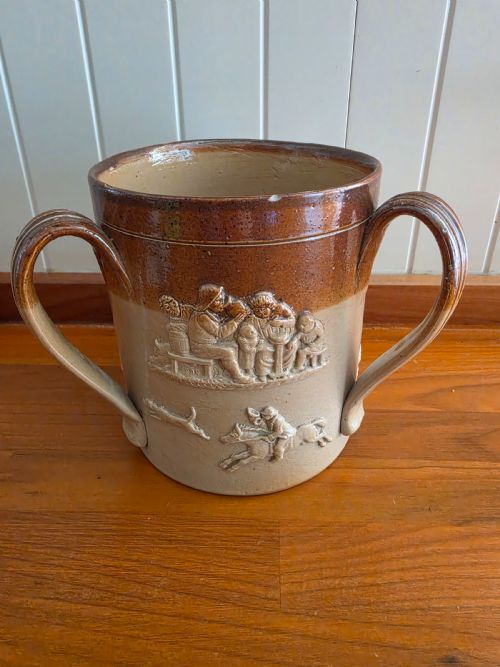
Buyers searching this phrase are most likely to encounter Victorian earthenware and stoneware jugs, Chinese export porcelain, Japanese Meiji period vases, and Italian majolica pharmacy jars. The selection bridges the gap between humble country wares, such as French confit jars and salt-glazed flagons, and sophisticated studio and factory output from makers like Minton and Royal Worcester.
The forms serve varied historic purposes, including liquid storage, pharmaceutical dispensing, floral display, and communal dining. Whether evaluating a salt-glazed storage bottle or a polychrome majolica drug jar, the physical presence of these vessels anchors them firmly in the material culture of the nineteenth century.
How They Were Made
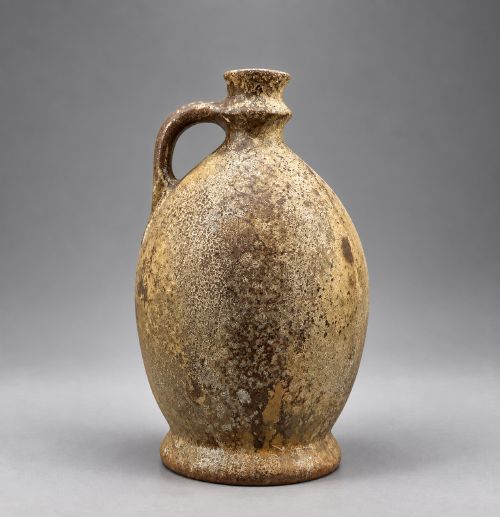
Makers utilised earthenware, stoneware, and porcelain as the primary foundational bodies, shaping them on the potter's wheel or utilising moulds for complex decorative forms. Earthenware required lower firing temperatures and often received tin or lead glazes, while stoneware underwent higher heat vitrification to create impermeable, durable containers suitable for holding liquids and provisions.
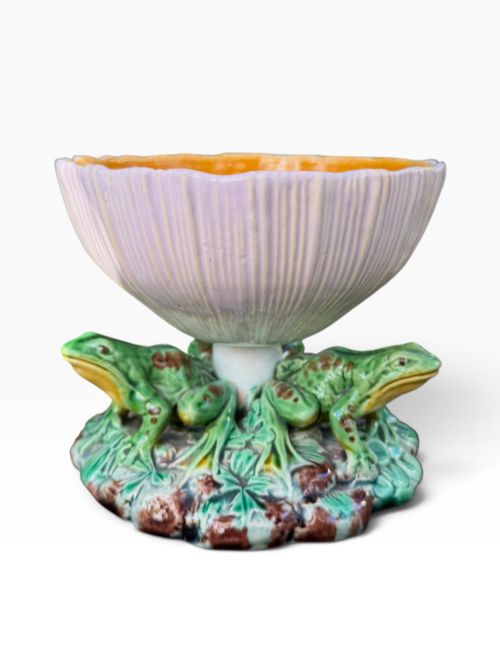
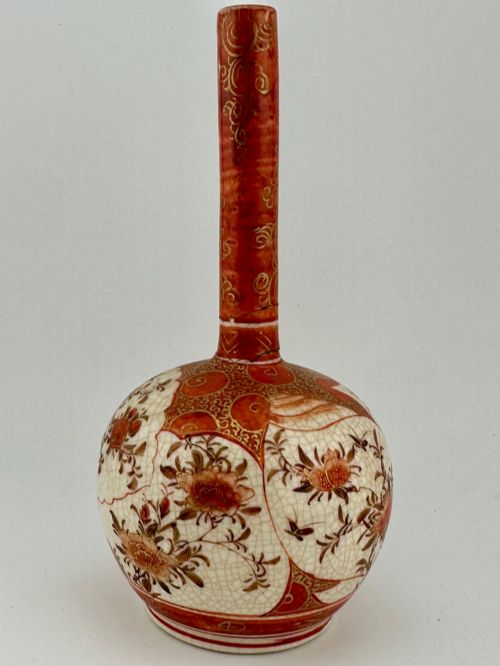
Surface decoration involved diverse techniques including hand-painting with enamel, cobalt blue underglaze, transfer printing, salt glazing, and applied slip ornamentation. Factories and independent workshops applied gold leaf, moriage relief work, and polychrome glazes to achieve rich visual textures on Japanese Kutani vases, English majolica frogs bowls, and Persian ceramic vessels.
19th Century Pottery Vessel Retail Price Guide 2026
Typical asking prices for 19th century pottery vessel among the pieces listed under this phrase on Sellingantiques today, from the lower quarter to the upper quarter. They describe what is for sale here now, not the wider market.
Listings feature earthenware, stoneware, and porcelain pieces spanning the Victorian era, Meiji period, and Qing dynasty.
What Varies in Quality
Quality rests upon the precision of the potter's throw, the clarity and stability of the glaze, and the artistic execution of surface painting. Superior examples display crisp moulding, intentional control over kiln firing temperatures to avoid excessive warping or distortion, and finely detailed hand-painted or relief motifs.
The sophistication of the design and the reputation of the producing factory or regional tradition elevate certain pieces above standard utilitarian output. Masterworks from recognised potteries exhibit deliberate composition and refined material preparation, distinguishing them from simpler provincial wares.
Minton·Royal Staffordshire·Royal Worcester·Doulton Lambeth·Sarreguemines
The 19th Century Pottery Vessel Glossary
- Majolica
- A type of earthenware coated with an opaque white tin glaze and painted with metal oxide colours. This technique produced vibrant, colourful surfaces seen on pharmaceutical jars and decorative bowls.
- Stoneware
- A dense, vitreous ceramic fired at high temperatures until the clay body non-porous. It provides exceptional durability for functional vessels like flagons and storage bottles.
- Pearlware
- A refined earthenware developed in the eighteenth century featuring a subtle blue-tinted glaze over a pale body, designed to mimic Chinese porcelain. It frequently appears on transfer-printed tableware and loving cups.
- Albarello
- A vertical earthenware jar used by apothecaries to store dry drugs, electuaries, and ointments. Its characteristic waisted shape allowed pharmacists to stack and grip containers easily on shelves.
- Slipware
- Pottery decorated with liquid clay, known as slip, applied to the vessel body before firing through trailing, dipping, or combing. This traditional method creates tactile patterns on country wares.
- Transfer printing
- A decoration method where an engraved copper plate transfers a design onto paper, which is then pressed onto the ceramic body before glazing. This innovation enabled complex pictorial scenes on British pottery.
19th Century Pottery Vessel: Frequently Asked Questions
What were apothecary jars used for?
Apothecary jars held medicinal herbs, syrups, and ointments in pharmacies and dispensaries. Their durable ceramic bodies protected sensitive contents from light and moisture.
Labelled with painted drug names or symbols, these vessels sat on wooden shelves ready for daily medicinal preparation.
How do I care for antique pottery?
Keep antique vessels away from direct sunlight and areas subject to rapid temperature fluctuations. Dust them gently with a dry, soft cloth.
Avoid using water, harsh detergents, or immersion, particularly on earthenware with porous bodies or fragile overglaze enamels.
What is salt-glazed stoneware?
Salt-glazed stoneware is pottery created by throwing common salt into the kiln during high-temperature firing. The salt vaporises and reacts with the silica in the clay.
This chemical reaction forms a durable, glossy surface resembling orange peel, making the vessel entirely waterproof for holding liquids.
How do I distinguish earthenware from porcelain?
Earthenware is fired at lower temperatures, producing a porous, opaque body that requires a glaze to hold liquids. It tends to feel heavier and thicker.
Porcelain utilises refined kaolin clay fired at extreme heat, resulting in a dense, vitrified body that often rings when struck and can be translucent.