


19th Century Plaque
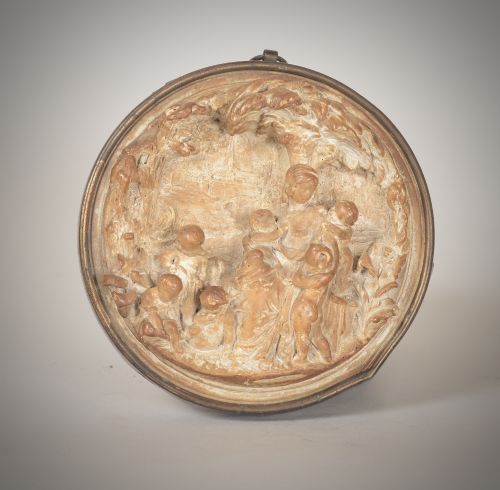
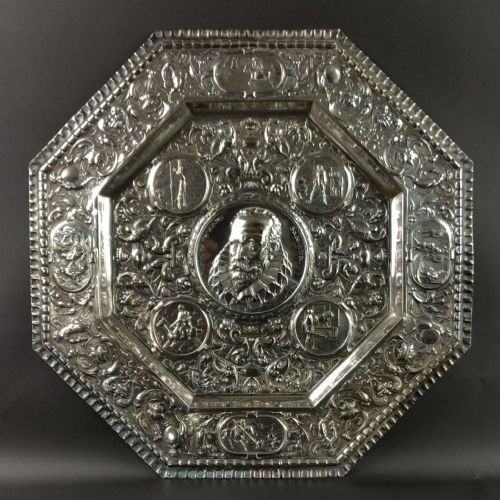
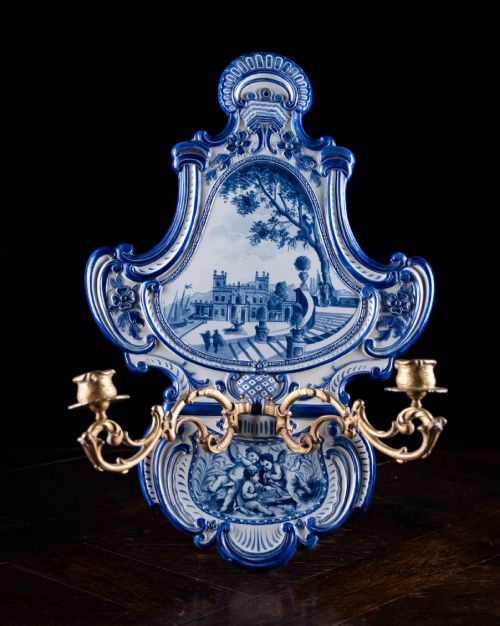
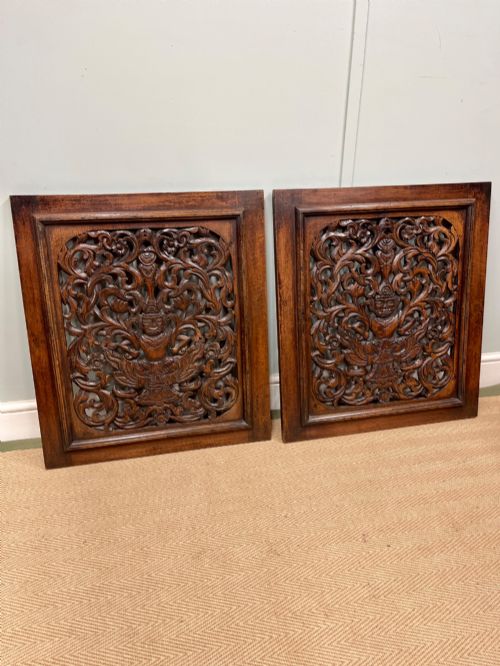
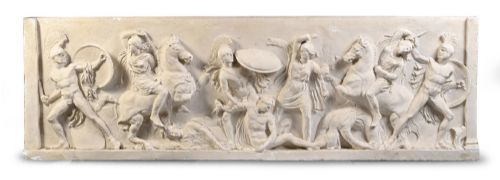
A 19th century plaque brings painted porcelain, cast bronze, carved stone, and repoussé metal into interior displays.
19th Century Plaque
A 19th century plaque encompasses hand-painted porcelain panels, cast bronze reliefs, carved ivory, marble, and repoussé metalwork produced across Europe during the Victorian and continental periods.
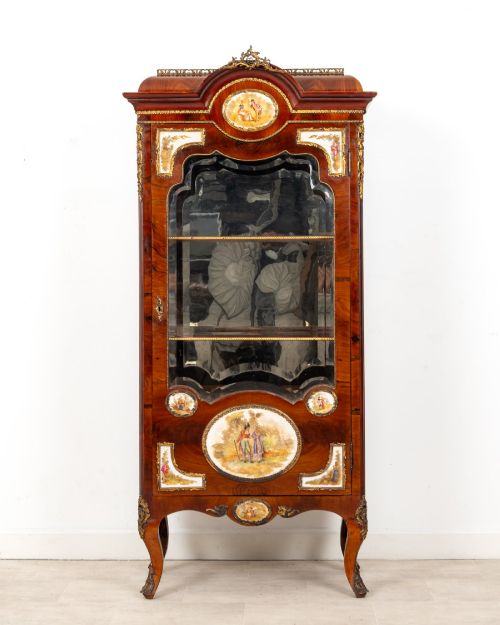
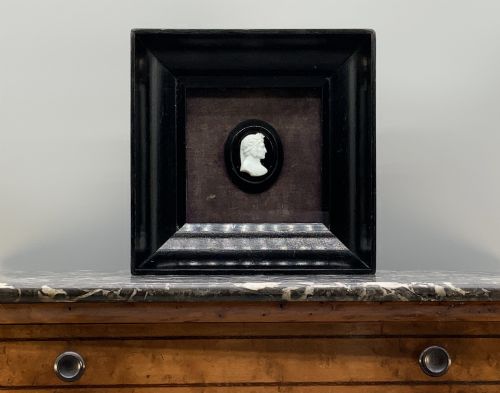
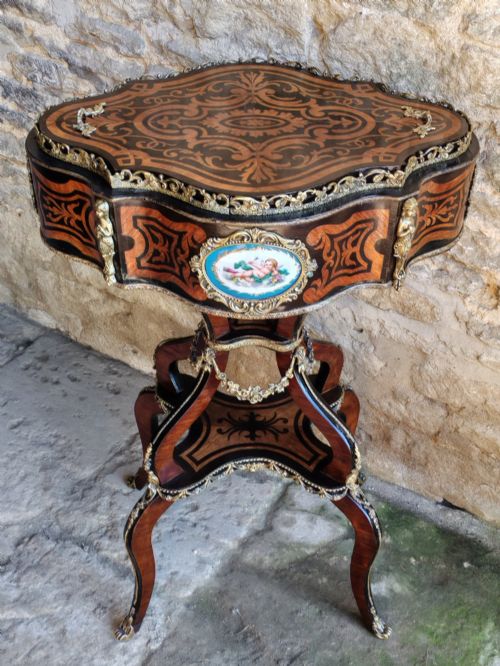
Collectors encounter these pieces either framed as standalone wall art or mounted directly into the surfaces of period furniture such as credenzas, pier cabinets, and writing desks.
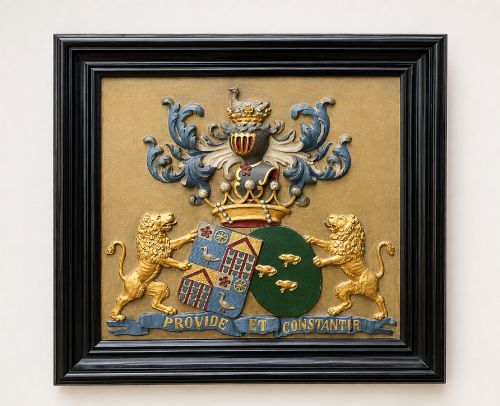
Subjects range from classical portraits and religious scenes after Renaissance masters to heraldic marriages, botanical studies, and romantic landscapes.
How They Were Made
Painted porcelain panels utilised multi-fired mineral pigments applied to a glazed ceramic base, often executed after well-known paintings by artists like Raphael.
Metal plaques relied on techniques such as repoussé and casting, shaping copper, brass, and bronze into high-relief depictions mounted with ormoulu or gilt frames.
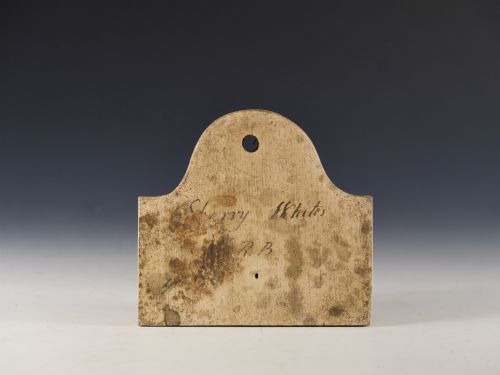
Several plaques record unexpected subjects, from a sheep suspended in a ribbon to domestic dogs guarding revenue police.
What Varies in Quality
The refinement of the hand-painting or carving separates standard decorative items from exhibition pieces, particularly in the rendering of facial expressions, drapery, and fine detail.
The quality of the surrounding mountings - such as chased ormolu, ebonised wood frames, and kingwood veneers - reflects the original status and destination of the object.
Gioacchino Barberi·Villeroy and Boch·Clement Messier·Edward William Wyon·Elkington
The 19th Century Plaque Glossary
- Repoussé
- A metalworking technique where a design is hammered into relief from the reverse side. This process allows craftsmen to create three-dimensional pictorial scenes in copper, brass, or silver.
- Ormolu
- Gilded bronze mounts applied to furniture and decorative objects. The technique involves treating metal with a mercury and gold amalgam before heating.
- Pietra dura
- An inlay technique using cut and fitted polished coloured stones to create pictorial images. It appears frequently on panels and tabletops from the period.
- Micromosaic
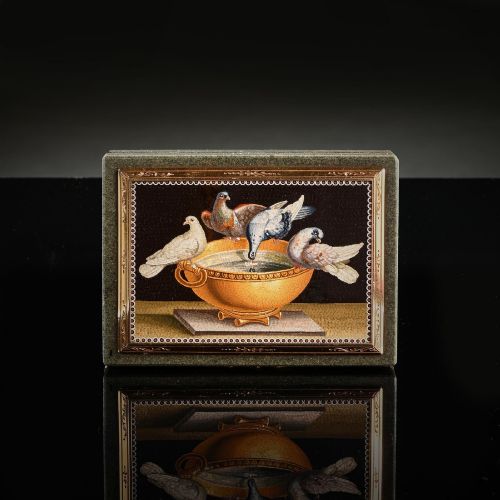
- Composed of tiny glass tesserae fused together to form detailed miniature pictures. Italian workshops produced notable examples often set into snuff boxes and frames.
- Parian ware
- A type of bisques porcelain resembling marble, developed in the mid-nineteenth century. It was frequently utilised for portrait busts and relief plaques.
19th Century Plaque: Frequently Asked Questions
How were antique plaques displayed in nineteenth-century homes?
Many panels were framed singly or in pairs for wall hanging, while others were integrated directly into the carcasses of walnut or kingwood cabinets and desks.
Larger chargers and armorial plaques often stood on sideboards or hung above mantelpieces as focal points.
Can porcelain plaques be removed from furniture mounts?
Porcelain plaques set into credenzas and writing desks were fixed securely during manufacture to accent the timber and ormolu mounts.
Removing them risks damaging both the fragile ceramic edges and the surrounding wood framework.
What subjects are most common on painted panels?
Makers frequently copied works by Renaissance masters or depicted classical figures, mythological battles, and romantic scenes with lovers.
Portrait plaques of notable historical figures, poets, and writers also appeared regularly throughout the period.
How do you distinguish bronze plaques from cast iron?
Bronze plaques possess a warmer metallic tone and heavier density, often showing chased surface detailing applied after casting.
Cast iron pieces tend to be darker, magnetic, and feature simpler moulded definitions without hand-chasing.