



19th Century Pew
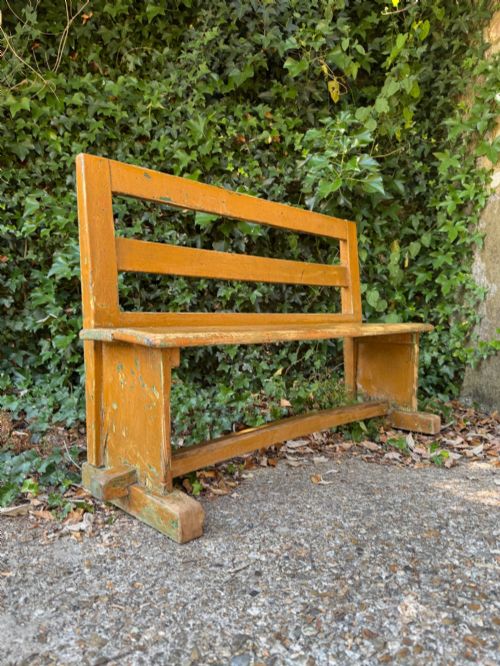
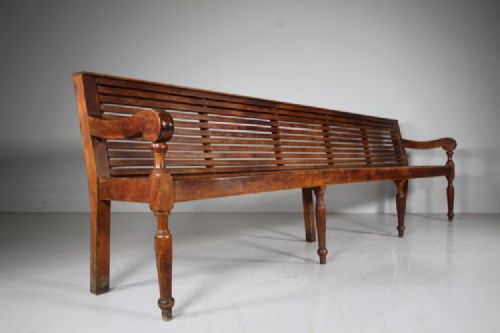
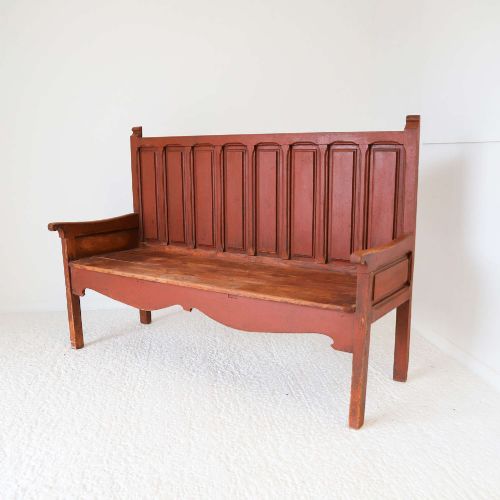
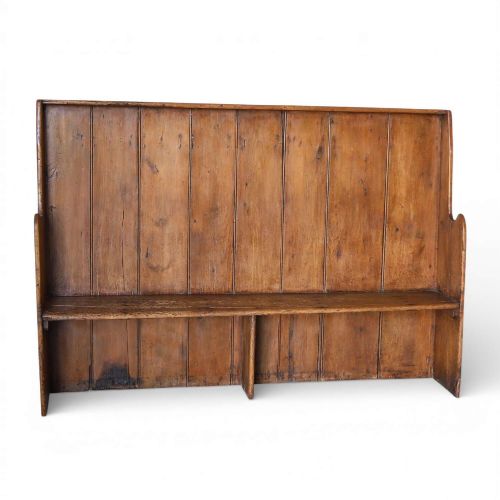
These 19th century pew examples bring ecclesiastical timber and robust country seating directly into domestic halls and long corridors.
19th Century Pew
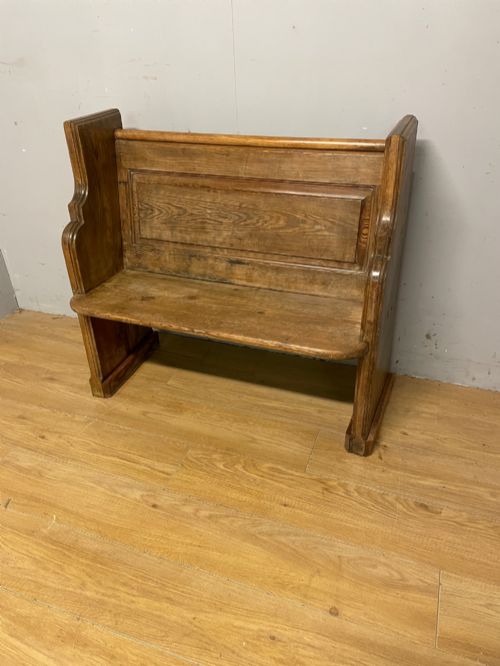
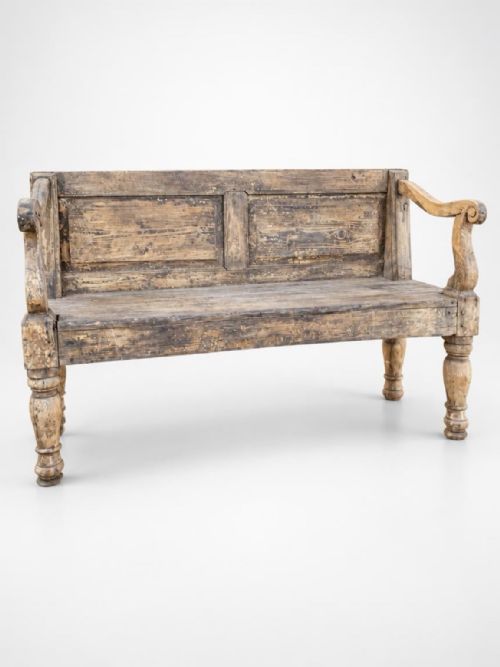
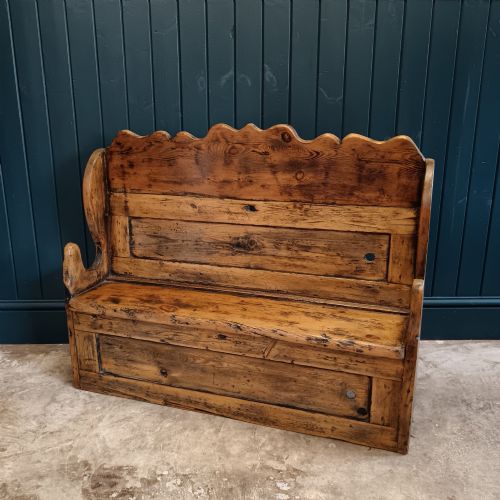
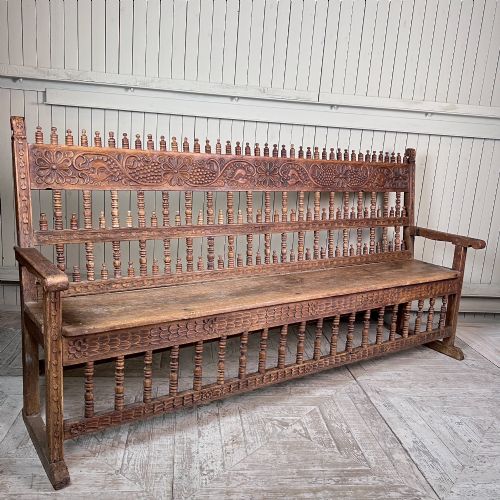
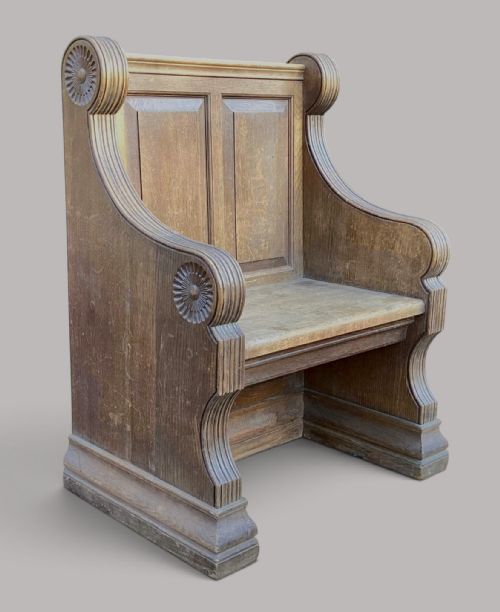
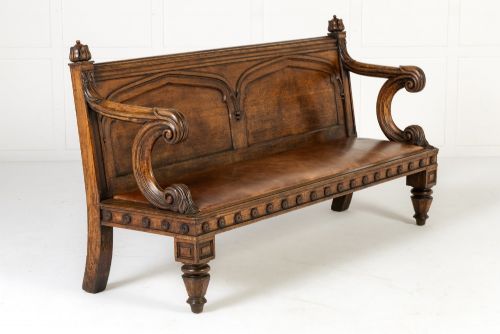
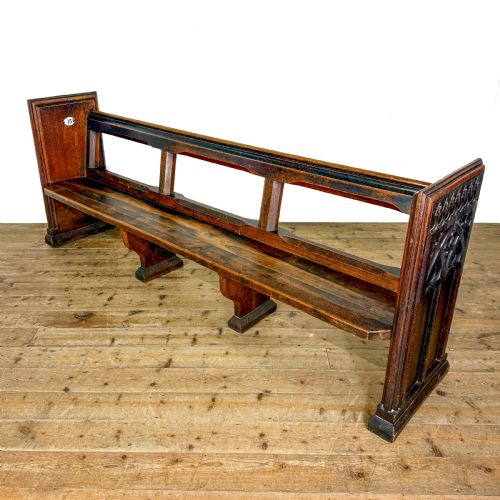
A 19th century pew search uncovers heavy timber seating designed originally for churches, chapels, and public waiting spaces, alongside domestic settles and long hallway benches. These pieces range from plain pine utility seating to elaborate oak benches carved with Gothic tracery and poppy head finials.
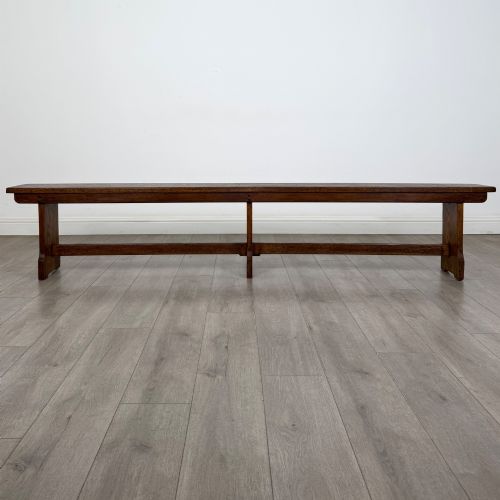
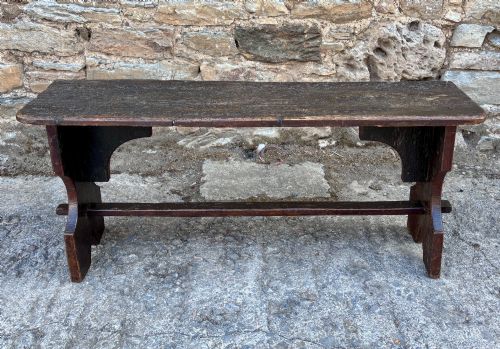
The version most commonly met on this page is the solid oak church pew or country house hall bench, often bearing the marks of ecclesiastical or vernacular use. Long tavern benches and slim hallway seating also appear frequently, reflecting the varied communal origins of these sturdy wooden forms.
How they were made
Makers relied primarily on native timbers such as oak, pine, elm, and walnut, selecting durable woods capable of withstanding heavy daily use. Planks were joined using traditional framing techniques, frequently incorporating box storage compartments or high panelled backs to block cold drafts.
Surface treatments vary from unvarnished honey brown patinas to original painted finishes and bleached chestnut surfaces. Carved details like architectural tracery, foliage, and relief panels were hand-executed by regional carpenters and ecclesiastical joiners.
19th Century Pew Retail Price Guide 2026
Typical asking prices for 19th century pew among the pieces listed under this phrase on Sellingantiques today, from the lower quarter to the upper quarter. They describe what is for sale here now, not the wider market.
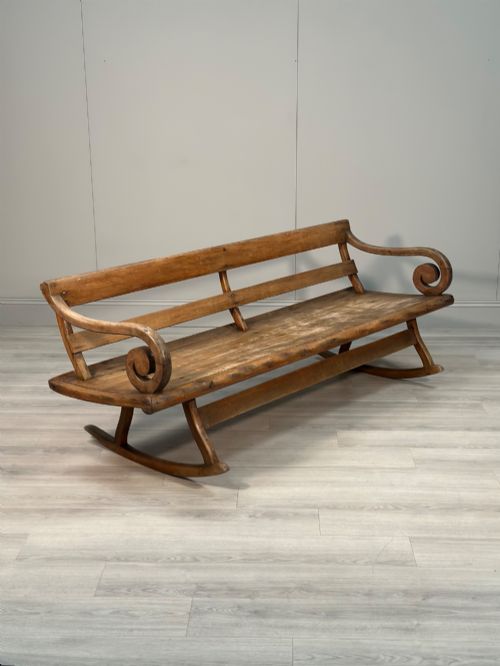
One recorded elm settle comes equipped with an integrated rocking mechanism for restless sitters.
What varies in quality
Quality rests upon the selection of timber and the ambition of the joinery, distinguishing straightforward utility seating from bespoke architectural commissions. Superior examples display dense, well-figured grain, balanced proportions, and crisp, deep hand-carving on the pew ends and back panels.
The integrity of the construction and the survival of an authentic surface patina dictate the standing of a piece within the range. Pieces retaining their original church provenance or untouched painted finishes command greater interest than heavily altered or stripped examples.
The 19th Century Pew Glossary
- Settle
- A wooden bench with a high back, solid arms, and often a closed base or box seat designed to keep out drafts. These items served as primary seating in domestic vernacular interiors.
- Tracery
- Openwork or embossed patterns in stone or wood, commonly found in the Gothic style on upper pew panels and screens. Carpenters copied ecclesiastical window designs to ornament bench ends.
- Patina
- The surface sheen and colour developed on wood through age, wear, and regular waxing. A desirable honey brown patina indicates decades of careful maintenance.
- Box settle
- A form of bench incorporating a hinged seat lid that opens to reveal storage underneath. This dual-purpose design maximised utility in smaller rooms.
19th Century Pew: Frequently Asked Questions
Where were these long benches originally used?
Many of these pieces originated in parish churches, village chapels, and monastic foundations where long seating accommodated congregations. Others served institutional functions in waiting rooms, country house halls, and local taverns.
Their robust construction was engineered specifically to endure heavy communal traffic and daily public use over generations.
How do I fit a church pew into a hallway?
Slimder hallway benches and low-backed chapel pews fit neatly against passage walls without obstructing movement. Measuring the available floor length and depth beforehand ensures the piece clears doorways and radiators.
Pairing a long bench with a flagstone floor or wooden boards highlights the historic character of the timber.
How can I tell a Gothic Revival pew from earlier pieces?
Gothic Revival examples produced during the Victorian era display deliberate revivals of medieval architecture, including pointed arch tracery and carved foliage. Earlier vernacular pieces tend to feature simpler, utilitarian lines dictated by regional carpentry traditions rather than applied historical styles.
Examining the tool marks, timber shrinkage, and assembly methods helps clarify the period of manufacture.