

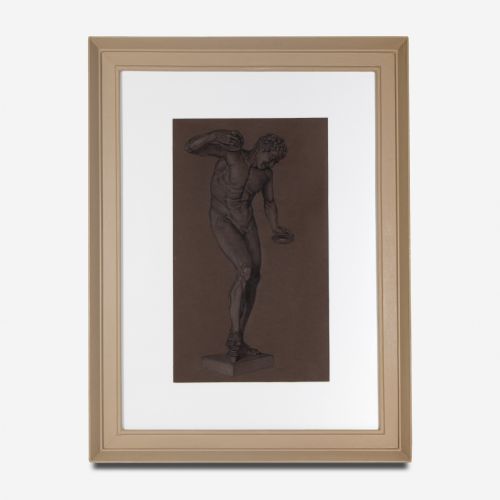


19th Century Pencil Sketch
A 19th century pencil sketch captures the intimate hand of a past draftsman on paper, offering buyers direct access to period portraiture, topography, and domestic life.
19th Century Pencil Sketch
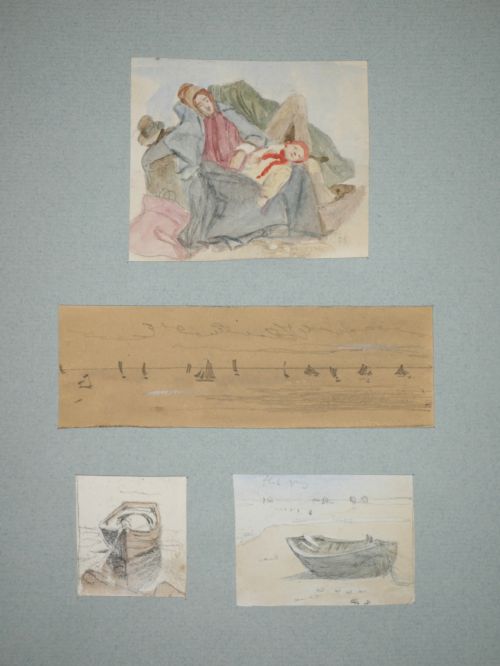
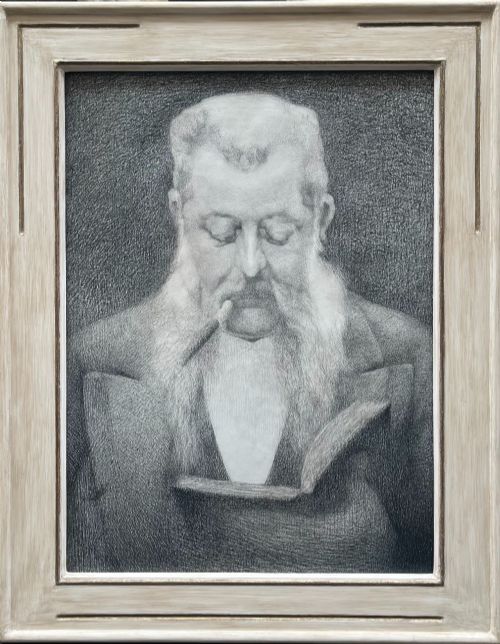
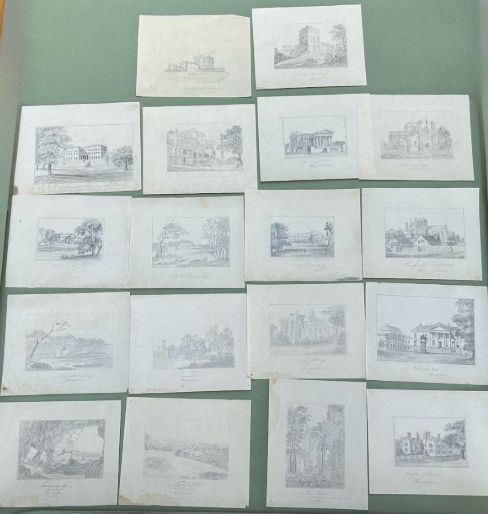
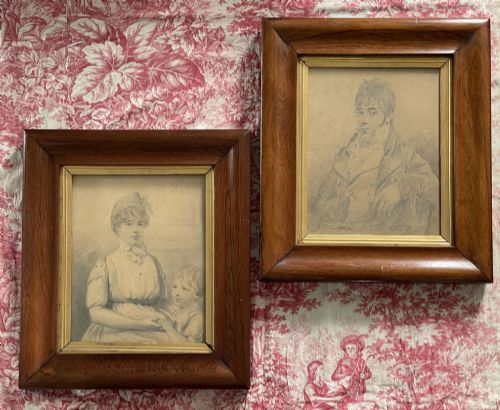
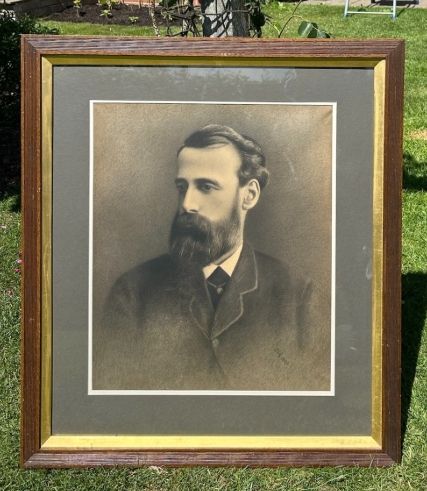
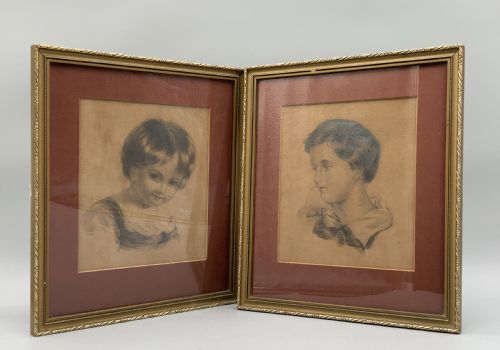
A 19th century pencil sketch represents original works on paper executed in graphite, charcoal, or pencil, often heightened with wash, chalk, or watercolour. These pieces span portraits of gentlemen and children, architectural studies, historical landscapes, and architectural drawings.
Buyers commonly encounter framed artwork and drawings attributed to named artists, British and French schools, or anonymous hands working in Regency and Victorian styles. The subjects range from Hampshire landscapes and Parisian street scenes to allegorical compositions and intimate domestic studies.
The material survival of these works relies on supportive framing under glass, protecting fragile paper substrates from degradation. Many carry period inscriptions, signatures, dates, or studio stamps that anchor their origins in the nineteenth century.
Materials and technique
Artists drew using graphite, pencil, or charcoal upon varied paper stocks, sometimes applying chalk, watercolour washes, or gold leaf for tonal depth. Works frequently appeared in keepsake books, sketchbooks, or as individual mounted sheets intended for framing.
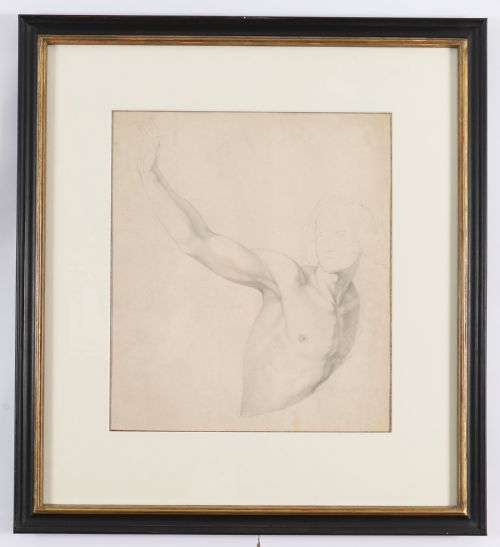
Techniques varied from rapid architectural and landscape studies executed outdoors to academic realignments after classical masters. Draftsmen utilised wash to create chiaroscuro contrasts, while others relied strictly on precise graphite line work to model form and expression.
Listings feature paper, graphite, charcoal, watercolour, and gold leaf across Regency, Victorian, and academic realism styles.
Qualities of distinction
Quality rests upon the sureness of the draftsmanship and the expressive power captured in the lines of a portrait or landscape. The finest examples display confident anatomical proportions, subtle tonal graduation, and immediate observational energy rather than stiff mechanical copying.
Signatures, dated contexts, studio stamps, and contemporary inscriptions elevate an ordinary study into a documented historical document. Preservation of the paper without excessive foxing or acid burn also separates superior works from lesser examples.
James Smetham·Sir Francis Leggatt Chantrey·Theobald Chartran·Sir William Charles Ross·Thomas Sidney Cooper·Richard Beavis·Keeley Halswelle·Henry William Burgess
The 19th Century Pencil Sketch Glossary
- Graphite
- A crystalline form of carbon used as a drawing medium in pencils, producing grey or black marks on paper. It replaced lead pencils and allowed artists to achieve fine detail and broad tonal ranges.
- Grisaille
- A painting or drawing executed entirely in shades of grey or neutral monochrome. This technique often served as a preparatory study for larger oil compositions or stood alone as a finished work.
- Wash
- A diluted layer of watercolour or ink applied broadly across paper with a brush to create background depth or shadow. It frequently accompanied pencil and charcoal sketches to enhance volume.
- Symbolist
- An artistic style originating in the late nineteenth century focusing on metaphorical images, dreams, and internal psychological states rather than literal reality. Works in this vein often explored complex allegorical themes.
- Academic Realism
- A style of painting and drawing produced under the influence of European academies of art, prioritising precise anatomical correctness and historical or mythological subjects.
19th Century Pencil Sketch: Frequently Asked Questions
How were 19th century sketches kept?
Artists stored these works inside bound keepsake books, portable sketchbooks, or loose portfolios before collectors later framed them for display. Keeping them away from direct sunlight protected the fragile paper and graphite mediums from fading.
Surviving examples often retain remnants of old mounts, collector stamps, or handwritten inscriptions on the reverse detailing where and when the study was drawn.
Are these drawings signed?
Many sheets carry artist signatures, monograms, or studio stamps, while others remain entirely anonymous or attributed only to a particular school or manner. Attributions often rely on contemporary handwriting on the back or stylistic similarities to known draftsmen.
Unsigned drawings frequently emerged from amateur sketchbooks kept by travelling gentlefolk or professional artists recording daily observations during the Regency and Victorian periods.
What subjects are most common?
Portraits of family members, notable figures, and local gentry form a significant portion of surviving works, alongside topographical landscapes and architectural studies. Travel sketches from Britain and continental Europe reflect the rising popularity of leisure tours during the nineteenth century.
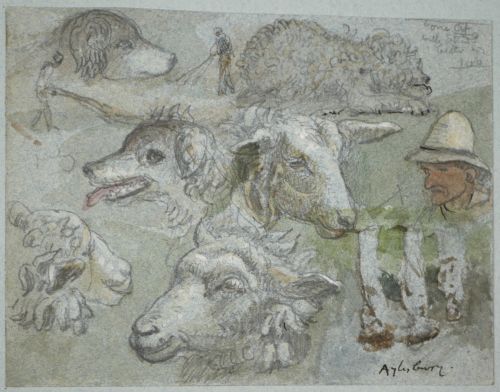
Artists also produced animal studies, domestic genre scenes, and religious or allegorical compositions influenced by academic teachings and historical masters.
How do you date a pencil sketch?
Dating relies upon visible handwritten dates, artist life spans, stylistic indicators, and the physical characteristics of the paper stock itself. Regency works often feature softer neoclassical lines, whereas late-century pieces may show symbolist or academic realism traits.
Watermarks in the paper can additionally help narrow down the period of manufacture when examining works removed from old sketchbooks.