


Framed Graphite Drawing
These framed graphite drawing selections offer intimate monochrome portraits and studies spanning the eighteenth century to the mid-twentieth century.
Framed Graphite Drawing
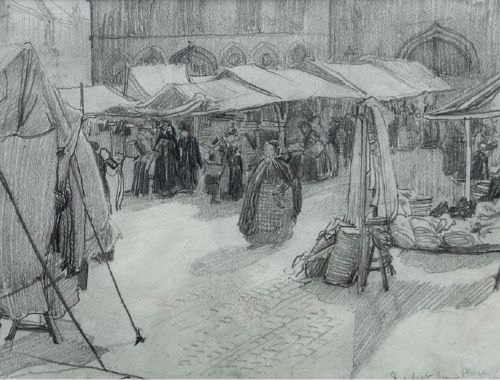
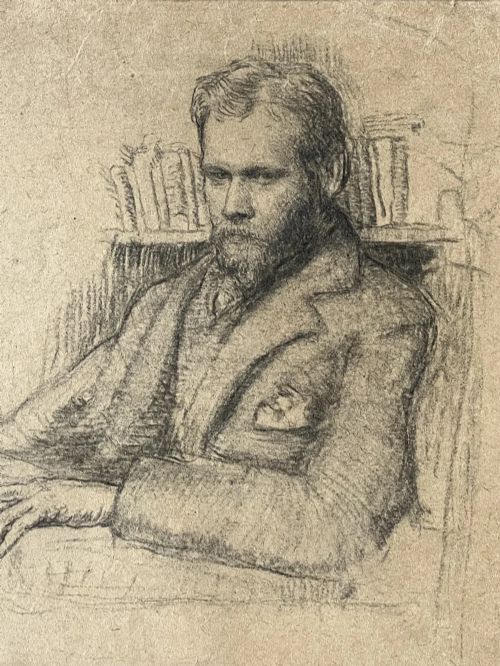
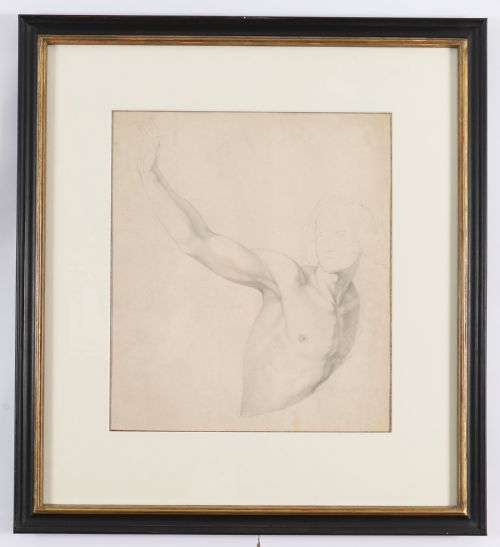
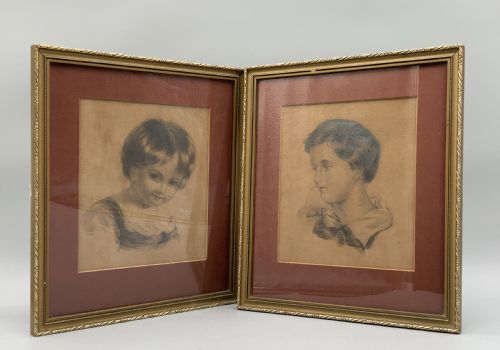
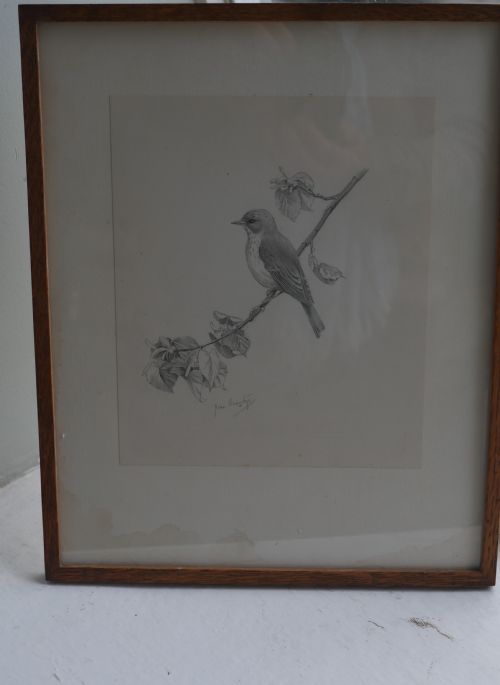
A framed graphite drawing captures preparatory studies, finished portraits and detailed sketches executed predominantly in pencil, plumbago or charcoal on paper. When looking at this page, buyers meet works ranging from eighteenth-century plumbago miniatures to mid-twentieth-century figure studies and architectural sketches. These monochrome pieces record human faces, landscapes, animals and classical subjects through direct mark-making.
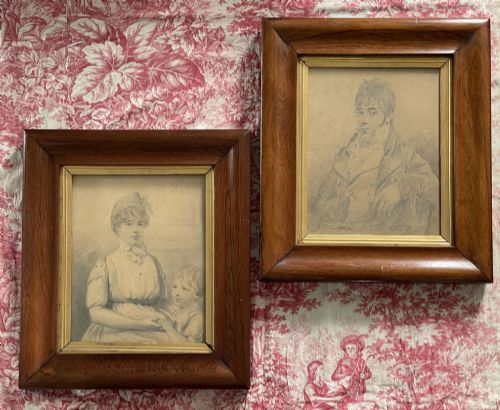
The periods represented stretch across Georgian, Regency, Victorian and modern British eras, reflecting shifting academic standards and private sketching habits. Portraiture dominates the selection, appearing alongside architectural views of places like Dublin and Cambridge, as well as domestic scenes and animal studies. Many of these drawings retain their period frames, glazed fronts and supportive backing boards.
How They Were Made
Artists utilise graphite pencils, plumbago, charcoal and chalk applied directly to various grades of handmade or machine-made paper. Plumbago works involve finely ground natural graphite mixed with clay, producing crisp, miniature detail often associated with eighteenth-century portraiture. Softer charcoal and graphite sticks allow for broader tonal blocking, evident in atmospheric nineteenth-century figure studies.
Framing methods incorporate wood mouldings, occasionally accented with gold leaf or gilt finishes to complement the monochrome artwork behind glass. The glass protects the delicate paper surface and friable graphite particles from atmospheric moisture and handling damage over the centuries.
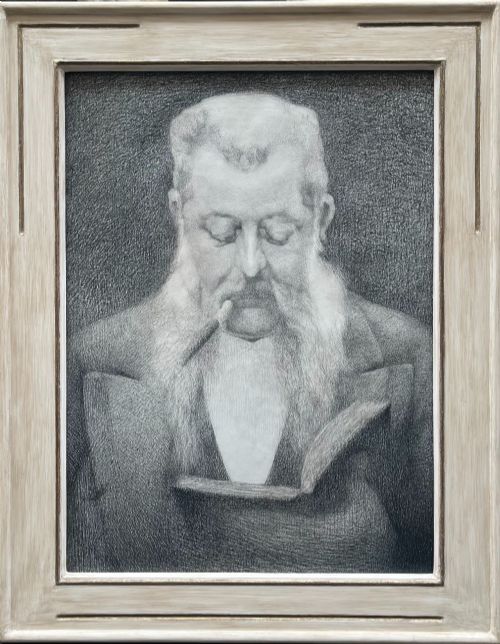
Among the drawn subjects are a cheeky dog in the kitchen and a gentleman with a cigar.
What Varies in Quality
Draftsmanship and anatomical precision distinguish accomplished academic works from looser, untrained sketches. Stronger pieces demonstrate confident control of tone, line weight and light, capturing expression and texture with minimal hesitation.
The historical significance of the sitter or the documented attribution to a known hand elevates specific sheets above anonymous domestic exercises. Preservation of the paper substrate, minimal foxing and the presence of original period framing also influence the standing of an individual drawing.
Henry Percy Huggill·Augustus John·John Taylor·James Ferguson·Ozias Humphry·Fred Lawson·Juliet Pannett
The Framed Graphite Drawing Glossary
- Plumbago
- An early form of graphite drawing often executed with extreme precision, highly popular for detailed portrait miniatures during the eighteenth century.
- Academic Realism
- A style of painting and drawing produced under the influence of European art academies, prioritising strict anatomical accuracy and traditional techniques.
- Grisaille
- A painting or drawing executed entirely in shades of grey or neutral monochrome, designed sometimes to imitate sculpture.
- Symbolist
- An art movement focusing on internal psychological experiences and metaphorical imagery rather than strict naturalistic representation.
Framed Graphite Drawing: Frequently Asked Questions
How should I hang these drawings?
Keep framed graphite works out of direct sunlight to prevent the paper from yellowing and the graphite or charcoal from fading over time.
Position them at eye level in stable indoor environments away from excessive humidity or temperature fluctuations.
What is plumbago?
Plumbago refers to an early term for graphite, used specifically to describe highly detailed miniature portraits created during the eighteenth century.
These works rely on sharp, fine lines and delicate tonal shading to achieve photographic levels of detail before modern pencils became widespread.
Are these works original?
The selection consists of original hand-drawn works on paper rather than mechanical reproductions or prints.
Signatures, artist stamps, period inscriptions and subtle impressions in the paper surface confirm their direct creation by the artist's hand.
How do I date an antique drawing?
Dating relies on stylistic clues, framing methods, artist biographies, and period inscriptions recorded on the front or verso of the paper.
Costume details, hairstyles and paper watermarks also help narrow down the decade or reign in which the piece was produced.