
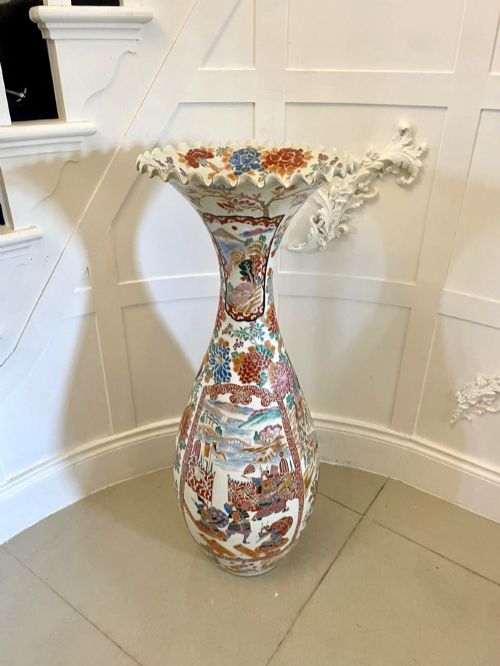
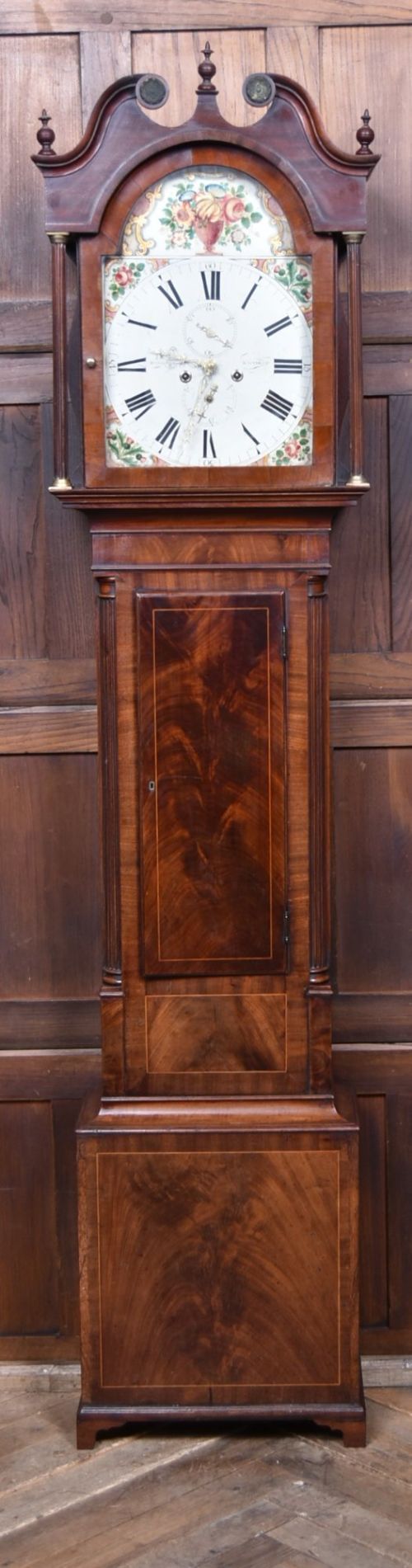
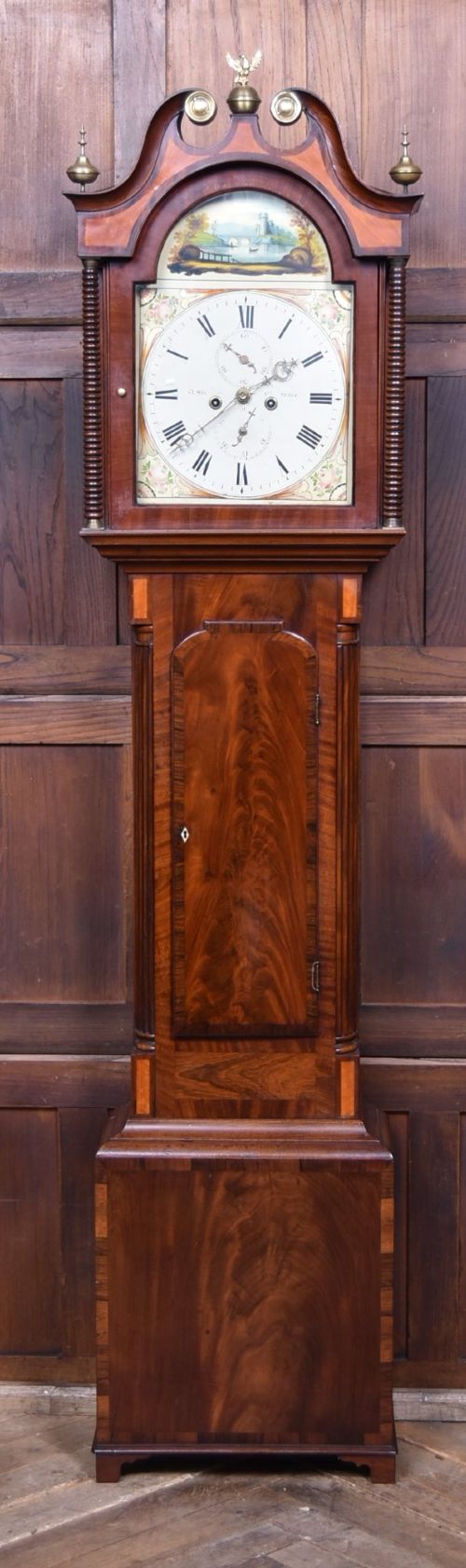

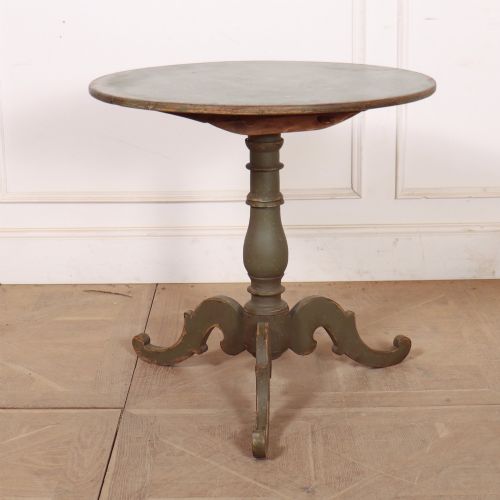
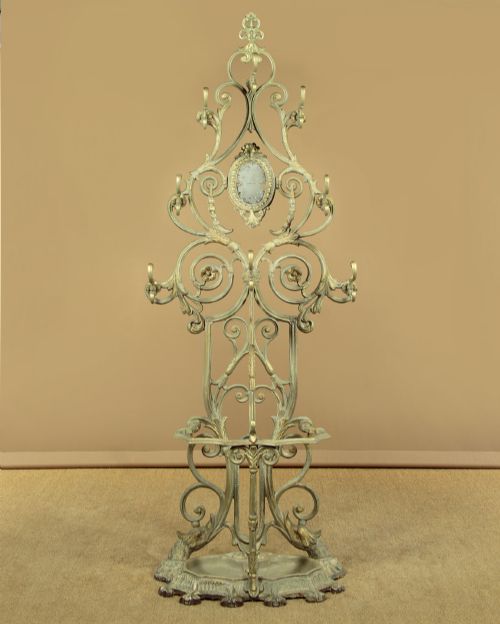
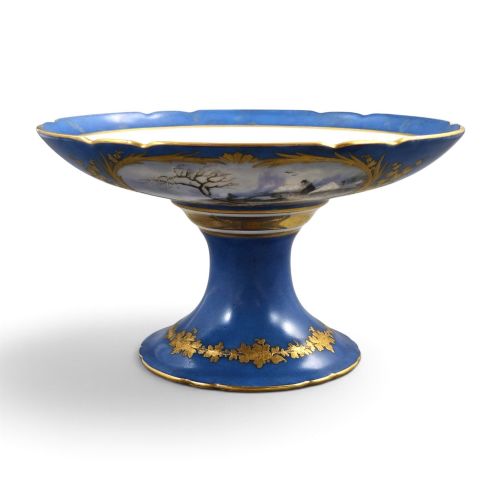
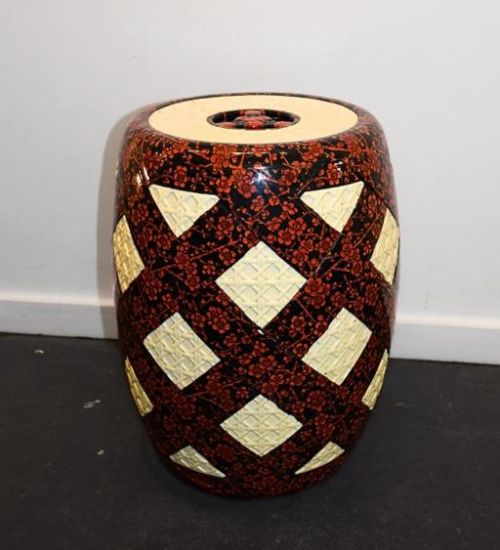

19th Century Painted Stand
When you want a 19th century painted stand, you are seeking functional decorative furniture that brings period colour and character to a room.
19th Century Painted Stand
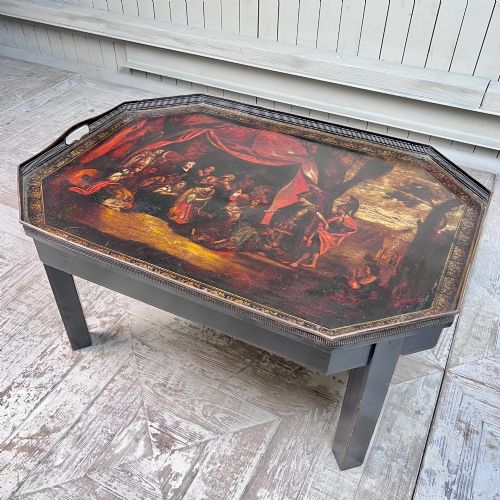
A 19th century painted stand encompasses a varied group of furnishings designed to elevate, support, or display other objects within the home. Buyers searching this phrase encounter practical washstands, plant holders, umbrella racks, console tables, and pedestals dating across the Victorian, Regency, and Georgian eras.
The regional diversity is wide, ranging from Swedish country pine pieces and French grey-painted consoles to English dairy stands and Venetian polychrome examples. Domestic utility dictates many forms, resulting in specialised items like saddle stands, luggage racks, and towel rails finished in original surface coatings.
Form follows function closely in these domestic items, whether constructed for a hallway, bedroom, or garden room. The survival of original paint surfaces on pine, iron, and hardwoods remains a primary draw for collectors seeking authentic period patina.
Materials and Technique
Construction relies heavily on traditional timber framing, with native pine and mahogany serving as the primary structural materials for domestic stands and washstands. Joinery techniques from the period involve pegged mortise and tenon joints, hand-cut dovetails, and turned wooden components that provide sturdy support.
Surface decoration defines the category, utilising oil-based paints, milk paints, lacquers, and parcel-gilt details applied over prepared wood, cast iron, or wrought iron. Smiths and joiners worked in tandem on outdoor and hallway items, shaping iron into scrollwork and lattice baskets before applying protective finishes.
Decorative elements often incorporate hand-painted motifs, folk art designs, or marble tops set into wooden frames. The application of multiple paint layers over the decades has created the craquelure and weathering prized by modern collectors.
Assessing Quality
The integrity of the original surface finish dictates much of the distinction between average pieces and superior examples. Stands retaining untouched period paintwork command greater appreciation than those stripped or heavily repainted in later years.
Execution of form and structural proportion separates standard utilitarian items from finer decorative pieces. Superior items display refined turning, balanced proportions, and careful integration of decorative elements like iron scrollwork or carved details.
The harmony between the object's original purpose and its surviving condition reveals its true standing. Pieces that maintain their structural stability alongside authentic surface wear represent the pinnacle of the category.
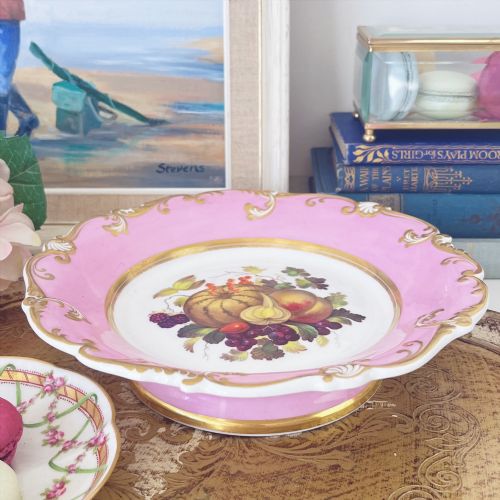
H & R Daniel·Grainger's Worcester·Coalport·Mintons
The 19th Century Painted Stand Glossary
- Washstand
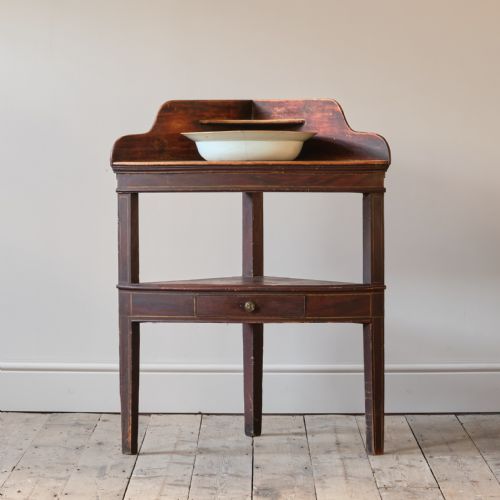
- A small table or cabinet designed to hold a basin and jug for personal washing. These frequently feature splashbacks and painted pine construction.
- Torchere
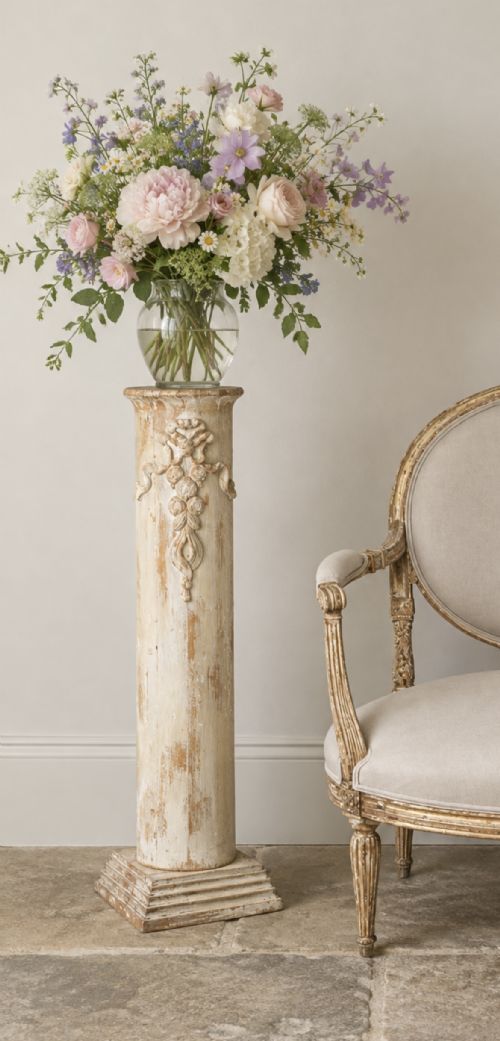
- A tall ornamental stand intended to carry a candelabrum or lamp. In 19th century examples, these are often carved, painted, and parcel-gilded.
- Jardiniere
- A decorative receptacle or stand for holding flowering plants or ferns. They appear in cast iron, terracotta, and porcelain-mounted wood.
- Polychrome
- Decorated in multiple colours. This term frequently describes the vibrant painted surfaces found on Venetian and Continental stands.
- Wirework
- Structural framework formed from interwoven or welded wire. English makers utilised this technique for lightweight, airy plant stands.
19th Century Painted Stand: Frequently Asked Questions
How do I care for original paint?
Original painted surfaces require gentle maintenance to preserve the historic patina and prevent flaking. Keep pieces away from direct sunlight and excessive moisture fluctuations.
Dusting with a dry, soft cloth is sufficient for daily care. Avoid modern chemical solvents and harsh polishes that can strip fragile historical layers.
Where were these stands used?
These stands served practical roles throughout 19th century homes, hallways, and gardens. Hallways accommodated umbrella and stick stands, while bedrooms utilised washstands and luggage racks.
Garden rooms and verandahs featured cast iron and wirework plant stands designed to withstand outdoor conditions. Their placement depended entirely on daily domestic utility.
How do I identify a Regency stand?
Regency stands often display neoclassical influences, including classical columns, restrained scrollwork, and painted finishes designed to imitate more expensive materials. Proportions during this period tend to be strict and architectural.
Details such as gilt highlights and specific turning styles help separate Regency pieces from later Victorian equivalents. Examining the construction timber also aids in dating.