


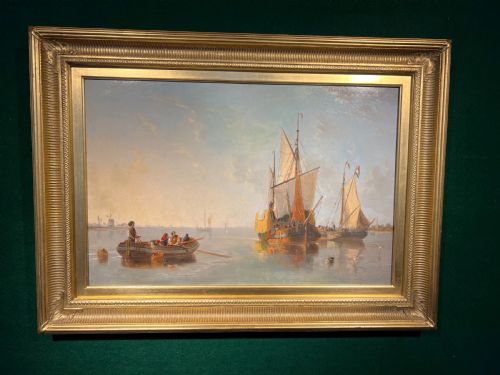
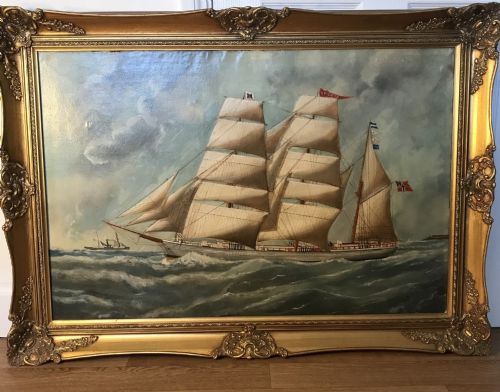
19th Century Oil Seascape
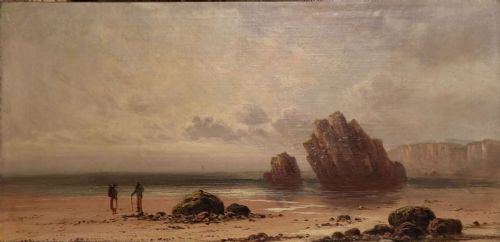
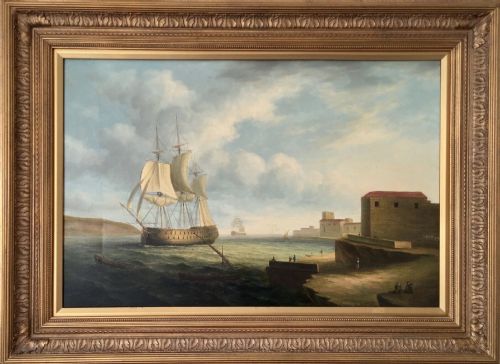
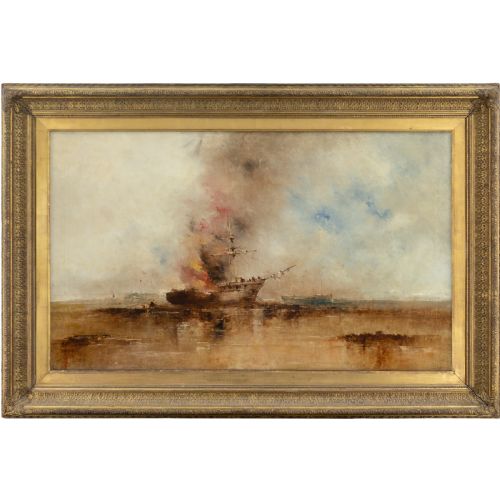
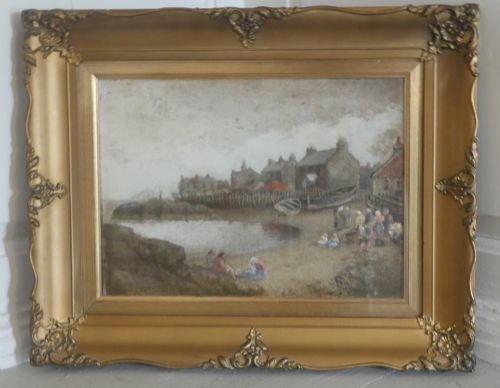
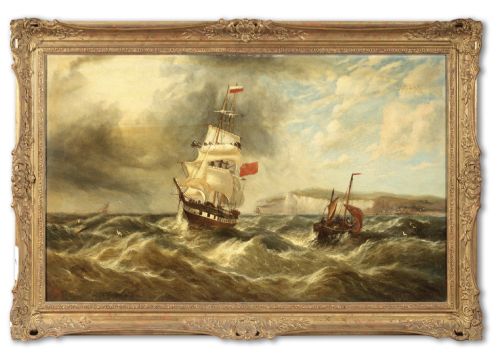
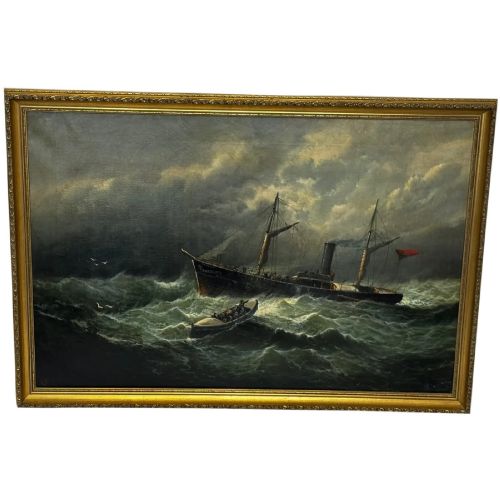
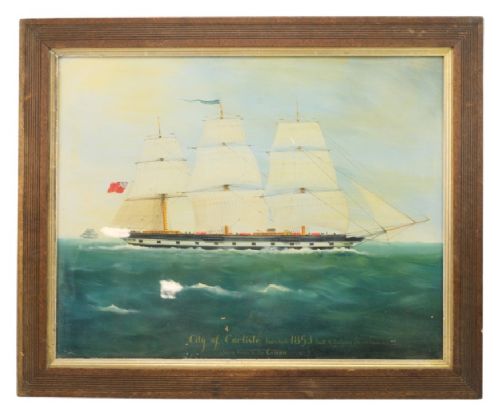
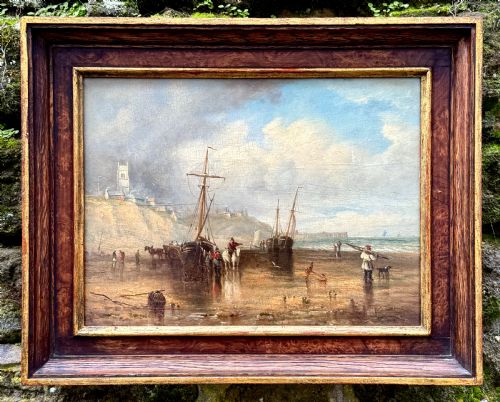
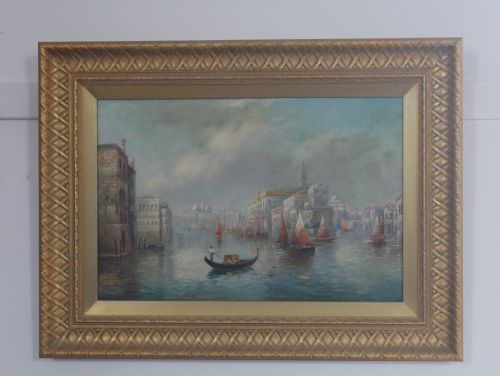
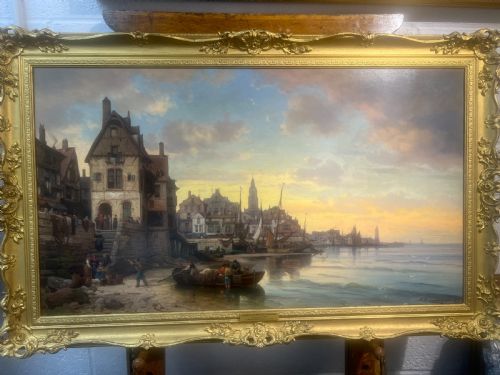
These 19th century oil seascapes capture dramatic maritime scenes, bustling harbours, and crashing coastal waves that bring historic nautical atmosphere directly into a room.
19th Century Oil Seascape
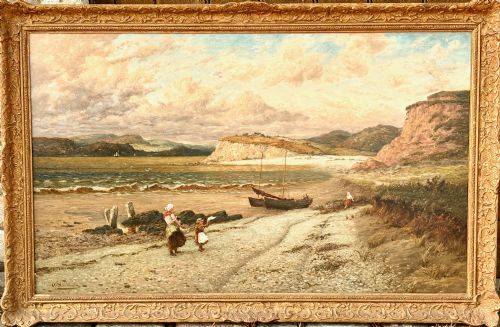
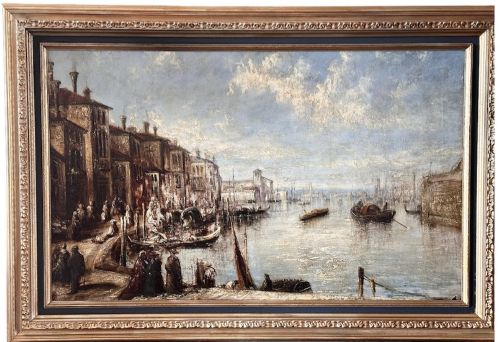
A buyer examining a 19th century oil seascape encounters a rich variety of maritime subjects ranging from calm coastal harbours and fishing boats to dramatic storms and warship engagements. These works span the Victorian era, offering glimpses of British and European shores, bustling ports, and tranquil estuaries.
Works on this page predominantly feature framed oil paintings executed on canvas, board, or wood panel. Many pieces present historical coastal landmarks, merchant shipping, and local fisherfolk plying their trade against changing tides and skies.
How They Were Made
Artists of this era built their compositions using oil paint applied to stretched canvas, wooden panels, or card supports, often working both in the studio and plein air. Brushes and palette knives layered pigment to render the shifting textures of water, sky, and coastal rocks.
Finished canvases were commonly housed in heavy decorative gilt wood frames or gold leaf surrounds that enhanced the luminance and depth of the maritime subject matter.
Several canvases record stubborn seagulls watching from rocky sea stacks while local fishermen haul in their daily catch.
What Varies in Quality
Quality in these maritime works rests upon the artist's handling of atmospheric light, fluid movement, and the structural accuracy of rigging and hull construction. Masterful painters convey the weight of heavy seas and the specific qualities of coastal air with assured brushwork.
The sophistication of the accompanying giltwood frame and the preservation of the original paint surface significantly influence the overall integrity and visual impact of the piece.
James Hardy·William McAlpine·John Rose Miles·William Broome·Francis Moltino·Bernard Benedict Hemy·Thomas Creswick·Charles Euphraisie Kuasseg·John Wilson Carmichael·Joseph Farquharson·John Moore of Ipswich·William Henry Williamson·John Holland·Abraham Hulk I·Charles William Wyllie·William Edward Webb·Gustave De Bréanski·Pieter Cornelis Dommersen·Adrian Van Porten·Anthony Graham·T Galt·Edward William Cooke·Charles Williams·William James S Crampton·Vickers
The 19th Century Oil Seascape Glossary
- Seascape
- A painting depicting the sea, coastal views, ships, or marine activities. These works focus primarily on water and weather conditions.
- Giltwood
- Wood carved and covered with gold leaf or gilt paint to create an ornate frame. Such surrounds were standard for high-status Victorian paintings.
- Panel
- A rigid wooden support used by artists instead of canvas. Oil on panel often yields a smooth, detailed surface finish.
- Plein air
- Painting outdoors to capture natural light and direct observations of weather and sea. This approach became increasingly popular during the nineteenth century.
- School
- A group of artists working in a similar style or region during a specific period. Attributions to a particular school often denote regional artistic traditions.
19th Century Oil Seascape: Frequently Asked Questions
What subjects appear in these paintings?
The artworks display a wide array of maritime subjects, including fishing boats returning to harbour, merchant ships in rough seas, and calm coastal inlets.
Views frequently record specific British and European coastal locations, local maritime architecture, and figures working along the shore.
How should I hang an oil seascape?
These works require secure wall placement away from direct sunlight and sudden temperature shifts to protect both the oil paint and the canvas support.
Displaying them at eye level in rooms with adequate ambient light allows the details of the water and sky to be fully appreciated.
Are these paintings signed by the artist?
Many pieces bear signatures, monograms, or dates applied by the artist, while others are attributed to specific regional schools or makers based on style and technique.
Documentation and framing often provide additional context regarding the origin and period of the maritime work.
What framing do these artworks use?
Most pieces retain their period frames, typically constructed from gilt wood or gold leaf to complement the tones of the oil painting.
These decorative surrounds reflect nineteenth-century framing traditions and enhance the visual presence of the seascape.