
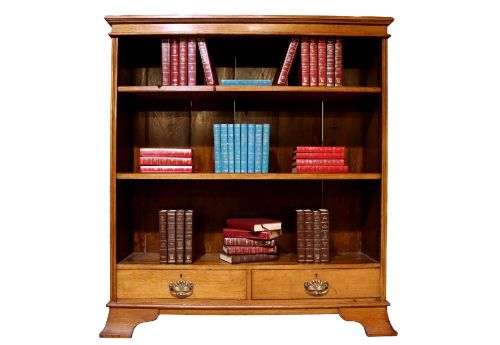


19th Century Oak Shelf
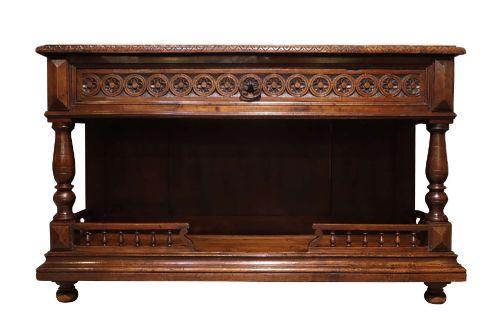
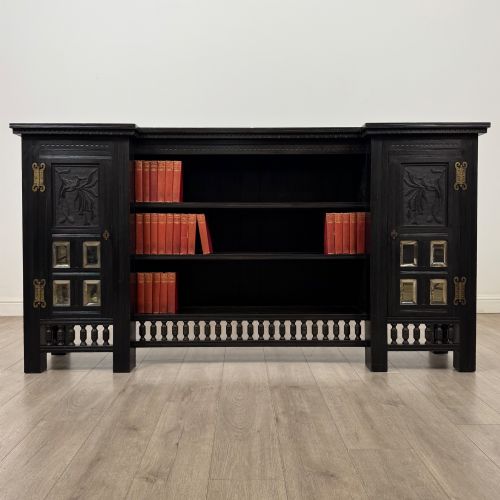
A 19th century oak shelf delivers honest timber utility, bringing sturdy joinery and warm grain to any wall.

19th Century Oak Shelf
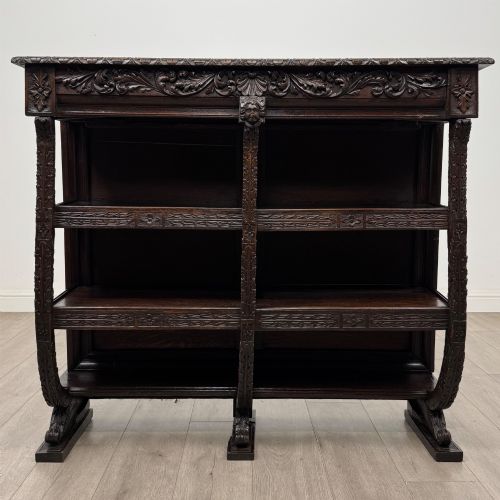
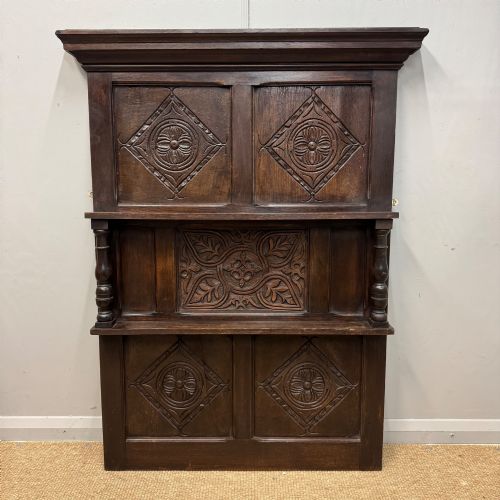
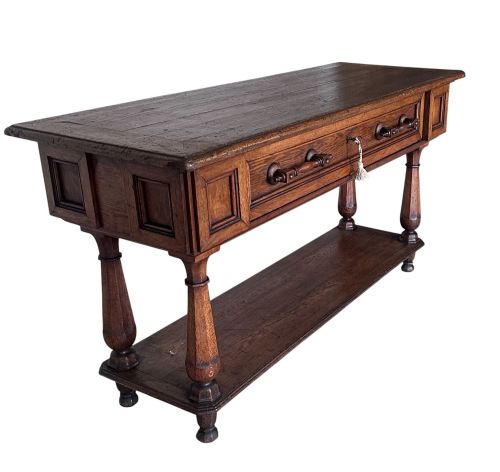
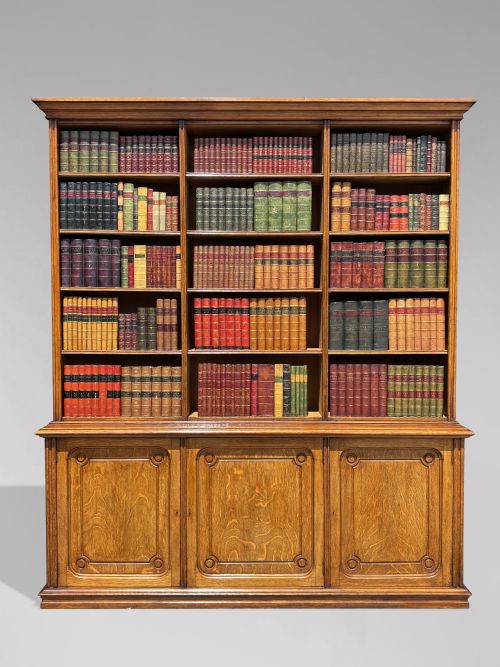
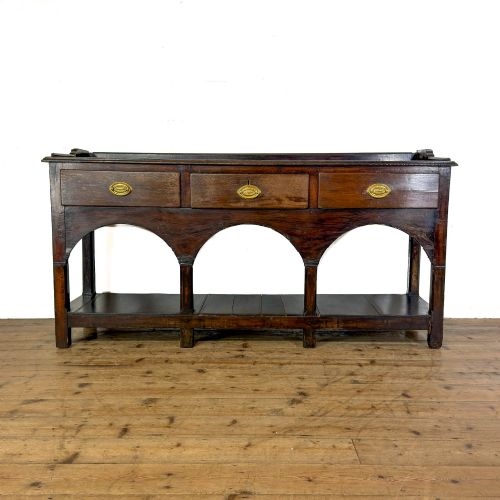
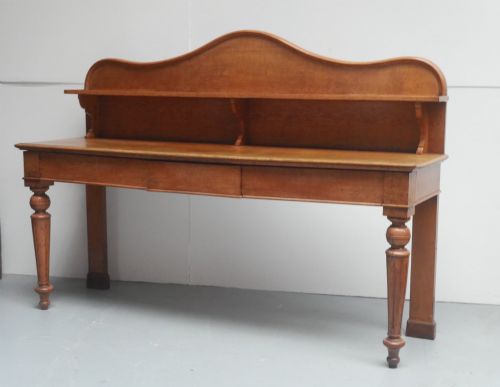
A 19th century oak shelf spans practical wall-mounted boards, hanging hat racks with coat hooks, and architectural display ledges originating from British, Irish, and French provincial workshops. These items combine everyday domestic storage with the heavier decorative carved motifs of the Victorian, Regency, and Gothic Revival eras.
The version most likely to meet you on this page is a straightforward wall-mounted board or carved ledge, often salvaged from larger country house fittings or designed specifically for provincial hallways and parlours. They appear alongside related oak items such as open bookcases, dresser bases, and corner cupboards.
Makers utilised the dense timber's natural strength to support heavy volumes, kitchen wares, and display collections without warping under load. The surface character relies entirely on decades of accumulated wax polish and the deep figuring inherent in matured oak boards.
What varies in quality
The standard of carving sets simpler utilitarian boards apart from high-status country house pieces, moving from plain chamfered edges to deep relief work featuring geometric strapwork or botanical motifs. Crisply executed details indicate a master hand working within established Gothic or Renaissance revival idioms.
Timber selection dictates the visual weight of the piece, with quartersawn oak displaying prominent medullary rays that create a silver-grain figure under polish. Straight-grained boards offer a quieter uniformity, while pollard oak variations introduce intense swirling patterns across the display surface.
Several items on this page include tiny peg hooks originally designed for hanging pocket watches near the bed.
DeLa Salle And Christie·Beha
The 19th Century Oak Shelf Glossary
- Quartersawn oak
- Timber cut radially through the growth rings, producing distinctive medullary ray flecks known as mirror figure. This method yields more stable boards less prone to warping.
- Gothic Revival
- A nineteenth-century architectural and decorative style inspired by medieval forms. It manifests through pointed arches, trefoils, and heavy structural mouldings on furniture.
- Pollard oak
- Timber harvested from trees that have been pollarded, resulting in dense, highly decorative circular growth patterns. It was favoured for high-status Victorian cabinet work.
- Dovetail
- A traditional box joint formed by interlocking wedge-shaped fingers. It provides exceptional tensile strength for drawer corners and shelf assemblies.
19th Century Oak Shelf: Frequently Asked Questions
How do I hang a heavy oak shelf safely?
Heavy oak shelves require direct fixing into masonry walls or timber studwork using appropriate steel brackets screwed through the backplate. Distributing the weight across multiple fixing points prevents the aged timber from splitting under load.
Ensure the wall plugs match the composition of your plaster or brickwork before mounting any antique shelf intended to hold books or heavy ceramics.
How do I clean nineteenth-century oak furniture?
Maintain the surface by dusting with a dry, soft cloth and applying a traditional beeswax paste sparingly once or twice a year. Avoid modern silicone sprays, which penetrate the open grain and degrade the historic patina.
Buff the wax gently after application to preserve the natural lustre developed over generations of domestic use.
What is the difference between Gothic and Victorian oak pieces?
Gothic pieces rely specifically on medieval architectural motifs like pointed arches, heavy chamfering, and religious tracery. Victorian items encompass a broader range of revival styles, including Renaissance, Arts and Crafts, and aesthetic movement designs.
Many nineteenth-century pieces combine these influences, featuring Gothic structural forms alongside Victorian manufacturing techniques.
Can I use these shelves in a modern kitchen?
These timber shelves integrate well into modern kitchens for storing everyday dishware or displaying dry goods. The natural oils in mature oak provide moderate resistance to domestic environments.
Keep them away from direct steam exposure or water splashes to protect the antique wax finish and prevent the wood from expanding.