
19th Century Oak Furniture
These pieces of 19th century oak furniture bring robust timber and enduring utility into modern rooms.
19th Century Oak Furniture
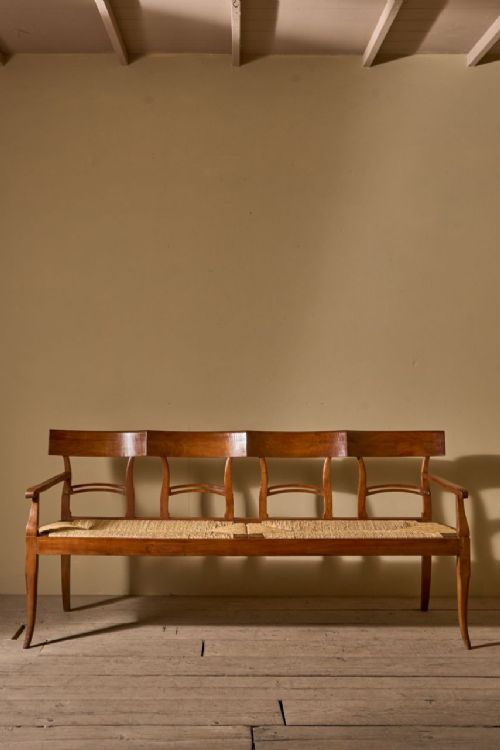
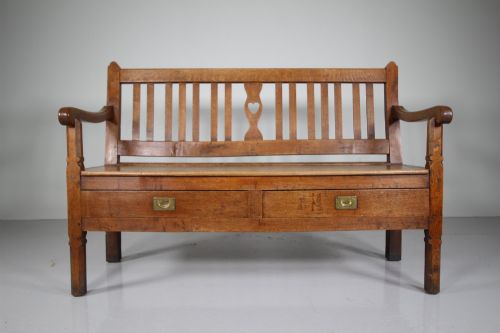
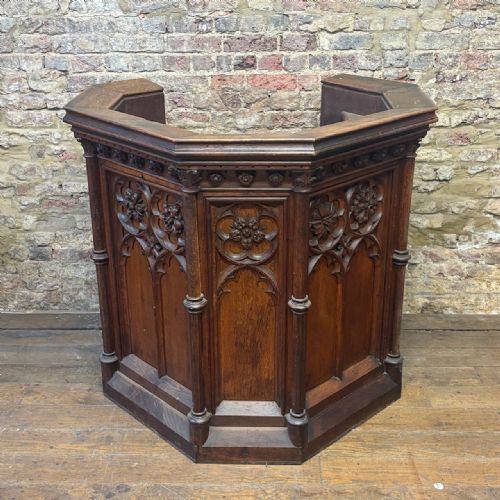
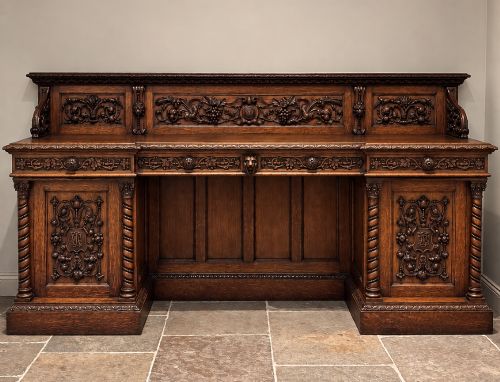
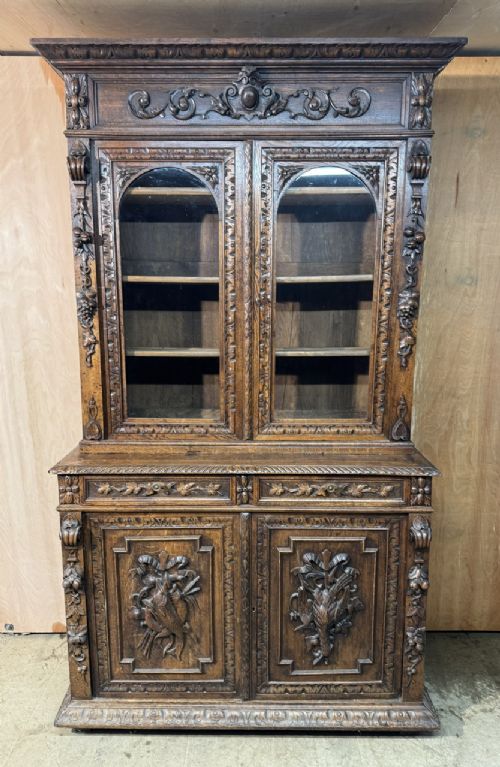
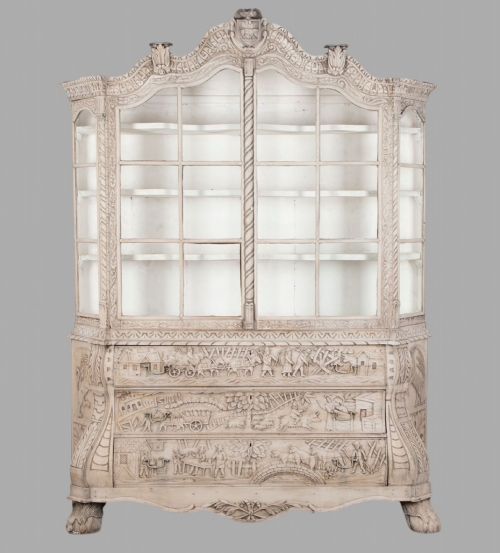
When you search for 19th century oak furniture, you encounter a diverse array of utilitarian and decorative forms spanning the entire Victorian and Georgian eras. The selection ranges from robust country seating and heavy sideboards to intricate Gothic Revival pulpits and display cabinets.
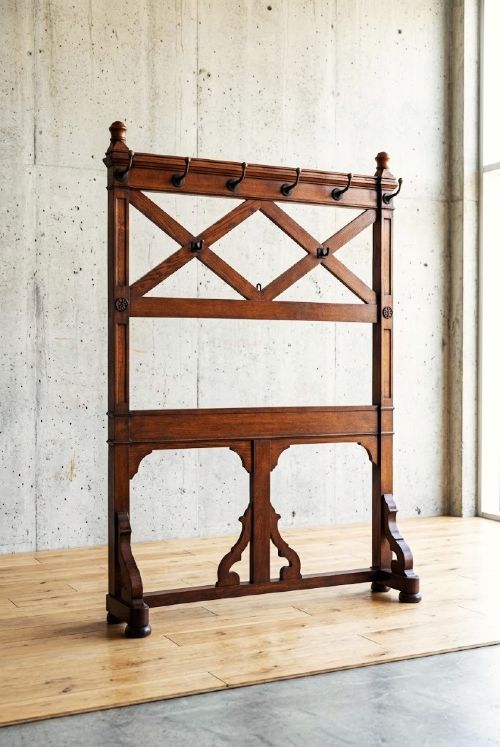
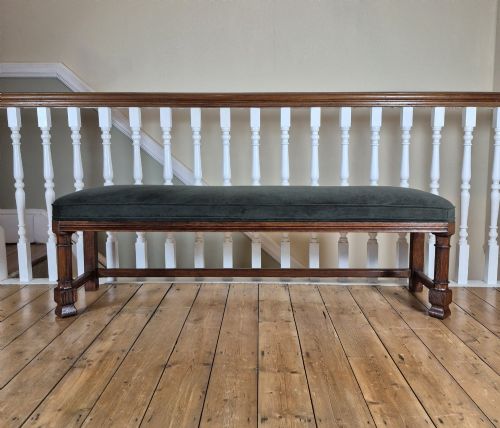
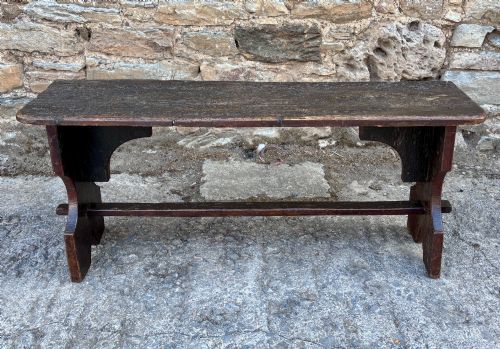
Regional pieces feature prominently, including Welsh country cupboards, Irish hall benches, and French provincial buffets. Buyers frequently meet functional items such as campaign chests, writing tables, and hall benches alongside specialised objects like artists' studio easels and church furniture.
Materials and construction methods
Solid oak forms the primary structural substance, often supplemented by decorative timbers such as pollard oak, burr oak, fruitwood, and sycamore. Joinery relies on traditional methods including jointed construction, carving, and occasional inlay work.
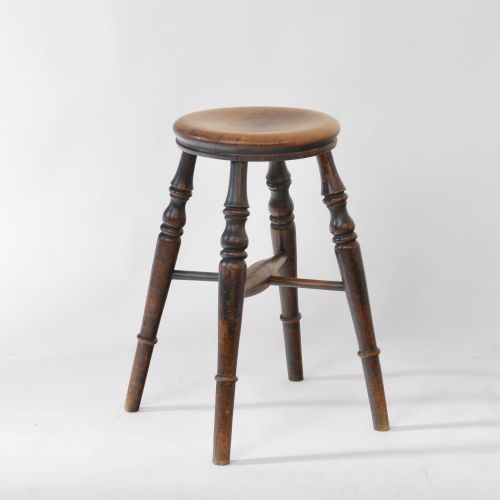
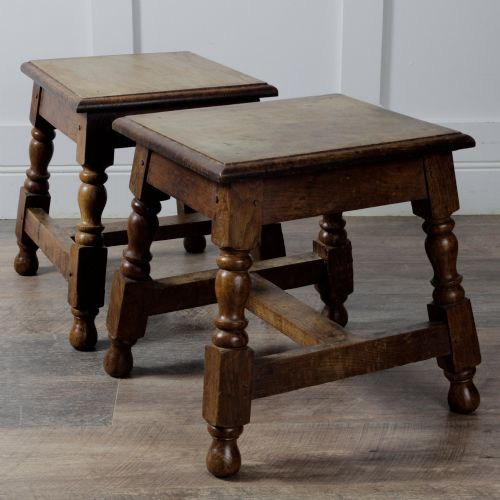
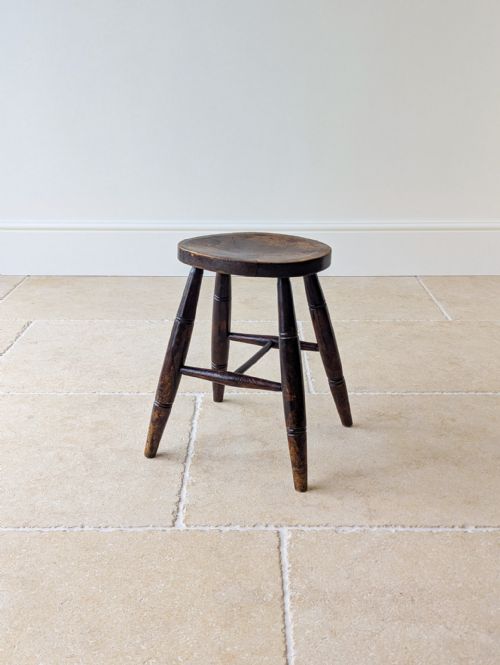
Metal and leather details frequently appear alongside the timber framework. Brass mounts, iron hardware, glass display panels, and velvet upholstery complete pieces ranging from simple tavern stools to elaborate sideboards.
Among the heavy sideboards and sturdy benches, an adjustable artist's easel waits to hold your morning painting.
Differences in standard and design
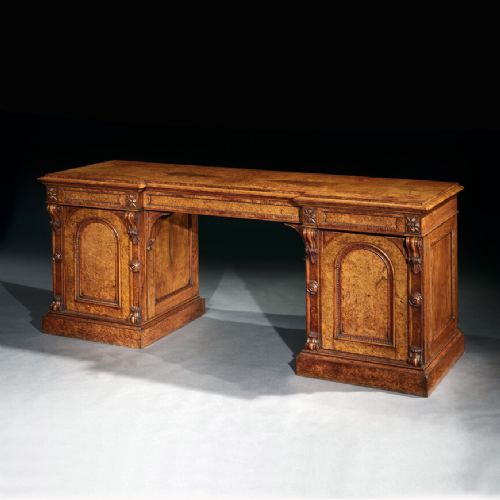
Distinctions in quality arise from the depth of carving and the selection of figured timber varieties like pollard or burr oak. Pieces bearing maker stamps or specific regional attributions demonstrate higher provenance and workshop distinction.
Proportion and architectural execution dictate overall refinement, separating standard provincial workshop output from exceptional architect-designed commissions in the Gothic Revival or Aesthetic Movement styles.
GIllows·Strahan
The 19th Century Oak Furniture Glossary
- Pollard oak
- Timber taken from trees that have been pollarded, producing a richly textured and highly figured grain pattern. This decorative wood is frequently utilised for table tops and prominent cabinet facades.
- Gothic Revival
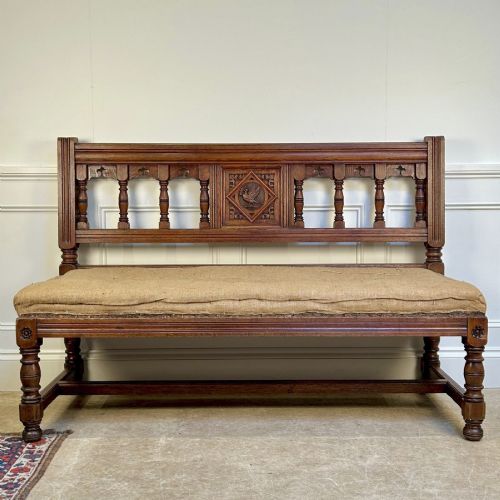
- A design style inspired by medieval architecture, characterised by pointed arches, tracery, and heavy carved ornamentation. This aesthetic dominates much of the ecclesiastical and domestic seating from the period.
- Coffer bach
- A small Welsh chest traditionally used for storing valuables or household linen. These compact storage items often feature pegged joints and regional vernacular detailing.
- Campaign chest
- A modular chest of drawers constructed in sections with brass corners and recessed handles for military transport. These sturdy items were designed for easy dismantling by travelling officers.
19th Century Oak Furniture: Frequently Asked Questions
How do I identify a Gothic Revival oak piece?
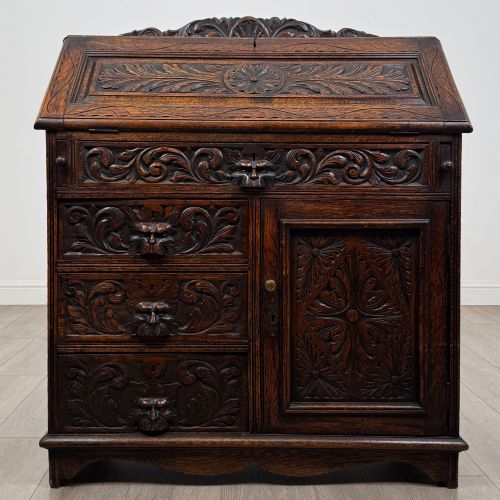
Look for characteristic architectural motifs such as pointed arches, quatrefoils, and heavy relief carvings depicting figures like the Green Man. These elements frequently appear on church furniture, hall benches, and side tables from the middle decades of the century.
Constructed from solid timber, these items often display Pugin-influenced designs that echo medieval ecclesiastical architecture. The joinery remains robust, frequently utilising pegged joints and dark patinated surfaces.
What is a coffer bach?
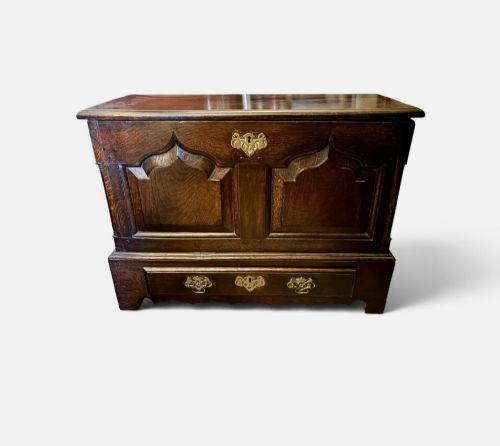
A coffer bach is a small Welsh storage chest traditionally produced during the early part of the century. These miniature blanket boxes were often given as wedding gifts or tokens of affection.
They sit low to the ground, feature hinged lids, and display the distinct grain of regional oak. Their domestic scale makes them versatile storage additions for contemporary interiors.
Are campaign chests sturdy enough for daily use?
Campaign chests were originally engineered for military officers on the move, requiring exceptional structural durability. The multi-section design is braced with brass corners and hardware intended to withstand rigorous transport.
Today, these drawers function reliably in domestic settings due to their heavy hardwood construction. The recessed handles and sectional build provide both practical storage and distinctive historical character.
How do I date a piece of nineteenth century oak?
Dating relies on stylistic shifts visible across the decades, transitioning from Georgian vernacular forms to ornate Victorian Gothic Revival and later Arts and Crafts simplicity. Hardware, construction techniques, and documented maker stamps provide further chronological markers.
Examining the secondary timbers and joinery methods helps narrow the period of origin. Pieces dated to specific years or decades offer clear benchmarks for comparative dating.