
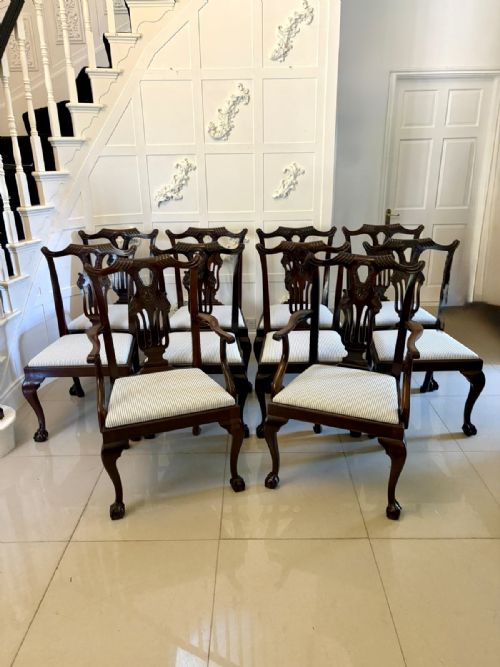


19th Century Irish Seating
19th century irish seating brings substantial craftsmanship and regional character to a room, ranging from robust vernacular stools to formal mahogany chairs.
19th Century Irish Seating
When you search for 19th century irish seating, you encounter a distinct blend of formal revival styles and rugged country vernacular forms.
The pieces on this page span several decades of the nineteenth century, including the Victorian era and the Regency period.
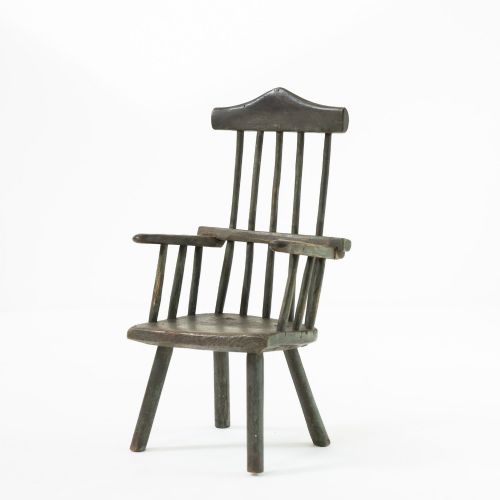
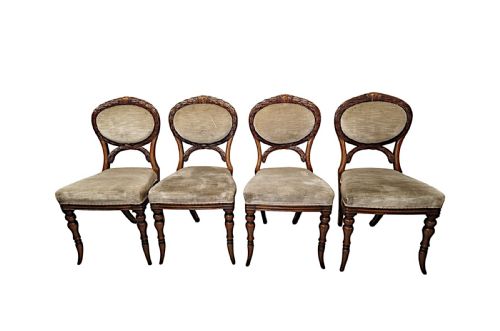
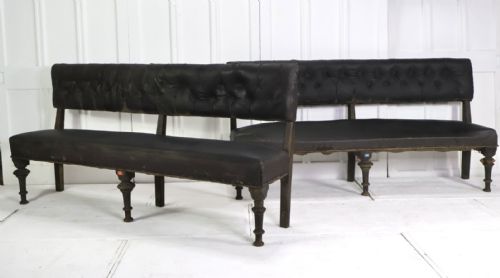
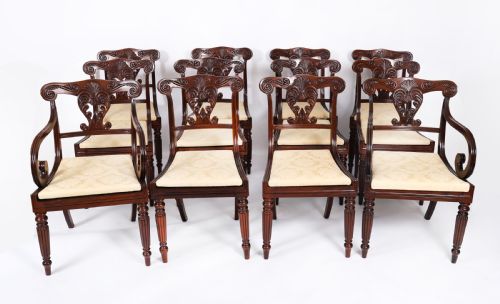
Common forms in the evidence include dining chairs, armchairs, children's armchairs, hall benches, settees, hall chairs, side chairs, and stools.
Materials and construction
Makers utilised solid timbers such as mahogany, oak, ash, and various hardwoods to build durable frames that survive today.
Seating surfaces often feature traditional upholstery, leather, velvet, painted finishes, or plaited straw known as súgán.
Carved details, ball and claw feet, stick backs, bar backs, and X-frames demonstrate the range of workshop techniques employed.
Children's armchairs appear in miniature scale, offering exact stylistic details of adult seating.
Judging quality
The distinction between ordinary and exceptional pieces lies in the crispness of the carving, the selection of timber, and the integrity of the original construction.
Makers' marks or stamps add historical weight, separating standard regional workshop output from documented cabinet-maker production.
Proportion and balance dictate the presence of a piece, whether it is a rustic country bench or a carved revival armchair.
Strahan of Dublin·Butlers of Dublin
The 19th Century Irish Seating Glossary
- Súgán
- A traditional plaited straw seat found on regional Irish chairs. This organic material provides a resilient and comfortable base.
- Stick back
- A chair construction method where turned spindles are tenanted directly into a solid wooden seat. It defines many primitive vernacular forms.
- Bar back
- A chair design featuring a horizontal wooden slat across the upper backrest. This form appears frequently in Regency dining sets.
- X-framed
- A form of chair or stool supported by intersecting diagonal members creating an X shape. It often borrows from earlier George II revival aesthetics.
- Carver
- An armchair designed to match a set of dining chairs, usually positioned at the head of a table. These pieces often feature more elaborate arms and carving.
19th Century Irish Seating: Frequently Asked Questions
How do I identify irish vernacular chairs?
Irish vernacular chairs typically display regional building methods, utilising local timbers like ash and straightforward stick-back or súgán construction. They prioritize utility and local tradition over courtly revival styles.
Look for honest patination and simple lines that reflect the domestic or rural workshops of their origin.
Are these chairs suitable for daily dining?
Many nineteenth-century sets were built for dining and remain sturdy enough for regular use, provided the joints are sound and stable. Solid mahogany and oak frames handle daily wear well.
Consider the seat height and depth, as older proportions can differ from modern dining standards.
What is a súgán chair?
A súgán chair is a traditional seating form featuring a seat woven from straw or hay ropes. This method is deeply rooted in Irish country craftsmanship.
The woven organic surface offers a flexible and repairable base that characterises rural vernacular furniture.
How do revival styles differ from original periods?
Revival pieces produced in the nineteenth century reinterpret earlier aesthetics, such as Chippendale or George II designs, with Victorian manufacturing tolerances. They blend historical motifs with contemporary cabinet-making standards.
Examining the secondary timbers and tool marks helps distinguish these later interpretations from genuine eighteenth-century work.
Where were hall benches used?
Hall benches were placed in entrance halls and vestibules of country houses to provide seating for guests and family members arriving from outdoors. Their substantial wooden construction suited transitional spaces.
They often incorporated architectural carvings or storage elements suited to a grand entryway.