





19th Century Military Art
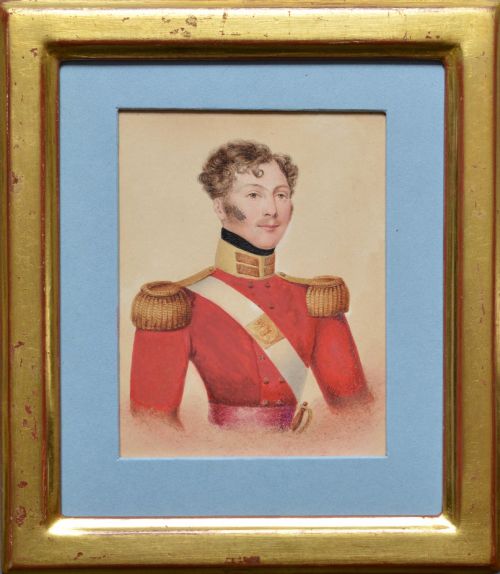
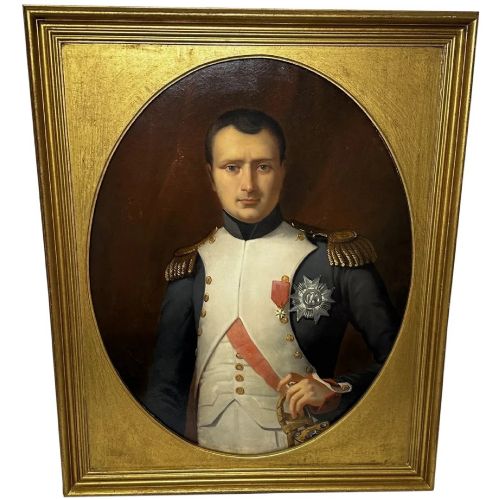
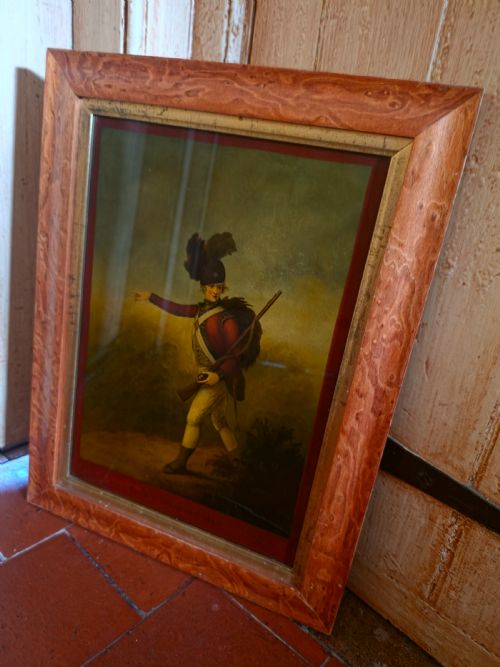
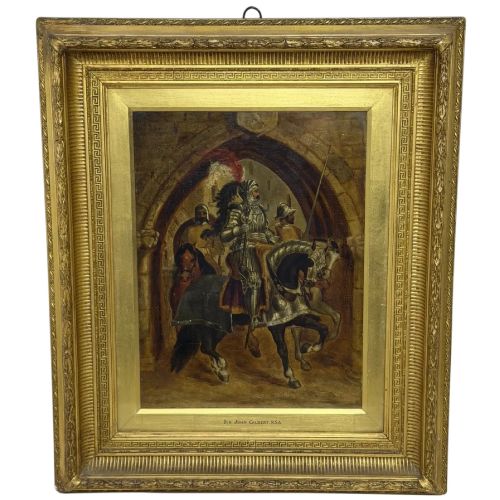
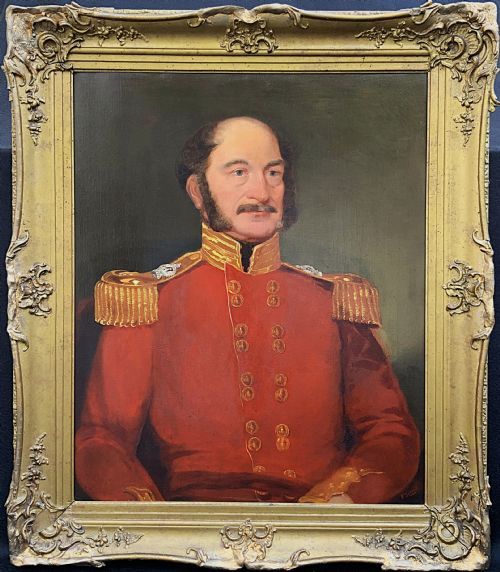
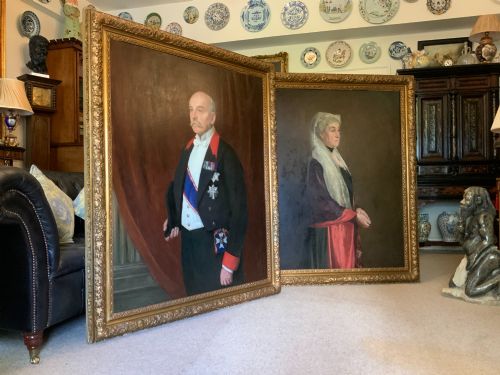
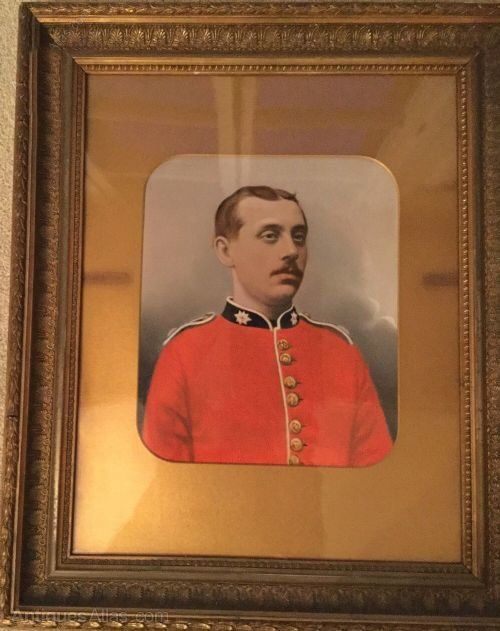
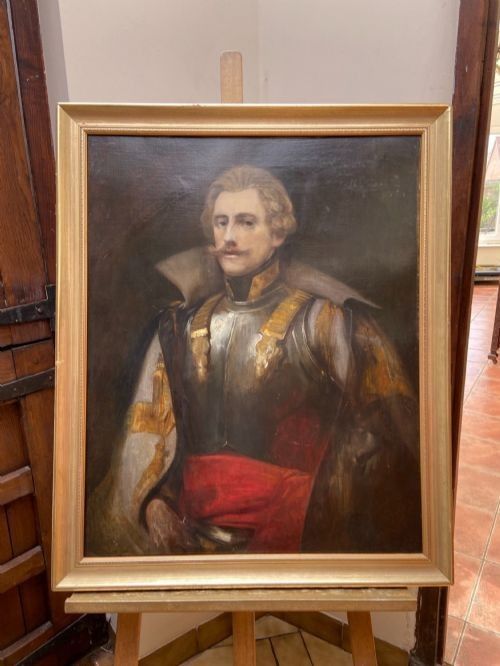
These pieces of 19th century military art capture officers, volunteers and campaigns through oil paintings, watercolours and ink sketches.
What 19th century military art is
Collectors seeking 19th century military art encounter portraits of officers, volunteer rifle soldiers and Hussars, alongside watercolour sketches. These works span the nineteenth century, including specific dates such as eighteen-seventy and nineteen-twenty, alongside broader nineteenth-century periods.
The objects take the form of oil paintings, framed art and works on paper, capturing military figures in uniform and landscape settings. Portraits of specific individuals, such as Lieutenant General George Morland Hicks and Sir John Larkin Cheese Richardson, appear alongside sets of watercolour sketches.
Victorian styles and nineteenth-century realism dominate the visual language of these pieces, reflecting the martial portraiture and campaign documentation of the era. Buyers frequently meet oil on canvas works alongside paper, ink, and watercolour compositions housed in wood and glass frames.
How they were made
Artists painted these subjects using oil paint and watercolour on canvas and paper supports. Ink and pencil were additionally utilised for preparatory lines and detailed sketches.
Finished works are typically housed in wooden frames, frequently protected behind glass to preserve fragile watercolours and ink drawings on paper.
Retail Price Guide 2026
Typical UK retail prices for 19th century military art, calculated from the Sellingantiques database of over a million retail prices indexed since 2003. This retail price guide relies exclusively on Sellingantiques data; no external sources or auction records are used, so the figures do not describe the wider market.
Listings feature oil paint, canvas, paper, watercolour, ink, wood, and glass across nineteenth-century periods.
What varies in quality
Quality rests upon the precision of the portraiture and the skill with which the uniform details and facial likenesses are rendered. Masterly brushwork in oil on canvas distinguishes accomplished portraits from simpler sketches.
The condition of the original canvas, paper and framing materials influences the standing of a piece. Intact watercolours and well-preserved oil paintings retain greater visual clarity and historical integrity.
Frederick Henry Howard Harris·John Irvine·Sir Martin Archer-Shee RA
The 19th Century Military Art Glossary
- Oil paint
- A slow-drying paint made from pigment suspended in a drying oil, commonly linseed. This medium allows for rich colour blending and textured application on canvas.
- Watercolour
- A paint where the colour pigments are suspended in a water-based solution. It produces translucent washes on paper.
- Hussar
- A member of a light cavalry European military unit originating in the fifteenth century. These soldiers wore distinctive ornate uniforms.
- Volunteer rifle soldiers
- Civilian members who joined part-time military units for local defence during the nineteenth century. They trained with rifles and wore specialised uniforms.
Frequently Asked Questions
What is 19th century military art?
These works comprise oil paintings, watercolours, and ink sketches depicting soldiers, officers, and military landscapes from the nineteenth century.
They record individual officers and volunteer groups through Victorian realism and portraiture.
How were these artworks created?
Artists employed oil paint on canvas and watercolour or ink on paper to produce portraits and landscape scenes.
Finished pieces were traditionally mounted in wood frames, often protected beneath glass.
Who are some of the artists?
Recorded creators include Frederick Henry Howard Harris, John Irvine, and Sir Martin Archer-Shee RA.
Their works document military figures and volunteer rifle soldiers from the period.
What subjects appear in these pieces?
Portraits of military officers, Hussars, and volunteer rifle soldiers form the primary visual subjects.
Landscapes and multi-part watercolour sketches also represent the martial themes of the era.