



19th Century Maiolica
These 19th century maiolica pieces are tin-glazed earthenware vessels and figures that bring rich Renaissance Revival colour and historic Italian forms into a room.
19th Century Maiolica
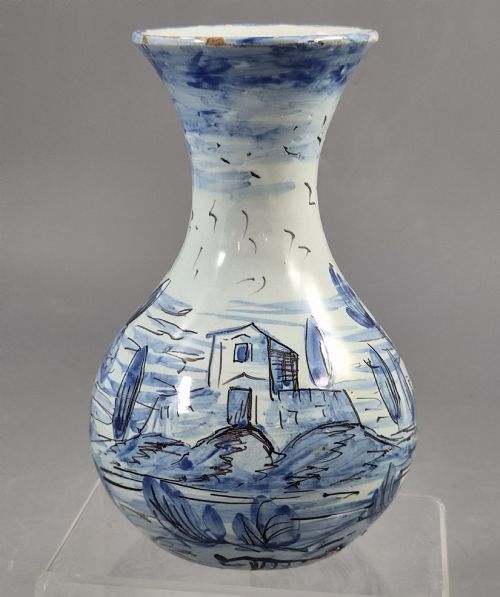
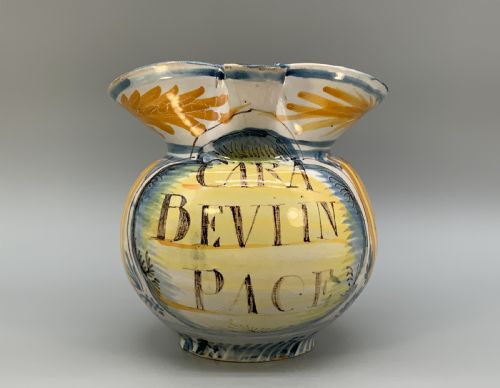
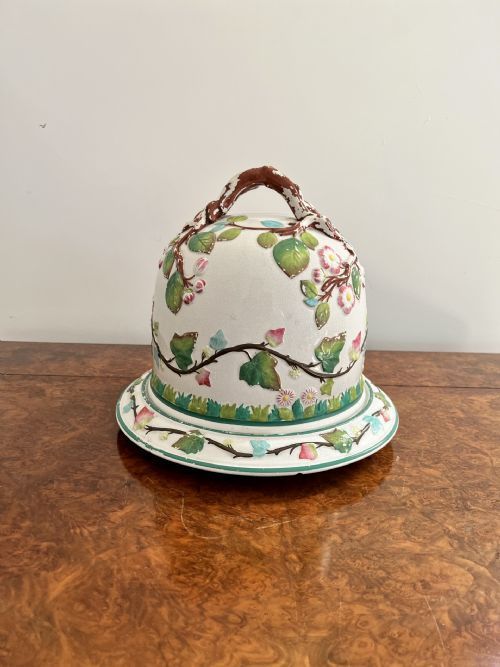
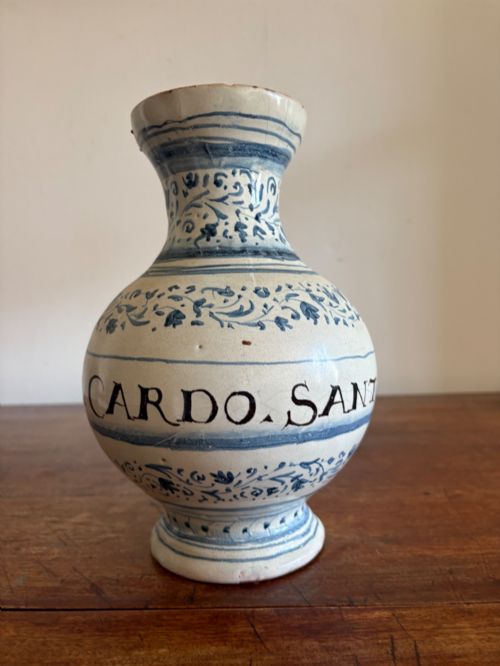
Buyers seeking 19th century maiolica encounter a varied selection of earthenware objects, including apothecary jars, albarello, cheese dishes, and decorative vases. These pieces draw heavily on earlier Italian traditions, ranging from blue and white Savona styles to vibrant polychrome figures and plates.
The objects span the Victorian era and the broader nineteenth century, with notable representation from Italian workshops such as Cantagalli in Florence. Forms include large chargers, handled jugs, and covered vases, often reflecting Renaissance Revival or Chinoiserie aesthetics.
While most examples date firmly to the nineteenth century, occasional pieces bridge earlier periods, showing the enduring popularity of tin-glazed ceramic techniques. Collectors will find both utilitarian pharmacy vessels and purely decorative centrepieces among the available stock.
How they were made
These items rely on a base body of earthenware or terracotta, shaped into traditional vessels, plates, and sculptural figures. The foundational clay is then coated to provide a smooth canvas for subsequent decoration.
A tin glaze provides the opaque white or cream surface characteristic of maiolica, onto which painters apply metallic oxide pigments. Polychrome designs incorporate rich mangonese and yellow tones alongside traditional blue and white palettes before firing.
Listings feature earthenware and terracotta materials finished with tin glazes in both blue and white and polychrome palettes.
What varies in quality
Quality in these ceramics rests upon the crispness of the hand-painted detail and the depth of the tin glaze. Superior pieces exhibit confident brushwork and controlled pigment application that honour the historical styles they emulate.
The complexity of the form also dictates the tier of the piece, distinguishing standard utilitarian vessels from ambitious sculptural figures and large pedestalled vases.
Cantagalli·Ulisse Cantagalli
The 19th Century Maiolica Glossary
- Maiolica
- Tin-glazed earthenware originating from Italy, typically featuring brightly coloured painted decoration. The technique gained a major revival during the nineteenth century.
- Albarello
- A cylindrical earthenware jar used by apothecaries to store ointments and dry drugs. These vessels often feature decorative panel designs.
- Charger
- A large decorative plate intended for display rather than dining. Nineteenth-century examples often display elaborate polychrome historic scenes.
- Polychrome
- Decoration executed in multiple colours. In these ceramics, it typically involves rich combinations of yellow, manganese, and blue pigments.
- Tin Glaze
- An opaque white glaze containing tin oxide, applied to earthenware to create a smooth surface for painting. It forms the defining characteristic of maiolica.
19th Century Maiolica: Frequently Asked Questions
What is 19th century maiolica?
These objects are tin-glazed earthenware ceramics produced in the nineteenth century, heavily inspired by earlier Italian Renaissance designs.
They encompass a wide variety of forms, including pharmacy jugs, decorative vases, and large chargers.
How were apothecary jars used?
Apothecary jars and albarello served practical roles in pharmacies and dispensaries to store dried herbs, ointments, and medicinal compounds.
Over time, many of these utilitarian vessels transitioned into purely decorative cabinet pieces due to their striking painted surfaces.
How do I display a charger?
Large chargers and decorative plates are best shown on sturdy wall mounts or dedicated display stands that support their weight securely.
Placing them in spaces with balanced lighting allows the polychrome glaze and historical motifs to stand out.
How can I tell the period?
Dating relies on examining the characteristics of the earthenware body, the composition of the tin glaze, and the specific painting style.
Nineteenth-century revival pieces often combine historic Italian forms with manufacturing traits typical of the Victorian era.