

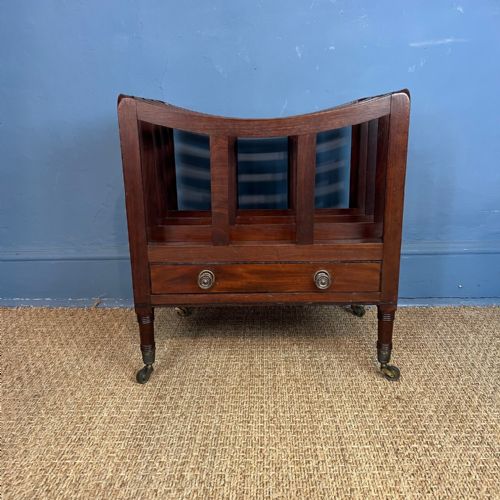
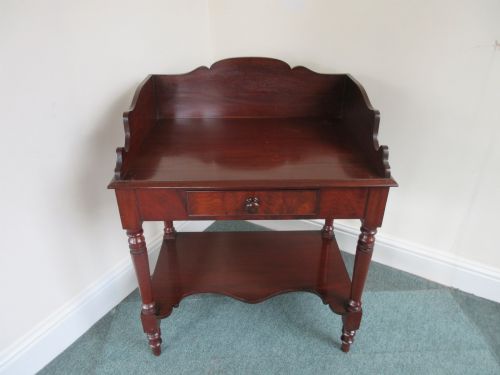
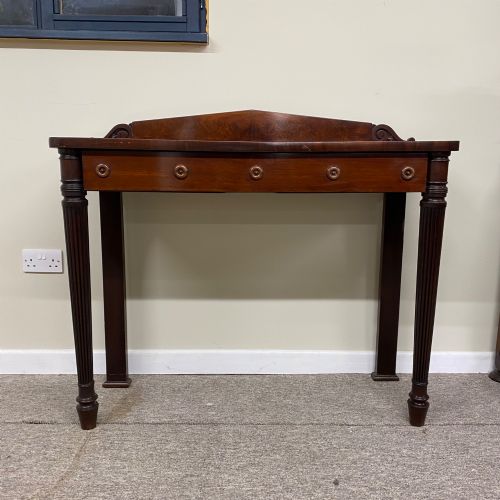
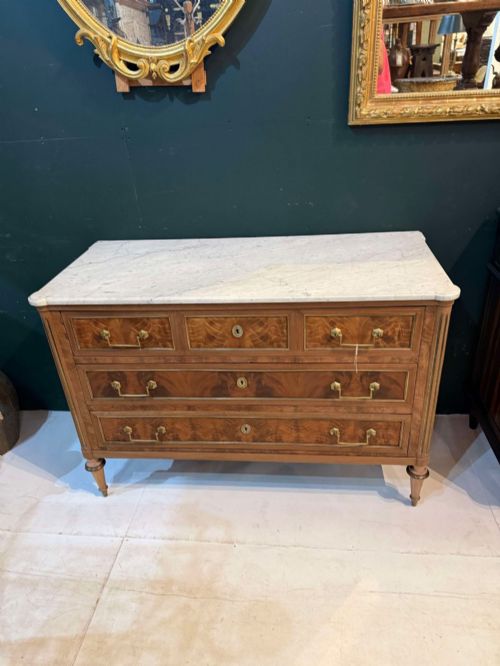
19th Century Mahogany Furniture
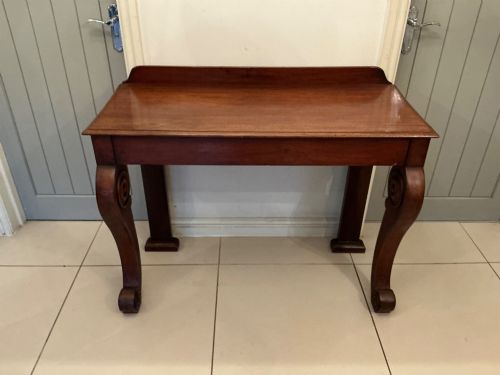
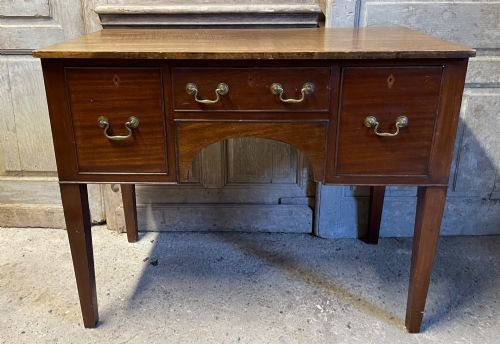
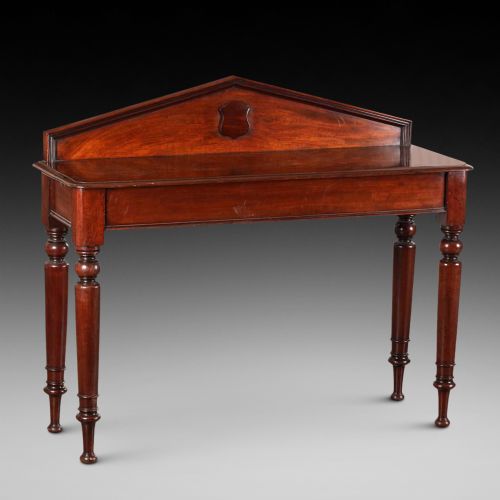
These pieces of 19th century mahogany furniture combine rich timber and brass details to bring sturdy elegance into any room.
19th Century Mahogany Furniture
When you search for 19th century mahogany furniture, you encounter a wide selection of practical and decorative forms designed for domestic use. The inventory spans straightforward storage and writing pieces alongside occasional tables and display units.
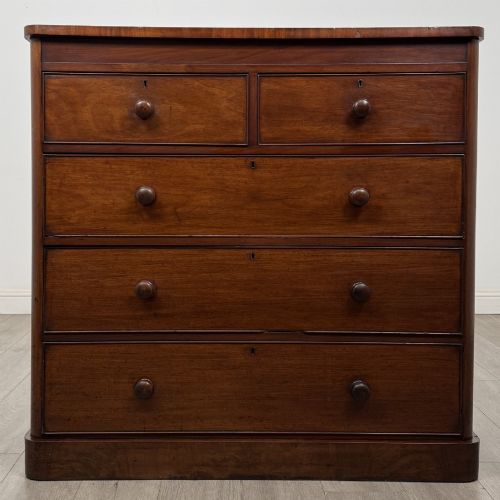
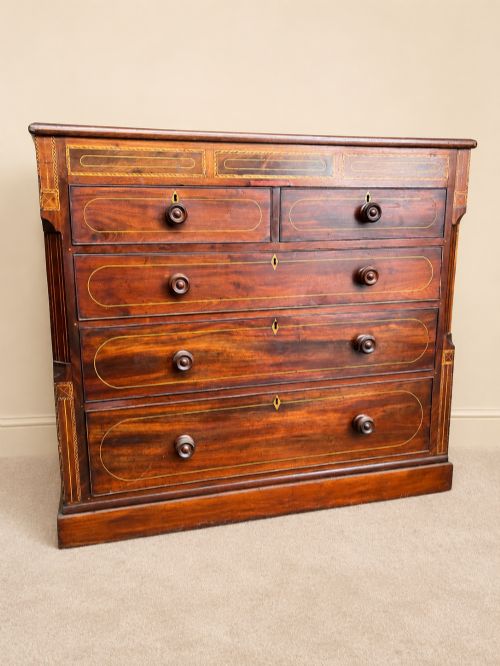
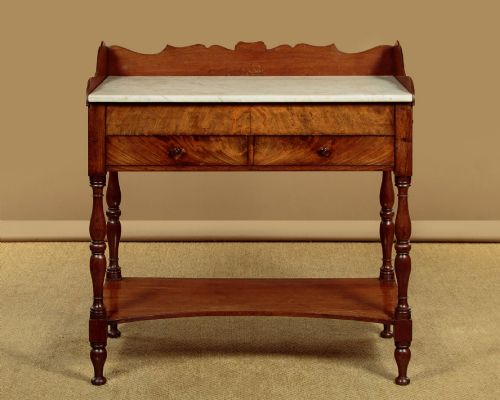
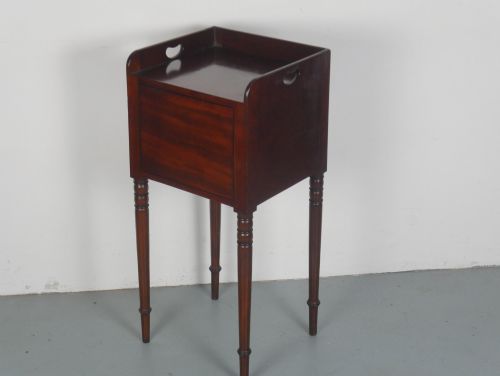
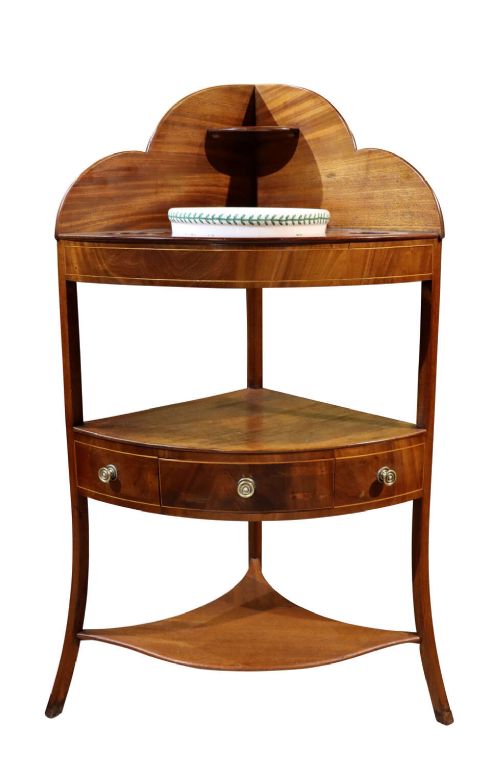
Chest of drawers and desks appear frequently, alongside bedside tables, washstands, and wine coolers. Pieces emerge from various design movements including Regency, Victorian, and William IV periods.
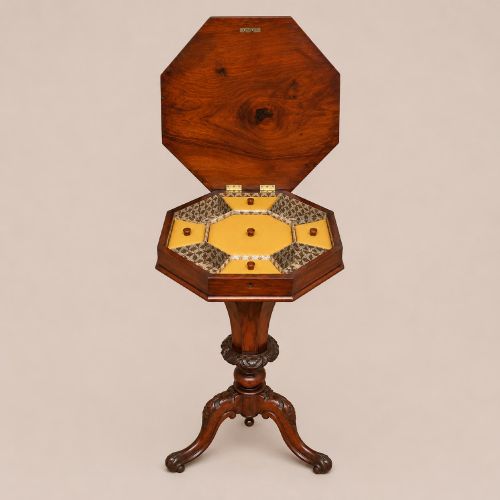
Domestic spaces of the era required versatile items, resulting in specialised forms like coaching tables, whatnots, and cellarettes. Many pieces incorporate brass castors and handles to aid movement within the home.
Materials and construction
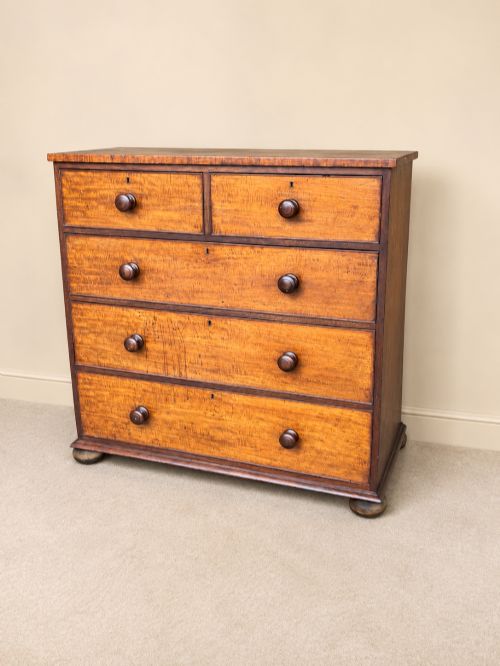
Makers utilised solid timber alongside veneer, frequently selecting flame mahogany or curl mahogany to achieve striking grain patterns on drawer fronts and tabletops. Secondary woods provide structural stability inside carcases and drawer linings.
Metal mounts in brass and ormolu add functional and decorative accents, appearing on drawer pulls, castors, and structural mounts. Marble tops in white Carrara feature on select washstands and storage units.
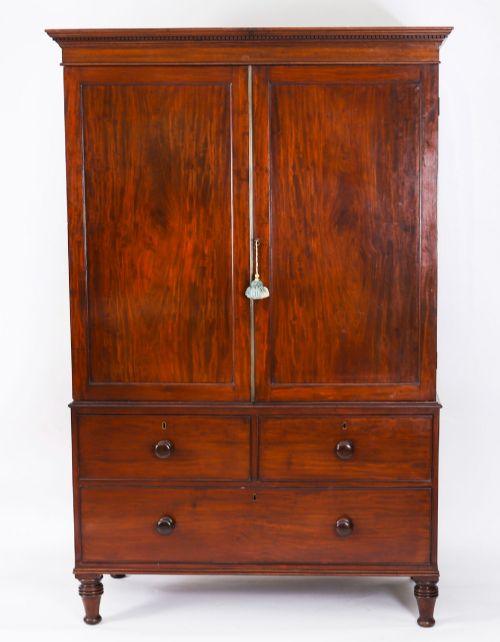
Joinery methods rely on traditional techniques to accommodate timber movement across large surfaces such as partners desks and breakfront wardrobes. French polishing or wax finishes protect the wood while highlighting natural colour variations.
19th Century Mahogany Furniture Retail Price Guide 2026
Typical asking prices for 19th century mahogany furniture among the pieces listed under this phrase on Sellingantiques today, from the lower quarter to the upper quarter. They describe what is for sale here now, not the wider market.
An unusual solid mahogany stool bears initials that hint at a secret Victorian love token.
Judging quality and craftsmanship
Quality rests upon timber selection and the skill required to match veneer grains across large elevations like chest fronts and tabletops. Superior examples display thoughtful composition where grain patterns mirror one another symmetrically.
The precision of secondary joinery and the retention of original hardware, including brass castors and locks, influence the integrity of each piece. Finer items exhibit crisp carving on mouldings and legs rather than soft, rounded profiles.
The 19th Century Mahogany Furniture Glossary
- Flame mahogany
- Timber featuring a distinctive, fiery grain pattern caused by divergent growth rings near branches. It is typically applied as a veneer on prominent surfaces.
- Cellarette
- A fitted storage container designed for holding wine bottles safely. These often sit on low frames or castors near dining areas.
- Ormolu
- Gilt bronze mountings applied to furniture for decorative effect. The technique involves treating brass or bronze with a gold amalgam.
- Partners desk
- A large writing table designed with drawers and cupboards on both sides to accommodate two users facing each other. These usually feature leather inset tops.
- Whatnot
- An open set of tiered shelves used for displaying ornaments or books. The form emerged during the Regency period and remained popular through the Victorian era.
19th Century Mahogany Furniture: Frequently Asked Questions
How do I care for mahogany furniture?
Dust surfaces regularly with a soft, dry cloth to prevent particulate accumulation. Apply a quality natural wax occasionally to nourish the timber.
Keep pieces away from direct heat sources and strong sunlight to prevent the wood from drying out or fading over time.
Were these pieces used daily?
Domestic items from this era served rigorous everyday functions in bedrooms, libraries, and formal reception rooms. Writing desks and chests accommodated constant administrative and storage tasks.
Sturdily built frames and durable timber ensured these items survived generations of continuous household use.
How can I identify a Regency piece?
Regency items often draw inspiration from classical Greek and Roman design, showing restrained lines and architectural proportions. Look for dark mahogany timbers paired with brass inlay or paw feet.
Construction details from this period tend to display clean geometry without the heavy ornamentation found in later Victorian design.