


19th Century Lighting
Nineteenth century lighting brings domestic illumination into focus with brass, bronze, opaline glass, and porcelain table lamps and chandeliers.
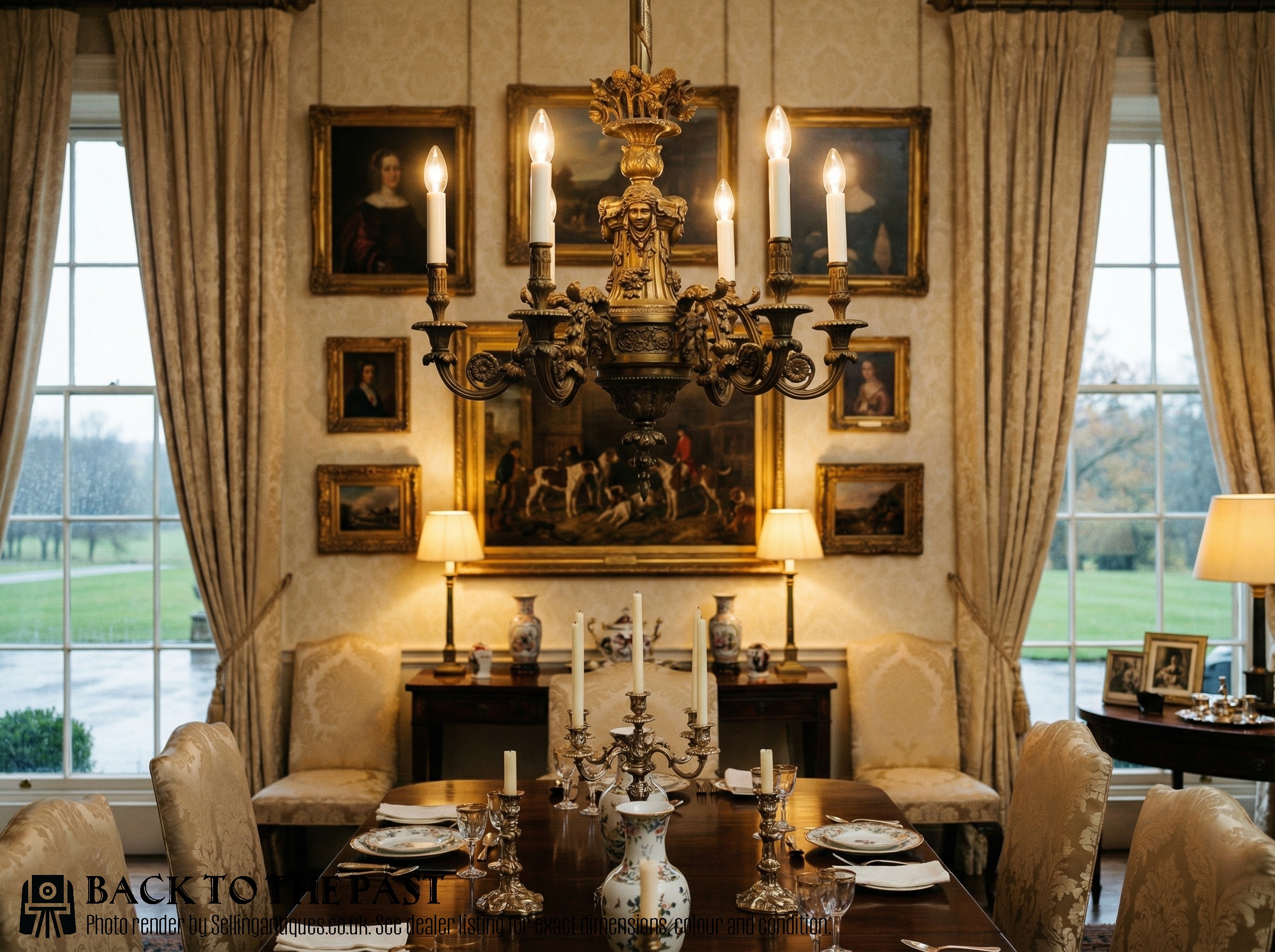
What 19th century lighting is
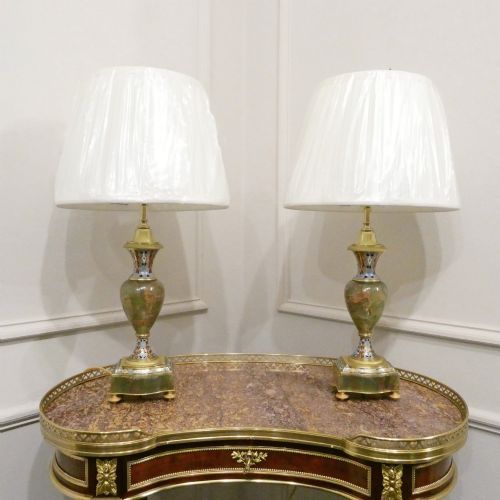
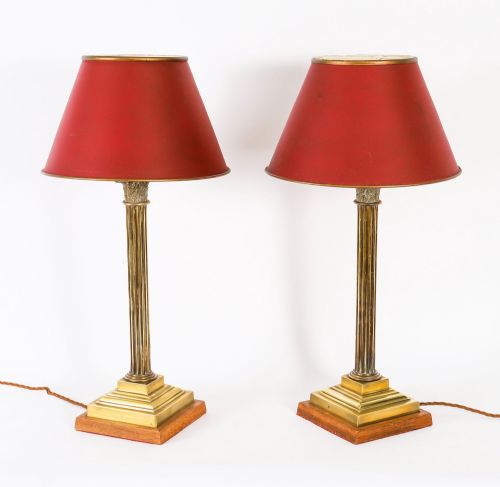
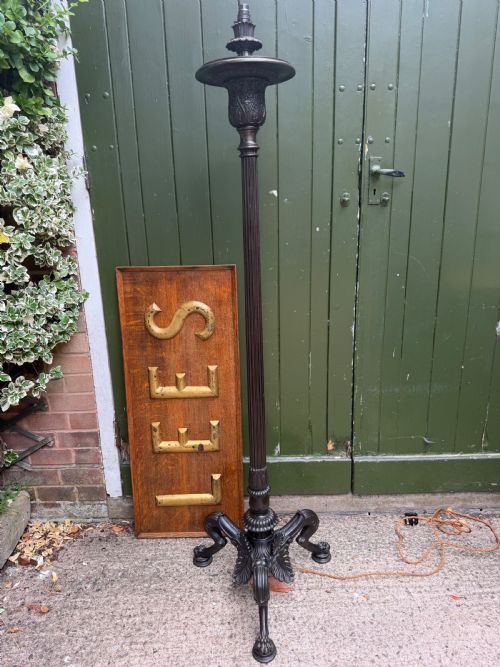
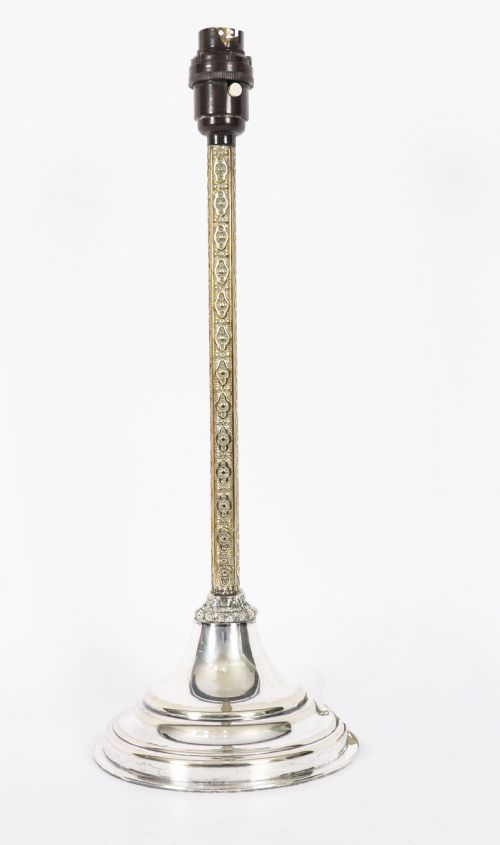
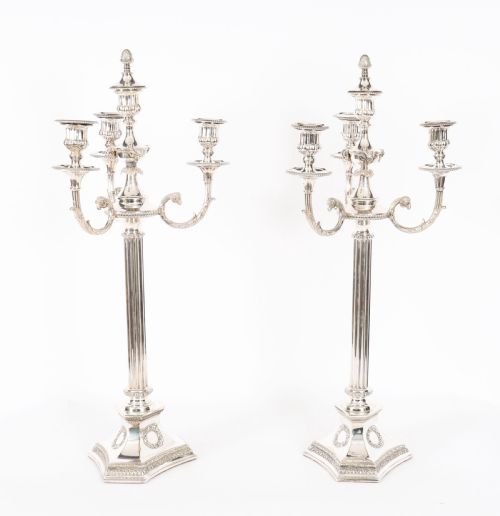
When you search for 19th century lighting, you encounter functional objects designed to illuminate Victorian and period interiors through oil, paraffin, or early electrical adaptation. These pieces include table lamps, oil lamps, and multi-light chandeliers.
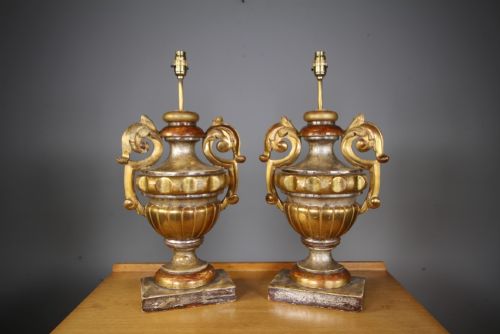
The domestic pieces span Victorian, Chinoiserie, French Empire, and French Louis XVI styles, reflecting the decorative tastes of the era. Common forms range from porcelain vases converted to lamps to robust brass and gilt structures.
You are most likely to meet Victorian oil lamps and table lights on this page, alongside French gilded bronze chandeliers and Chinese blue and white porcelain vase lamps. These pieces originate from British, French, and Chinese aesthetics popular during the period.
How they were made
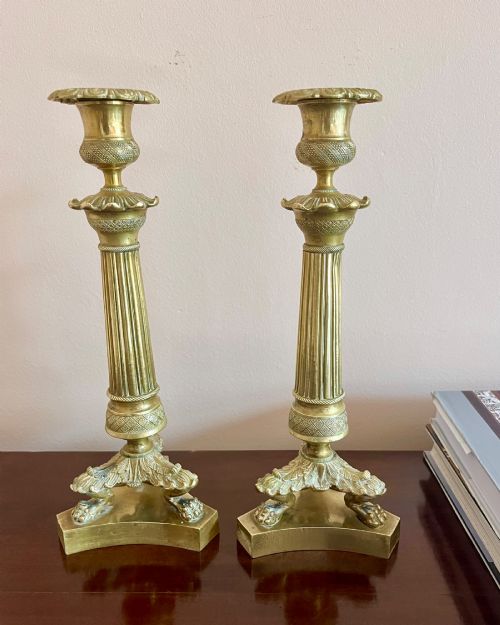
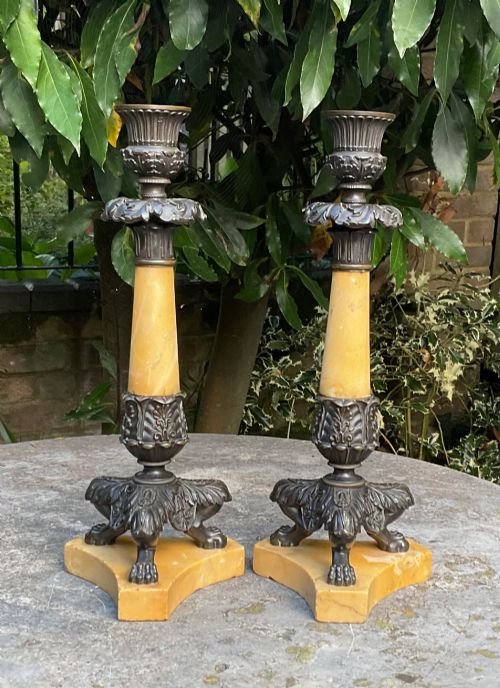
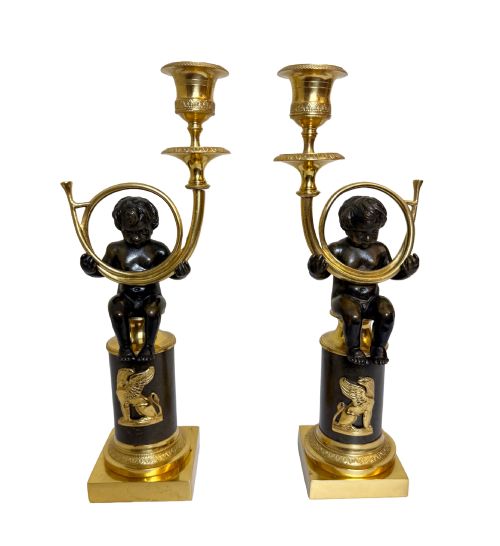
Makers utilised cast and chased bronze, gilt brass, and plain metal to form the structural bodies and mounts of these lamps and chandeliers. Glass components feature opaline and frosted finishes, while porcelain provides smooth, glazed surfaces.
Finishes include heavy gilding on bronze and brass frames, alongside hand-painted blue and white patterns on porcelain bodies. Silk elements sometimes appear on shades, complementing the rigid metal and glass structures.
Retail Price Guide 2026
Typical UK retail prices for 19th century lighting, calculated from the Sellingantiques database of over a million retail prices indexed since 2003. This retail price guide relies exclusively on Sellingantiques data; no external sources or auction records are used, so the figures do not describe the wider market.
Materials documented across the inventory include silk, porcelain, opaline glass, bronze, and gilt brass.
What varies in quality
Quality rests in the precision of the metal casting and the crispness of the chased details on bronze and gilt brass elements. Finer pieces display sharper relief and more deliberate assembly rather than crude industrial joins.
Mc Gary's Patent
The 19th Century Lighting Glossary
- Opaline glass
- A pale, translucent glass variant used widely for Victorian lighting shades and lamp bodies. It diffuses light softly through its milky opacity.
- Gilt brass
- Brass treated with a thin layer of gold or gold-coloured finish to enhance visual warmth and prevent tarnish. This material characterises many Victorian and French domestic fixtures.
- Chandelier
- A branched ornamental light fixture designed to mount from the ceiling. Nineteenth-century examples often carry multiple candle or oil-burning arms in gilded bronze.
- Chinoiserie
- European artistic style reflecting Chinese motifs and decorative techniques. It appears on porcelain vase lamps adapted for domestic illumination.
Frequently Asked Questions
What is 19th century lighting?
Nineteenth century lighting comprises functional illumination devices such as table lamps, oil lamps, and chandeliers produced during the eighteen hundreds. These pieces utilise materials like brass, bronze, porcelain, and opaline glass.
They reflect aesthetic movements including the Victorian era, French Empire, Louis XVI style, and Chinoiserie. Many items served as primary domestic light sources before widespread electrification.
How were oil lamps used?
Oil lamps provided domestic illumination in parlours, dining rooms, and bedrooms prior to reliable electric grids. They burned liquid fuel through a wick housed in a metal burner.
Users adjusted the wick to control flame height and light output, often placing them on tables or desks for direct task lighting.
How do I style a chandelier?
French gilded bronze chandeliers suit high-ceilinged period rooms or serve as focal points in contemporary neutral spaces. Their multi-light format provides ambient overhead illumination.
Suspended securely from structural ceiling points, they command attention through their scale and metallic finish.
Are porcelain lamps original?
Many porcelain lamps utilise older vases, such as Chinese blue and white porcelain pieces, converted for lighting use. These adaptations repurposed decorative vessels into functional domestic objects.
Such conversions occurred both during the nineteenth century and in subsequent decades to accommodate changing illumination needs.