
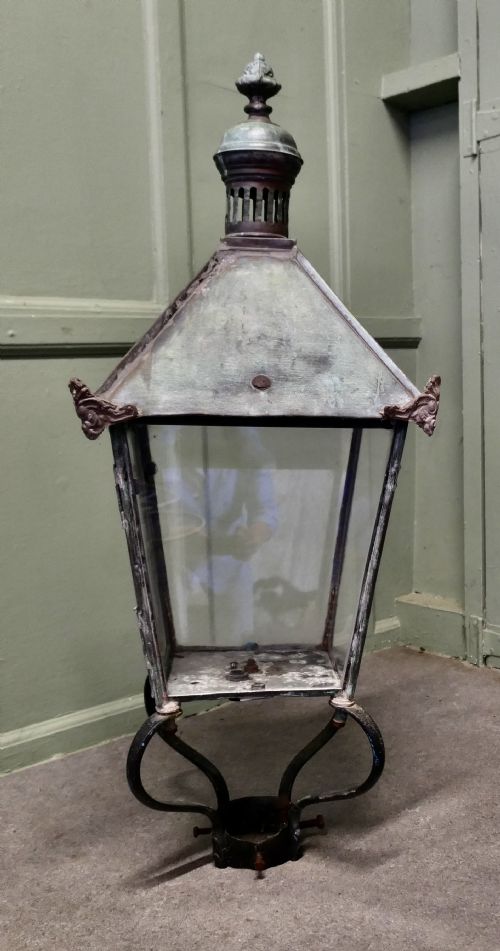
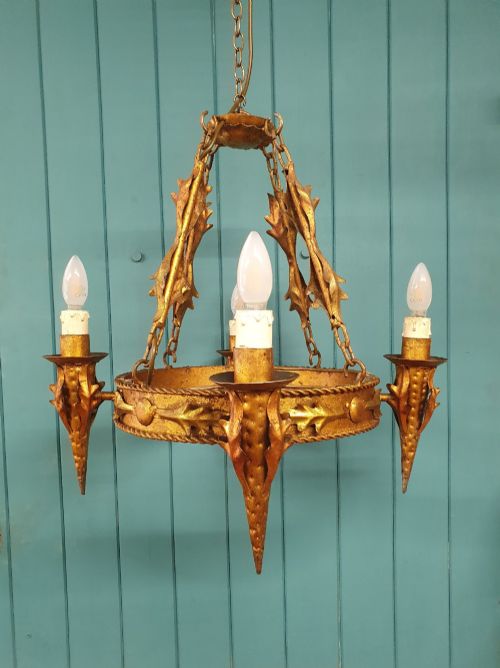
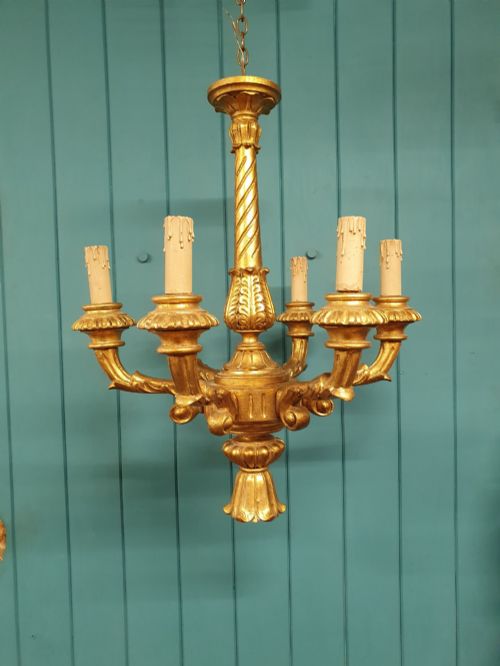
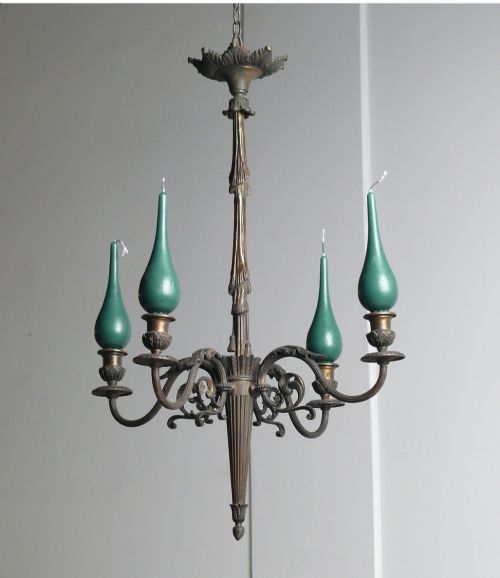
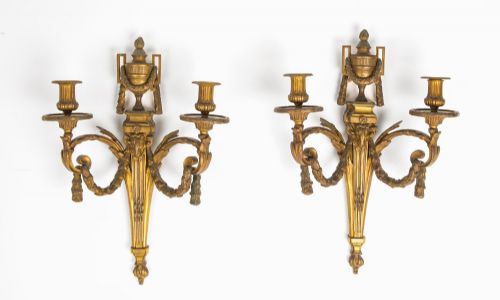


19th Century Light Fixture
A 19th century light fixture brings the rich metalwork and illumination of the Victorian and period interiors into a modern room.
19th Century Light Fixture
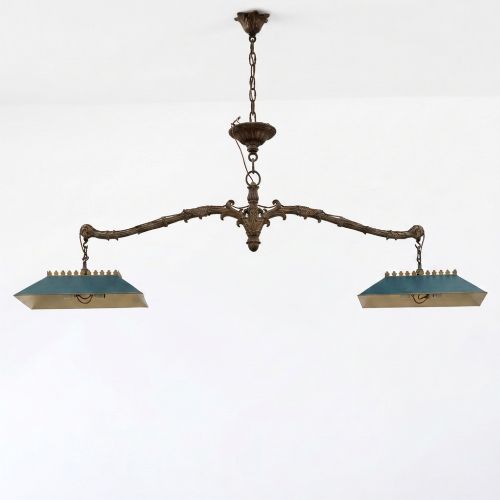
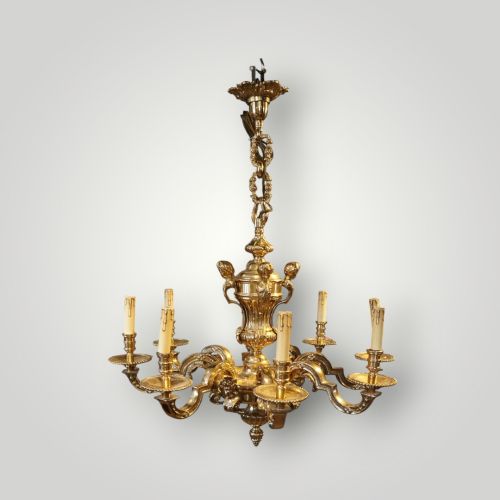
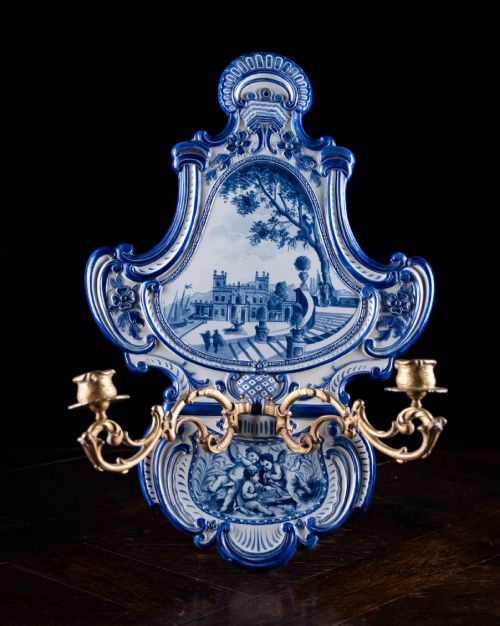
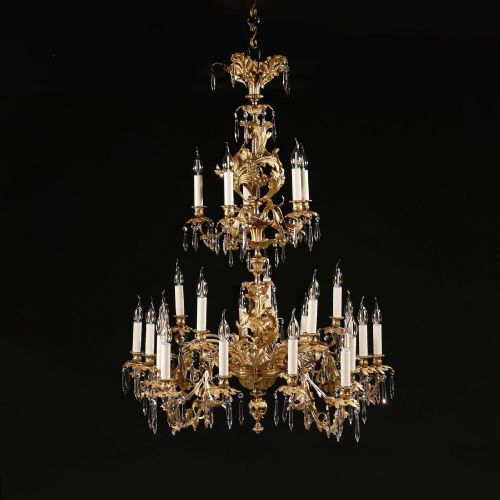
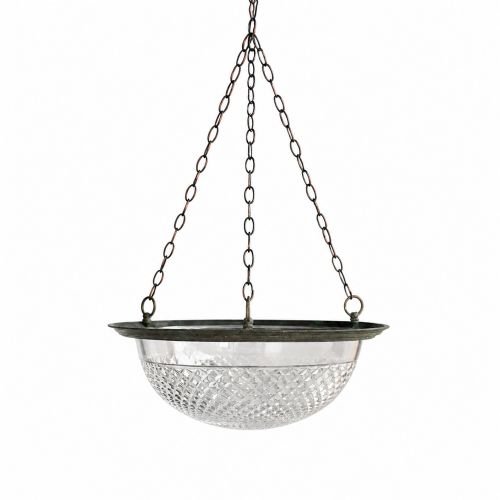
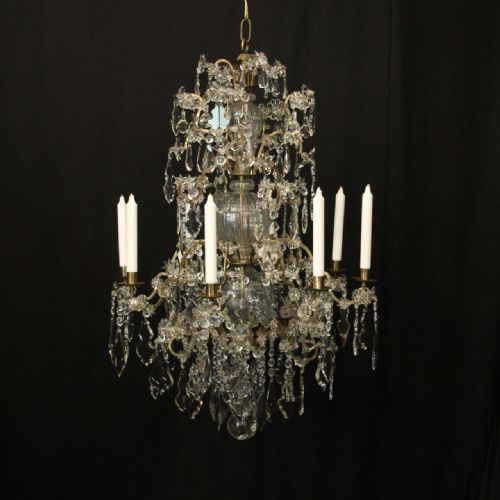
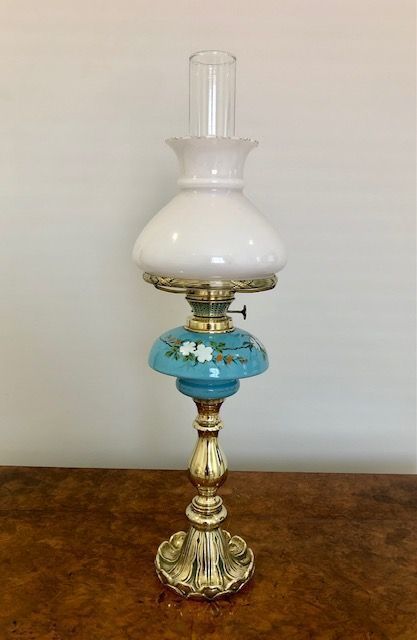
Every 19th century light fixture found here encompasses a diverse range of functional domestic and exterior illumination. Chandeliers, wall sconces, table lamps, and hanging lanterns dominate the forms.
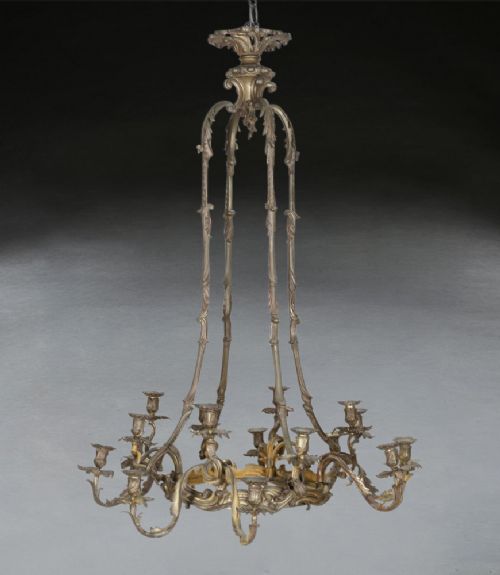
The selection leans heavily toward French designs alongside Victorian British examples. Buyers encounter everything from grand multi-armed chandeliers to utilitarian copper street and porch lanterns.
Makers and manufacturers utilised various regional aesthetics, yielding styles that span from rustic cast iron to elaborate gilt bronze creations.
Materials and construction
Metalworking formed the structural backbone of these pieces, employing brass, cast iron, copper, and silver plating. Foundries utilised bronze and ormolu for decorative mounts, often incorporating intricate hand-finishing.
Glass elements such as crystal drops, cut glass, and moulded shades were integrated into hanging fixtures to reflect and amplify candle or early electric light. Gesso and giltwood provided lighter yet ornate frameworks for specific chandelier types.
The listings here include materials spanning brass, cut glass, gilt bronze, ormolu, and cast iron.
Variations in quality
The sophistication of the casting and the crispness of the chasing define the upper tier of metalwork. Fine chiselling on bronze and ormolu mounts separates master foundry work from routine production.
The integrity of the glass components, from hand-cut crystal to heavy moulded shades, dictates visual depth. Cohesion in the decorative scheme and the survival of original gilding or patination elevate certain examples.
Villeroy and Boch·Henri Honore Ple
The 19th Century Light Fixture Glossary
- Ormolu
- Gilded bronze, typically produced by applying a mercury-gilding technique to cast bronze objects during the eighteenth and nineteenth centuries. This process creates a distinct, durable golden finish.
- Chandelier
- A branched ornamental light fixture designed to be suspended from a ceiling. These hold multiple candles or bulbs across arms arranged in tiers.
- Wall Sconce
- A decorative bracket fixture mounted directly to a wall to hold candles or light sources. They often feature reflective backplates or sculptural arms.
- Plafonnier
- A shallow bowl-shaped ceiling light fixture mounted flush or close to the ceiling surface. They frequently utilise frosted or cut glass elements.
- Candelabra
- A branched candlestick holder designed for multiple tapers. Many surviving examples from this era were later converted into table lamps.
19th Century Light Fixture: Frequently Asked Questions
How do I wire a 19th century light fixture?
Most hanging lights and wall fixtures require professional rewiring to meet modern electrical safety standards. A qualified electrician can safely thread modern wiring through the existing hollow channels and arms.
Original candle tubes or sockets are generally adapted to take contemporary bulbs while retaining the historic exterior appearance of the metalwork.
Can I hang a heavy bronze chandelier from a standard ceiling?
Substantial cast bronze and multi-arm chandeliers require structural ceiling support rather than a standard plasterboard anchor. Weight distribution must be taken into account when installing large antique metal fixtures.
Consulting a professional installer ensures the ceiling joists can bear the load of heavier brass, crystal, and iron fixtures safely.
How do I clean antique brass and gilt bronze?
Dusting gently with a soft dry cloth prevents the accumulation of grime on intricate metal surfaces and crystal drops. Avoid harsh chemical polishes that can strip away original patination and historic gilding.
For stubborn dust in recessed chasing, a soft artist brush helps maintain the surface without causing abrasive wear to the metal.
Were these fixtures originally meant for candles or gas?
Many mid-century items started life holding wax candles before gas and early electricity transformed domestic illumination. Conversion holes or adapted burner components often reveal the subsequent transitions in lighting technology.
Chandeliers and wall lights from later decades often show evidence of early gas piping integrated directly into the brass arms.