


19th Century Kitchenalia
These nineteenth century kitchenalia pieces span utilitarian treen, heavy copper jelly moulds and glazed earthenware, offering practical history for the modern home.
19th Century Kitchenalia
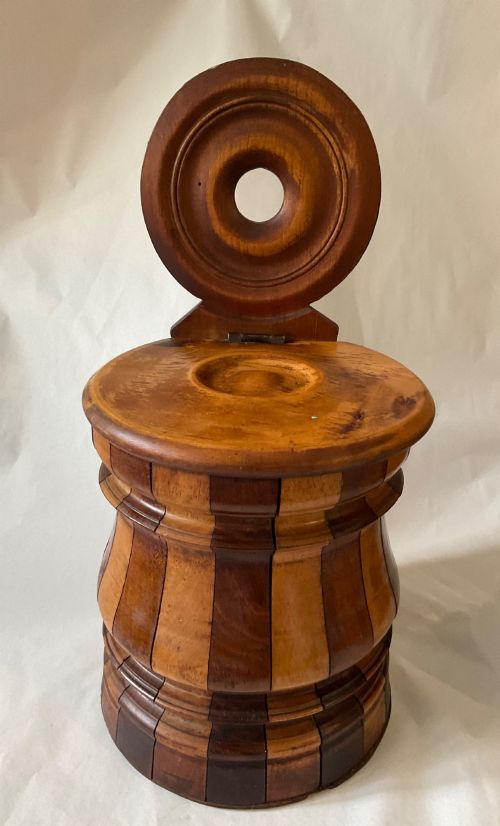
When searching for 19th century kitchenalia, buyers encounter domestic and culinary objects shaped by the daily demands of Victorian and Georgian households. These items range from utilitarian dairy bowls and spice towers to decorative jelly moulds and cheese presses used in food preparation.
The most common variants on this page include turned wood treen items like butter prints and nut crackers alongside metal kitchenware in copper, tin, and iron. Pieces originate from English, French, and Welsh workshops, reflecting regional domestic traditions.
How they were made
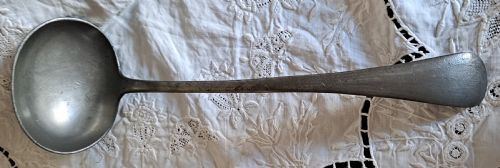
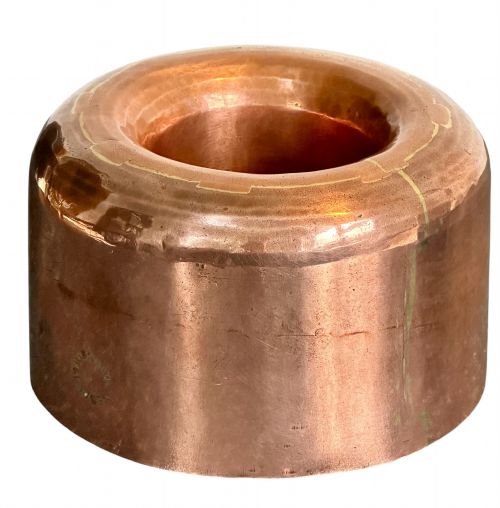
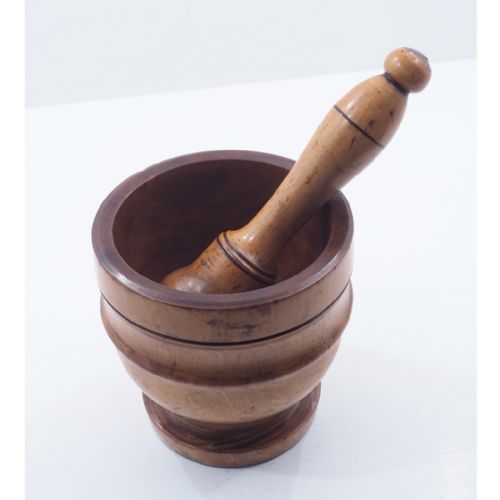
Makers shaped these objects primarily from hardwood, sycamore, and turned wood using lathes and hand-carving tools to produce dairy bowls, spice towers, and intricate gingerbread moulds. Metal items such as jelly moulds, basting ladles, and nutmeg graters combined hammered copper, tin linings, and pewter construction.
Ceramic pieces utilised earthenware and creamware bodies, shaped into jelly moulds and storage jars before being glazed and fired. Joinery and turned construction predominated, with carved details applied manually to items like butter prints and coconut scrapers.
What varies in quality
Quality in these culinary antiques depends upon the crispness of carved detail, the preservation of original metal linings, and the integrity of turned wooden forms. Pieces featuring deeply carved motifs on gingerbread moulds or butter prints stand above plain utilitarian examples.
Condition and originality dictate distinction, separating well-used domestic survivals from those retaining clear maker marks, such as Copeland or Wedgwood stamps. The quality of execution in hand-hammered copper vessels and tin-lined jelly moulds determines their standing.
John Yates·C & A Painter·Harrods·Wedgwood·Copeland
The 19th Century Kitchenalia Glossary
- Treen
- Small, useful household wooden items made by turning or carving. This term covers items like spice towers, butter prints, and strainers.
- Confit pot
- A glazed earthenware pot used in rural France for preserving and storing meats. These pots feature distinctive glazed finishes and sturdy handles.
- Sycamore
- A dense hardwood frequently utilised by turners for dairy bowls and kitchen utensils. Its pale grain resists splitting during heavy use in the dairy.
- Tin lined
- A protective coating applied to the interior of copper cooking vessels and jelly moulds. This layer prevents food from reacting directly with the copper.
- Butter print
- A carved wooden stamp used to impress decorative patterns onto pats of butter. Designs often include natural motifs like acorns, wheat, and flowers.
19th Century Kitchenalia: Frequently Asked Questions
How were copper jelly moulds used?
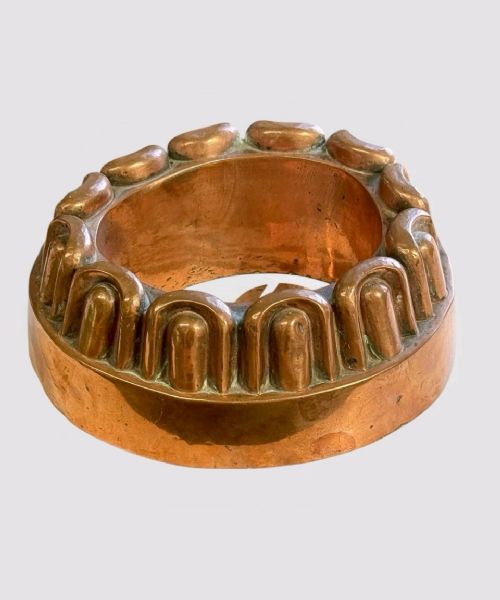
Victorian cooks placed these tin-lined copper moulds into cold water or ice to set jellies and aspics efficiently. The copper conductive properties helped the contents chill rapidly before turning out.
Today, these moulds serve primarily as decorative wall hangings or collection centrepieces in country kitchens.
What is treen kitchenware?
Treen encompasses small wooden household objects shaped by hand carving or woodturning. Examples include spice towers, nutmeg graters, and butter prints.
Collectors prize treen for the tactile warmth of the aged hardwood and the tool marks left by early makers.
How do I identify dairy bowls?
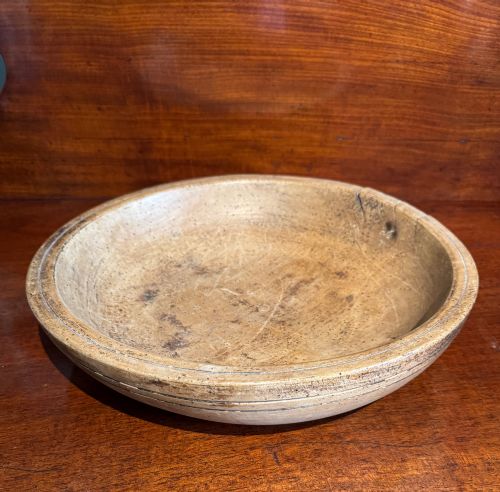
Dairy bowls are wide, shallow earthenware or sycamore vessels designed for skimming cream from milk in 19th century dairies. Their wide rims allowed air circulation during the cooling process.
Display them on tables or shelves as decorative bowls for fruit or dried botanicals.
Are these kitchenalia pieces food safe?
While many items like treen and copper pots served for food preparation originally, age and wear change their utility. Tin linings in copper vessels may show thinning, and old wood can absorb moisture.
Most buyers treat 19th century kitchenalia as decorative display pieces rather than active kitchen equipment.