



19th Century Kitchen Buffet
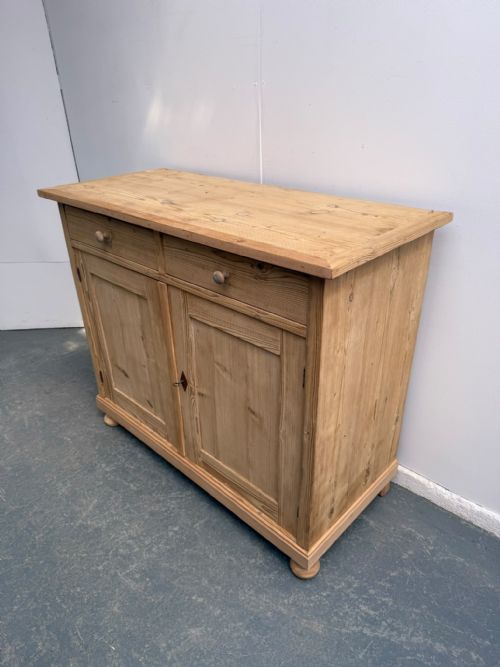
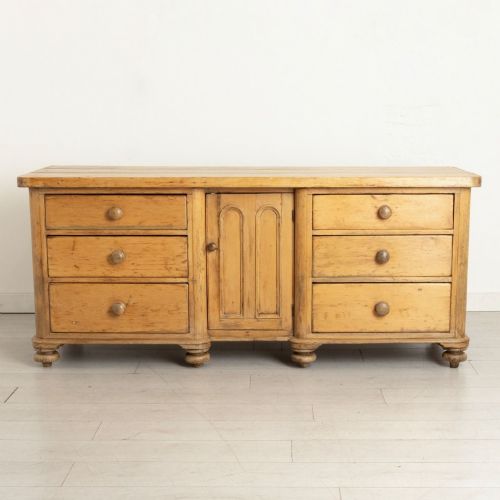
A 19th century kitchen buffet serves as the utilitarian heart of a traditional interior, offering robust storage and surface space.
19th Century Kitchen Buffet
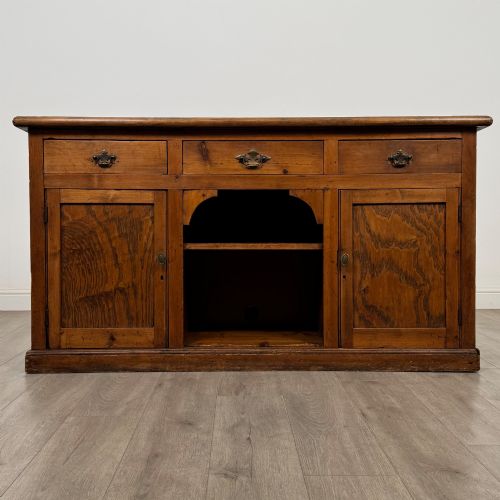
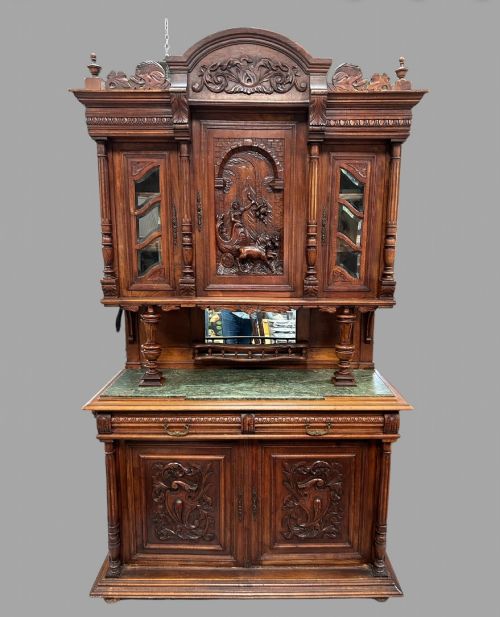
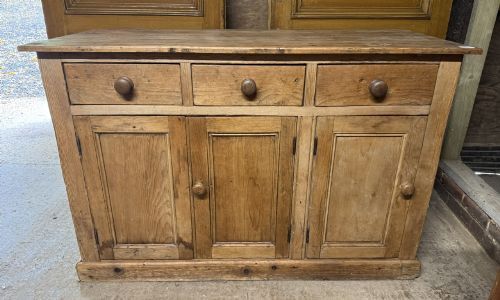
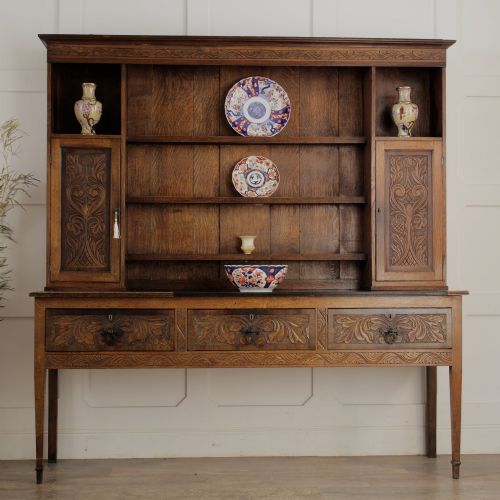
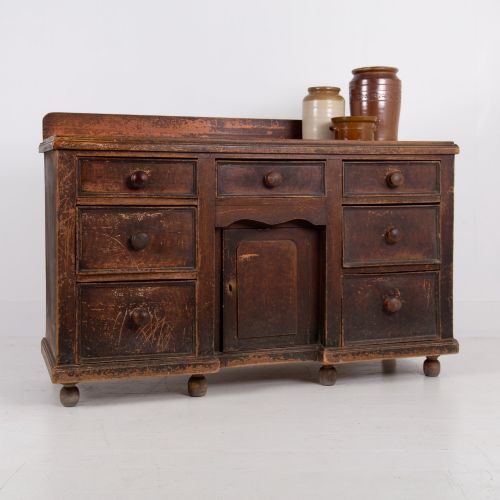
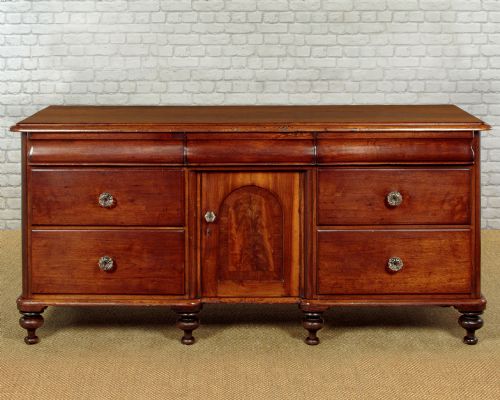
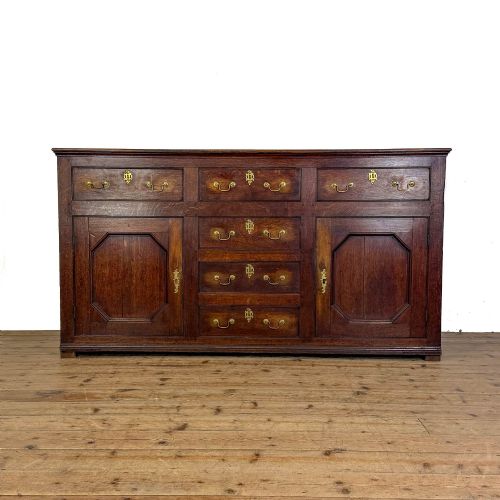
When searching for a 19th century kitchen buffet, buyers encounter a diverse selection of utilitarian furniture designed for food preparation and storage. The inventory spans regional English, Welsh, Scottish, French, and Scandinavian origins, reflecting local domestic customs of the period. Forms range from low dresser bases and servers to tall two-part dressers and glazed cabinets.
Pine is the predominant timber found in these listings, frequently accompanied by oak, walnut, pitch pine, and fruitwood. Pieces often arrive with original paint finishes, stripped surfaces, or traditional wax treatments. Elements such as pot shelves, bread slides, and brass or iron hardware define the functional character of these domestic items.
How they were made
Cabinet makers utilised solid regional timbers such as pine, oak, and walnut, often combining secondary woods for internal components. Construction relied on traditional joinery methods appropriate for heavy domestic furniture subjected to daily use.
Surfaces finished in original paint, ragwork paint, or clear wax demonstrate period techniques for timber protection and decoration. Functional details include fitted brass and iron handles, glass panels in upper sections, and integrated pot boards.
Listings feature items from the 18th century, Regency period, and Victorian era, constructed in pine, oak, walnut, ash, and pitch pine.
What varies in quality
The degree of original finish preservation heavily influences the standing of a piece, particularly where original paint or rich patina remains intact. Selection of timber quality, from standard regional pine to finely carved oak or French walnut, marks the distinction between utilitarian work and more formal furniture.
Structural integrity and the survival of original hardware, such as brass pulls and iron hinges, separate standard examples from superior survivals. Regional vernacular traits, including specific Welsh or Scandinavian construction details, add distinct character to individual items.
The 19th Century Kitchen Buffet Glossary
- Dresser base
- A low cabinet featuring drawers and cupboards, historically used for food preparation and storage in the kitchen.
- Pot board
- An open lower shelf built into a dresser or sideboard to store heavy pots and kitchen utensils.
- Buffet deux corps
- A tall two-part cupboard construction, commonly found in French provincial furniture traditions.
- Bread slide
- A pull-out wooden shelf integrated into furniture to cool baked goods or provide extra surface area.
- Pitch pine
- A resinous North American and European pine variety utilised for durable domestic cabinetry.
19th Century Kitchen Buffet: Frequently Asked Questions
What is a kitchen buffet?
A kitchen buffet is a heavy utilitarian storage item from the nineteenth century used for food preparation, holding tableware, and storing provisions in domestic settings.
These pieces typically incorporate drawers, cupboards, and sometimes open shelves or pot boards beneath a solid timber top surface.
How do I identify pine furniture?
Nineteenth-century pine furniture is recognised by its pale softwood grain, visible knots, and lighter weight compared to hardwoods like oak or walnut.
Many pieces survive in original paint, ragwork finishes, or stripped states revealing the natural timber underneath.
Where were these pieces made?
The inventory includes items originating from English regions, Welsh workshops, Scottish makers, and continental European provinces such as France and Sweden.
Regional carpentry styles and local timber availability dictate the distinct characteristics of each piece.
How should I care for timber?
Maintain antique pine, oak, and walnut surfaces by applying traditional wax sparingly and avoiding placement near direct heat sources.
Protect original paint finishes from moisture and abrasive cleaners to preserve the historic patina.