
19th Century Italian Sculpture
When you search for 19th century italian sculpture, you encounter classical antiquity reinterpreted through bronze, marble, and alabaster by skilled hands.
19th Century Italian Sculpture
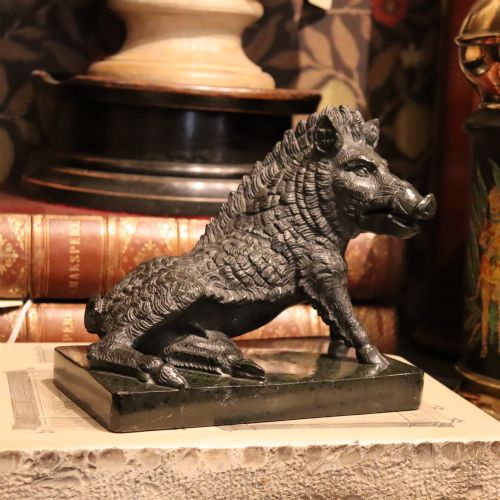
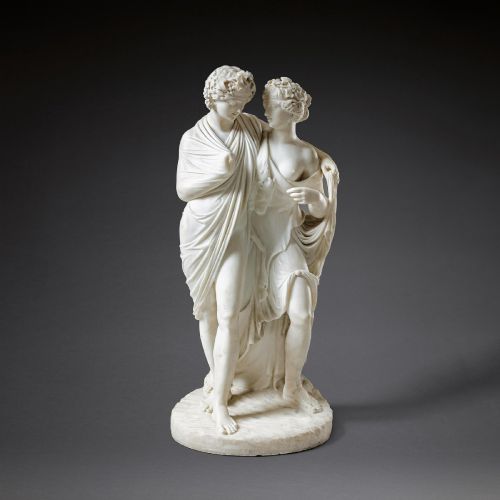
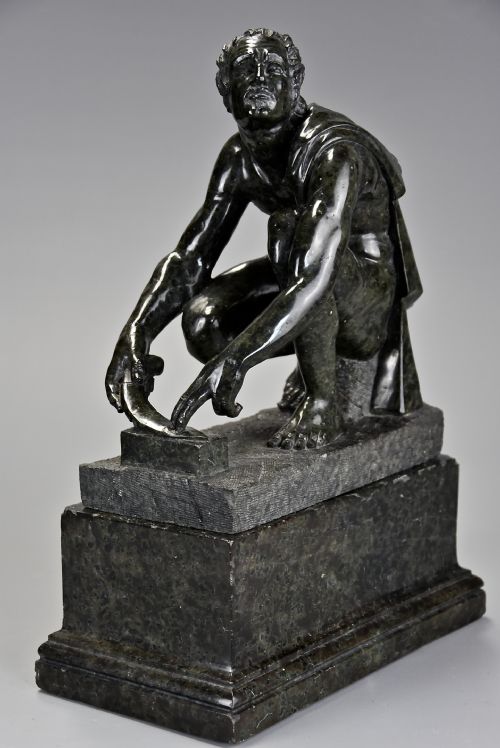
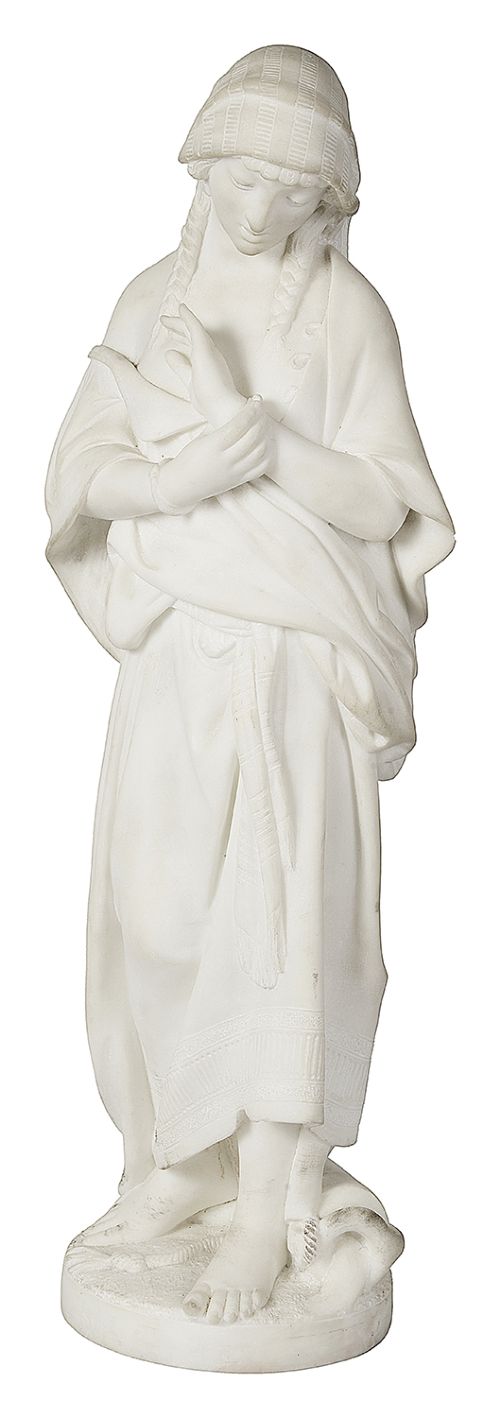
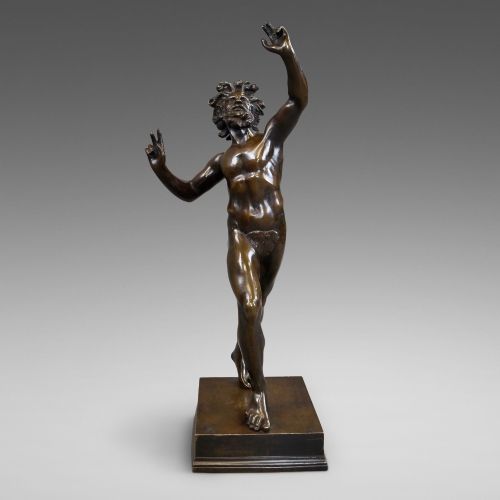
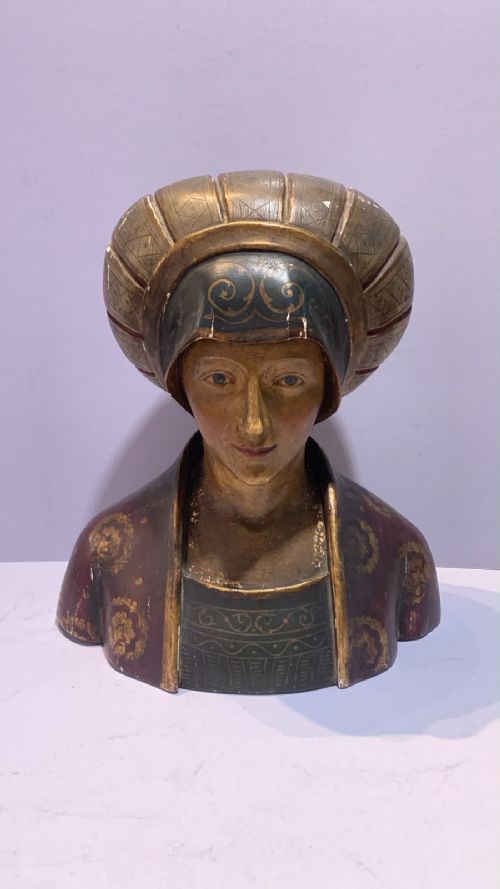
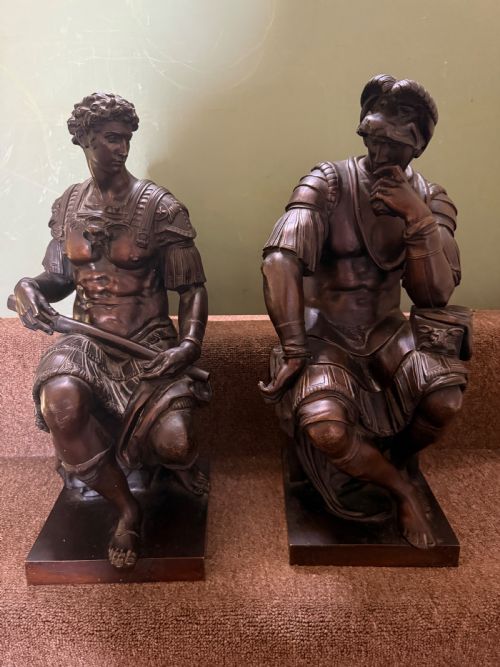
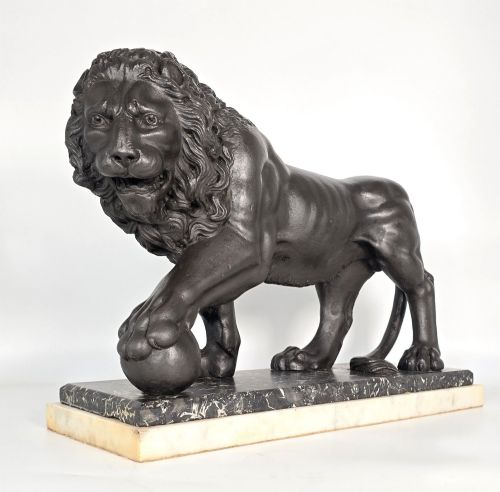
Buyers seeking 19th century italian sculpture encounter works inspired by classical antiquity, Renaissance masterpieces, and the Grand Tour tradition. The most common versions on this page include bronze reductions of famous monuments and carved marble figures modelled after ancient statues.
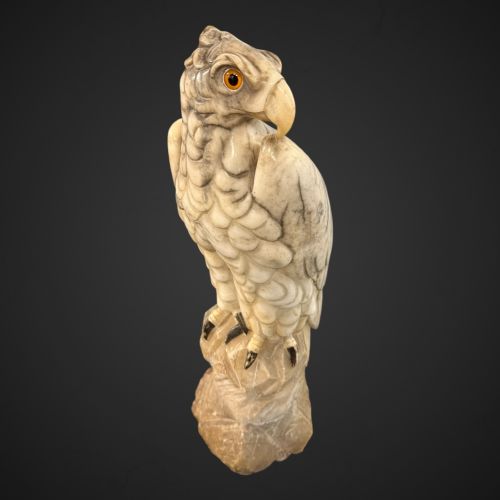
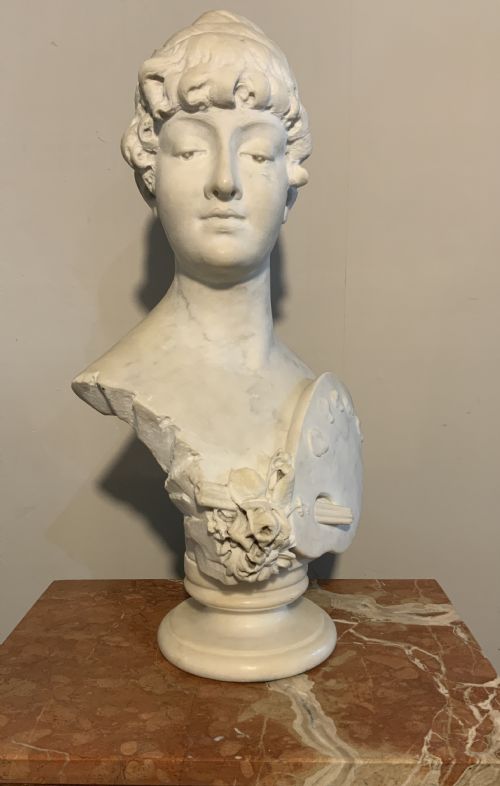
These pieces range from cabinet-sized souvenirs to substantial marble busts and animal figures. Workshops in Florence, Rome, and Naples produced these items for travellers, collectors, and public display across Europe.
Materials and methods
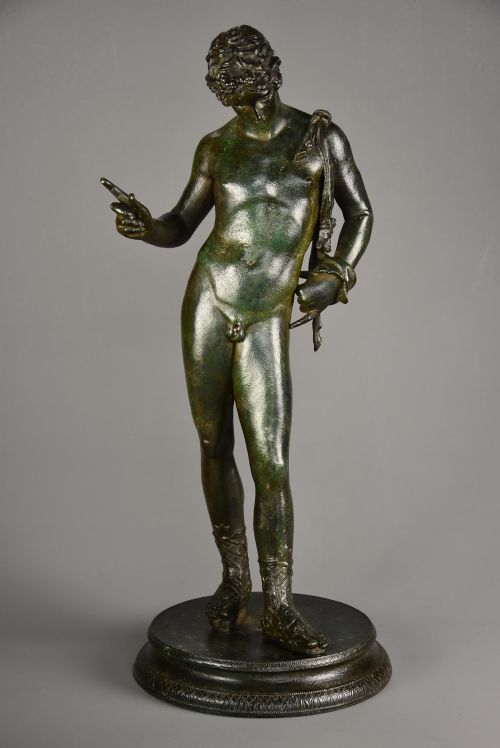
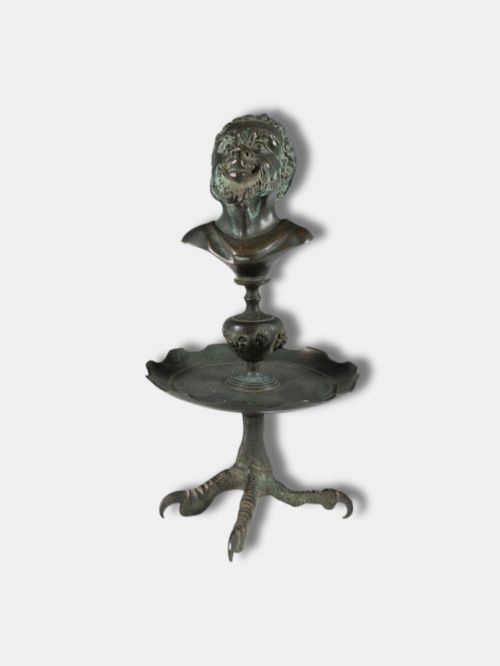
Makers utilised cast bronze with various patinations, ranging from deep green to dark brown, often mounted on stone plinths. Bronze figures required careful casting and hand-chiselling to define muscle, drapery, and facial expression.
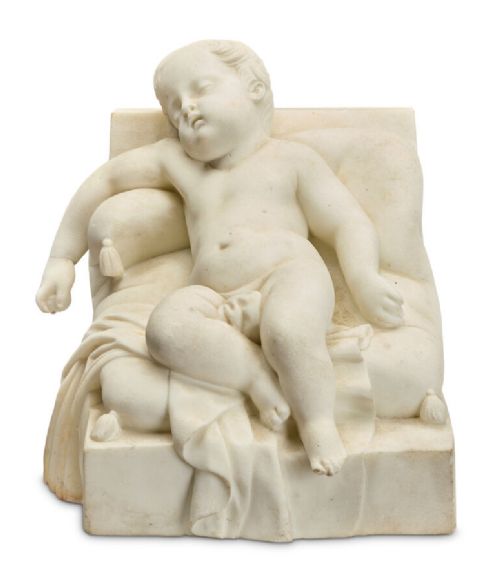
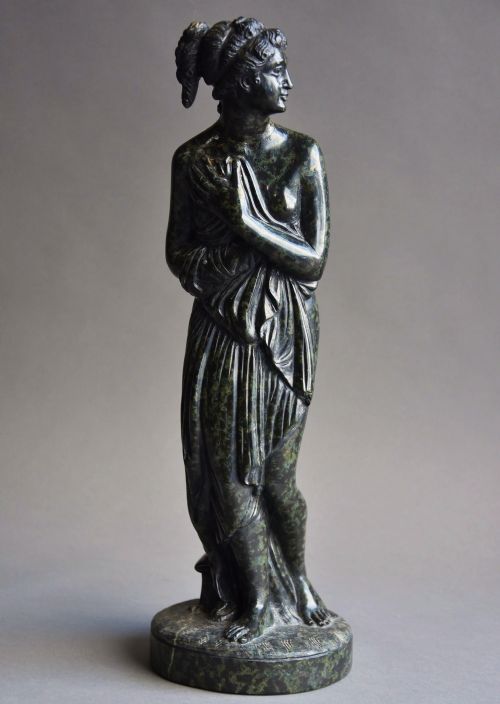
Carved marble varieties, particularly white Carrara, coloured serpentine, and alabaster, demanded precise hand-chiselling and polishing. Artisans frequently translated classical forms into smaller scale using pointing machines before finishing the surface details by hand.
Even sleeping cherubs and strutting terracotta cockerels found a willing audience among Victorian travellers keen to lighten up their drawing rooms.
Distinctions in craftsmanship
Quality rests in the crispness of the chase work on bronzes and the sensitivity of the carving in marble and alabaster. Superior pieces preserve the anatomical precision and expressive energy of the antique prototypes without losing detail in secondary elements.
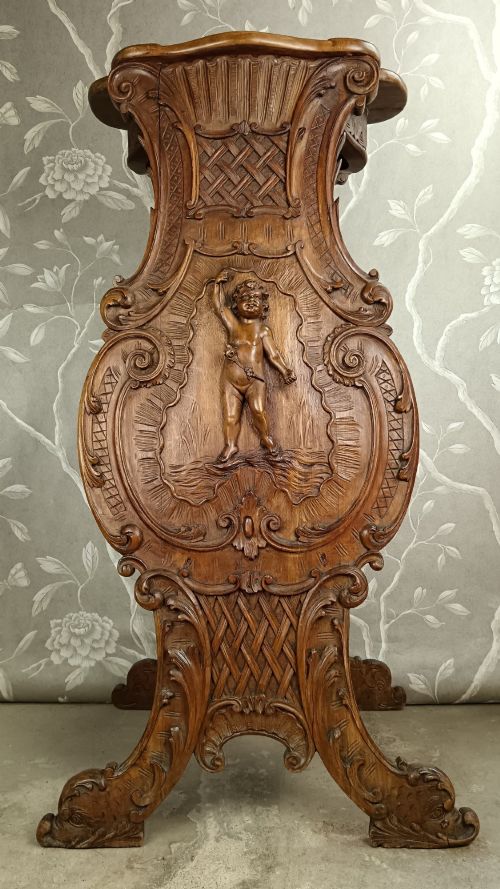
The choice of base materials, such as contrasting coloured marbles or carved wood pedestals, also signals the ambition of the original maker. Finer castings and carvings display deliberate attention to texture, whether rendering animal fur, smooth skin, or heavy fabric.
Carlo Albacini·Barranti Florence·Raffaelo Monti·Benedetto Boschetti·Valentino Besarel·Luigi Secchi
The 19th Century Italian Sculpture Glossary
- Grand Tour
- A traditional trip of Europe undertaken by upper-class European young men of sufficient means, resulting in the acquisition of art and souvenirs. These objects heavily influenced 19th-century production.
- Patination
- The process of treating a metal surface to produce a specific colour or finish. Chemical applications or heating created the varied green and brown tones seen on bronze works.
- Putto
- A figure of a small chubby male child, often winged, common in classical and renaissance art. Sculptors frequently rendered these figures in marble or bronze.
- Serpentine
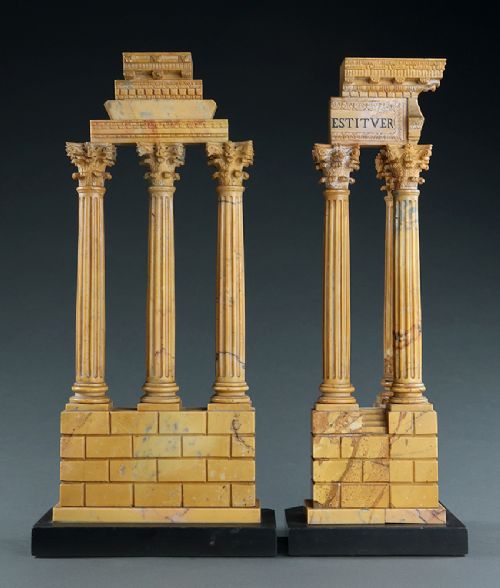
- A group of green silicate minerals often used as a decorative stone for sculpture and architectural models. Its mottled appearance resembles snake skin.
- Tazza
- A shallow cup or bowl on a stem and foot, used for display. These decorative vessels were often carved from exotic marbles during the period.
19th Century Italian Sculpture: Frequently Asked Questions
What is a Grand Tour sculpture?
Grand Tour sculptures are bronze or marble souvenirs purchased by travellers visiting Italy during the nineteenth century. They replicated famous classical, Hellenistic, or Renaissance monuments for display in home studies and libraries.
These pieces allowed collectors to bring Italian cultural heritage back to Britain and other European countries. They varied from small desk ornaments to significant cabinet figures.
How do I care for marble sculptures?
Dust marble and alabaster surfaces regularly with a soft, dry cloth. Avoid using water, household cleaners, or oils, as porous stones absorb liquids and can stain easily.
Keep pieces away from direct sunlight and fluctuating heat sources to prevent thermal shock or cracking. Professional conservation is recommended for deep cleaning.
Are these pieces made after ancient works?
Many nineteenth-century Italian sculptures directly replicate renowned classical or Renaissance statues housed in Italian museums. Sculptors used ancient precedents such as works by Michelangelo or Hellenistic bronzes as their primary source material.
This deliberate emulation formed the core of academic training and nineteenth-century taste. Signatures or inscriptions often reference the original monument or master.
What materials were commonly used?
Makers relied heavily on cast bronze with chemical patination, alongside various types of marble including Carrara, serpentine, and rosso antico. Alabaster and terracotta also appear frequently among sculptural groups and portrait busts.
Bases often incorporate contrasting stones, veined marbles, or carved wood to elevate the primary subject. Gilt bronze and silvered elements highlight specific details on select pieces.