

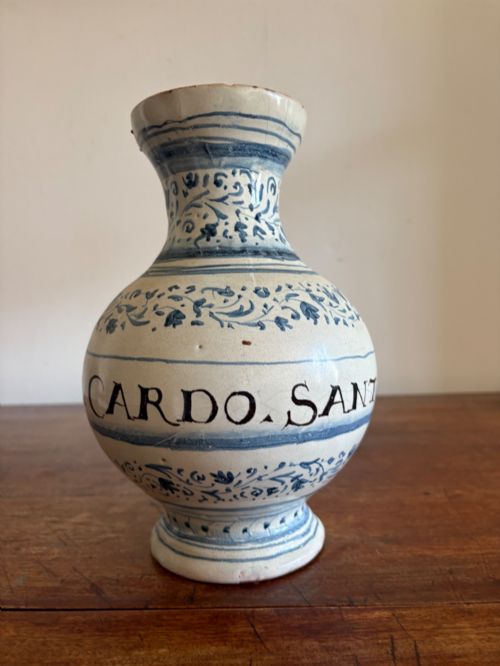


19th Century Italian Pottery
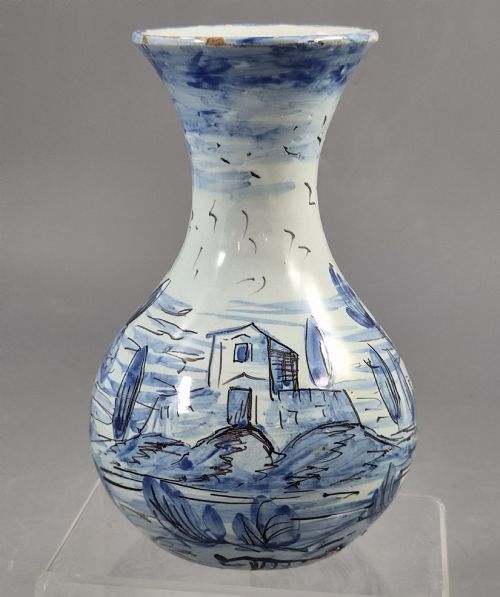
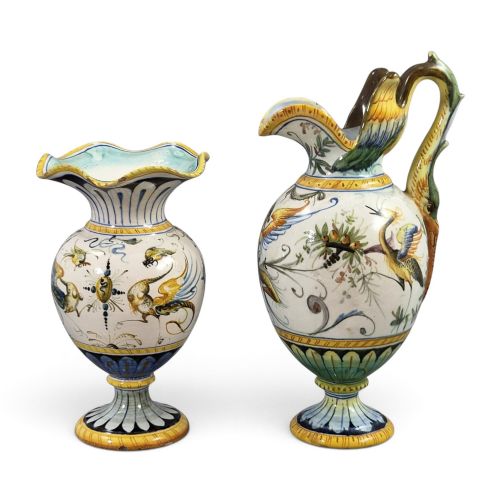
These 19th century italian pottery pieces bring vibrant tin-glazed earthenware and Renaissance revival forms straight into a room.
19th Century Italian Pottery
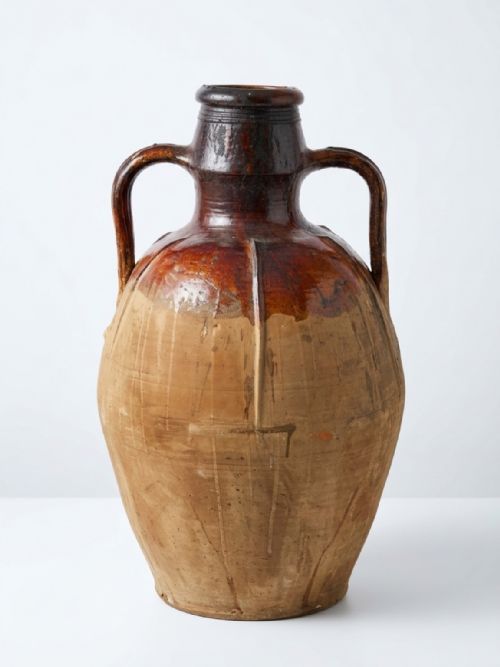
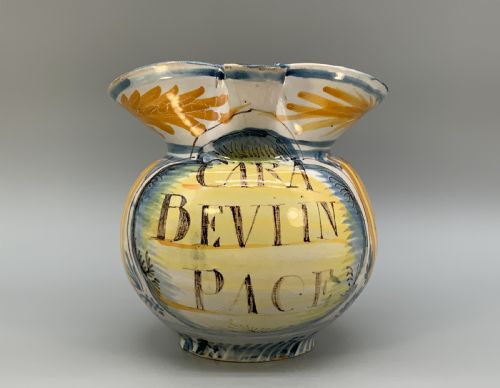
When you search for 19th century italian pottery, you encounter a distinct array of earthenware vessels, pharmacy jars, and cabinet pieces. The selection here leans heavily towards tin-glazed earthenware, majolica, and terracotta from various Italian workshops and regions.
You will frequently find apothecary jars, albarello pharmacy wet drug jars, and decorative vases spanning the periods listed. These items reflect enduring traditional styles, including Renaissance revival and country Italian motifs.
The objects range from large wine jars and pedestal vases to intricate figures and painted plaques. Each piece demonstrates the enduring influence of earlier Italian ceramic traditions adapted during the nineteenth century.
How they were made
Potters shaped earthenware, ceramic, and terracotta bodies by hand or on the wheel before applying specialised glazes. Artisans utilised tin glaze and enamel to create smooth, opaque white surfaces suited for detailed painting.
Painters decorated the pieces using cobalt blue and polychrome palettes, frequently incorporating mangonese and yellow tones. Workshops then fired these glazed earthenware items to fix the pigments and achieve a durable finish.
Listings feature earthenware, terracotta, and tin-glazed ceramic forms across the nineteenth century, including pieces dated to eighteen-eighty and eighteen-ninety.
What varies in quality
The standard of 19th century italian pottery depends significantly on the precision of the brushwork and the complexity of the polychrome or blue and white palette. Finer examples display crisp detail in Renaissance revival motifs and careful control during the glazing process.
Form and scale also dictate distinction, with large presentation vases, pedestals, and signed plaques representing the more ambitious outputs of the period. Simpler country wares offer a different charm through robust potting and straightforward regional utility.
Cantagalli·Ulisse Cantagalli·C. Ravier
The 19th Century Italian Pottery Glossary
- Maiolica
- Tin-glazed Italian earthenware painted with coloured metallic oxides over an opaque white glaze. This technique allowed for vivid pictorial decoration on vases and apothecary vessels.
- Albarello
- A cylindrical earthenware jar originally used by apothecaries to hold drugs, ointments, or dry spices. The waisted shape allowed pharmacists to stack and grip the jars easily on shelves.
- Terracotta
- Fired unglazed or glazed clay of a brownish-red colour, utilised for larger utilitarian vessels and sculptural forms. It provides a robust and porous body for garden and wine storage jars.
- Faience
- European tin-glazed pottery, often associated with French and Italian traditions sharing technical roots with majolica. The white tin glaze provided a smooth canvas for detailed narrative or floral painting.
- Ewer
- A large jug with a wide spout and curved handle, often paired with a basin for pouring water. In decorative ceramic production, these vessels served ornamental roles rather than daily ablutions.
19th Century Italian Pottery: Frequently Asked Questions
What is an albarello used for?
An albarello is a cylindrical earthenware jar designed specifically for holding pharmacy ingredients, dry drugs, and herbal ointments in apothecary shops.
The distinctive waisted middle allowed pharmacists to lift and grip the jars securely from crowded shelves during the preparation of remedies.
How do I identify majolica pottery?
Majolica is identified by its opaque white tin glaze applied over an earthenware body, which serves as a base for painted metallic oxide colours.
You will typically observe rich cobalt blues, yellows, and mangonese pigments depicting Renaissance revival motifs, heraldic designs, or classical figures.
Are these pieces waterproof?
Many of these pieces feature glazed ceramic and earthenware bodies that hold water adequately for display as flower vases or jugs.
However, some porous terracotta vessels or historic apothecary jars may be slightly permeable, so using a modern liner inside large decorative vases is advisable.
What is Renaissance revival style?
Renaissance revival refers to nineteenth-century decorative arts that consciously imitated the artistic forms, motifs, and techniques of the fifteenth and sixteenth centuries.
In ceramics, this translated to a revival of tin-glazed majolica production, featuring classical imagery, grotesque borders, and vibrant polychrome palettes.