

19th Century Italian Painting
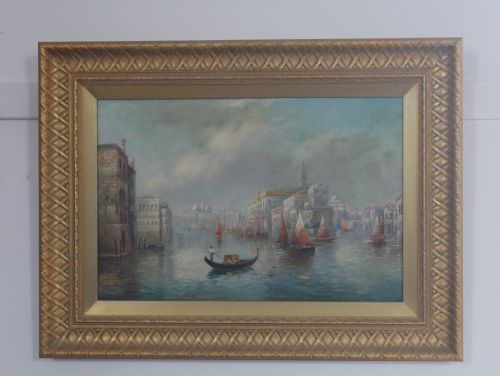
A 19th century italian painting captures the atmospheric light, coastal views, and figural scenes that drew artists across the continent during the grand tour.
19th Century Italian Painting
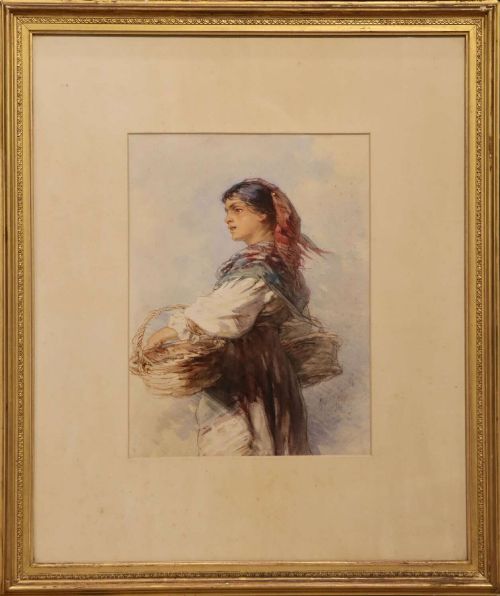
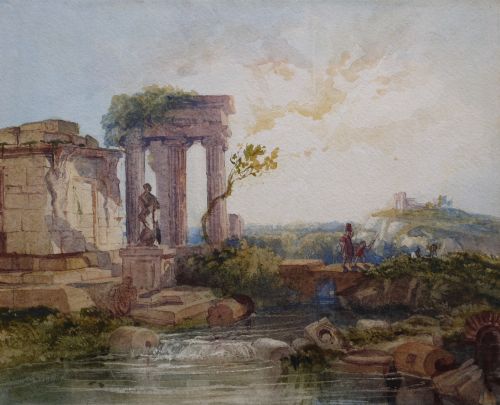
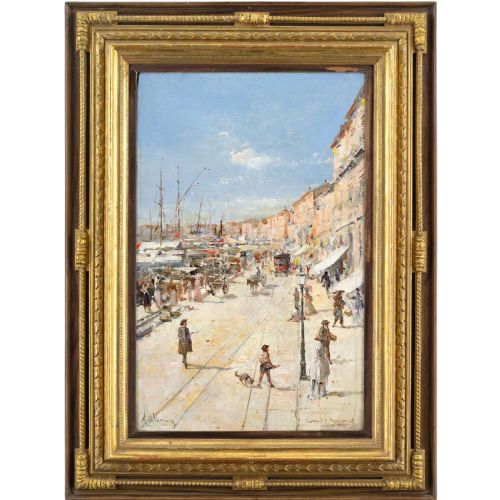
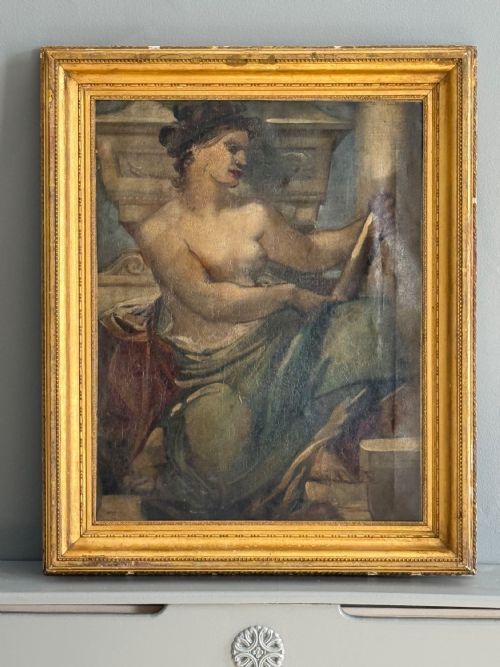
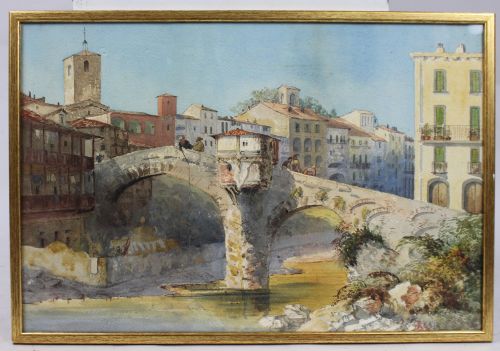
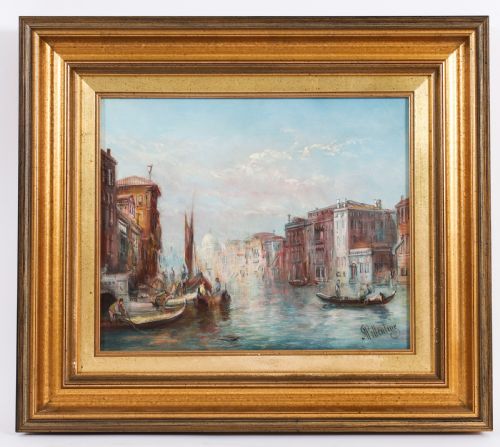
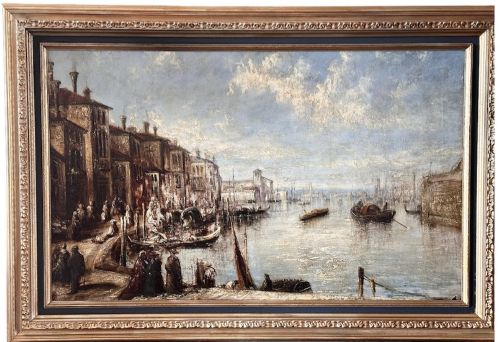
A 19th century italian painting encompasses framed canvases, watercolours on paper, and wood panel works depicting Venetian canals, Roman ruins, and genre scenes of local life. Buyers encounter signed works by named artists alongside pieces originating from regional schools.
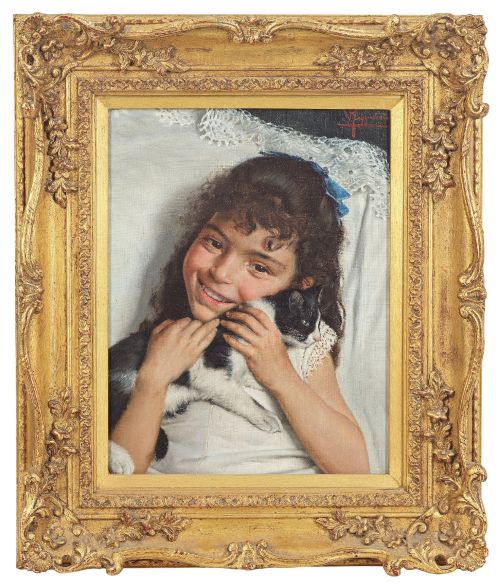
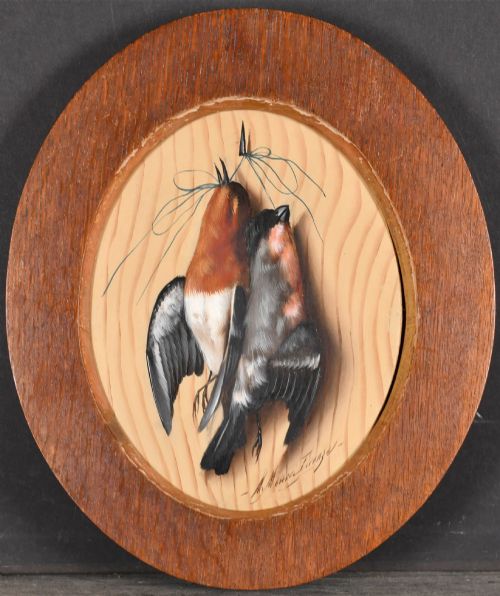
Subjects range from bustling piazzas and serene lakes to trompe l'oeil still lifes and religious compositions. Many works retain their period gilt frames, preserving the complete presentation intended by the nineteenth-century makers.
Materials and Techniques
Works utilise oil paint applied to stretched canvas or wood panels, while lighter studies employ watercolour on paper. Painters built up compositions using layered pigments to capture Mediterranean light and shadow.
Listings feature oil on canvas, watercolour on paper, and wood panel supports spanning the nineteenth century.
Evaluating Quality
Brushwork fluency and the handling of atmospheric perspective separate accomplished compositions from routine topographical records. The finest examples demonstrate confident draftsmanship in figures and architecture.
Condition of the painted surface and originality of the mounting frame influence the standing of a piece. Works retaining their initial canvas support and contemporary gilt presentation hold greater integrity.
Guido Bach·Richard Principal Leitch·Dumini Leopoldo·Vittorio Reggianini·Augusto Alberici·Alfred Pollentine·Francis Moltino·Michelangelo Meucci·Umberto Volpato·Carlo Ferranti·Renato Moretti·Filipo Indoni·Costantino Frixione·Vincenzo Irolli·Francesco Gioli·Hugh Vane Turner·John Wilson Carmichael·Thomas L Rowbotham·RP Bonington·Eugene von Blaas·Michela de Vito·Adriano Cecchi·John Syme·William Page·Francesco Peluso
The 19th Century Italian Painting Glossary
- Grand Tour
- A cultural journey of Europe undertaken by wealthy young men in the eighteenth and nineteenth centuries, which generated a strong demand for Italian landscape paintings and architectural views.
- Gouache
- An opaque watercolour medium used by artists to achieve matte surfaces and dense colour saturation in paper works.
- Genre Painting
- The pictorial representation of scenes from everyday life, involving figures in work or leisure settings.
- Capriccio
- An architectural fantasy placing together classical ruins, buildings, and other architectural elements in a fictional compositional landscape.
- Tondo
- A circular work of art, painted or sculpted, popular in Italian traditions.
19th Century Italian Painting: Frequently Asked Questions
How do I identify a nineteenth-century Italian watercolour?
Nineteenth-century watercolours on paper typically depict Italian landscapes, coastal scenes, or peasant figures, often signed and dated by the artist. Many survive within period gilt frames under glass.
Examination of the paper stock and pigment handling helps distinguish these period works from later reproductions.
What subjects are common in these paintings?
Popular subjects include views of the Venetian Grand Canal, Roman architectural ruins, Neapolitan coastal waters, and figures in regional dress. Artists frequently recorded the scenery encountered during travels across the peninsula.
Still lifes, religious scenes, and intimate domestic portraits also appear regularly within the period output.
Are these artworks usually signed?
Many works bear artist signatures, monograms, or studio inscriptions, while others remain attributed to specific regional schools or stylistic circles. Signatures often appear in the lower corners of canvases or paper sheets.
Unsigned paintings are typically evaluated through technique, subject matter, and comparable works by known hands.
How should I care for an oil on canvas?
Display paintings away from direct sunlight, high humidity, and rapid temperature changes to protect the canvas support and pigment layers. Gentle dusting with a soft, dry brush maintains the surface.
Avoid using liquid cleaners or attempting restoration without professional conservation advice.