
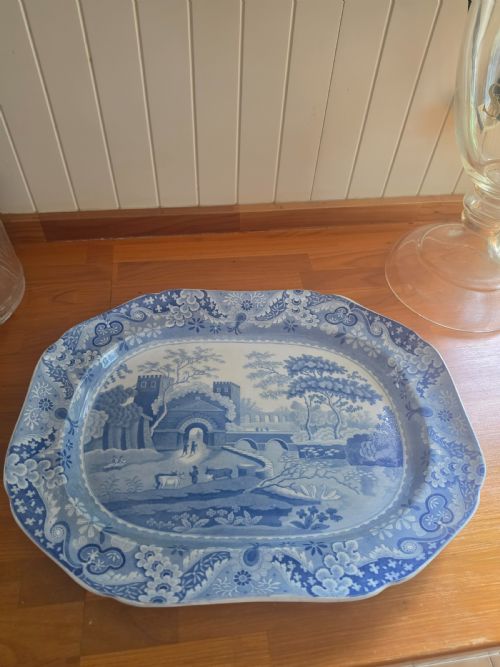
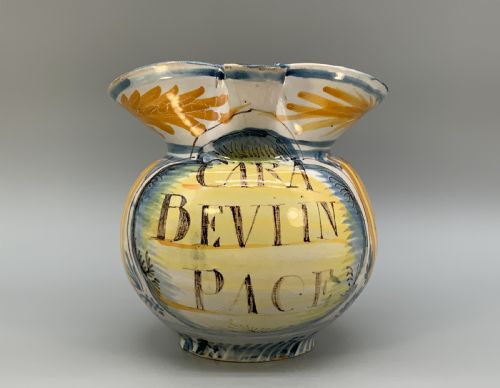


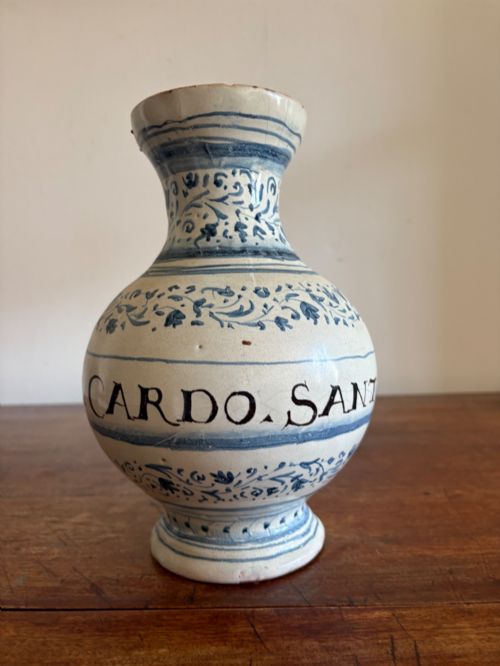


19th Century Italian Ceramics
These 19th century italian ceramics offer tactile connections to historical workshops through earthenware, terracotta, and porcelain forms.
19th Century Italian Ceramics
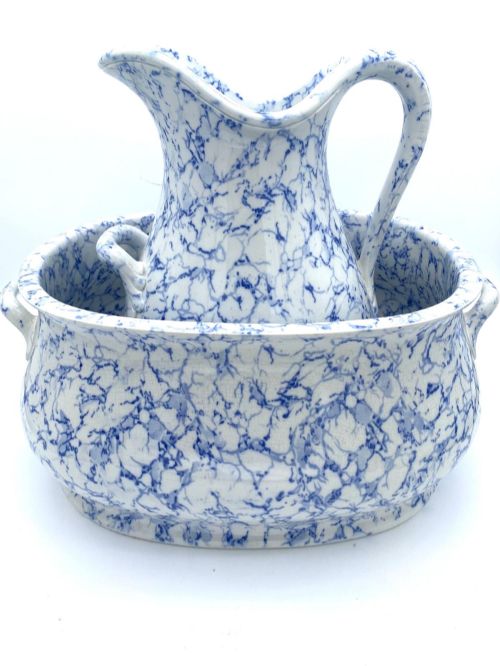
When you search for 19th century italian ceramics, you encounter a varied selection of utilitarian vessels, decorative figures, and architectural elements created across the peninsula. The objects on this page span apothecary jars, vases, urns, wash sets, and sculptural plaques that reflect both traditional domestic uses and revivalist tastes.
The material record of these pieces draws heavily from the 19th century, alongside bridging examples from the 18th century, Victorian, Regency, and Georgian periods. You will regularly find forms associated with Italian Renaissance Revival and Neoclassical styles, as well as distinct country regional outputs.
Factory-made wares sit alongside hand-modelled terracotta figures and tin-glazed vessels. Makers such as Cantagalli, Richard Ginori, and Capodimonte shape the character of the selection, offering everything from cabinet vases to life-size busts.
Materials and Techniques
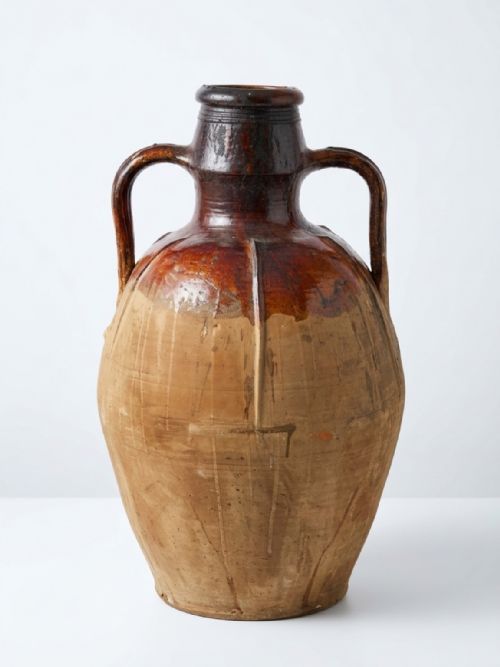
Potters and modellers utilised earthenware, terracotta, and porcelain as the primary physical bases for these objects. Earthenware and terracotta bodies provided the structural support for tin glaze, enamel, and polychrome pigments applied during decoration.
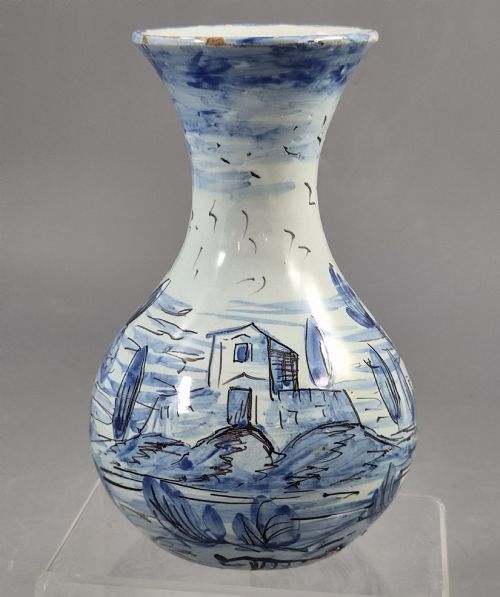
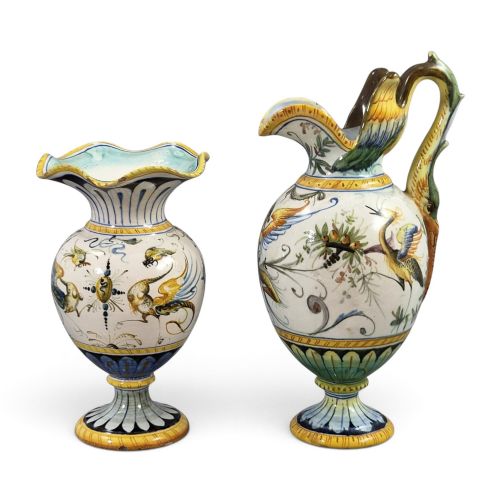
The application of tin glaze created an opaque white surface suitable for elaborate hand-painted narratives and floral motifs, often seen in majolica and faience productions. Gold leaf accents and cobalt blue pigments further enriched surfaces on cabinet pieces and tableware.
Moulding and wheel-throwing formed the foundational shapes of albarelli, pharmacy jugs, and chargers, while sculptural pieces relied on careful hand-modelling and firing of terracotta and porcelain pastes.
Object forms include apothecary jars, pharmacy jugs, chargers, ewers, and life-size terracotta busts.
Assessing Quality and Execution
Quality in these ceramics rests upon the precision of the modelling, the clarity and stability of the glaze, and the confidence of the hand-painting. Superior examples display crisp definition in moulded details and rich, controlled application of polychrome or blue and white pigments without muddying.
The execution of revivalist styles depends on the artisan's adherence to historical precedents, distinguishing finely painted cabinet pieces from standard production wares. The integration of materials such as gold leaf and enamel also marks the distinction between everyday domestic items and ambitious display works.
Cantagalli·Richard Ginori·Capodimonte·Achille Mollica
The 19th Century Italian Ceramics Glossary
- Majolica
- A type of tin-glazed earthenware decorated with opaque colours over a white background. It frequently displays Renaissance Revival motifs and vibrant polychrome palettes.
- Albarello
- A cylindrical earthenware jar used by apothecaries to store dry drugs, herbs, and ointments. These vessels typically feature waisted sides for easy gripping.
- Terracotta
- Fired unglazed clay ranging in colour from buff to deep red. It serves as the primary medium for both architectural plaques and life-size sculptural busts.
- Faience
- European tin-glazed pottery produced using techniques similar to majolica. The term often describes wares associated with traditional Italian and Dutch manufacturing centres.
- Cachepot
- A decorative container designed to hold a flowerpot. These vessels appear frequently in ceramic and porcelain forms across the period.
19th Century Italian Ceramics: Frequently Asked Questions
What is an albarello used for?
Albarelli function as cylindrical pharmacy jars designed to hold dry drugs, electuaries, and herbal remedies in apothecary shops. Their waisted shape allowed apothecaries to lift and handle them securely on crowded shelves.
Over time, these vessels transitioned from strictly utilitarian dispensary items into decorative cabinet pieces collected for their painted tin-glazed surfaces.
How do I identify majolica?
Majolica is identified by its characteristic tin-glaze surface, which provides an opaque white ground for hand-painted polychrome or blue and white decoration. The glazes often exhibit a glossy sheen and rich colour saturation.
Pieces from the 19th century frequently draw inspiration from earlier Renaissance styles, utilising grotesque ornaments, portraits, and historical narratives.
Where were these ceramics made?
These ceramics originate from various production centres across Italy, including Florence, Naples, and regional pottery workshops. Different regions specialised in distinct techniques, such as tin-glazed earthenware or hard-paste porcelain.
Major factories like Cantagalli in Florence and Ginori in Doccia drove much of the revivalist output during the 19th century.
How should I clean terracotta?
Terracotta requires gentle maintenance due to the porous nature of the fired clay body. Dusting with a dry, soft-bristled brush prevents particle accumulation without introducing moisture.
Avoid using water or liquid cleaning agents, as unglazed terracotta absorbs liquids readily and can suffer surface degradation over time.