


19th Century Inlaid Mirror
A 19th century inlaid mirror brings warmth and pattern into a room through timber frames and contrasting wood work.
19th Century Inlaid Mirror
A 19th century inlaid mirror spans wall mounted glasses, overmantel designs, and smaller table or dressing swing mirrors. The search phrase covers pieces originating across the nineteenth century, taking in Regency, Victorian, and Edwardian periods.
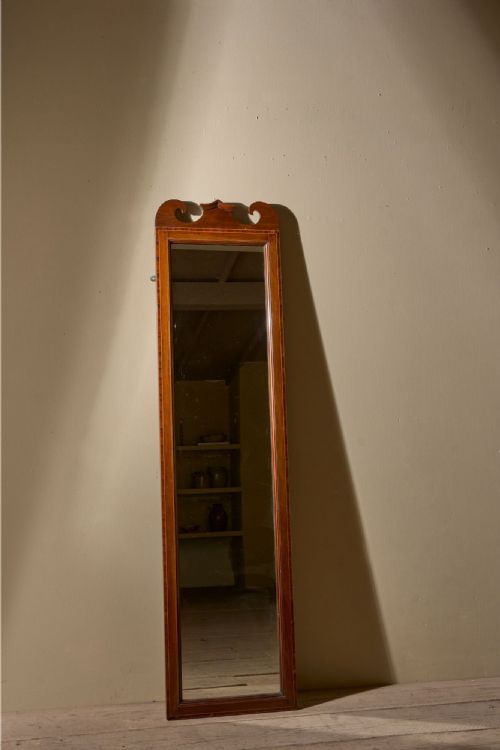
The versions met most frequently on this page combine mahogany, rosewood, or walnut frames with delicate wood marquetry or brass detailing. Forms range from large pier mirrors designed for placement between windows to compact toilet mirrors sitting on dressing tables.
How they were made
Cabinet makers constructed the solid timber frames using dense hardwoods like mahogany, walnut, and rosewood, often applying veneers to flat surfaces. Marquetry patterns were cut from contrasting woods and fitted flush into recesses within the primary wood.
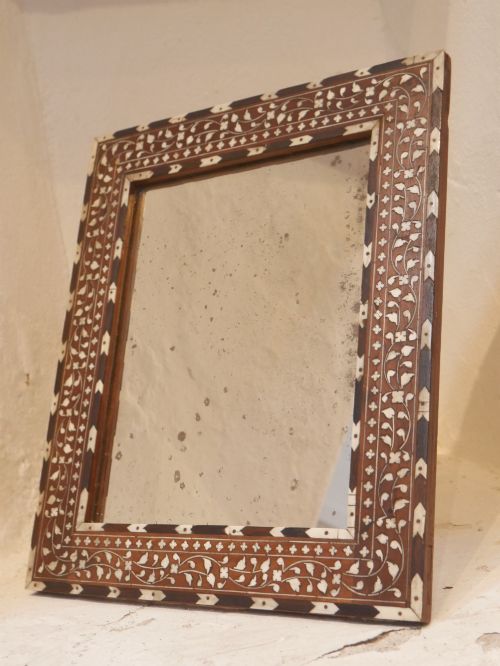
Many examples incorporate cast brass or ormolu mounts, alongside glass mirror plates held securely within rebated wooden mouldings. Some specific regional techniques utilise local materials, such as intricate bone or wood inlay work from Hoshiarpur.
The archive records wall mirrors, overmantels, and dressing table swing glasses decorated with intricate floral marquetry and Tunbridge Ware mosaics.
What varies in quality
The distinction between standard examples and the finest pieces lies in the precision of the marquetry and the choice of figured timber. Burr walnut, satinwood, and burr yew-wood veneers demonstrate superior selection by the maker.
Integration of secondary metals, such as giltwood or ormolu mounts, elevates the decorative ambition of the frame. The crispness of carved details and the survival of the original mercury glass plate contribute further to the distinction.
Gillows·Holland and Sons
The 19th Century Inlaid Mirror Glossary
- Marquetry
- Decorative inlay work forming pictorial or geometric patterns using various coloured wood veneers fitted together. This technique creates detailed floral or scroll designs on the frame surface.
- Overmantel mirror
- A large mirror designed specifically to hang above a fireplace mantelpiece. These pieces often feature wide timber frames and horizontal proportions suited to domestic hearths.
- Pier mirror
- A tall vertical mirror designed to hang on the wall space between two windows. They frequently match the narrow proportions of the architectural pier.
- Ormolu
- Gilded bronze ornamentation applied to furniture and mirror frames. The technique provides metallic highlights against dark woods like walnut and mahogany.
- Tunbridge Ware
- Small scale mosaic woodwork produced in Kent, featuring tiny pieces of naturally coloured wood assembled to create geometric or pictorial designs. Frames incorporating this work display remarkable miniature craftsmanship.
19th Century Inlaid Mirror: Frequently Asked Questions
What is a swing mirror?
A swing mirror sits on a small frame with upright supports that allow the glass plate to tilt back and forth. These pieces typically rest on top of dressing tables or chests of drawers.
Cabinet makers produced them extensively through the nineteenth century in mahogany and rosewood. The pivoting mechanism relies on brass screw pins fitted into the side posts.
How do I date an overmantel mirror?
Dating relies on the frame style, timber choice, and the construction methods used on the backboards. Regency examples often display classical architectural motifs, while later Victorian versions utilise heavily figured walnut and brass detailing.
The mirror plate itself can offer clues, though many original glasses have been replaced over time due to deterioration. Frame proportions also shift across the decades from vertical Regency shapes to wider Victorian formats.
Where should I hang a pier mirror?
A pier mirror suits narrow wall spaces, traditionally positioned between two windows to reflect natural light back into the room. Their tall vertical proportions make them effective for rooms with high ceilings.
Securing these heavy frames requires fixing directly into wall studs or using appropriate masonry anchors. Position them at eye level to maximise their reflective qualities within the interior.