

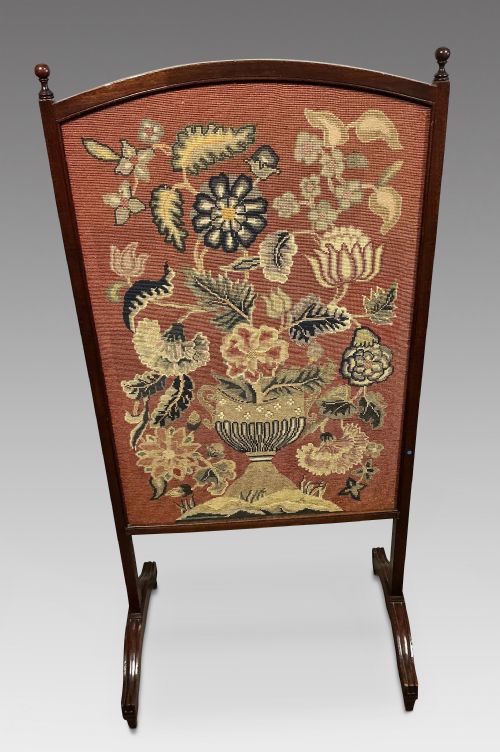


19th Century Hearth Screen
A 19th century hearth screen guards the room from radiant heat while framing delicate needlework or polished metal.
19th Century Hearth Screen
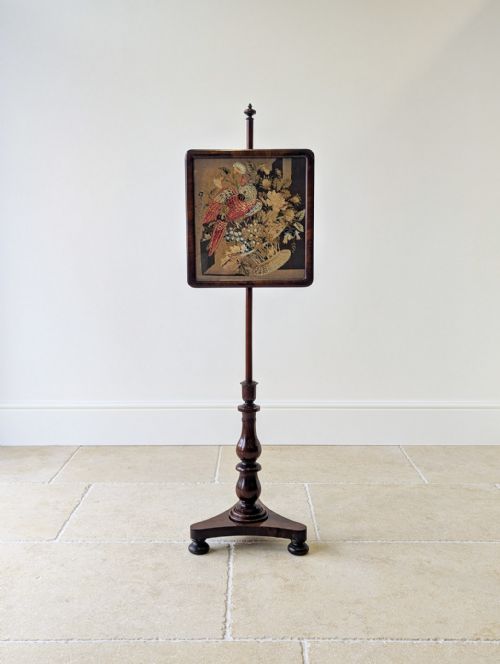
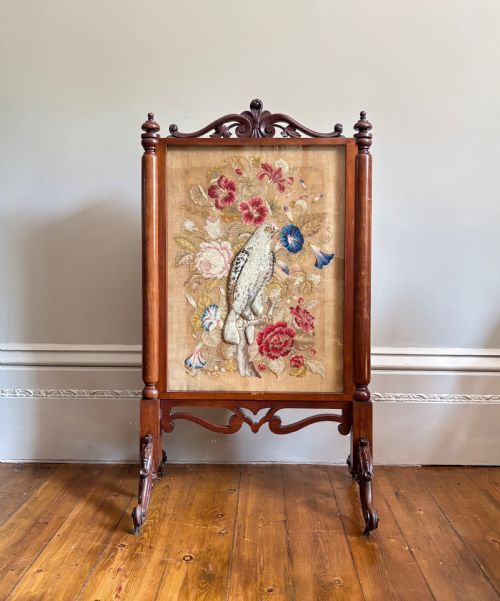
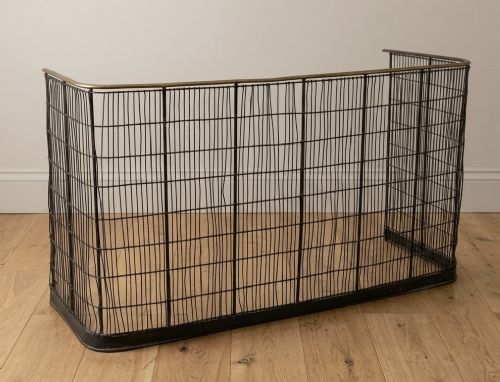
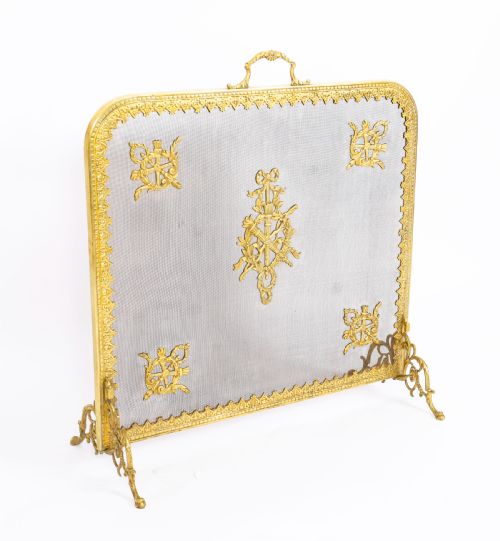
When you search for a 19th century hearth screen, you encounter two primary functional forms designed to shield occupants from open fires. The first is the tall pole screen, featuring a vertically adjustable panel mounted on a turned timber shaft with a tripod base. The second is the standing screen or fender combination, often fitted with folding glazed panels, mesh, or decorative textiles.
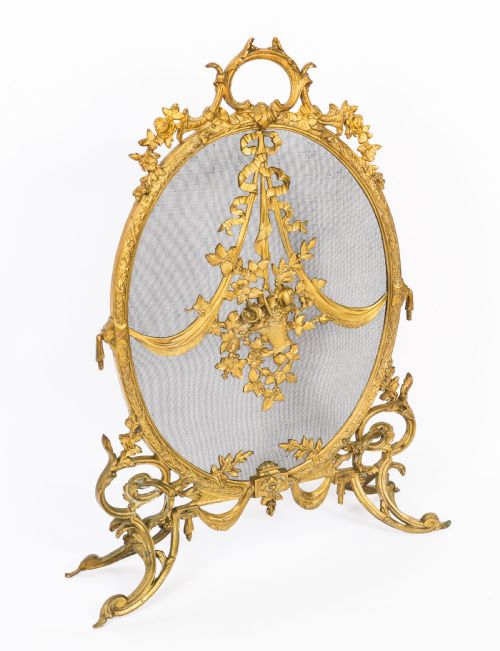
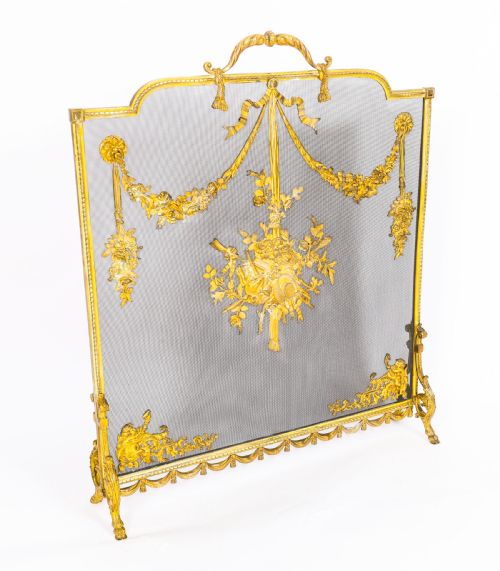
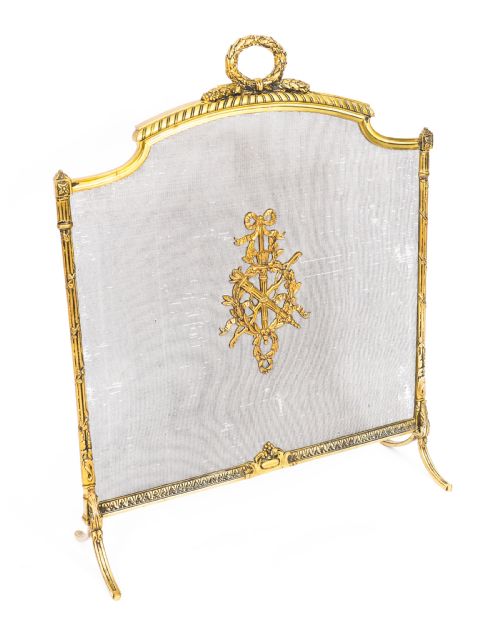
The materials and styles span the Georgian, Regency, William IV, and Victorian periods, alongside French revival movements such as Rococo, Empire, and Louis XVI. Timbers like mahogany, rosewood, walnut, and giltwood predominate in the upright frames, whilst metals such as brass, copper, and bronze form the folding and mesh variants.
Most examples date from the middle and latter decades of the nineteenth century, reflecting changing domestic habits around coal-burning grates. Whether configured as a simple brass guard or an elaborate carved mahogany stand with embroidery, each piece served to protect complex textiles and human skin from intense flames.
Materials and construction
Makers constructed the timber frameworks using dense native and exotic hardwoods, frequently employing mahogany and rosewood for stability and rich grain patterns. Pole screens rely on precision turning for the central pillar and solid tripod feet to support the weight of the adjustable screen above.
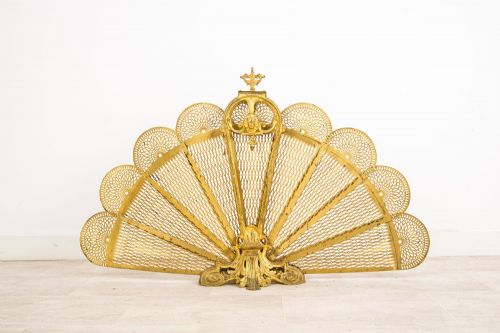
Metal components utilise cast brass, ormolu, and copper, shaped into openwork frames, articulated peacock fans, and protective wire mesh. Decorative panels incorporate hand-worked textiles, including Berlin wool work, needlepoint, tapestry, poker work, and etched glass.
One exceptional folding screen opens like a peacock's tail to greet the room.
Assessing craftsmanship and condition
Quality rests heavily on the crispness of the carving, the weight and finish of the cast brass elements, and the structural integrity of the adjusting mechanisms. Superior pole screens maintain tension on the sliding collar without slipping, whilst lower grades exhibit loose joints or replaced components.
The artistic merit of the central panel heavily dictates overall distinction, distinguishing factory-produced textiles from finely executed needlework samplers and heraldic depictions. Original glass, unpolished patinas, and intact bronze mounts elevate the standing of French revival and English Regency examples.
The 19th Century Hearth Screen Glossary
- Pole screen
- A freestanding domestic screen with an adjustable panel sliding vertically on a central timber pillar. This design allowed sitters to block radiant heat from their faces whilst seated near an open hearth.
- Berlin work
- A style of counted-thread embroidery popular during the nineteenth century, worked in wool on canvas from printed gridded patterns. These colourful panels frequently form the decorative centrepieces of Victorian screens.
- Ormolu
- Gilt bronze mounted onto decorative metalwork, widely utilised by French makers to embellish Empire and Rococo revival frames. The technique involves applying a mercury and gold amalgam to bronze.
- Poker work
- A pyrogravure technique using heated metal tools to burn designs into wood or leather panels. Examples employing this method showcase detailed tonal shading directly onto the timber surface.
- Needlepoint
- A form of canvas work embroidery stitched tightly over a mesh foundation. It provides a durable and colourful surface well suited to withstanding the daily warmth of a domestic fireplace.
19th Century Hearth Screen: Frequently Asked Questions
How did people use a pole screen?
A pole screen stood near the fireplace to shield the face from the intense radiant heat of an open coal fire. Users adjusted the height of the panel along the central wooden shaft as needed.
This prevented facial cosmetics from melting and protected delicate complexions from excessive warmth while maintaining a comfortable distance from the hearth.
What is the difference between a pole screen and a fender?
A pole screen is a vertical, freestanding unit designed to block heat from a specific person seated nearby. It consists of a sliding panel on a pedestal base.
A fender is a low barrier placed directly on the floor around the hearth perimeter. Some large nursery versions incorporate integrated brass wire guards or mesh panels for safety.
How do I distinguish Regency from Victorian screens?
Regency screens typically feature restrained classical lines, rectilinear or oval frames, and fine rosewood or mahogany veneers. Giltwood accents and tripod bases reflect early nineteenth-century neoclassical tastes.
Victorian screens lean towards heavier proportions, elaborate carving, and revival styles such as Rococo and French Empire. They frequently incorporate dense Berlin wool work or pierced brass mesh.
Can these screens still be used near a working fire?
Whilst historically placed close to heat sources, antique screens feature aged textiles, dried wood, and delicate adhesives that require careful placement. Modern safety standards for fire guards differ from nineteenth-century domestic use.
Most buyers today position them as decorative room dividers or wall-adjacent furnishings rather than active safety barriers before a roaring fire.