

19th Century Hat Rack
A 19th century hat rack is a practical hallway furnishing crafted to hold outerwear, offering both utility and period character.
19th Century Hat Rack
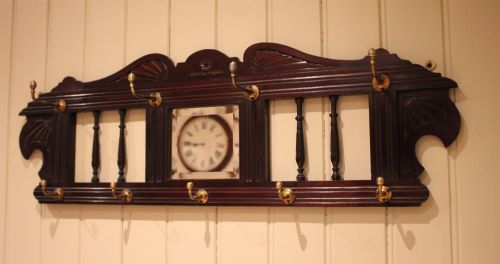
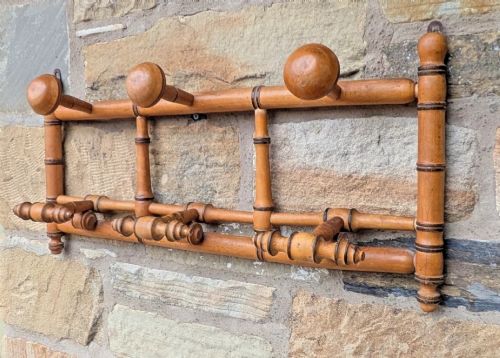
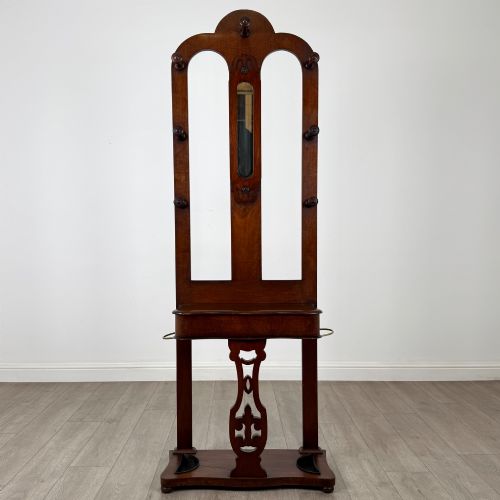
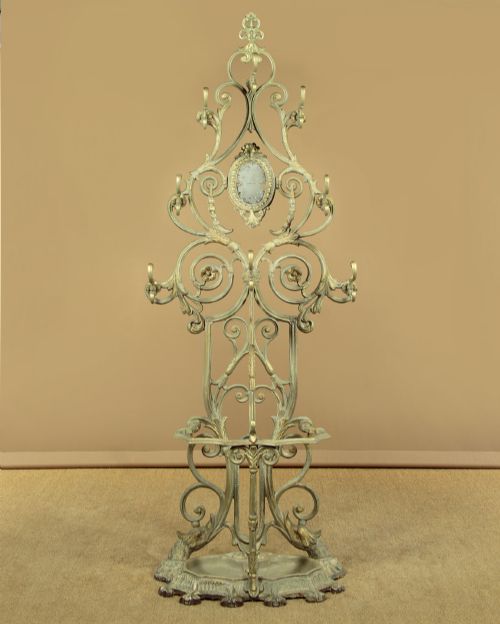
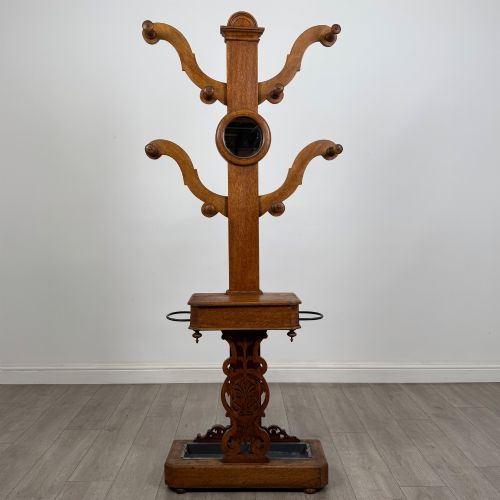
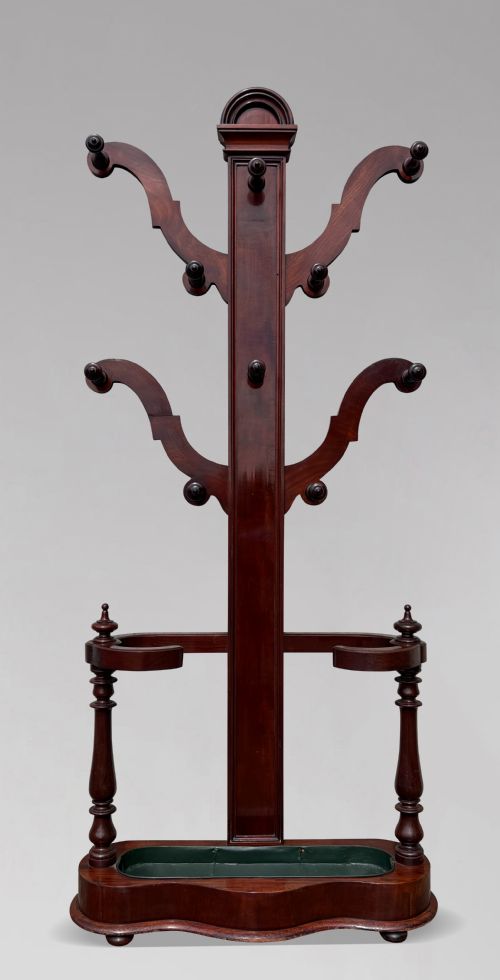
A 19th century hat rack encompasses freestanding hall stands, wall-hanging racks, and coat stands designed for entrance halls and corridors. These pieces typically combine hanging hooks with umbrella holders, mirror panels, or marble shelves, reflecting the domestic routines of the period.
The selections available range from substantial Victorian mahogany hall stands to decorative wall-mounted racks. Pieces span several decades of the nineteenth century, including specific expressions from the eighteen-fifties through to the turn of the twentieth century.
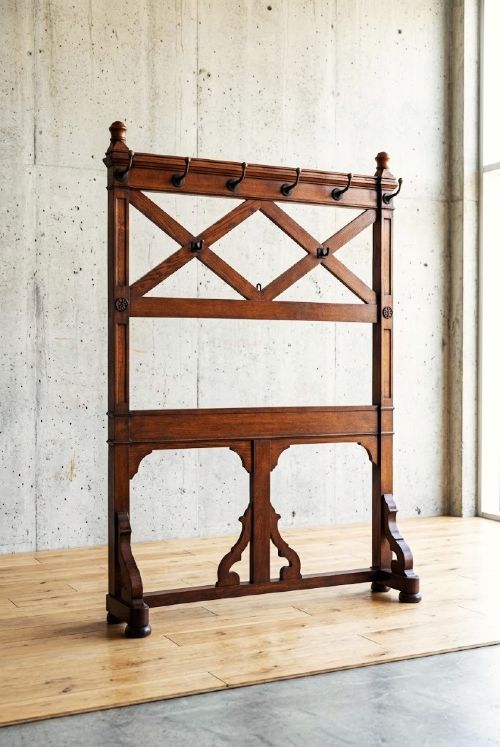
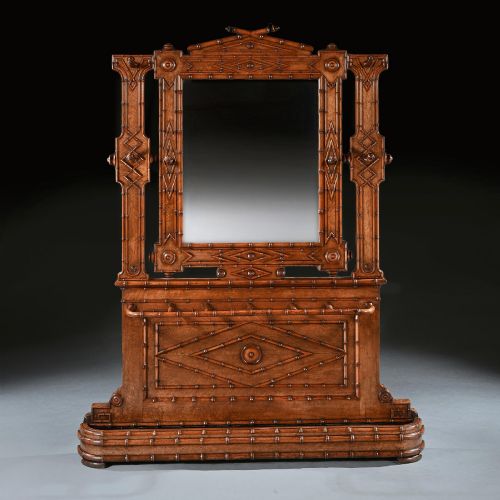
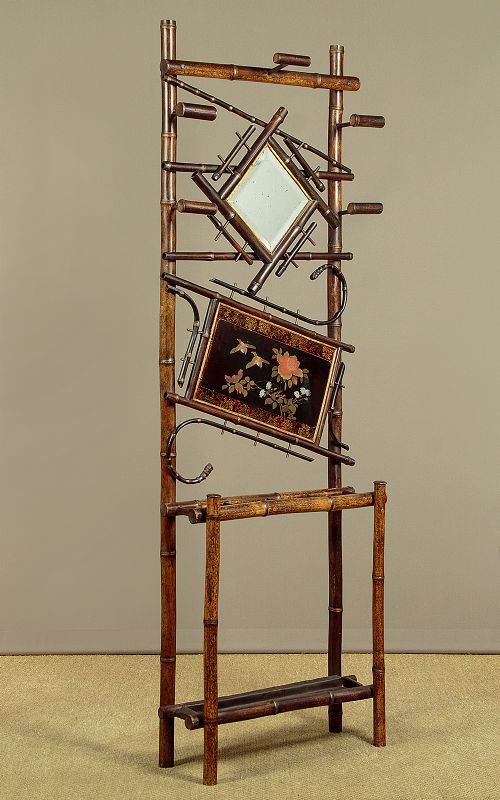
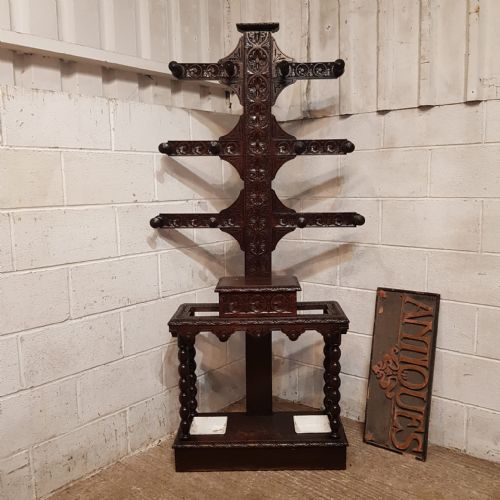
Regional styles vary considerably within the category, from British Victorian mahogany designs to continental European examples. Buyers frequently encounter Black Forest carvings, French faux bamboo creations, and Gothic Revival oak pieces.
Materials and construction
Construction relies heavily on timbers such as mahogany, oak, and pine, shaped into architectural or carved forms. Cabinetmakers utilised turning, joinery, and applied mouldings to build robust freestanding hall furniture and wall racks.
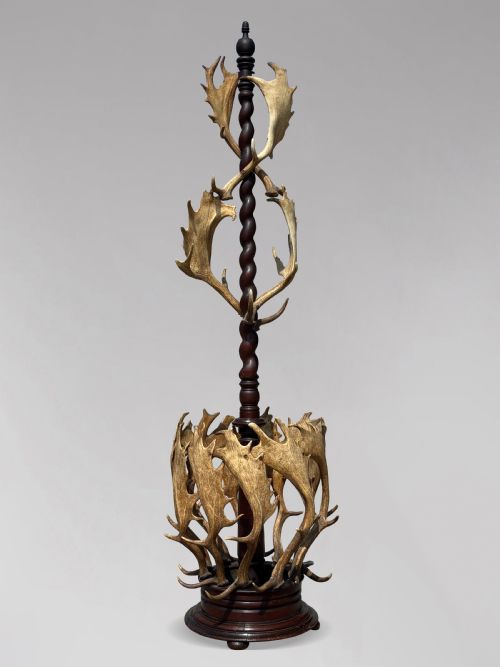
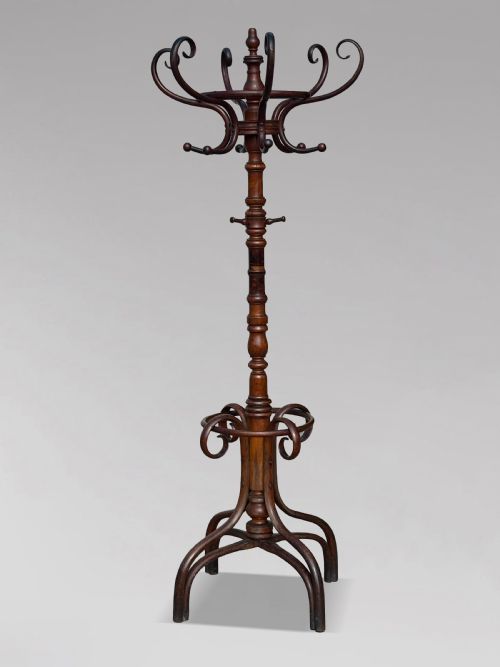
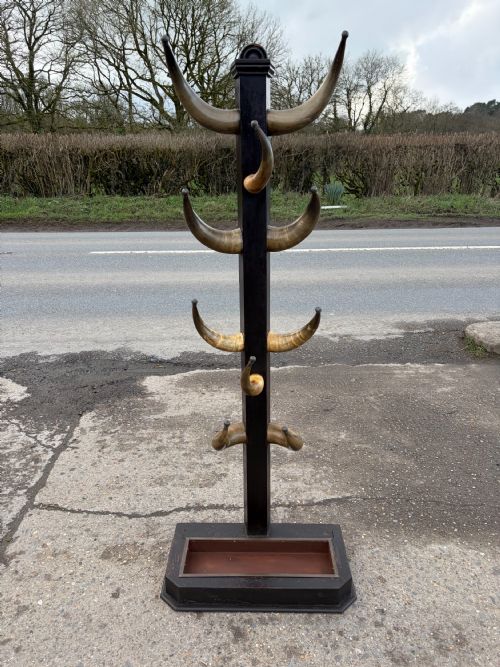
Alternative materials introduce distinct textures, including cast iron, polished brass, and bentwood. Organic elements such as cow horn, deer antler, and carved linden wood appear frequently in Black Forest and rustic animal-themed pieces.
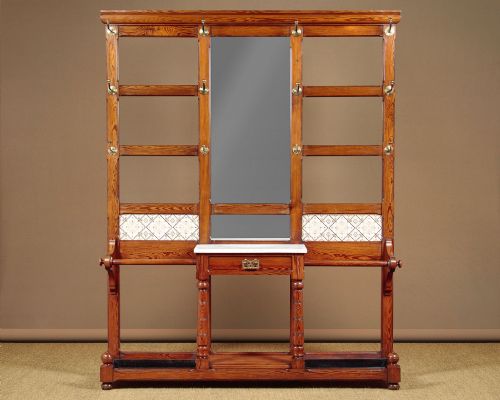
Functional additions integrate glass mirrors, marble shelves, and metal drip pans into the timber frames. These secondary materials require varied techniques, from stone-cutting and silvering glass to metal casting.
Listings span the nineteenth century, encompassing Victorian, Aesthetic Movement, and Gothic Revival styles alongside rustic Black Forest animal carvings.
Distinctions in quality
Quality rests upon the depth and precision of hand carving, particularly evident in Black Forest animal motifs and Gothic Revival woodwork. Superior examples exhibit crisp detail in foliage, figures, and turned columns, whereas simpler items rely on plain surfaces and minimal decoration.
The integrity of construction separates standard production from exceptional pieces. Solid timber frames with robust joints and integrated marble or brass elements outlast lighter, veneered, or structurally compromised alternatives.
J. Parker of Woodstock·Fischel·Falkirk Foundry·Thonet
The 19th Century Hat Rack Glossary
- Hall stand
- A large freestanding entrance hall furnishing combining coat hooks, a mirror, umbrella storage, and frequently a small shelf. These items formed a central focal point in Victorian hallways.
- Black Forest
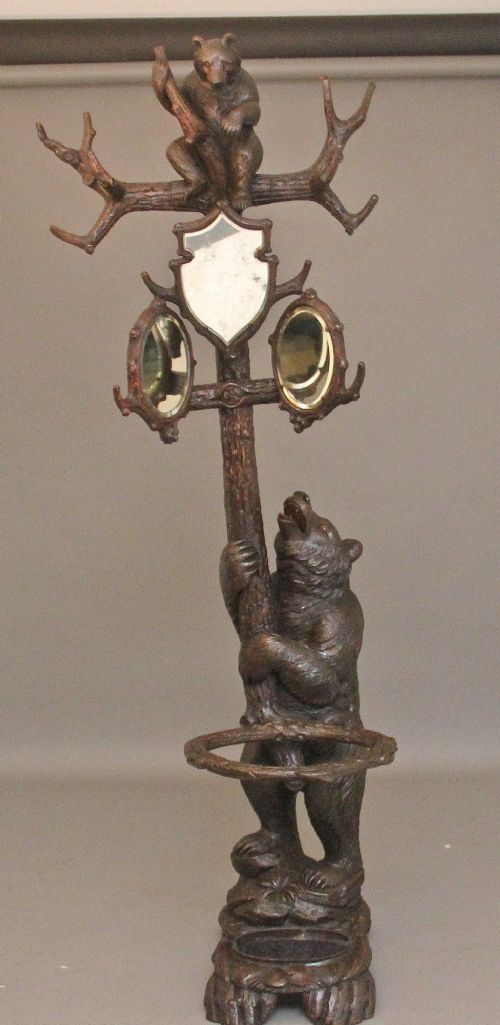
- A style of wood carving originating from the Swiss and German border regions, characterised by naturalistic depictions of animals, foliage, and antlers. Bears, deer, and chamois frequently adorn these items.
- Bentwood
- A technique of steaming timber until pliable and bending it into curved shapes, famously utilised by manufacturers such as Thonet and Fischel. This method created lightweight, flowing frames for coat and hat stands.
- Faux bamboo
- A decorative finish where wood, typically maple or beech, is carved or painted to imitate natural bamboo stalks. This technique gained popularity during the Aesthetic Movement and French Japonisme periods.
- Gothic Revival
- An architectural and decorative style drawing inspiration from medieval forms, featuring pointed arches, tracery, and heavy carved oak. Pugin championed this aesthetic during the nineteenth century.
19th Century Hat Rack: Frequently Asked Questions
Where were hall stands placed?
Nineteenth-century households positioned hall stands immediately inside the main entrance door. This location provided guests and residents with a convenient spot to deposit wet coats, hats, and walking sticks upon entering the home.
The inclusion of mirrors allowed individuals to check their appearance before stepping out, while built-in umbrella wells kept dripping water off interior wooden floors.
How do I care for antique wood?
Maintenance involves keeping wooden hat racks away from direct heat sources and drastic humidity changes. Natural wax applied periodically helps nourish the timber and preserve the surface sheen without building up excessive residue.
Hardware such as brass hooks and cast iron frames benefit from gentle dusting with a dry cloth to prevent the accumulation of grime in carved recesses.
Are wall racks sturdy?
Wall-hanging racks rely entirely upon secure installation into wall studs or masonry to support heavy winter garments. When properly anchored, solid wood and cast iron wall racks hold multiple coats and hats securely.
Checking the mounting points and original screw holes ensures the structure handles the weight of heavy wool and leather outerwear.
What is Black Forest carving?
Black Forest carving refers to nineteenth-century wooden decorative objects originating from central Europe, particularly known for animal figures. Sculptors rendered bears, deer, and dogs with realistic textures, often incorporating real antlers and horns.
These pieces served functional roles as hat racks, umbrella stands, and wall brackets while displaying high levels of artistic craftsmanship.
How to identify Victorian pieces?
Victorian pieces frequently feature dark hardwoods like mahogany, deep relief carvings, and symmetrical architectural proportions. The inclusion of bevelled mirror glass and cast iron drip pans points directly to mid-to-late nineteenth-century manufacturing standards.
Labels, stamps, or specific design movements such as Gothic Revival or Aesthetic Movement provide additional clues to the exact decade of origin.