


19th Century Glazed Cabinet
When you seek a 19th century glazed cabinet, you look for a timber display piece designed to protect and exhibit precious objects behind glass.
Forms and Origins
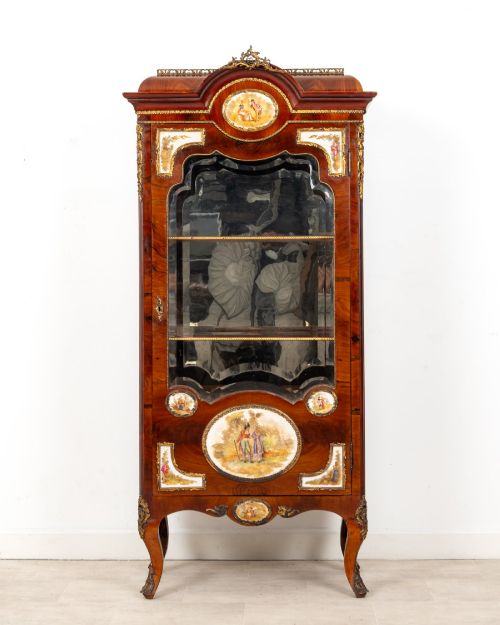
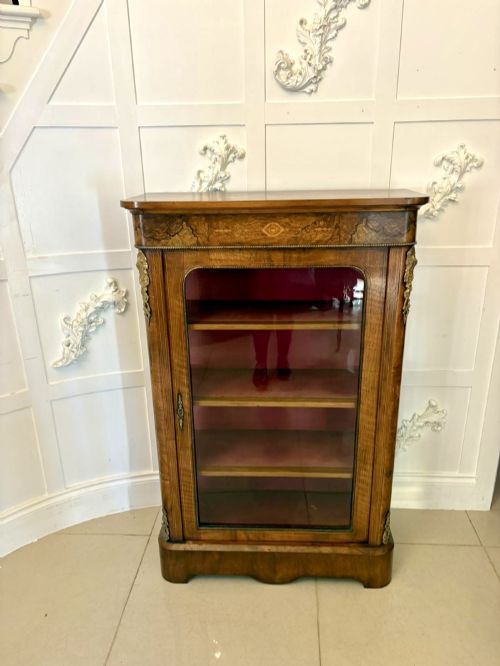
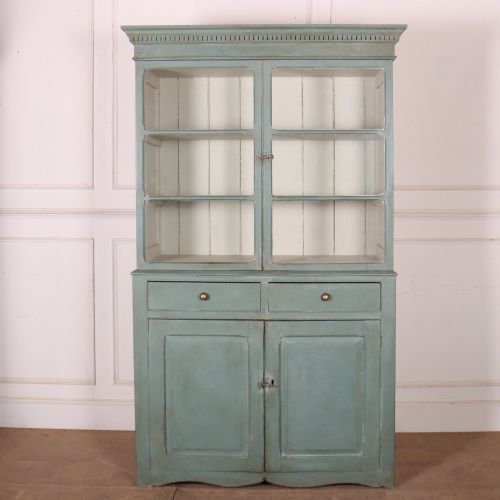
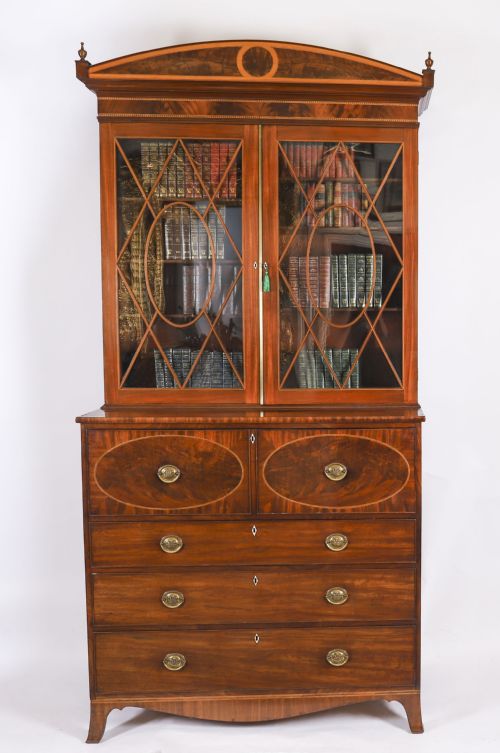
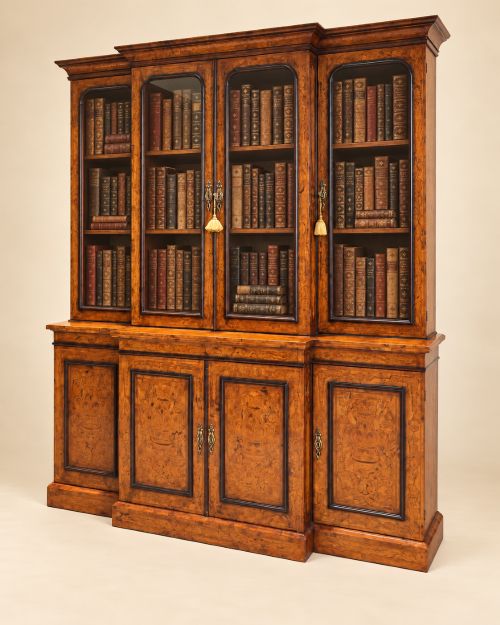
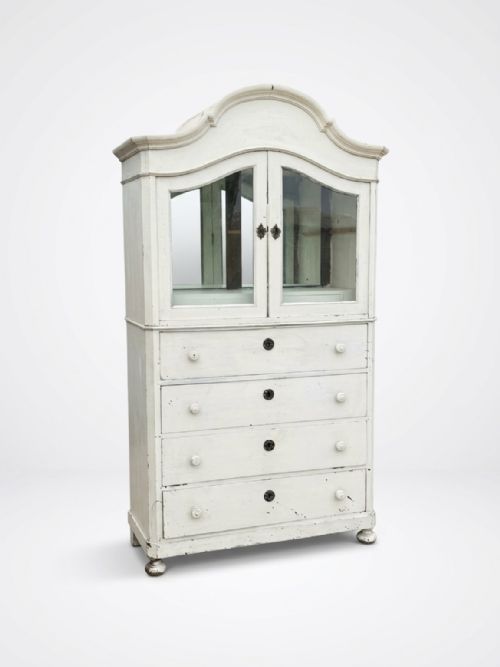
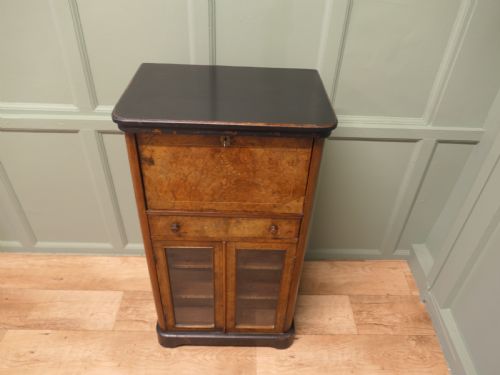
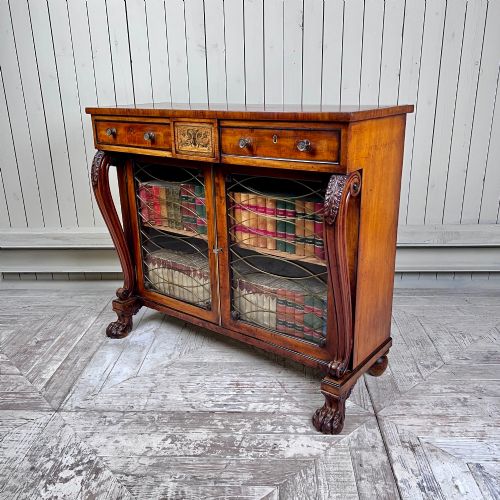
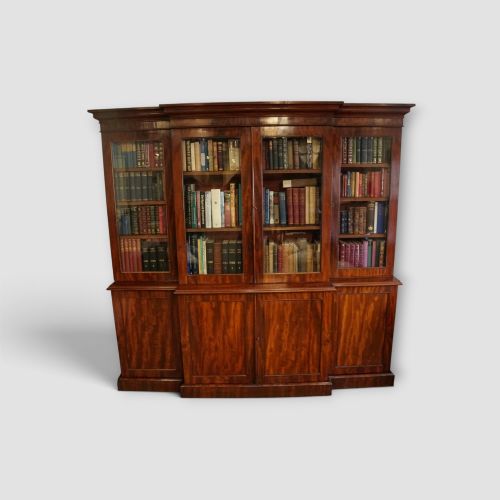
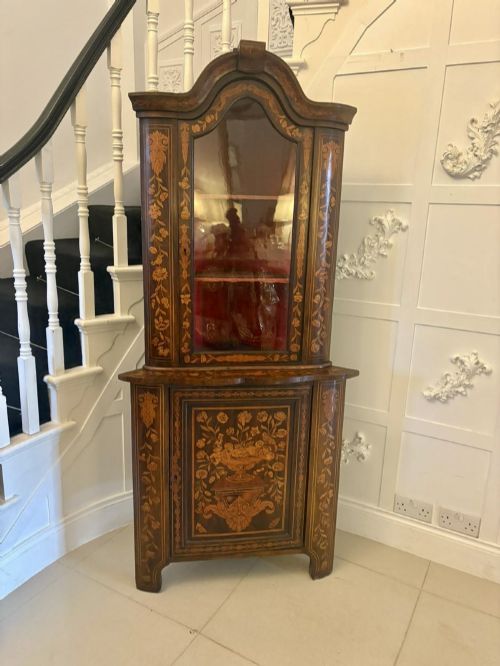
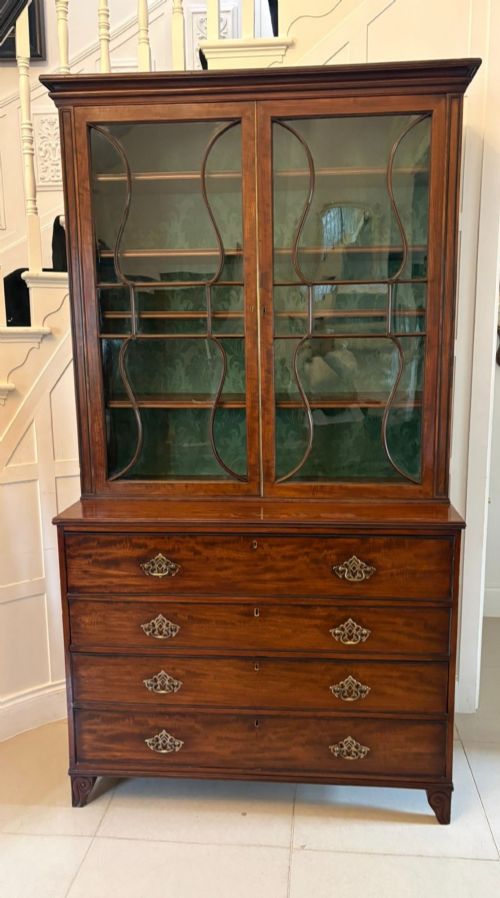
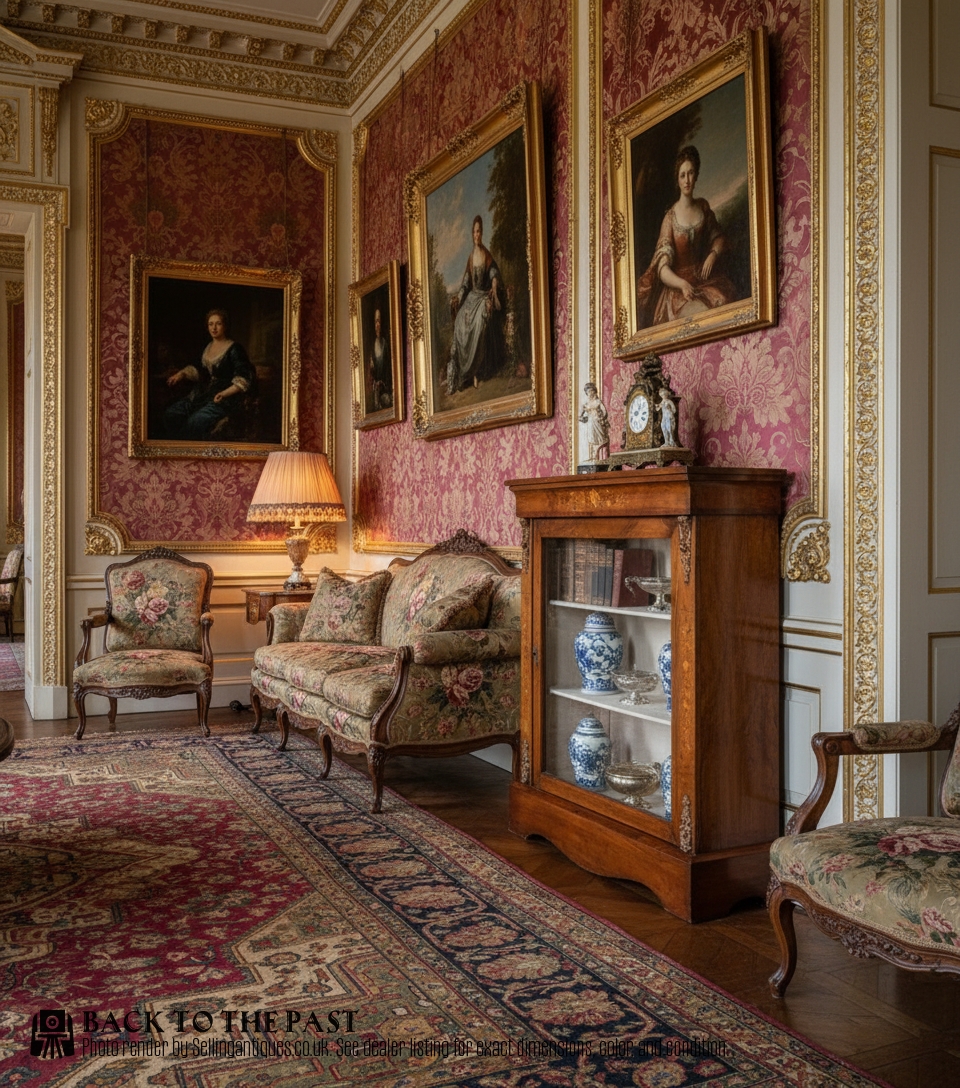
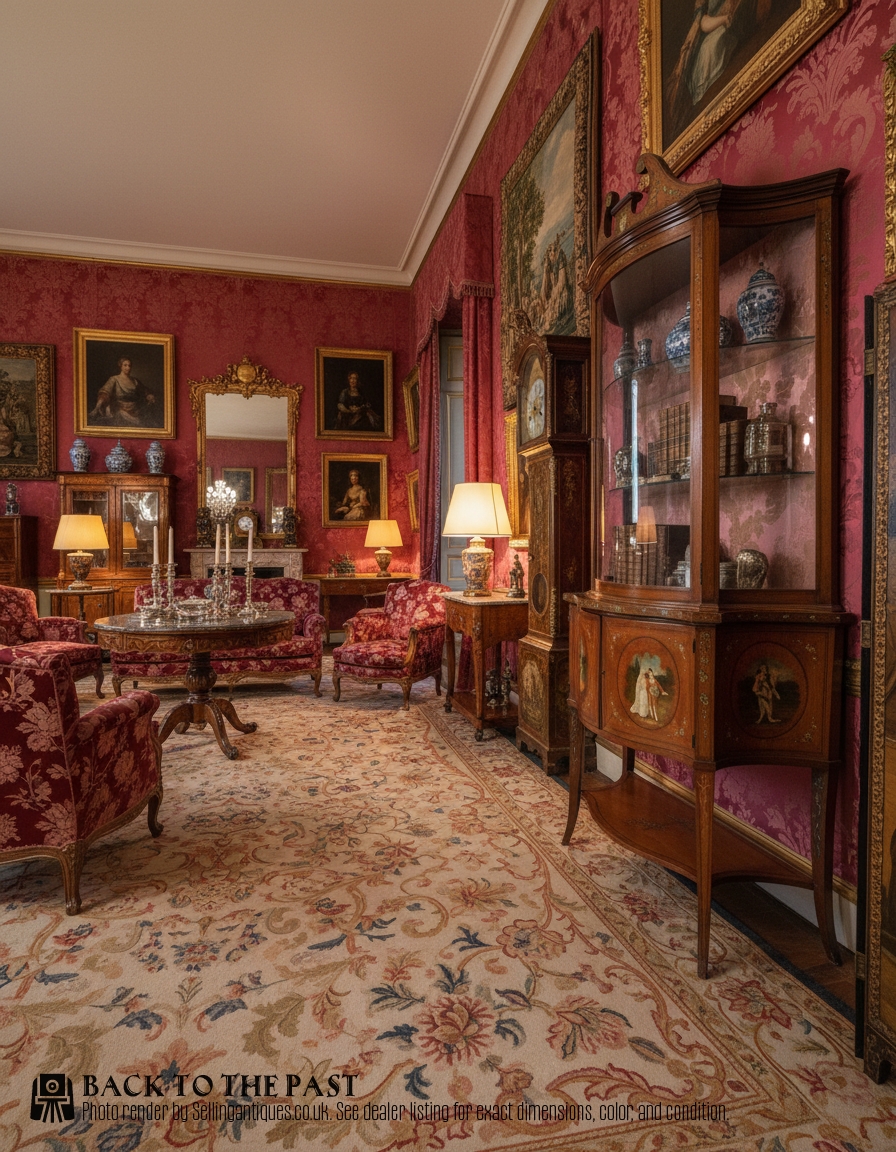
A 19th century glazed cabinet encompasses a broad variety of forms designed for storage and display, including floor-standing credenzas, pier cabinets, corner cupboards, and tall bookcases. These pieces originate from British, French, Scandinavian, and wider continental workshops working across the Victorian era and adjacent periods.
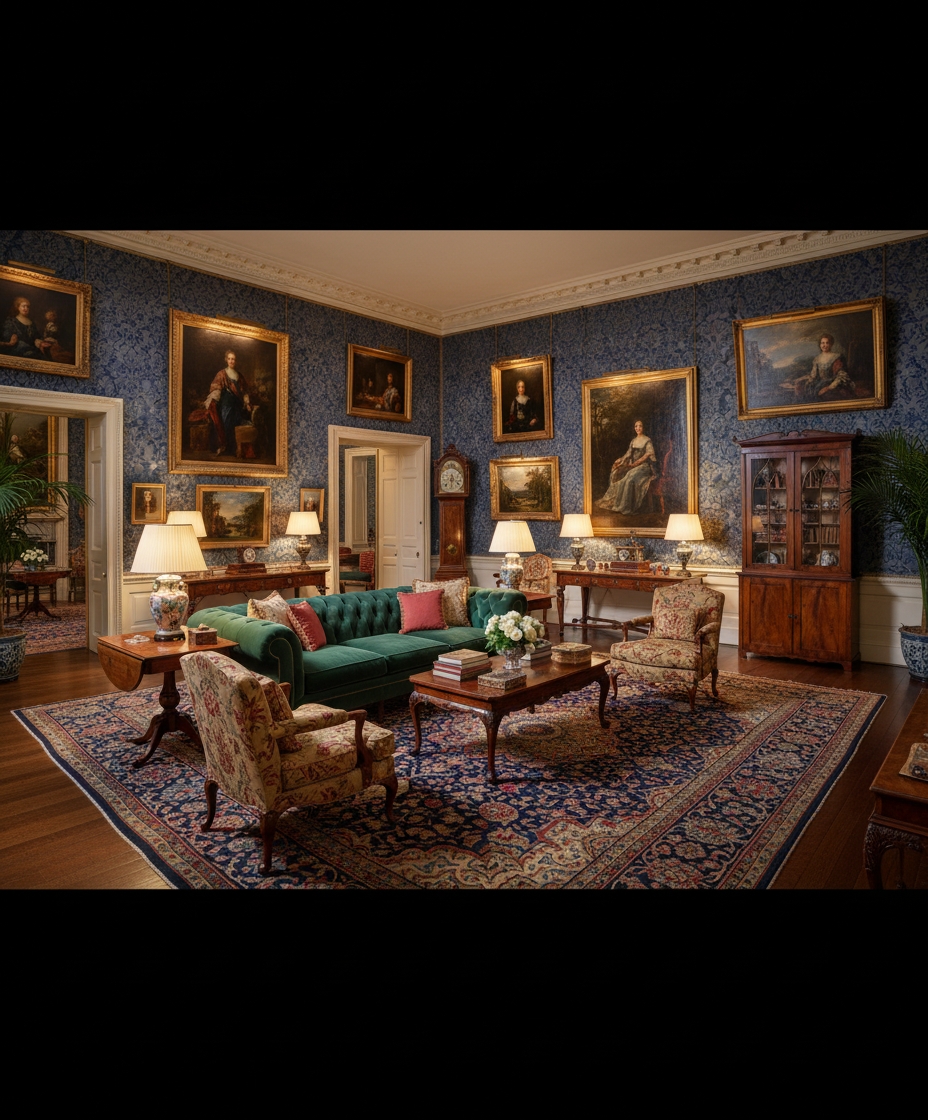
The most common examples encountered on this page are Victorian mahogany and walnut pier cabinets or display furniture, alongside painted pine cupboards and oak corner units. These items served different domestic spaces, from formal drawing rooms to kitchens and libraries, reflecting the diverse interior fashions of the nineteenth century.
Makers and cabinetmakers produced these works in distinct revival styles, incorporating French Chateau, Aesthetic Movement, Chippendale Revival, and Sheraton Revival motifs. Such stylistic diversity means a buyer finds everything from austere Scandinavian country cupboards to ornate marquetry and ormolu-mounted vitrines.
Materials and Technique
Makers constructed these cabinets using dense native and exotic timbers, most notably mahogany, walnut, kingwood, rosewood, oak, and pine. Many surfaces received specialist treatments, such as ebonising, hand-painting, floral marquetry, or gold inlay to enhance the visual depth of the wood.
Glazing techniques involved fitting individual glass panes into wooden or brass frames, sometimes utilising astragal bars or multi-panel layouts to structure doors and walls. Structural hardware included brass hinges, locks, and ormolu mounts that secured glass panels and heavy timber doors.
Retail Price Guide 2026
Typical UK retail prices for 19th century glazed cabinet, calculated from the Sellingantiques database of over a million retail prices indexed since 2003. This retail price guide relies exclusively on Sellingantiques data; no external sources or auction records are used, so the figures do not describe the wider market.
Some nineteenth-century music cabinets quietly stored sheet music behind glass long before digital playlists existed.
Assessing Quality
The tier of a cabinet depends upon the selection of timber veneers and the precision of the joinery used in its carcass. Flame mahogany, finely figured walnut, and intricate marquetry indicate higher workshop standards than plain painted pine or standard utilitarian construction.
Refinement in decorative details separates standard utility furniture from high-status display pieces. Ormolu mounts, cast brass details, gold inlay, and painted panels executed with technical control demonstrate the skill invested by the original cabinetmaker.
The 19th Century Glazed Cabinet Glossary
- Pier Cabinet
- A low cabinet designed specifically to fit the narrow wall space between windows. These pieces often feature glazed single doors and timber tops.
- Astragal
- A moulding profile used to divide glass panes within a door or window. These thin wooden bars form geometric grid patterns across the glazed front.
- Credenza
- A sideboard or low storage cabinet, often fitted with glass doors for display. Nineteenth-century examples frequently incorporate marble tops and marquetry.
- Vitrine
- A glass-sided display cabinet intended for the exhibition of porcelain or small ornaments. The term derives from the French word for glass.
- Marquetry
- The art of applying decorative veneer pieces to a structure to form intricate patterns. Cabinetmakers utilised various coloured woods to create floral or geometric motifs.
Frequently Asked Questions
Where should I place a glazed cabinet?
These cabinets suit drawing rooms, dining spaces, or studies where glass doors protect books and collections from dust. Positioning them away from direct sunlight preserves the timber finish and interior linings.
Allow sufficient floor clearance for doors to open fully, particularly on corner units or large two-door bookcases that require adequate spatial clearance.
How do I distinguish Victorian from earlier styles?
Victorian pieces often display heavier proportions and embrace eclectic revivals like the Aesthetic Movement or French Chateau styles. Timber choices such as ebonised wood and walnut frequently mark this mid to late nineteenth-century period.
Earlier pieces from the eighteenth century or transitional periods generally exhibit lighter structural framing and different handling of internal shelving and mouldings.
Can I adjust the shelves inside?
Many nineteenth-century glazed cabinets feature adjustable shelving systems supported by wooden rack strips or brass shelf studs. This adaptability allows owners to display objects of varying heights behind the glass.
Certain wall-hanging or table-top models contain fixed timber shelves due to their compact size and historical construction methods.
How do I care for antique wood surfaces?
Maintain polished mahogany, walnut, and rosewood surfaces by dusting gently with a dry, soft cloth. Avoid modern silicone sprays that build up and degrade historic polishes over time.
Feed dry timber occasionally with appropriate wax formulations to maintain the lustre of the grain without softening the original patina.