
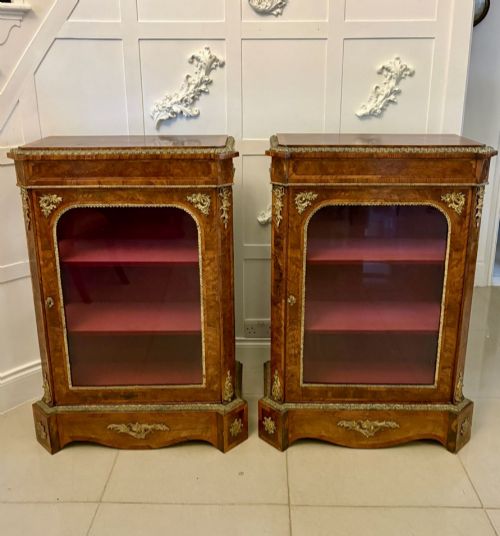
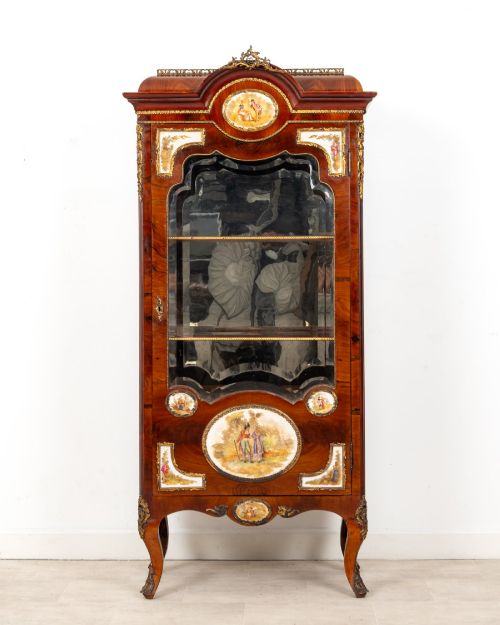
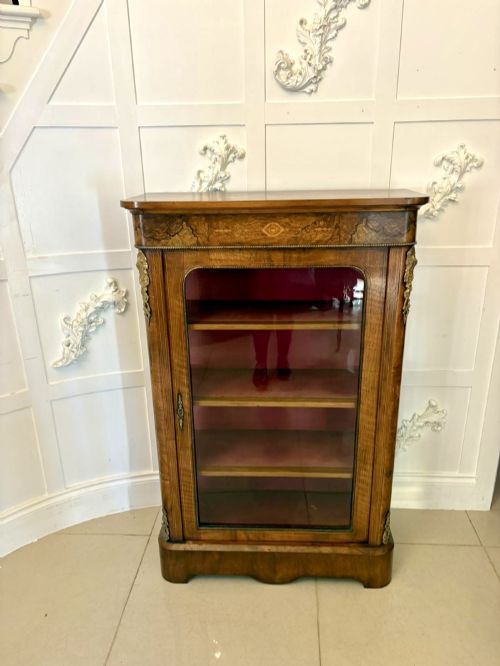
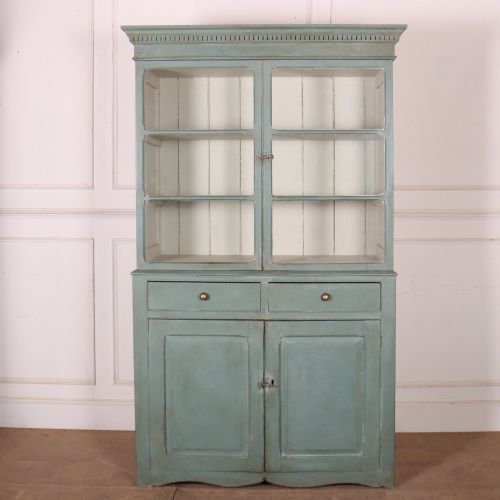
19th Century Glazed Bookcase
A 19th century glazed bookcase brings architectural dignity and practical protection to a room, offering a disciplined way to display and store a collection.
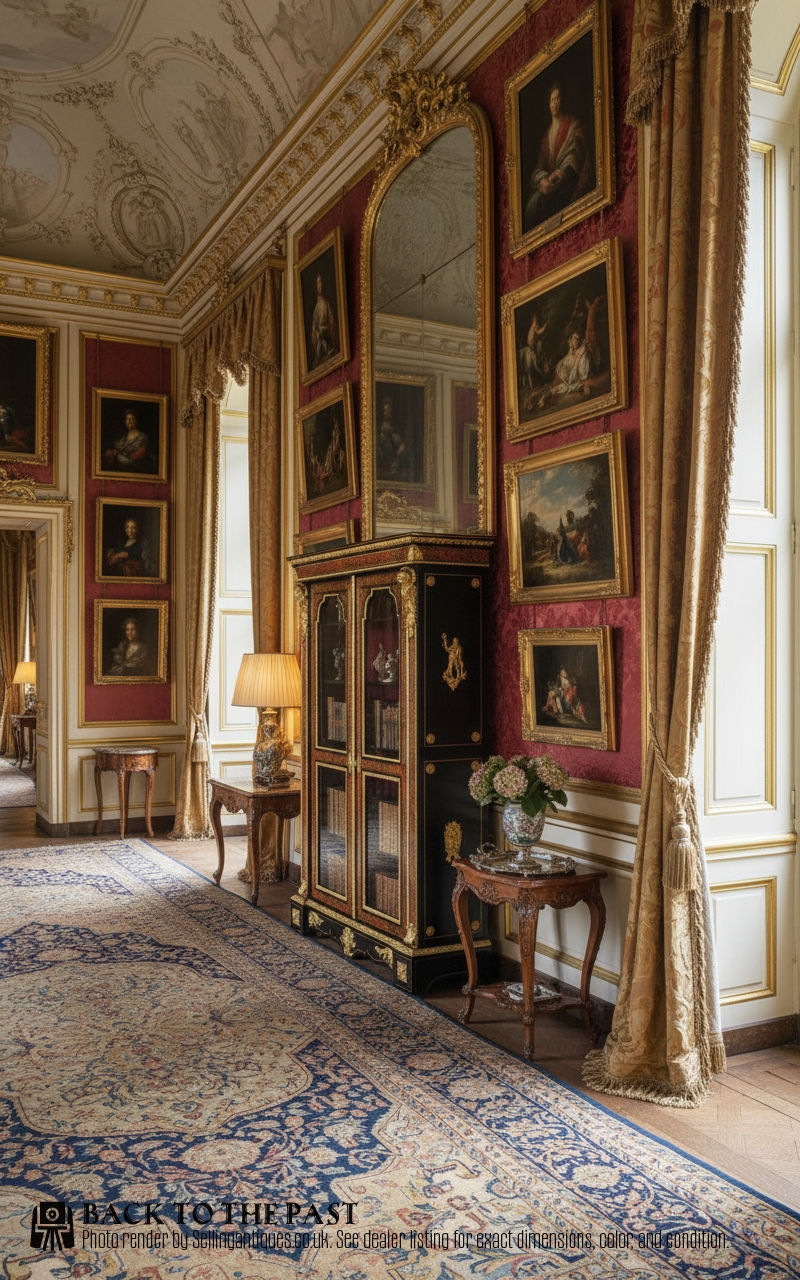
19th Century Glazed Bookcase
When you search for a 19th century glazed bookcase, you encounter a diverse array of case furniture designed to house and display volumes behind protective glass panels. These pieces span periods from the Georgian and Regency eras through the Victorian age, reflecting shifting domestic habits and architectural tastes in British, French, and Dutch interiors.
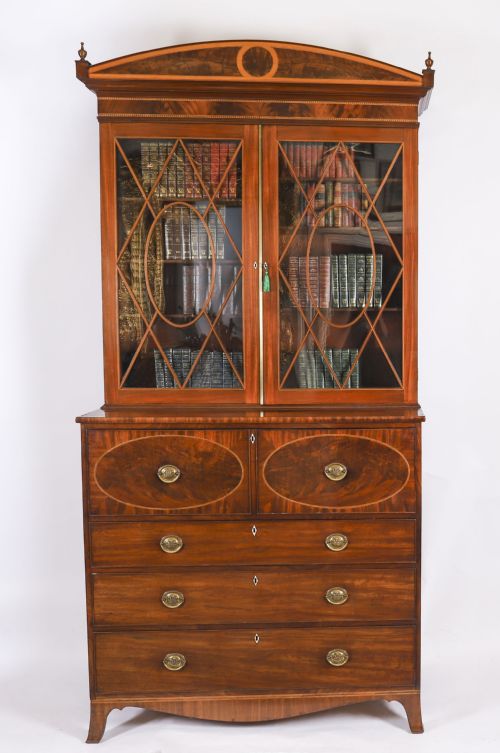
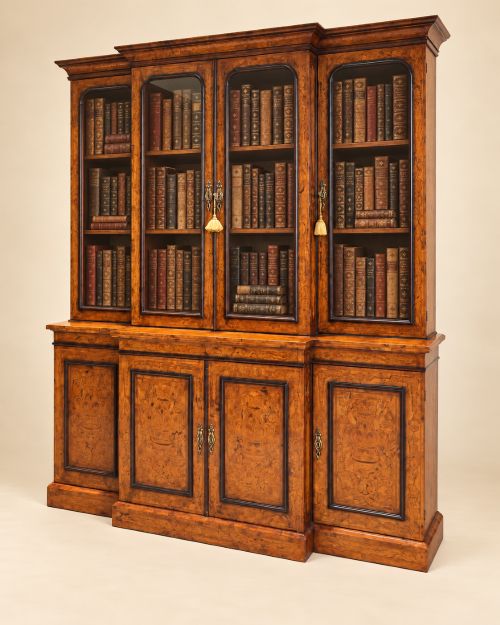
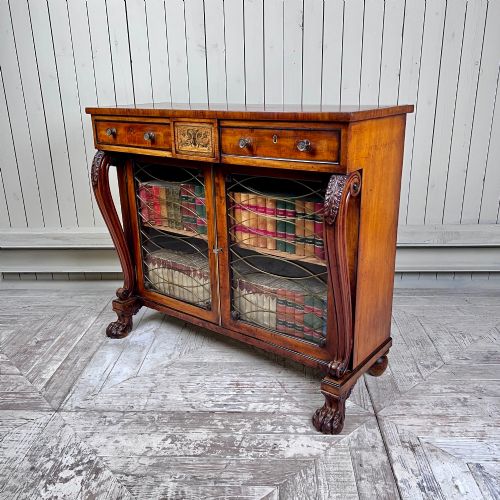
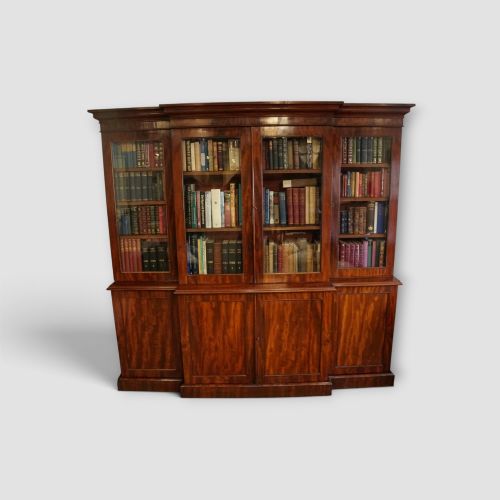
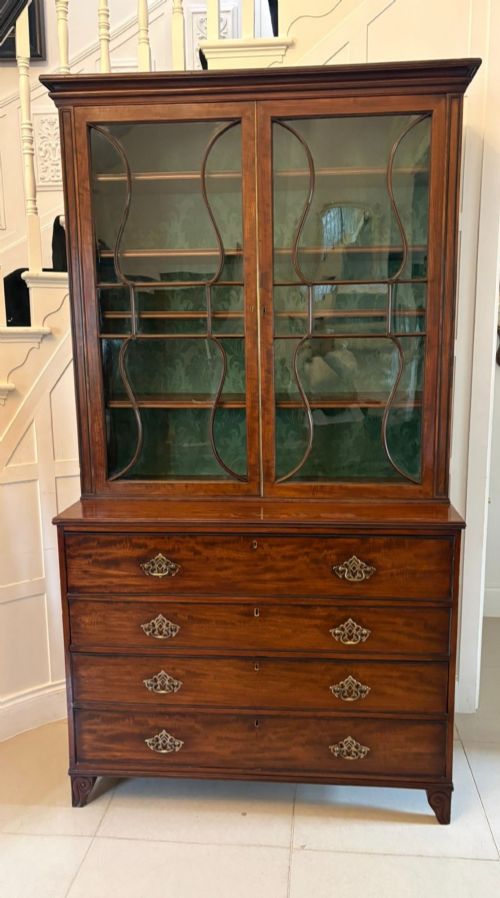
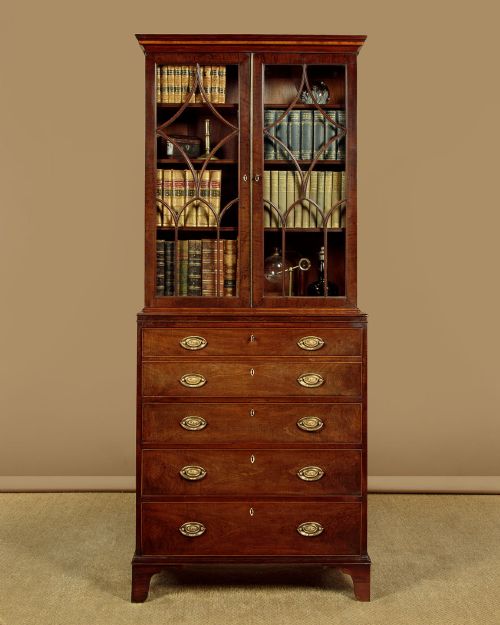
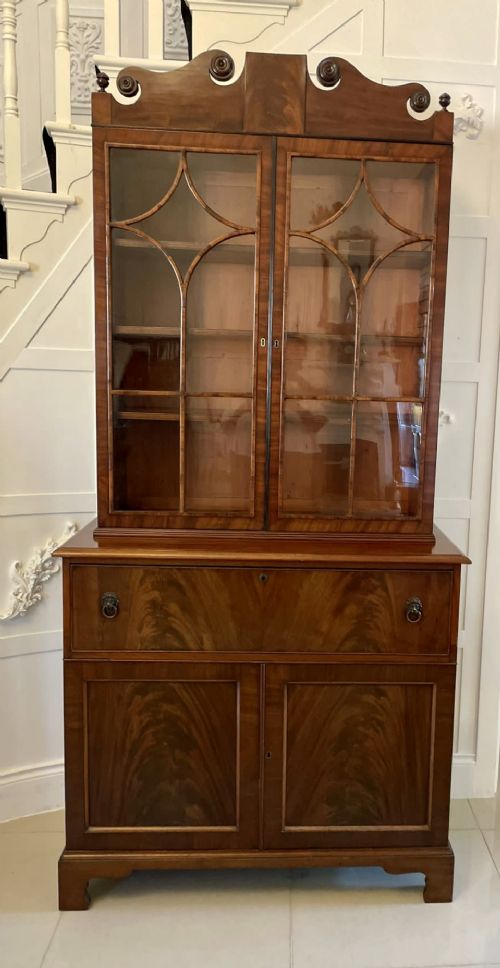
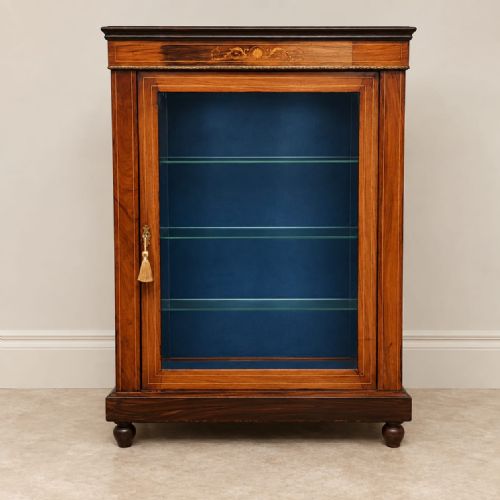
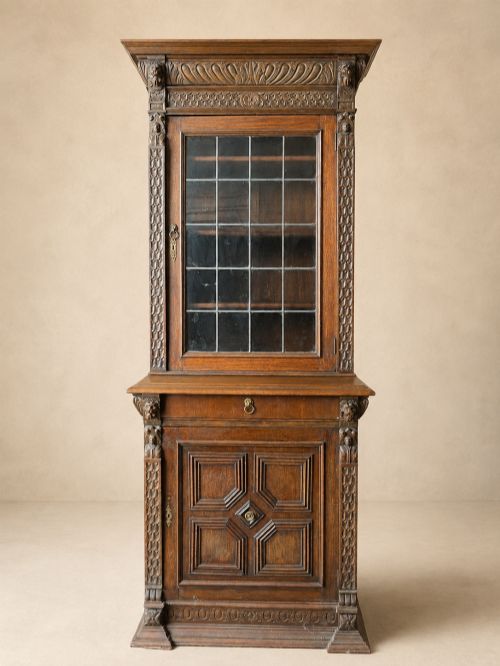
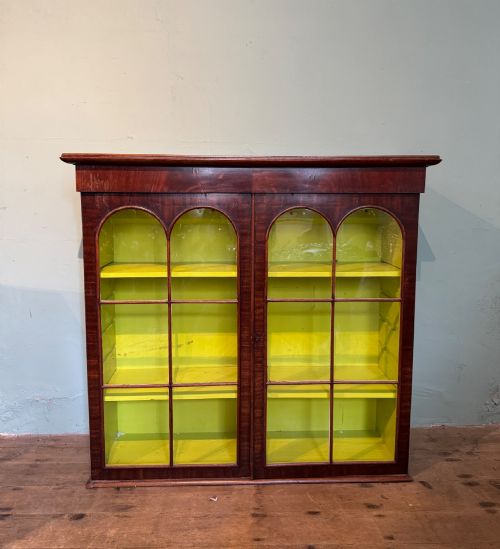
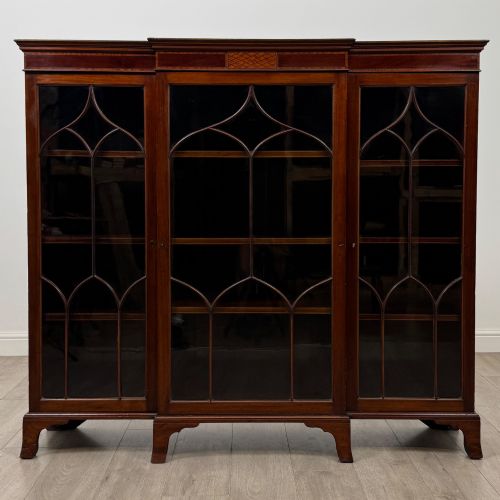
The most common form on this page is the upright mahogany bookcase with glazed upper doors, frequently paired with a solid cupboard base or a fitted secretaire drawer. Alongside these library staples appear slender pier cabinets, large breakfront configurations, and provincial oak or walnut cupboards fitted with glass.
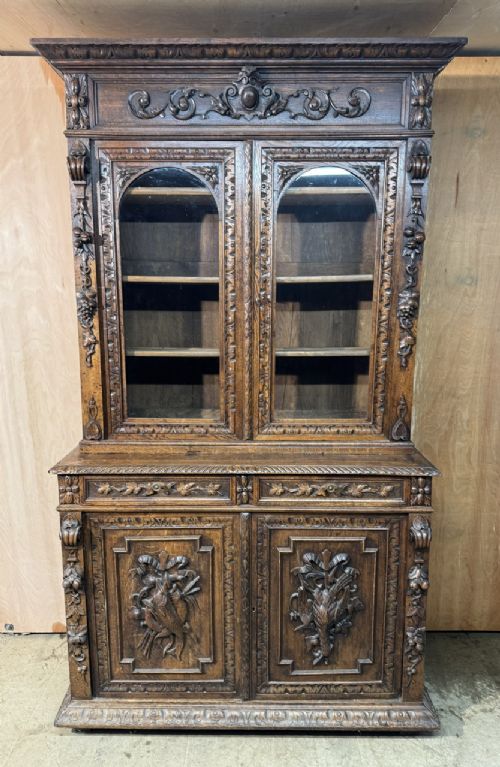
Regional variations introduce specific character, from the rich figuring of English figured mahogany to the carved panels of French hunting cabinets and the compact proportions of Scottish country pieces. Each variant serves the fundamental purpose of keeping books and objects visible yet shielded from dust.
Materials and Construction
Cabinet makers relied heavily on dense timbers such as mahogany, walnut, and oak, often selecting veneers with striking flame, burr, or figured grains for the primary display surfaces. Secondary woods like pine or oak were utilised for internal carcases and drawer linings, ensuring structural stability across changing seasonal temperatures.
Glazing techniques required precise joinery to hold individual glass panes within wooden or brass-mounted astragals, creating geometric patterns that defined the face of the cabinet. Brass hardware, ormolu mounts, and delicate inlay work in boxwood, ebony, or satinwood added decorative refinement to the architectural lines of the piece.
Listings feature mahogany, walnut, oak, and rosewood cabinets spanning the Georgian, Regency, and Victorian periods.
Assessing Standard and Proportion
Quality in these cabinets rests upon the careful selection of timber and the harmony of the overall proportions, where fine grain matching and symmetrical figure elevate a piece above standard utility furniture. Superior examples display meticulous attention to internal fittings, such as adjustable shelving, finely dovetailed drawer construction, and original working locks.
The finesse of the glazing bars and the clarity of the glass itself reveal the hand of a skilled workshop, distinguishing a bespoke library bookcase from a simpler commercial production. Well-preserved patination and minimal structural alteration preserve the historical integrity that collectors value.
Jas Shoolbred·George Oakley
The 19th Century Glazed Bookcase Glossary
- Astragal
- The slender wooden or brass moulding that divides individual panes of glass within a door frame. These bars form decorative geometric lattices across the front of the bookcase.
- Breakfront
- A piece of furniture where the central section projects forward from the flanking wings. This architectural arrangement creates depth and visual interest in larger library bookcases.
- Secretaire
- A desk component disguised as a drawer, featuring a drop-front that opens to reveal small drawers and pigeonholes. It allows a bookcase to function simultaneously as a writing cabinet.
- Pier Cabinet
- A low, narrow cabinet designed specifically to fit the wall space between windows. These pieces frequently incorporate glazed doors to display porcelain or small decorative objects.
- Ormolu
- Gilded bronze mounts applied to furniture for decorative enrichment. This technique is particularly prevalent on French revival cabinets from the later nineteenth century.
- Patina
- The surface sheen and deep colour developed by wood over decades of handling, polishing, and exposure to light. It serves as an indicator of age and careful maintenance.
19th Century Glazed Bookcase: Frequently Asked Questions
What is a secretaire bookcase?
A secretaire bookcase combines a traditional upper library section with a pull-down writing drawer containing small compartments.
This fitted writing desk drops down at waist height, allowing the piece to serve dual functions without increasing its footprint.
How do I adjust the shelves?
Many nineteenth-century bookcases feature wooden tooth-and-rack supports or brass shelf studs set into the interior sides.
These systems allow individual shelves to be repositioned easily to accommodate books of varying heights.
Are the glass doors original?
Original glass often exhibits minor surface imperfections, slight waviness, or small bubbles trapped within the material during early manufacturing processes.
Examining the putty and the fit of the glass within the astragals helps determine whether the panes date to the original construction.
How should I clean the wood?
Maintenance requires gentle dusting with a soft, dry cloth and occasional application of traditional beeswax to nourish the timber.
Avoid modern silicone-based polishes, as they build up over time and dull the natural patina of mahogany or walnut.