

19th Century Glasses
These 19th century glasses and glass-containing items span scent bottles, mirrors, and chandeliers designed to catch the light in period interiors.
19th Century Glasses
When searching for 19th century glasses, buyers encounter a diverse group of objects where glass serves as the primary medium or an essential functional component. The selection ranges from small personal items like scent bottles and decanters to larger household furnishings incorporating mirror glass and crystal.
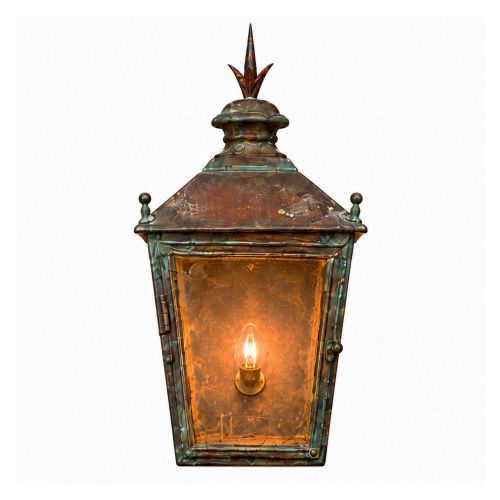
The most common iterations on this page include Victorian scent bottles fitted with silver mounts, alongside utilitarian glass liners in silver salts. Lighting pieces such as crystal chandeliers and glass-panelled lanterns also appear frequently among the listings.
Pieces from this century reflect the changing domestic habits of the period, moving from simple utilitarian vessels to ornate decorative objects designed for display. Collectors find items originating from English, French, and other continental workshops spanning the Victorian era and earlier decades.
Materials and construction methods
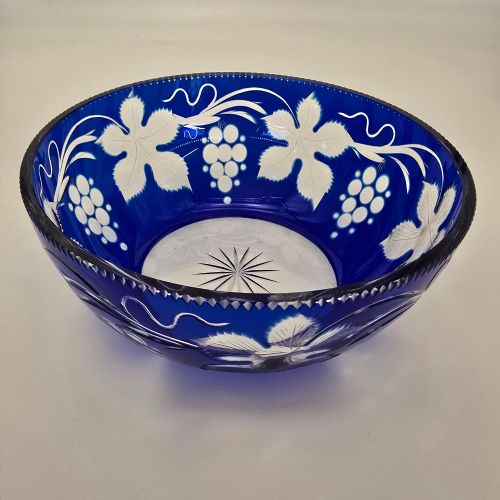
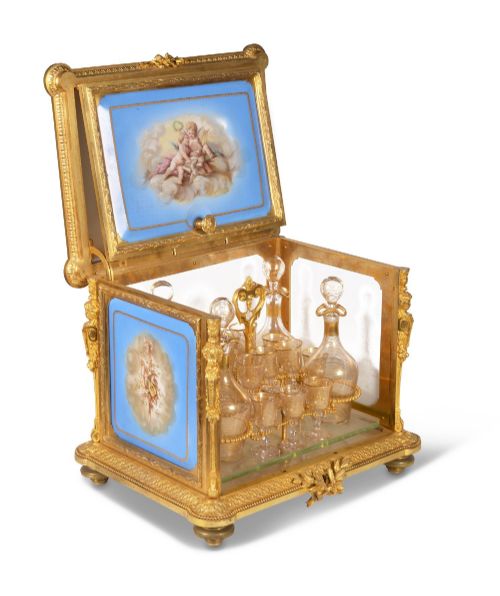
Glass production during this period relied on traditional blowing and cutting techniques, yielding heavy lead crystal or coloured varieties such as emerald, green, and blue. Makers often combined glass with sterling silver, gilt bronze, or brass mounts, particularly for scent bottles, tantalus sets, and hanging lanterns.
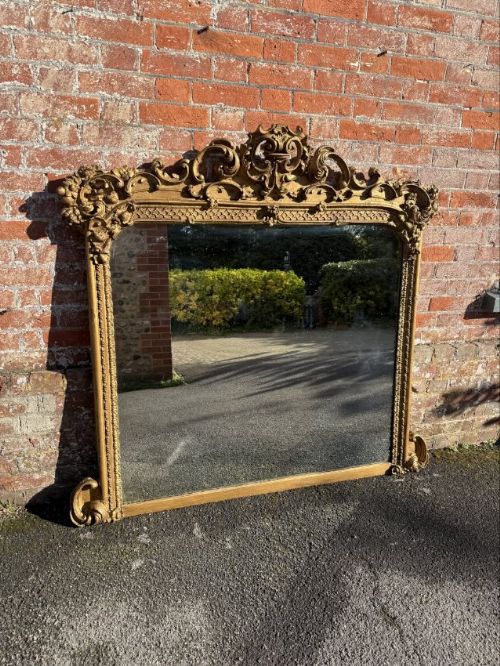
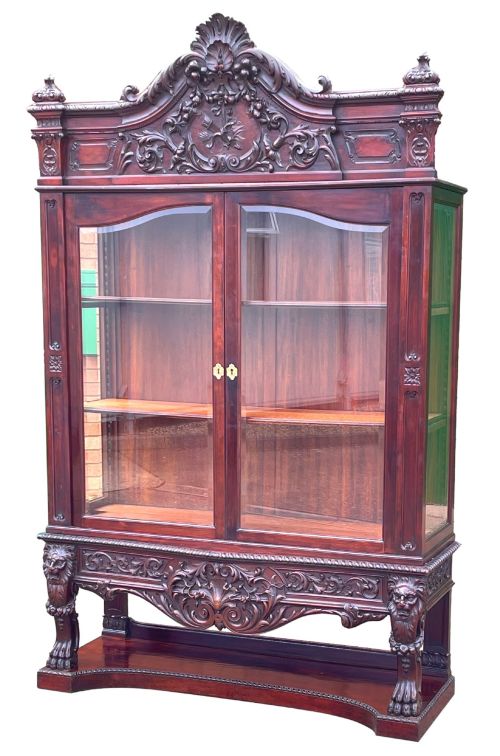
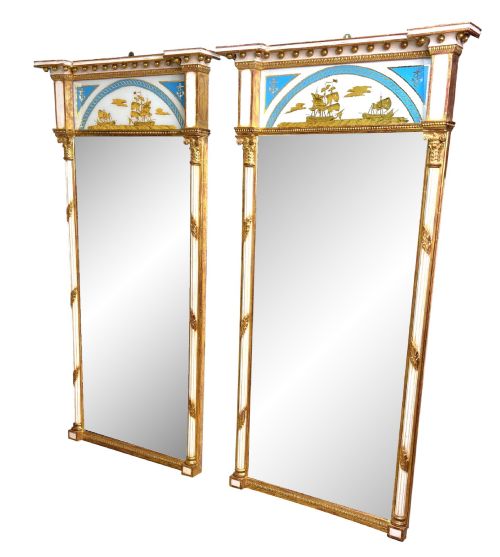
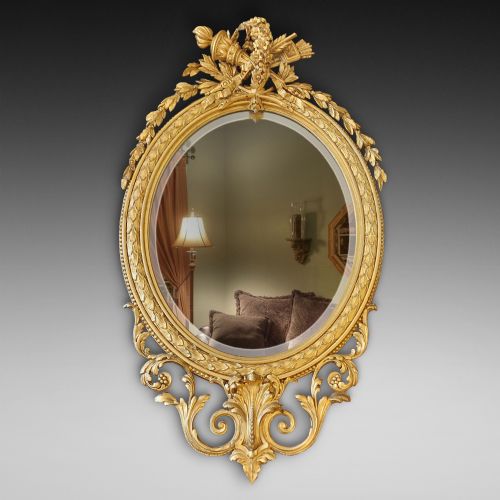
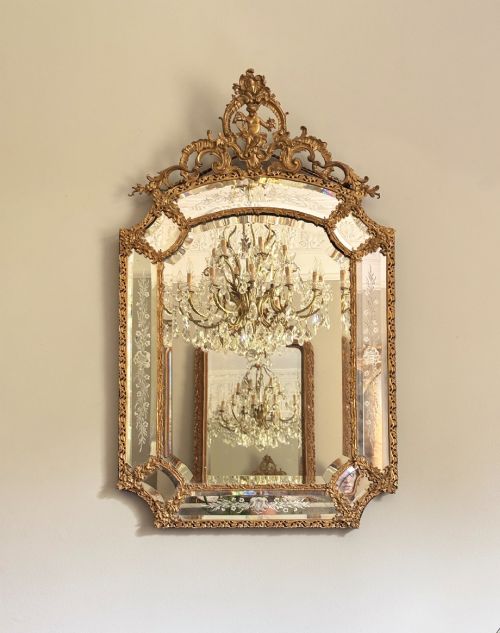
Mirrors and cabinet glasses utilised mercury glass or early silvered plates set into carved giltwood, gesso, or mahogany frames. These materials required precise joining and gilding methods typical of nineteenth-century cabinet makers and metalworkers.
19th Century Glasses Retail Price Guide 2026
Typical asking prices for 19th century glasses among the pieces listed under this phrase on Sellingantiques today, from the lower quarter to the upper quarter. They describe what is for sale here now, not the wider market.
Factors determining quality
Quality in these items rests upon the clarity and weight of the glass, the crispness of any wheel-cut or etched decoration, and the integrity of accompanying metalwork. Finely cast silver hinges, detailed chasing on scent bottle caps, and well-preserved mercury glass plates separate superior pieces from standard domestic wares.
The harmony between the glass vessel and its metal mount indicates the skill of the original maker, as does the retention of original glass stoppers and liners. Items showing careful hand-finishing and intact gilding represent the higher tier of surviving examples.
SAMPSON MORDAN·Beare Falcke
The 19th Century Glasses Glossary
- Mercury glass
- A type of blown double-walled glass coated on the interior with a silvering mixture and sealed, popular for mirrors and decorative objects.
- Tantalus
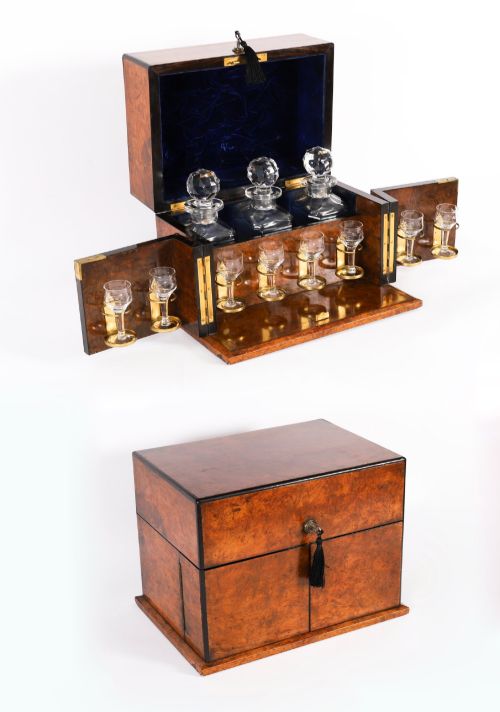
- A locking wooden case holding decanters with visible contents, designed to prevent unauthorized access to the spirits inside.
- Double-ended scent bottle
- A vessel featuring hinged caps at both ends, typically holding two different liquids such as smelling salts and perfume.
- Giltwood
- Timber that has been coated with a thin layer of gold leaf or gold paint, frequently used for nineteenth-century mirror frames.
- Overmantel mirror
- A large horizontal looking glass designed to hang specifically above a fireplace mantelpiece.
19th Century Glasses: Frequently Asked Questions
What are 19th century glasses used for?
These items served various functional roles in nineteenth-century households, from personal grooming and fragrance storage to serving spirits and illuminating rooms. Scent bottles held perfumes or smelling salts, while glass liners protected silver salts from corrosion.
Today, collectors primarily display these objects as decorative antiques or utilise them for their original storage and lighting purposes within period interiors.
How do you clean antique glass?
Cleaning requires gentle handling, particularly for items with silver mounts, gilt surfaces, or fragile interior silvering such as mercury glass. Water should be kept away from enclosed double-walled spaces and tarnished metal elements.
Warm water and a mild detergent suffice for plain glass surfaces, while metal parts need specialised non-abrasive polishing to preserve their historic finish.
How can you date 19th century glass?
Dating relies on stylistic markers, pontil marks, manufacturing techniques, and any associated hallmarks on precious metal mounts. Victorian pieces often display registration marks or maker stamps that narrow down the year of production.
The weight of the metal, the composition of the glass, and the framing style also provide clear chronological indicators.
Are antique scent bottles rare?
Survival rates vary depending on the fragility of the glass and whether the pieces retained their original stoppers and metal caps. Multi-compartment or gemstone-coloured examples occur less frequently than standard clear glass vessels.
Complete sets featuring matched stoppers and functional locking mechanisms attract particular interest from specialist collectors.