



19th Century Gentleman Chair
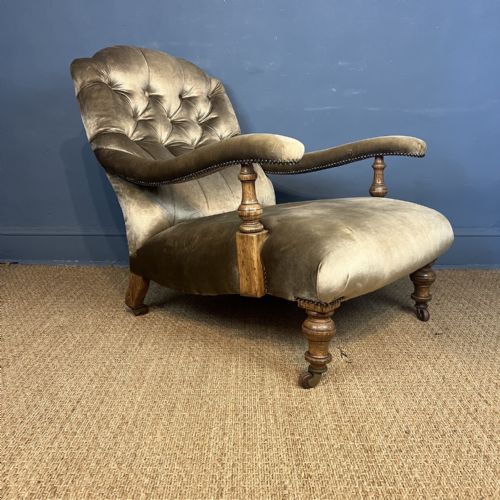
A 19th century gentleman chair brings deep buttoning and sturdy timber frames to a study, offering generous proportions for daily reading.
19th Century Gentleman Chair
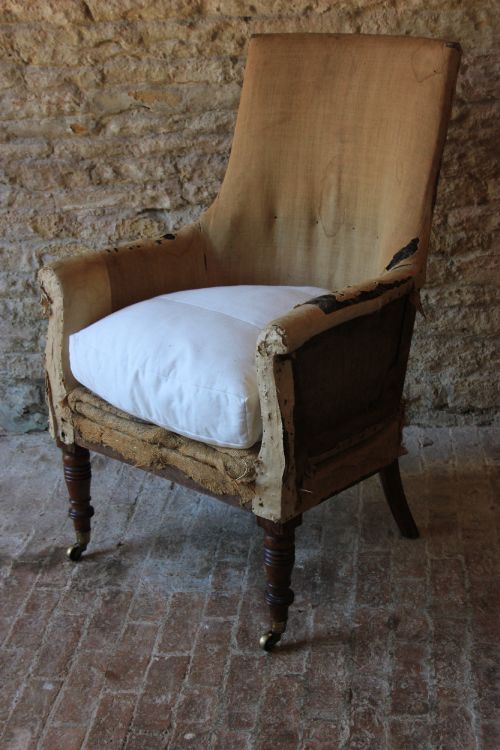
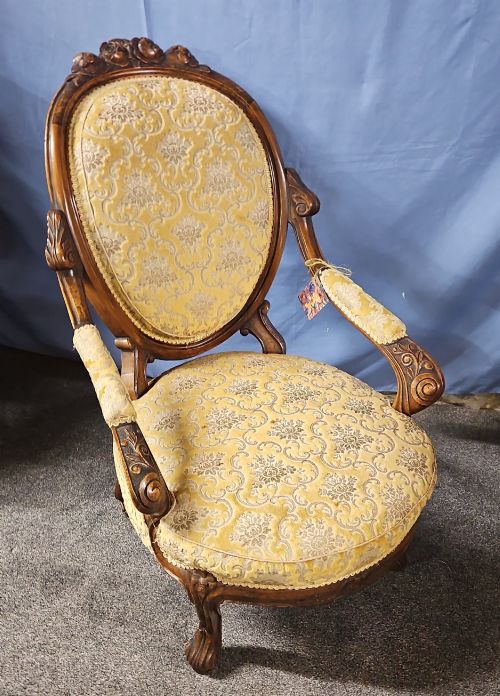
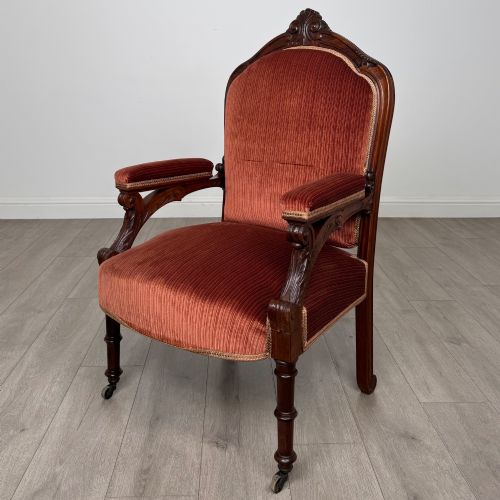
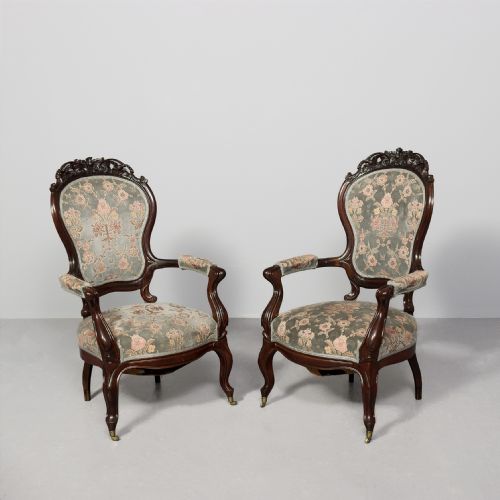
A 19th century gentleman chair is a low, upholstered armchair designed for comfort during reading or quiet conversation in the library or drawing room. These seats appear most frequently in Victorian walnut, mahogany, and rosewood, often accompanied by matching ladies' chairs in a salon suite.
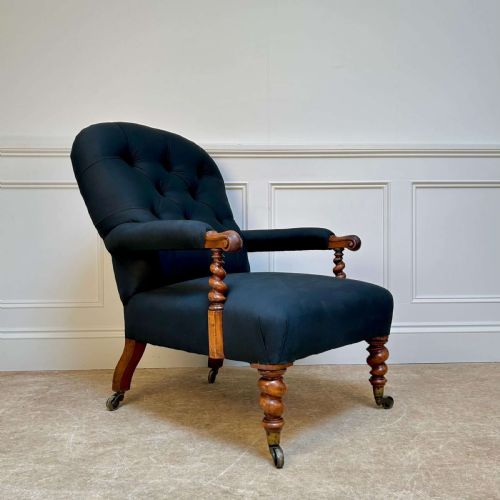
The phrase encompasses various regional English and Irish interpretations, stretching from early Victorian spoon backs to later Arts and Crafts walnut library chairs. Buyers frequently encounter buttoned backs and carved wooden frames reflecting the prevailing revival styles of the period.
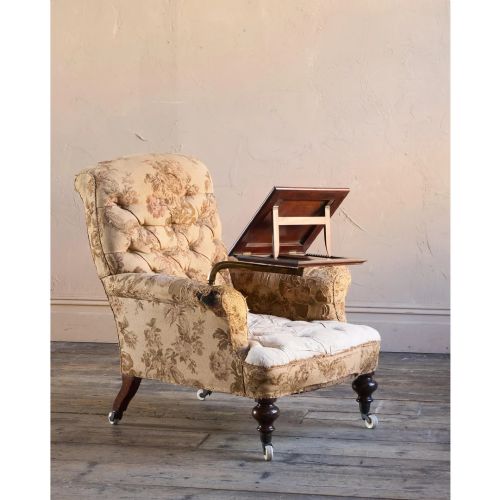
Forms range from simple open armchairs to library chairs fitted with reading stands or reclining mechanisms. Many survive as pairs designed originally for his and hers seating arrangements in Victorian drawing rooms.
Materials and Construction
Makers shaped the structural frames from dense hardwoods like walnut, mahogany, and rosewood, allowing for deep relief carving on cabriole legs and scroll arms. Joinery relied on traditional pinned mortise and tenon joints to withstand the stress placed on heavy library seating.
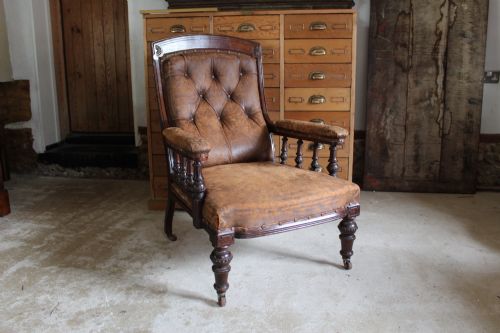
Upholstery utilised durable leather, woven fabric, or velvet stretched over horsehair stuffing and secured with traditional tacking. Brass castors frequently fitted to the feet enabled smooth movement across heavy carpets.
One recorded library armchair arrived equipped with a built-in reading stand, ensuring no nineteenth-century reader ever had to hold a heavy volume.
Assessing the Standard
Quality rests in the crispness of the timber carving and the integrity of the underlying hardwood frame rather than superficial surface polish. Superior examples display balanced proportions, substantial timber thickness, and original internal stuffing techniques.
The harmony between the carved wooden show-wood and the upholstery style dictates the piece's success. Chairs retaining their original brass castors and uncompromised structural joinery command greater respect among collectors.
Hindley & Sons
The 19th Century Gentleman Chair Glossary
- Spoon back
- A curved, concave wooden chair back resembling the bowl of a spoon, designed to fit the human spine. This form is common in early Victorian walnut seating.
- Cabriole leg
- A furniture leg that curves outward at the knee and tapers inward toward the foot, inspired by animal limbs. Makers carved these in walnut and mahogany during the Victorian era.
- Button back
- An upholstery technique where twine pulls the fabric deep into the stuffing, securing it with covered buttons to create a padded, diamond-patterned surface. This method provides firm support in library chairs.
- Castor
- A small wheel attached to the base of furniture legs to ease movement. These are typically cast from brass on 19th century library armchairs.
- Show-wood
- The exposed polished wooden framing of an upholstered chair that remains visible around the padded back and arms. Walnut and rosewood were popular choices for this decorative display.
19th Century Gentleman Chair: Frequently Asked Questions
How do I spot a gentleman chair?
A gentleman chair typically presents a broader, higher wooden frame and deeper seat than its matching ladies' counterpart. The sturdy proportions suited the larger scale demanded by nineteenth-century men for library and study use.
Look for robust walnut or mahogany framing combined with buttoned leather or velvet upholstery. Many examples include padded armrests and low seating heights designed for extended periods of reading.
Where were these chairs used?
These pieces originated in the private libraries, studies, and drawing rooms of nineteenth-century homes. They provided comfortable seating for reading newspapers, studying texts, or receiving guests.
Library armchairs sometimes incorporated specialised additions like reading stands or reclining mechanisms. In drawing rooms, they stood alongside matching sofas and side chairs as part of a unified seating suite.
How should I care for the leather?
Nineteenth-century leather requires gentle treatment to prevent drying and cracking over time. Regular dusting with a soft dry cloth removes abrasive particles from the buttoned folds.
Apply a specialist leather conditioner sparingly to maintain suppleness without altering the historic finish. Avoid placing the chair near direct heat sources or strong sunlight that might fade the hide.
Are these chairs comfortable for daily use?
The generous proportions and sprung or stuffed interiors make these chairs well-suited for modern sitting. Deep buttoning and padded armrests provide solid ergonomic support for reading.
Buyers should verify that the internal webbing and stuffing remain stable before regular use. Many surviving pieces retain resilient horsehair padding that continues to offer firm comfort.
How do I date a Victorian armchair?
Dating relies on observing changes in timber choice, carving style, and upholstery methods across the nineteenth century. Early Victorian pieces from the 1840s and 1850s often feature rosewood or early walnut with restrained scrollwork.
Later Victorian examples from the 1870s and 1880s frequently display heavier walnut frames with pronounced Gothic or Rococo revival carving. The presence of original brass castors and construction marks further helps narrow the period of manufacture.