

19th Century Furniture
When you collect 19th century furniture, you choose pieces defined by diverse regional woods, formal cabinet-making, and distinct period revivals spanning from Regency to Victorian.
19th Century Furniture
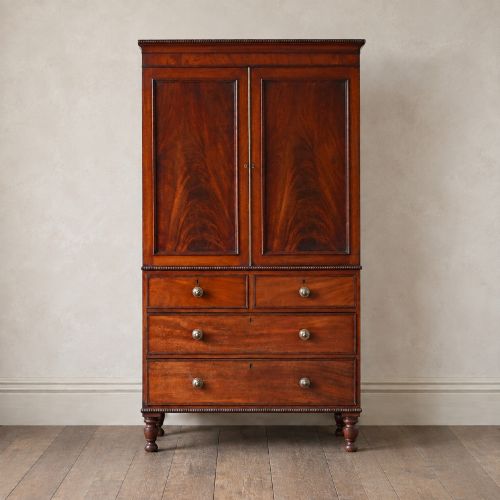
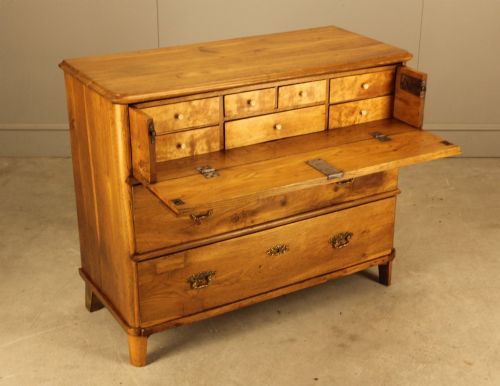
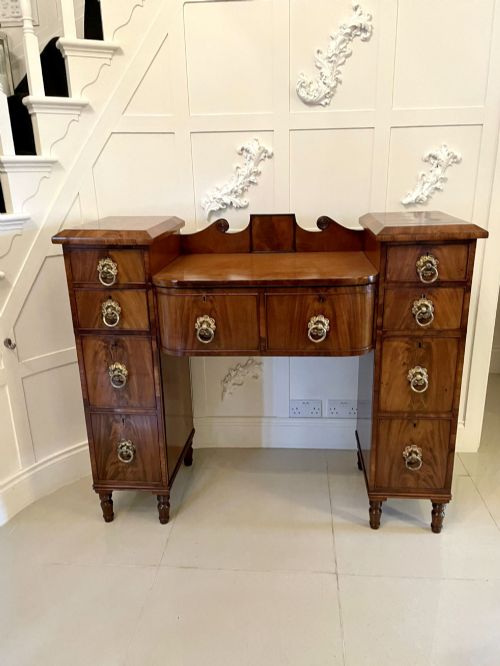
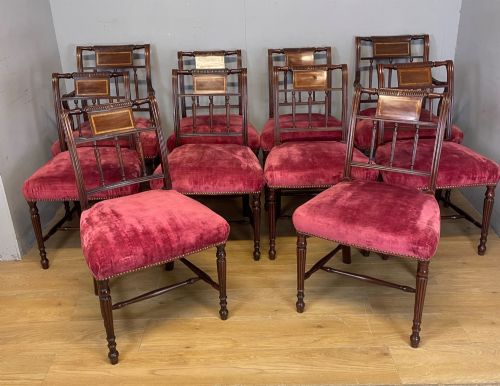
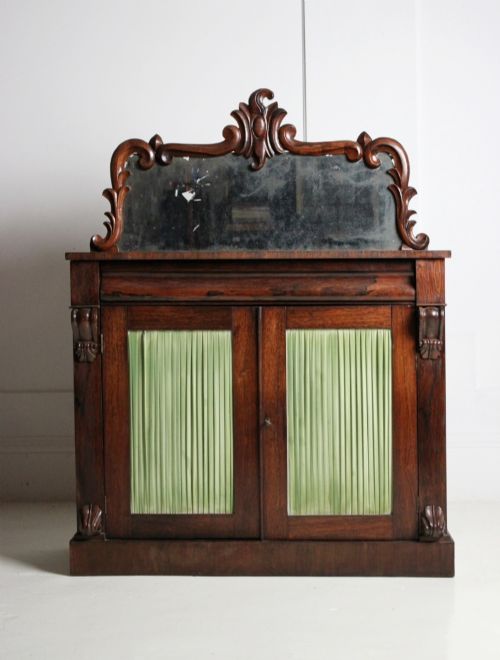
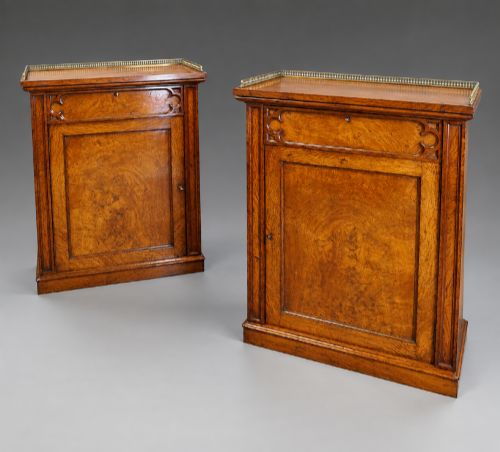
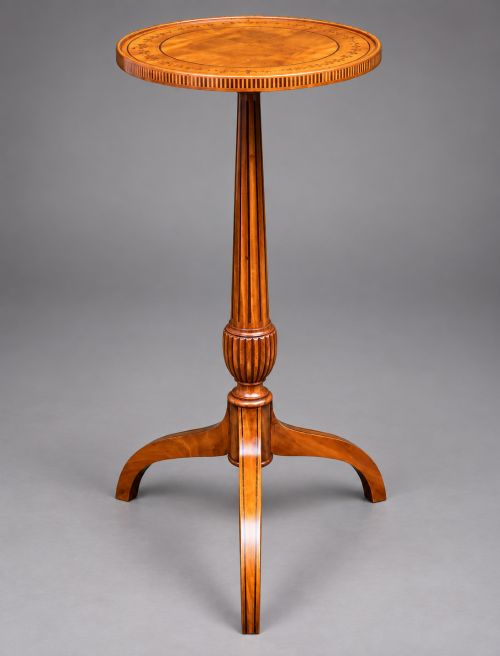
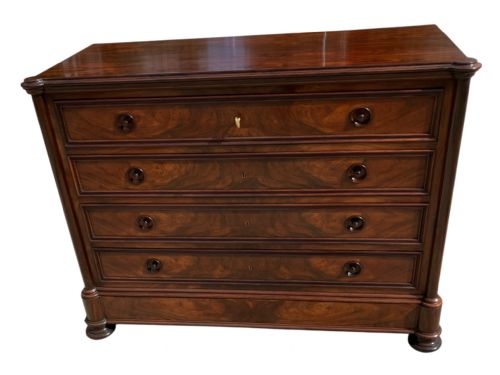
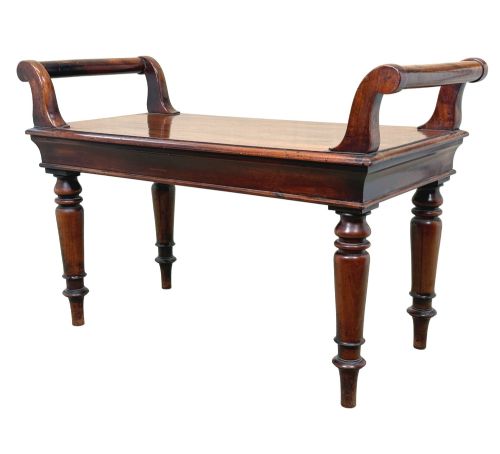
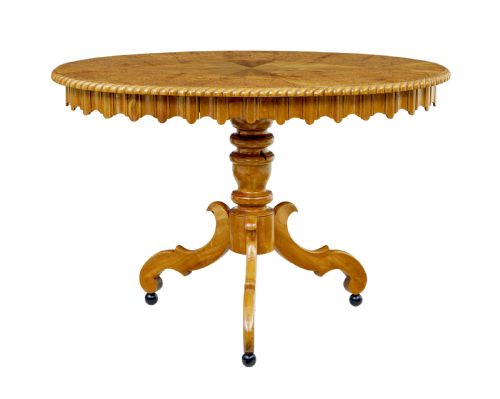
When searching for 19th century furniture, buyers encounter a broad selection of domestic forms spanning multiple decades and stylistic revivals. The listings here contain everything from formal mahogany chests of drawers and burr walnut credenzas to rustic oak hall benches and ash kitchen tables.
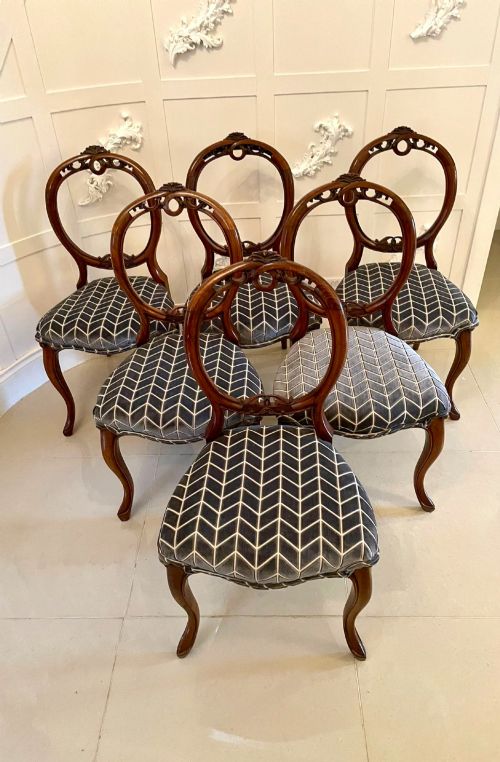
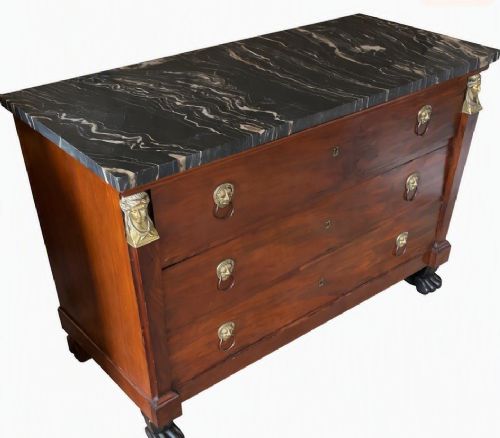
Victorian and Regency pieces dominate the selection, alongside items from the William IV, Gothic Revival, and French Empire styles. Practical domestic storage and seating appear frequently, alongside occasional tables, writing desks, and garden benches constructed from cast iron or timber.
Regional variations add character to the category, with items originating from British, French, Swedish, and Scottish workshops. Buyers find both urban cabinet-makers' polished showpieces and sturdy farmhouse furniture shaped by local utilitarian needs.
Materials and construction methods
Makers utilised a wide palette of timbers, relying heavily on dense imported hardwoods like mahogany, rosewood, padouk, and walnut for formal pieces. Native woods such as oak, pine, elm, cherrywood, and birch served for country furniture, occasional tables, and structural elements.
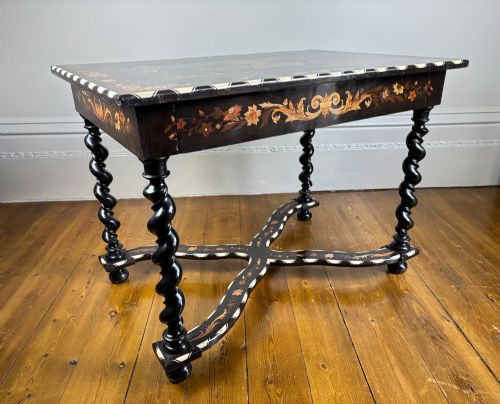
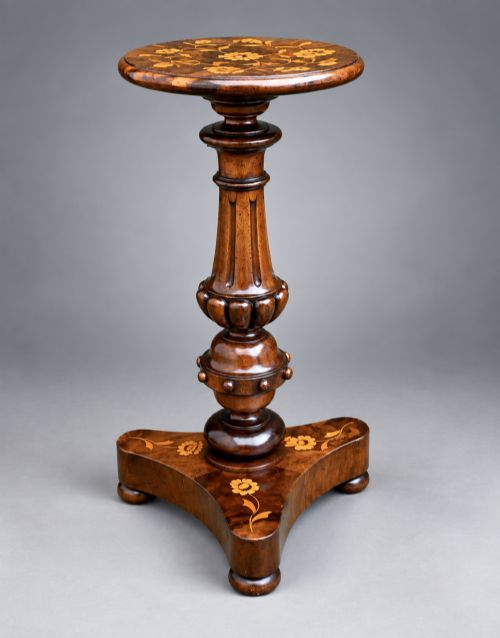
Decorative surfaces relied on sophisticated techniques, including burr wood veneers, marquetry inlays, ebonising, and applied ormolu or brass mounts. Ironwork appeared in cast garden benches and structural brackets, while secondary materials like rush, cane, and marble completed specific seating and table designs.
Forest bears carved in wood hold fast to benches, watching the room.
Judgements of quality
The standard of 19th century furniture rests on the selection of timber, the precision of cabinet-making joints, and the integrity of the surface finish. Finer pieces display carefully matched wood grains, such as figured mahogany or burr walnut, integrated seamlessly across drawer fronts and table tops.
Decorative embellishments separate standard utility items from top-tier workshop productions. Master furniture makers applied detailed hand-carving, meticulous marquetry, and high-grade cast bronze or ormolu mounts that remain crisp and securely fixed over generations.
Falkirk Carron Foundry·T & G Seddon·Hewetsons London·Poix Blin
The 19th Century Furniture Glossary
- Ormolu
- Gilded bronze mounts applied to furniture for decorative effect. This technique was popular in French Empire and high-end Victorian cabinet-making.
- Marquetry
- Fitted patterns of wood veneer and other materials glued onto a structural carcase to form pictures or geometric designs. It requires exceptional precision from the maker.
- Credenza
- A large sideboard or cabinet used for storing dining accessories and displaying objects. These pieces often feature glass doors and elaborate marquetry.
- Canterbury
- A small compartmentalised stand designed for holding sheet music, books, or portfolios. They usually feature slatted dividers and low castors.
- Burr wood
- A growth deformity on a tree that produces highly figured, swirling grain patterns when sliced into veneer. Cabinet-makers prized burr walnut and burr birch for statement surfaces.
19th Century Furniture: Frequently Asked Questions
How do I identify a Regency piece?
Regency items date from the early decades of the century, typically showing neoclassical restraint, classical proportions, and dark timbers like mahogany.
They often incorporate brass inlay, reeded legs, and minimalist bronze mounts rather than heavy Victorian carving.
What is a campaign chest?
A campaign chest is a portable storage unit built in sections with recessed brass handles and corner brackets, designed for military officers on the move.
These pieces break down into separate modular boxes for easy transport during travel.
How should I care for antique wood?
Keep wooden furniture away from direct heat sources and sudden humidity changes to prevent the timber from splitting or warping.
Apply traditional beeswax periodically and buff gently to maintain the natural lustre of the polished surface.
What distinguishes Gothic Revival furniture?
Gothic Revival pieces draw inspiration from medieval architecture, featuring pointed arches, tracery, heavy proportions, and solid oak construction.
Designers like Pugin championed these architectural motifs to counter mass-produced industrial styles.