
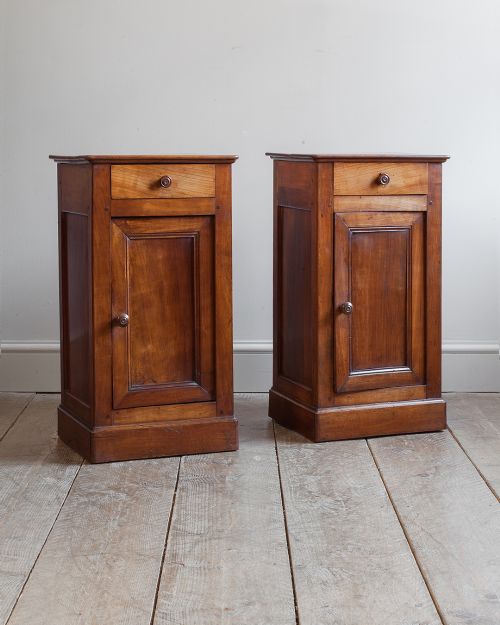
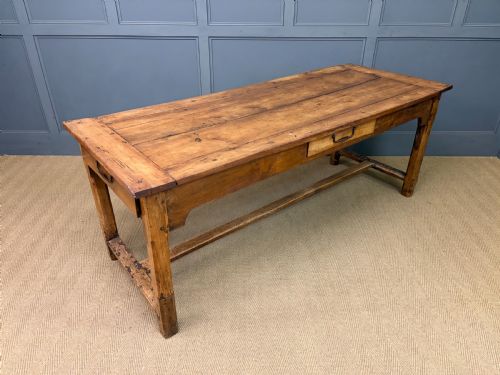
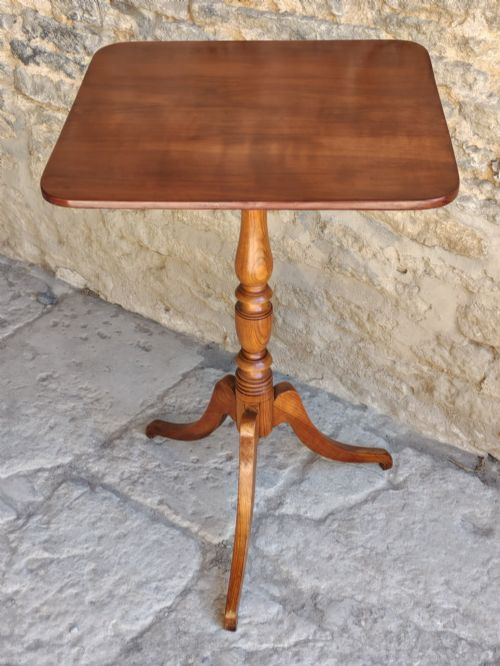
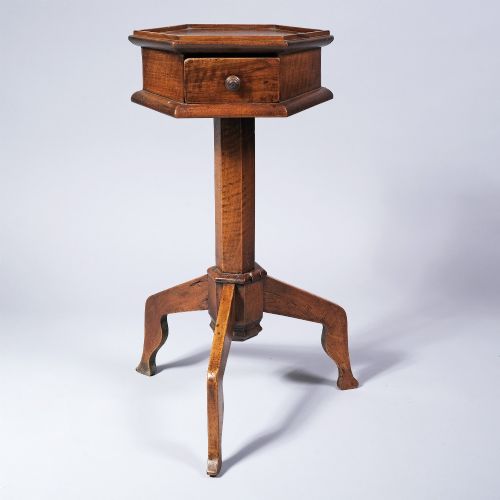
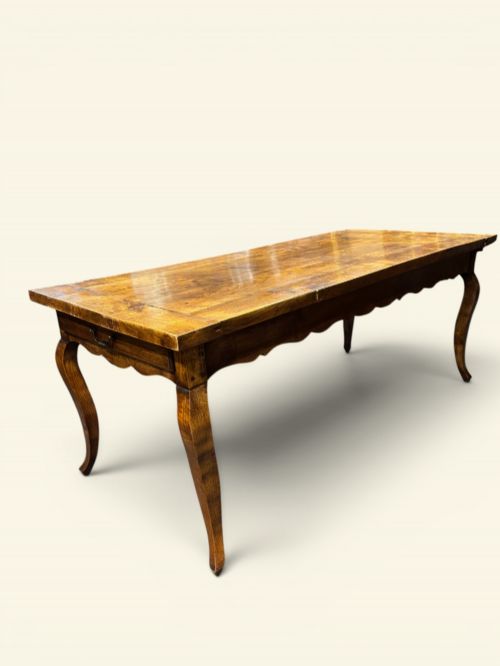
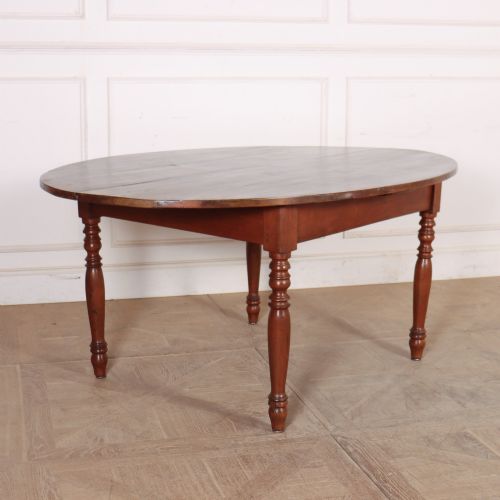
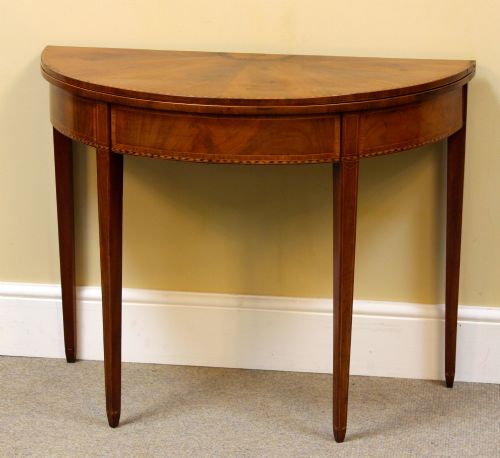
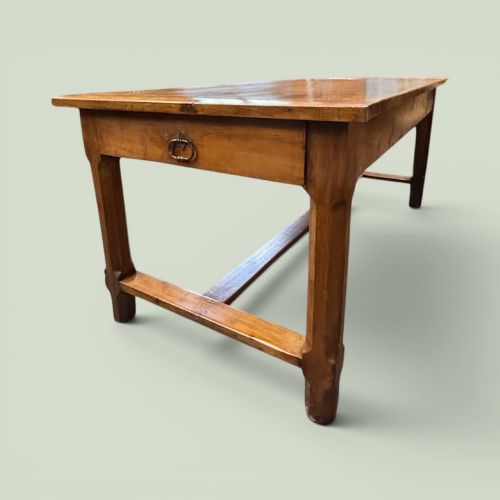
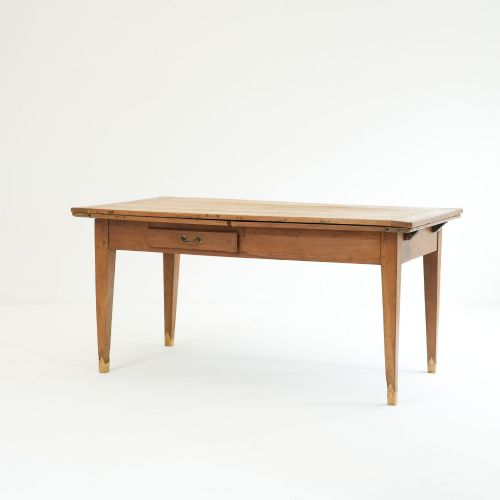
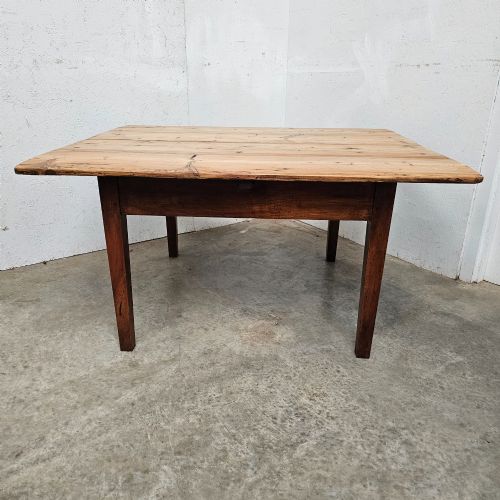
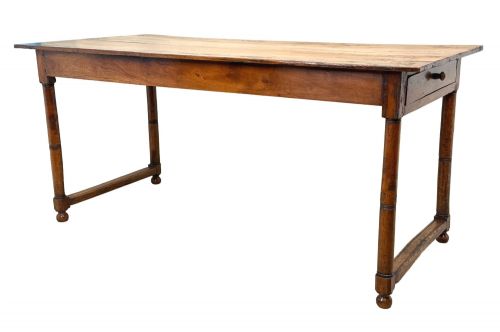

19th Century Fruitwood Table
When buying a 19th century fruitwood table, you are choosing a practical surface defined by rich timber tones and regional craft traditions.
19th Century Fruitwood Table
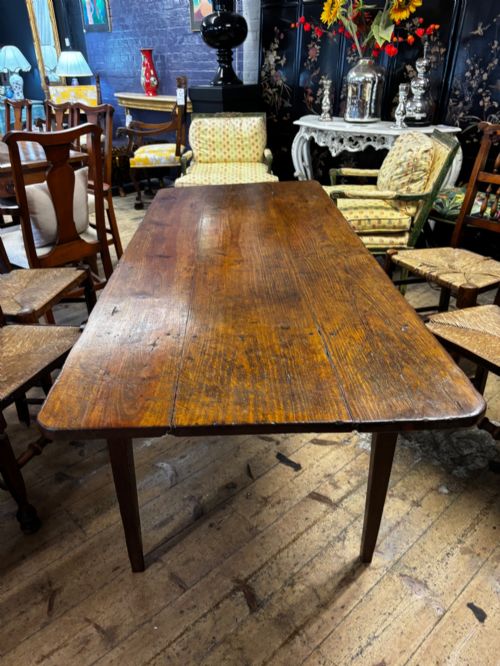
A 19th century fruitwood table encompasses a wide range of domestic forms, from large farmhouse dining tables to compact wine and side tables. The surviving pieces display strong regional character, particularly through French provincial and rustic farmhouse styles.
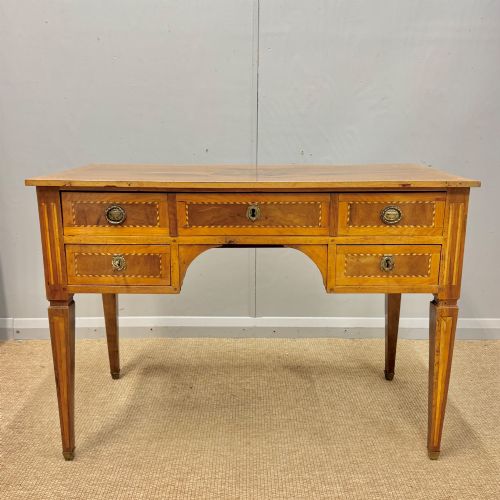
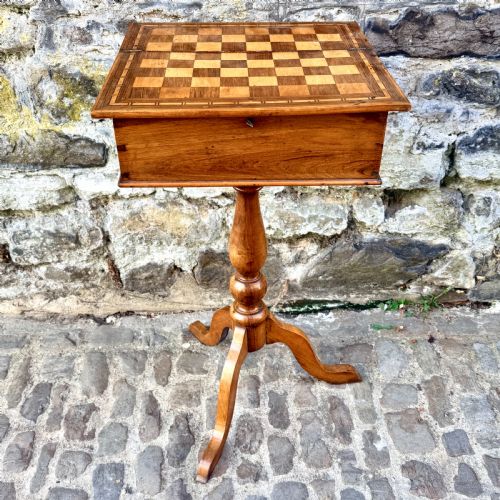
Buyers will most frequently encounter sturdy dining and refectory tables designed for heavy daily use, alongside smaller occasional pieces such as games tables, bedside cupboards, and desks. These objects emerge from various periods within the nineteenth century, including Georgian and Victorian eras.
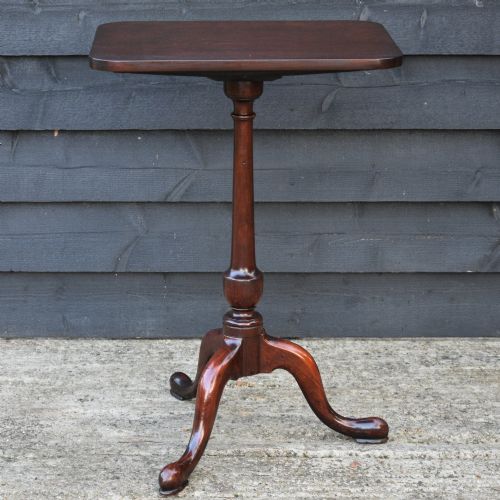
The diverse inventory includes specialised forms like watchmakers tables, draw-leaf extending tables, and tilt-top wine tables. Oak, pine, elm, and cherry frequently accompany the primary fruitwood timber in structural or secondary roles.
Judging Quality
Quality in these domestic tables rests upon the integrity of the timber selection and the retention of original surface patina. Tables built from solid, thick fruitwood planks display superior structural stability and age with a deeper, unforced lustre compared to later alterations.
Construction methods also dictate value, notably the presence of pegged joints, original drawer linings, and working mechanism extensions. Pieces that retain their original proportions without excessive timber replacement hold greater integrity for daily use and collection.
Secondary timbers found alongside fruitwood in these nineteenth-century pieces include oak, pine, elm, walnut, and mahogany.
The 19th Century Fruitwood Table Glossary
- Fruitwood
- Timber derived from fruit-bearing trees such as cherry, pear, or apple. It is prized for its fine grain and warm coloration.
- Refectory table
- A long, narrow dining table traditionally used for communal meals. They typically feature sturdy stretcher bases for added support.
- Tilt-top table
- A small occasional table with a tabletop that hinges vertically for storage when not in use. They often feature a tripod pedestal base.
- Draw-leaf table
- An extending table equipped with sliding leaves stored beneath the main surface. These leaves pull out to expand the seating capacity.
- Scrubs top
- A plain wooden tabletop designed to be scrubbed clean with water and sand. This construction is commonly found on utility and kitchen tables.
19th Century Fruitwood Table: Frequently Asked Questions
How do I clean a fruitwood table?
Maintain the surface by dusting with a soft, dry cloth and applying natural beeswax periodically to nourish the timber. Avoid using harsh chemical sprays or excess water.
Keep the wood away from direct heat sources and strong sunlight to prevent the fruitwood from drying out or fading unevenly.
How can I tell a provincial table's age?
Examine the construction methods, tool marks on the underside, and the type of secondary timbers used in the framing. Hand-cut joints and timber shrinkage patterns provide reliable indicators of nineteenth-century manufacture.
Wear patterns around the edges and drawers also reflect genuine period use rather than modern reproduction.
Do fruitwood tables scratch easily?
Fruitwoods like cherry possess a moderate hardness that withstands normal domestic use while developing a rich patina over time. Using placemats and coasters helps protect the wax finish from moisture and sharp impacts.
Minor marks and indentations are typical characteristics of antique working tables that add to their historic charm.