



French Fruitwood Furniture
French fruitwood furniture brings tactile warmth to a room through honeyed timbers and honest provincial joinery.
French Fruitwood Furniture
French fruitwood furniture encompasses utilitarian country pieces and refined urban designs fashioned from regional timber varieties like pear, cherry, and plum. When you search for french fruitwood furniture, you encounter domestic items spanning the eighteenth, nineteenth, and early twentieth centuries, reflecting both rustic provincial workshops and polished metropolitan cabinet-making. The selection frequently includes seating, storage, and tables shaped by regional French vernacular traditions.
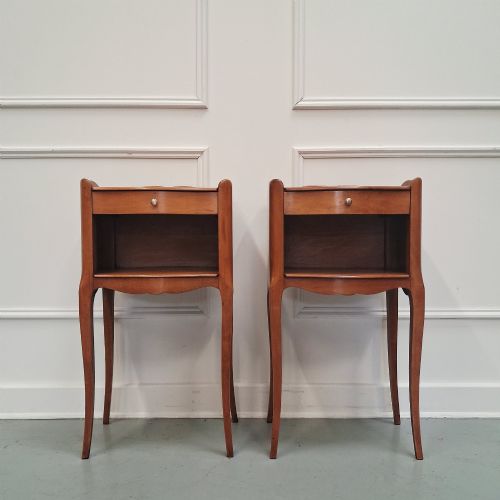
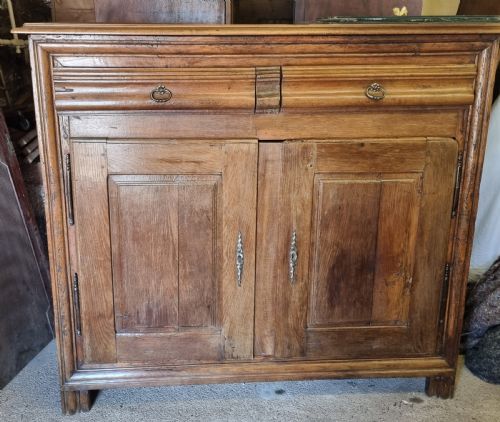
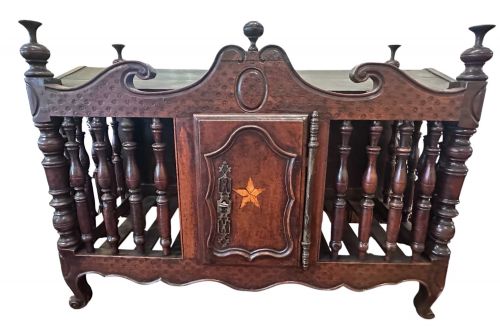
The objects available on this page lean heavily toward nineteenth-century provincial items alongside notable eighteenth-century forms such as commodes, bread cages, and housemaid cupboards. Buyers regularly find dining benches, beds, and bedside tables displaying the characteristic warmth of fruitwood timbers. These domestic survivors range from robust harvest tables to elegant Directoire and Empire seating.
Regional workshops utilised locally available fruitwoods to construct robust items intended for daily use in French homes and farmhouses. The forms bridge the gap between simple country utility and sophisticated decorative styles like Rococo and Empire. Each piece carries the distinct patina of its geographic origin and period of manufacture.
What varies in quality
Quality separates pieces by the crispness of the carving, the subtlety of the timber selection, and the integrity of the original construction. Superior examples display carefully matched grain patterns across drawer fronts and table tops, along with refined proportions that elevate simple domestic forms. Lesser examples may show heavy-handed repairs, replacement timber, or coarser execution in secondary areas.
The depth of patination and the survival of original surface finishes heavily influence the character and desirability of each item. Pieces retaining their early or original hardware and unblemished timber surfaces stand apart from those stripped or heavily refinished in later periods. The structural soundness of the joinery further distinguishes everyday utility work from finer cabinet-making.
The listings on this site encompass eighteenth and nineteenth-century periods, featuring materials such as fruitwood, brass, oak, and velvet across various dining, storage, and seating forms.
The French Fruitwood Furniture Glossary
- Fruitwood
- Timber derived from fruit-bearing trees such as pear, apple, cherry, and plum, known for its fine grain and warm tone. It was widely used by provincial cabinet-makers for both solid construction and decorative veneers.
- Commode
- A low French chest of drawers standing on legs, popular from the eighteenth century onward for bedroom or salon use. They often showcase serpentine fronts and inlaid fruitwood parquetry.
- Parquetry
- Geometric wood inlay work forming repeating patterns across table tops, cabinet doors, and bed panels. Craftsmen used contrasting fruitwoods and exotic timbers to create these decorative surfaces.
- Directoire style
- A transitional French design period bridging Louis XVI and Empire, characterised by neoclassical restraint and clean, straight lines. Furniture from this era favours subtle proportion over heavy ornamentation.
French Fruitwood Furniture: Frequently Asked Questions
How do I clean fruitwood?
Dust surfaces regularly with a soft, dry cloth to prevent dirt accumulation.
Apply a traditional beeswax polish occasionally to nourish the timber and maintain its natural lustre.
Are these pieces solid fruitwood?
Most provincial items utilise solid fruitwood for primary surfaces, panels, and structural framework.
Secondary timbers such as oak or pine occasionally appear in concealed areas like drawer linings and carcase backs.
How do I identify French provincial?
Provincial pieces exhibit simpler construction and regional design characteristics compared to Parisian court furniture.
They rely on honest joinery and locally sourced fruitwoods rather than elaborate gilt bronzes and exotic veneers.
Will these items suit modern interiors?
The warm tones and understated forms of fruitwood furniture blend easily into contemporary living spaces.
These pieces provide functional storage and seating while adding historical texture to minimalist rooms.