

19th Century French Fauteuil
A 19th century french fauteuil offers open arms and generous proportions, bringing decorative presence and period comfort to any room.
19th Century French Fauteuil
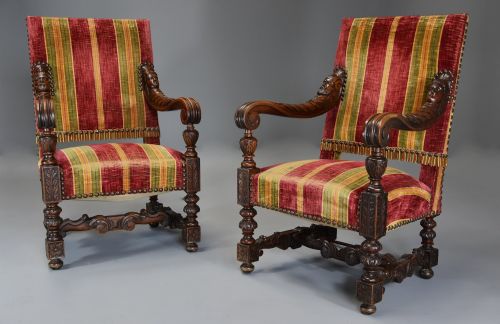
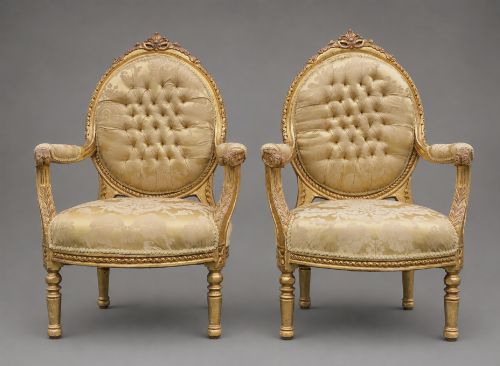
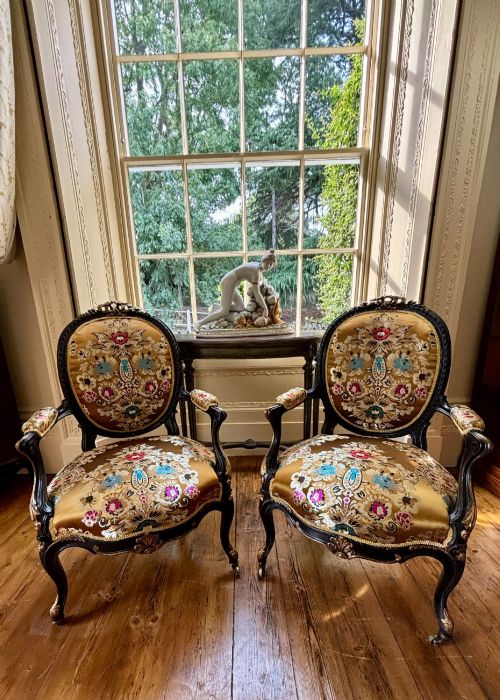
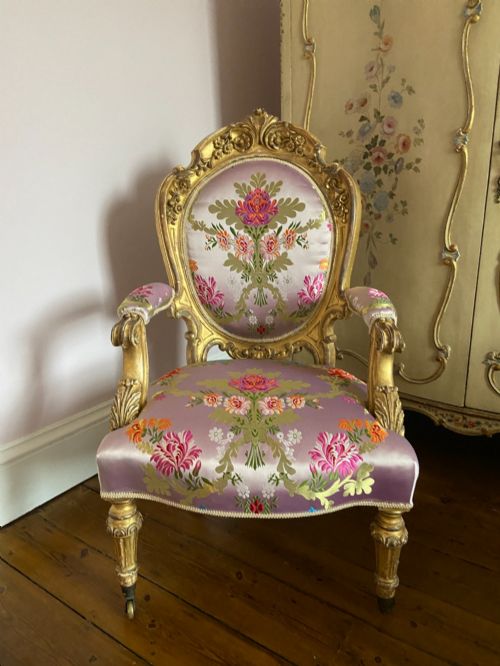
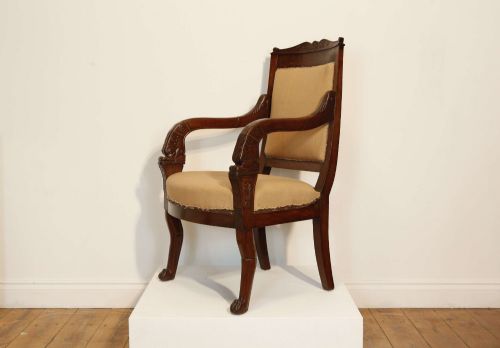
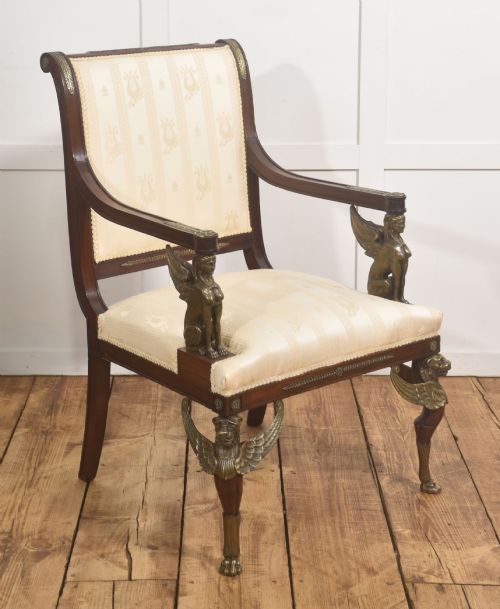
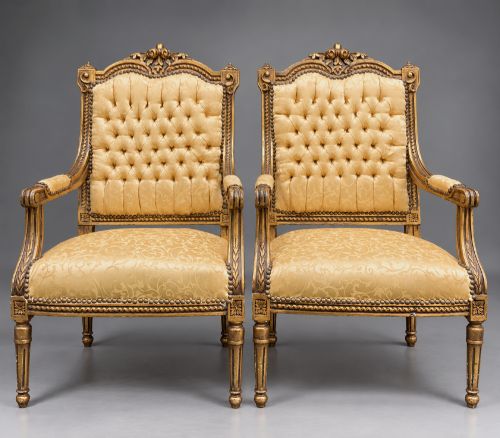
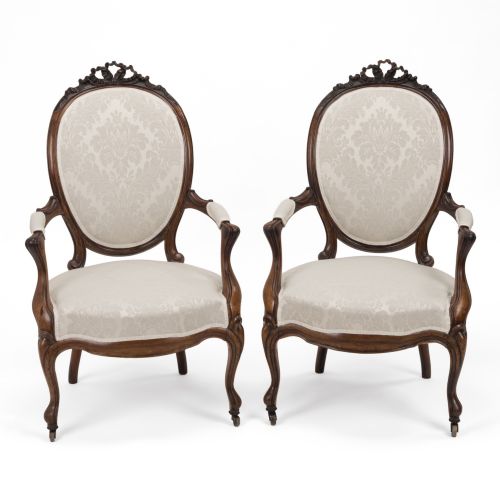
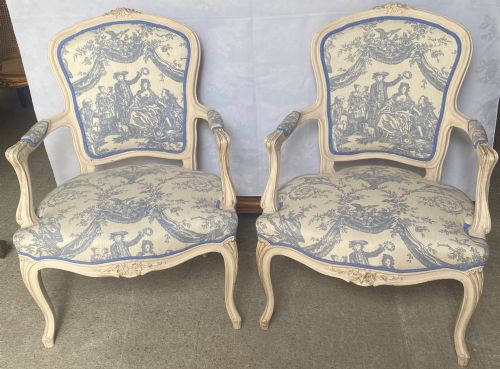
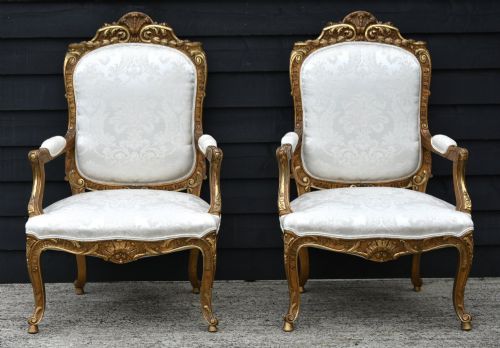
A 19th century french fauteuil is an open-arm upholstered seat designed for reception rooms, salons, and boudoirs. These chairs reflect diverse historical revivals popular across the century, including Louis XV, Louis XVI, and Empire styles.
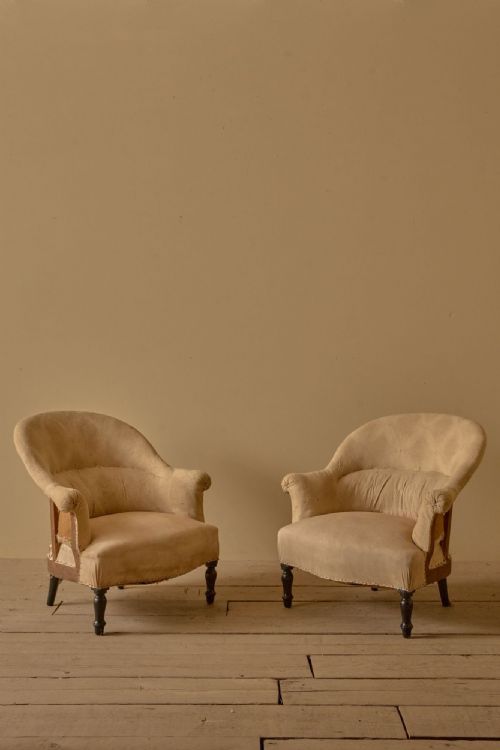
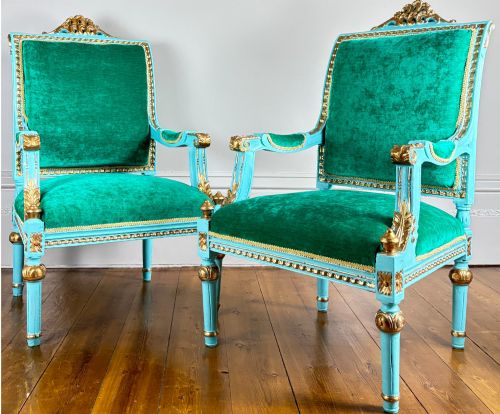
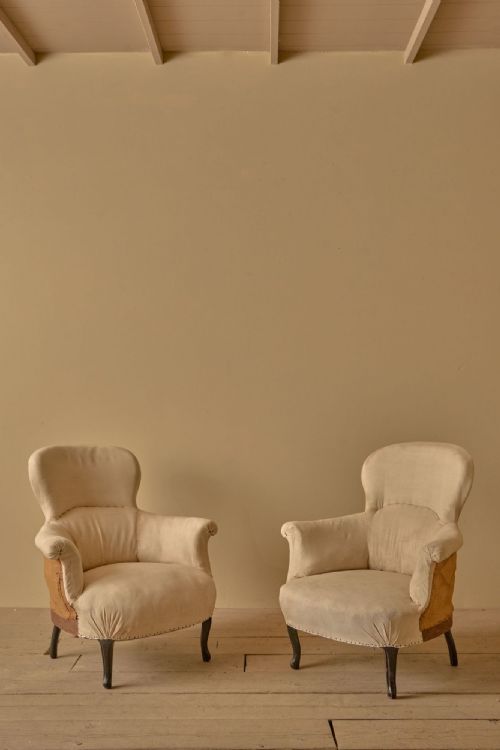
Buyers will encounter various forms ranging from standard salon armchairs to desk chairs and occasional library seating. Carved wooden frames dominate the selection, often paired with matching footstools or found as symmetrical pairs.
Judging Quality and Craftsmanship
Superior examples distinguish themselves through the crispness and depth of the hand-carved wood detailing on the frame. Finer chairs exhibit harmonious proportions, balanced curves, and rigorous joinery that withstands centuries of use.
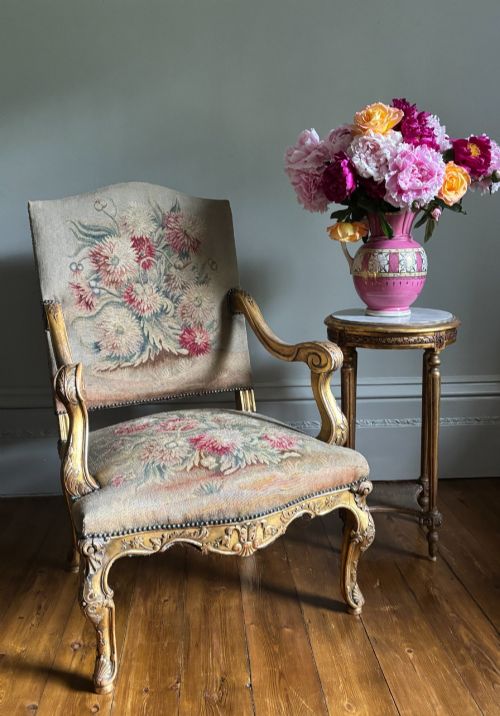
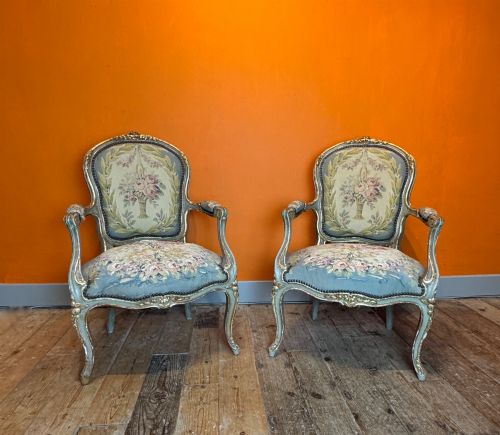
The authenticity and execution of the surface treatment, whether genuine gilding or layered paintwork, heavily influence the stature of a piece. Original textile upholstery or period-appropriate needlework similarly elevates a chair's integrity.
19th Century French Fauteuil Retail Price Guide 2026
Typical asking prices for 19th century french fauteuil among the pieces listed under this phrase on Sellingantiques today, from the lower quarter to the upper quarter. They describe what is for sale here now, not the wider market.
Listings feature oak, walnut, mahogany, and beech frames adorned with silk, velvet, tapestry, and needlework.
Jacob-Desmalter·Holland & Sons
The 19th Century French Fauteuil Glossary
- Fauteuil
- An open-armed upholstered armchair originating in France, traditionally featuring exposed wooden framing around the back and seat. These chairs gained widespread popularity in formal domestic interiors.
- Giltwood
- Timber coated with a thin layer of gold leaf over a prepared base. This finish provides a brilliant reflective surface prized in formal salon seating.
- Ormolu
- Gilded bronze mounts applied to furniture for decorative enrichment. Artisans cast and chased these metal elements to accent cabinetwork and seating frames.
- Caning
- Woven rattan or split cane utilised for seat and back panels. This lightweight technique offers flexible support and decorative texture.
- Needlework
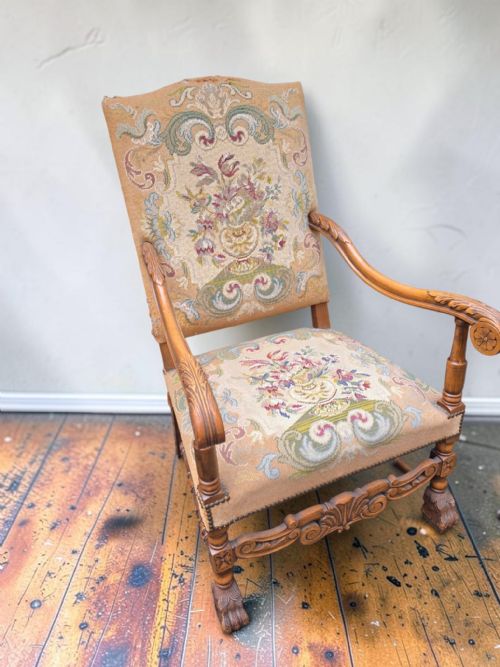
- Hand-stitched textile work executed in canvas or yarn, commonly featuring floral or pictorial designs. Such panels frequently upholster period seats.
19th Century French Fauteuil: Frequently Asked Questions
What is a fauteuil?
A fauteuil is a traditional French upholstered armchair characterised by open wooden arms. The design leaves the wooden frame visible around the upholstered components.
These seats served primarily in formal reception rooms and salons during historical periods. Their open construction allowed individuals wearing wide garments to sit comfortably.
How do I identify the style?
Style identification relies on examining the carved motifs and overall silhouette of the wooden frame. Louis XV revival pieces display sweeping curves and asymmetrical floral carving, while Louis XVI revival items feature straight fluted legs and geometric symmetry.
Empire style chairs incorporate heavier neoclassical elements, sometimes including ormolu mounts. Reference points from the evidence help distinguish between these distinct decorative phases.
Where should I place an armchair?
These armchairs suit living rooms, studies, and bedrooms as accent pieces or reading seats. Their decorative carved frames allow them to function effectively as standalone furniture or paired flanking a fireplace.
Consider the scale of the room and surrounding furniture when positioning a large example. Smaller children's chairs or compact salon models fit well in restrictive spaces.
Are these chairs comfortable for daily use?
Period armchairs provide structured support through traditional padding and upholstery methods. The generous width and open arms accommodate relaxed seating postures in domestic settings.
Upholstery firmness varies depending on the stuffing materials used historically or during subsequent restoration work. Many owners utilise these seats for reading or occasional relaxation.