
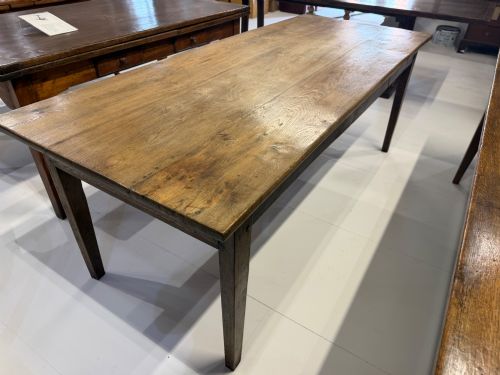
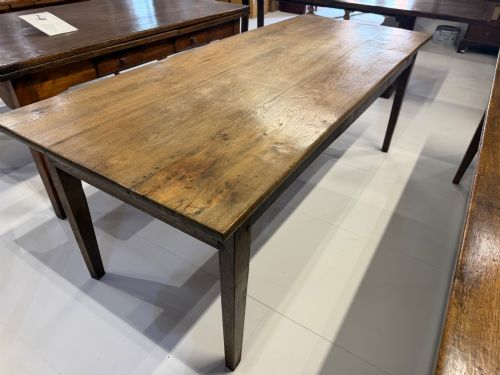
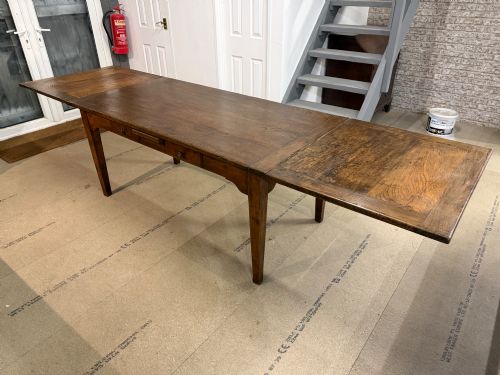
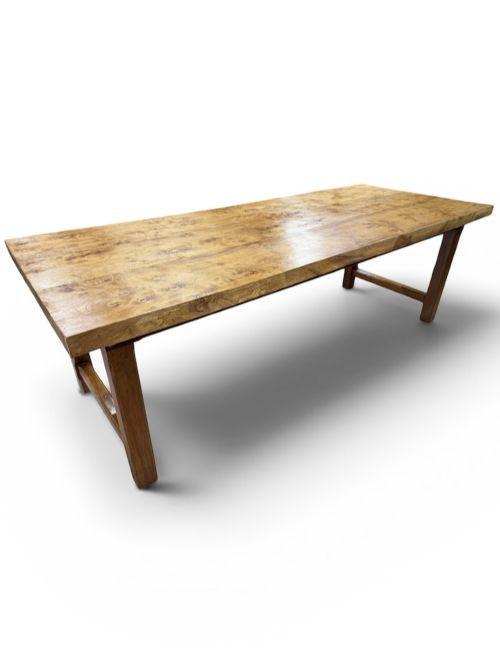
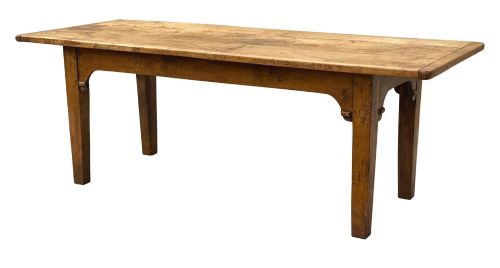
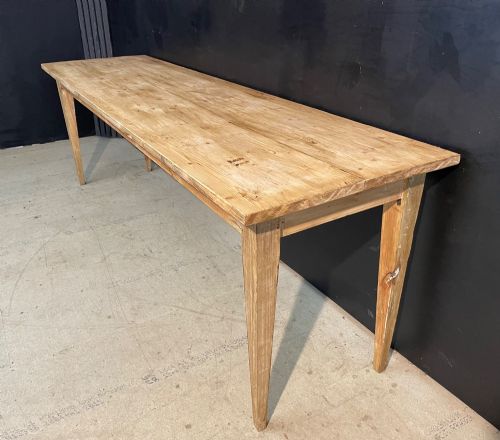
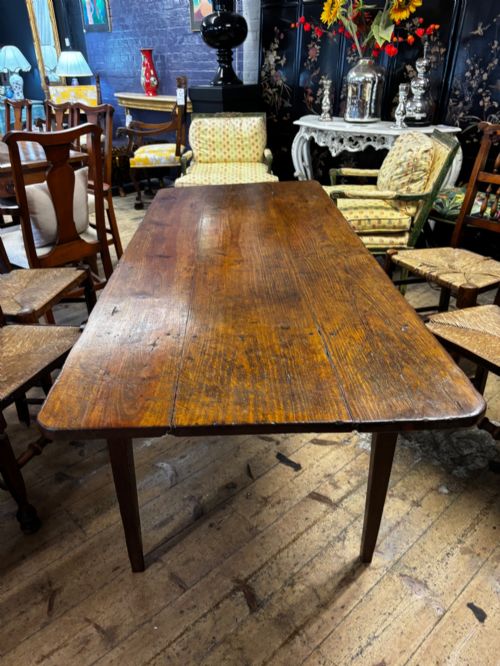
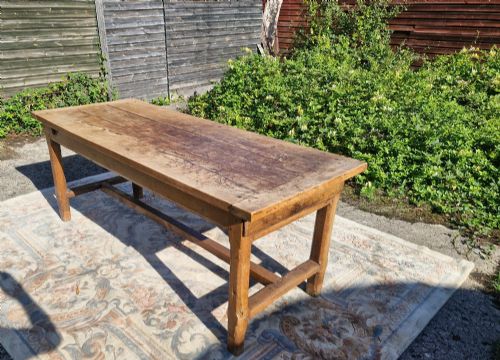
19th Century French Farmhouse Table
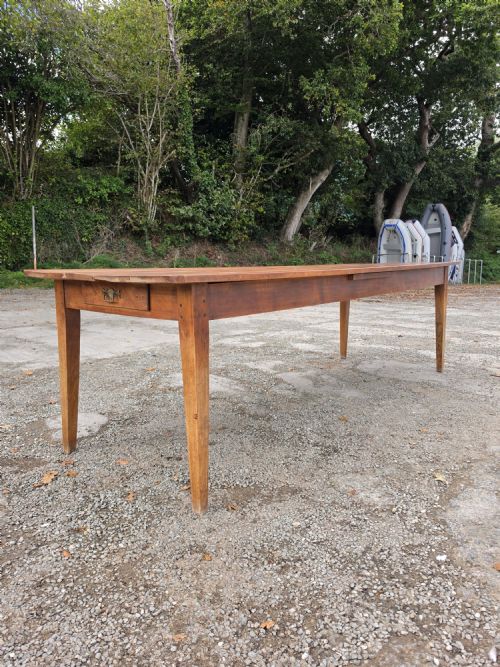
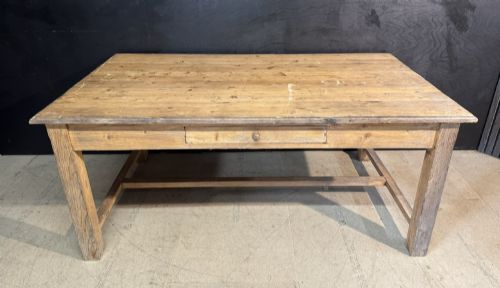
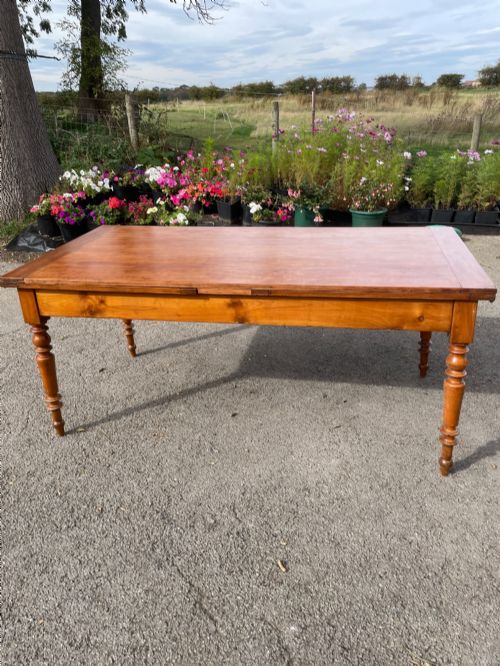
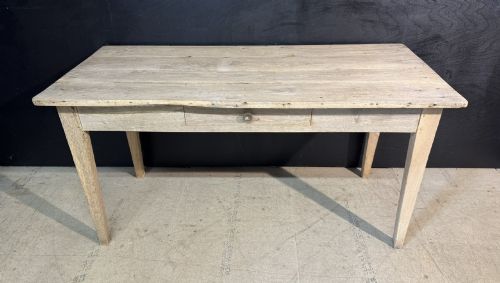
When you choose a 19th century french farmhouse table, you bring home a sturdy hub of daily provincial life crafted to endure.
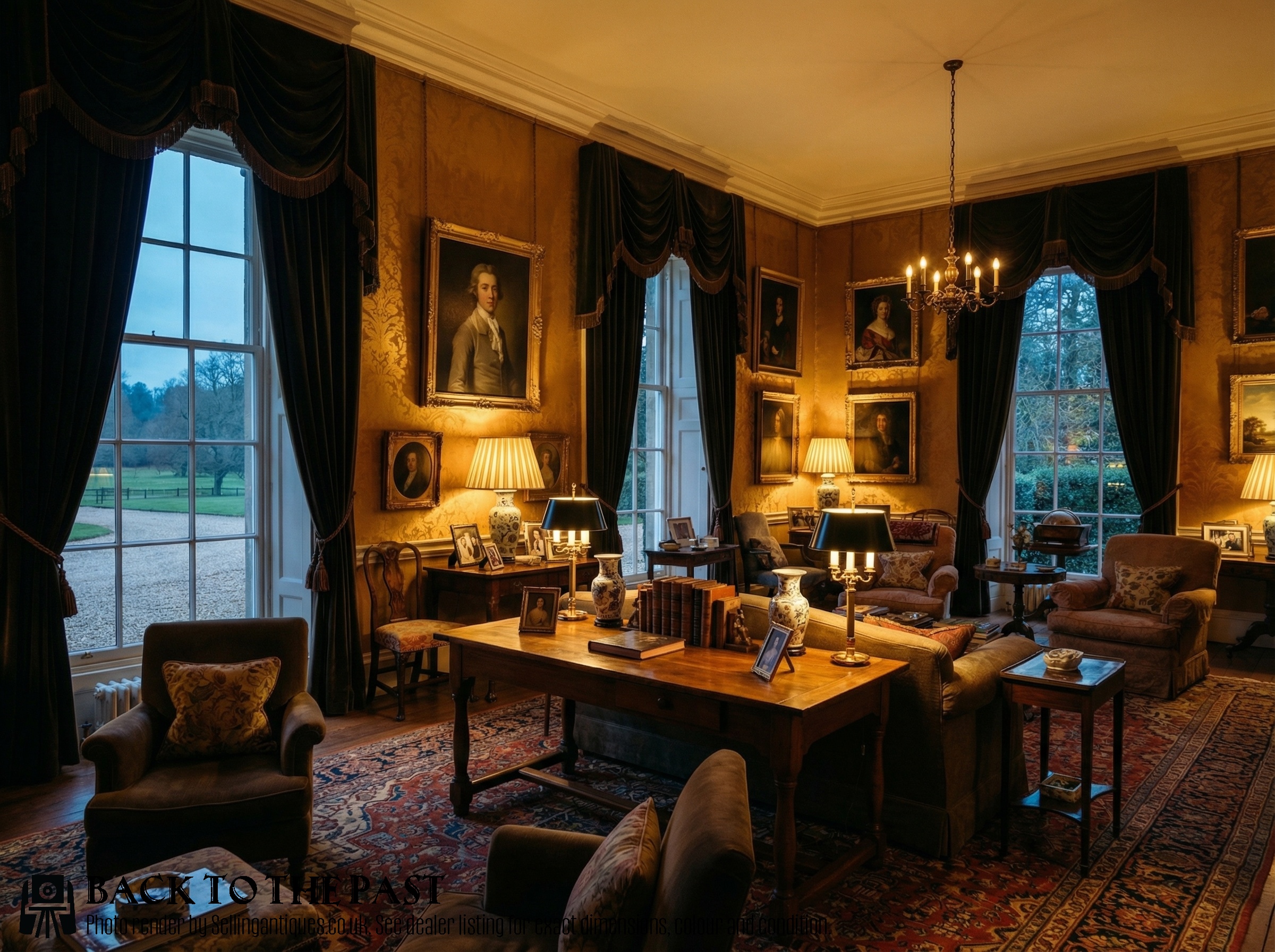
19th Century French Farmhouse Table
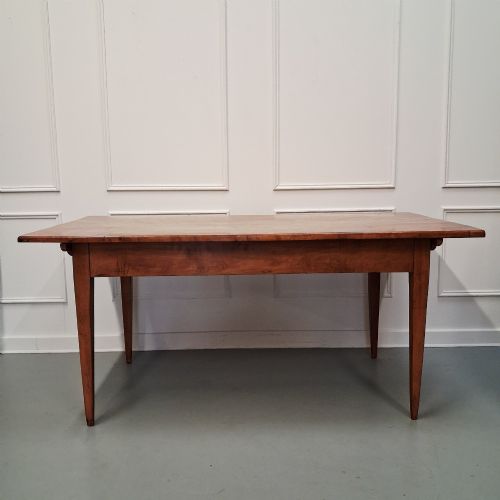
A 19th century french farmhouse table serves as the central gathering surface for rustic country kitchens and dining rooms. These pieces originate from provincial regions across France and reflect the practical needs of rural households.
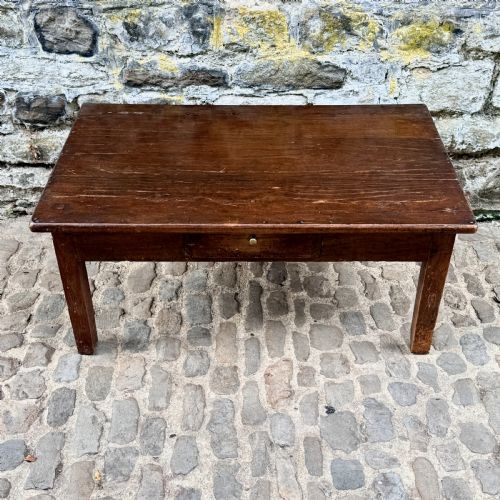
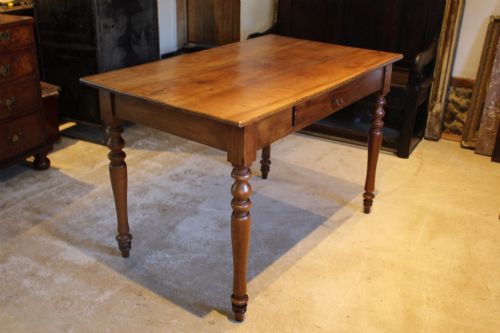
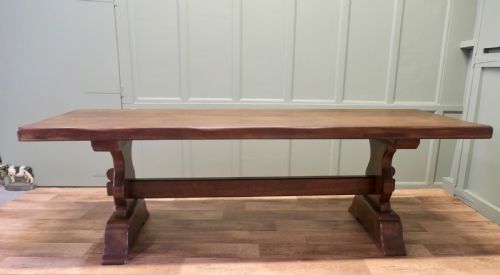
The selection encompasses large refectory formats, dining tables, prep tables, and occasional coffee tables. Many examples incorporate functional additions such as end drawers, sliding bread boards, and extending leaves to accommodate larger gatherings.
Materials and Construction
Cabinet makers utilised regional hardwoods such as oak, fruitwood, cherrywood, walnut, chestnut, and elm, often pairing sturdy pine or oak for internal structures. Table tops range from solid single planks to two-board configurations and scrubbed surfaces designed for daily kitchen work.
Framing techniques involve pegged joinery, tapered legs, cabriole supports, and ash end stretchers to provide stability over long spans. Drawers integrated into the aprons utilise traditional dovetail joints to withstand repeated use.
Listings feature oak, fruitwood, pine, cherrywood, walnut, elm, and chestnut across dining, prep, and coffee table formats.
Quality and Proportion
The distinction in these tables rests upon the selection of timber and the integrity of the original construction. Dense fruitwoods and seasoned oak with well-figured grain command greater appreciation than utilitarian pine.
Proportion and scale dictate the visual weight of the piece, where balanced leg profiles and well-integrated drawers maintain structural harmony without appearing cumbersome.
The 19th Century French Farmhouse Table Glossary
- Refectory table
- A long, narrow dining table originally built for communal dining halls. These examples provide substantial length and seating capacity.
- Scrub-top table
- A wooden surface left unfinished or repeatedly scrubbed clean for food preparation. This treatment highlights the natural grain of the timber.
- Draw leaf table
- A dining table with pull-out leaves stored beneath the main surface. This mechanism allows the table length to increase when needed.
- Stretcher
- A horizontal support connecting the legs of a table for added stability. These wooden braces often show wear appropriate to their age.
- Bread board ends
- Transverse pieces of wood attached to the ends of a tabletop. This construction method accommodates the natural expansion and contraction of timber.
19th Century French Farmhouse Table: Frequently Asked Questions
How were farmhouse tables used originally?
These tables functioned as the heavy-duty workspaces for rural domestic life, accommodating food preparation, kneading dough, and daily family meals.
Their robust timber surfaces handled continuous heavy labour before eventually moving into formal dining spaces.
What woods were used for these tables?
Regional workshops built tables from locally available timber, predominantly selecting oak, fruitwood, cherry, walnut, elm, chestnut, and pine.
Hardwoods provided durability for top surfaces, while secondary woods often formed the framing and internal drawers.
Do these tables have drawers?
Many provincial examples feature one or more drawers integrated into the aprons for storing cutlery and linens.
Some iterations also include sliding bread boards positioned beneath the main surface for additional workspace.
How do I care for a wood top?
Maintain the timber surfaces by wiping them clean with a damp cloth and avoiding excessive moisture.
Regular applications of natural wax help preserve the finish and protect the grain over time.