
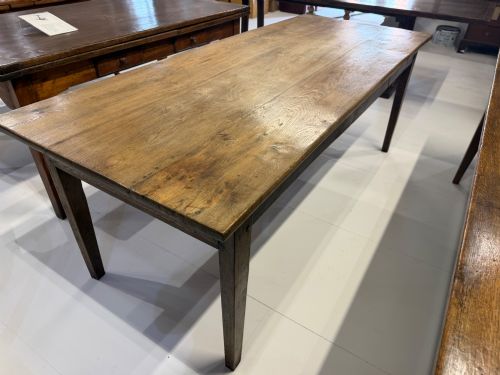
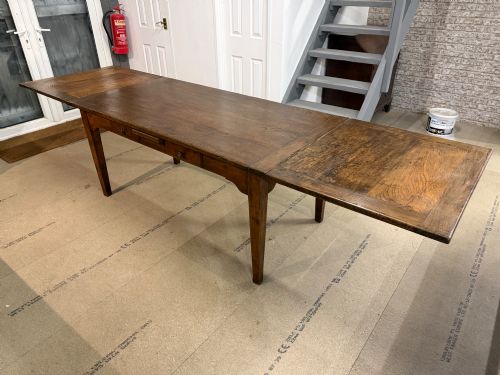
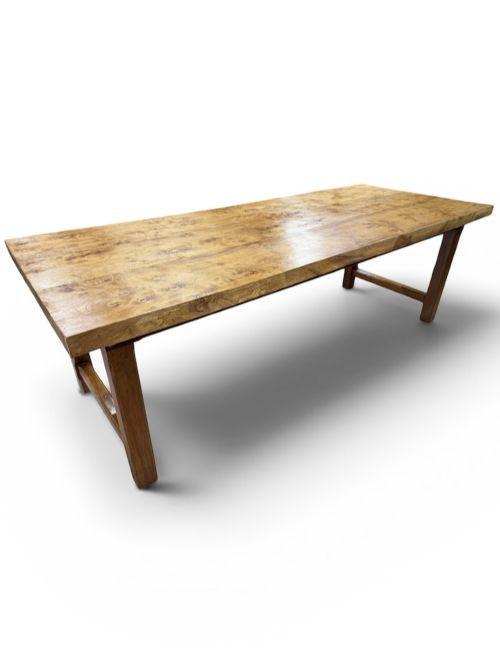
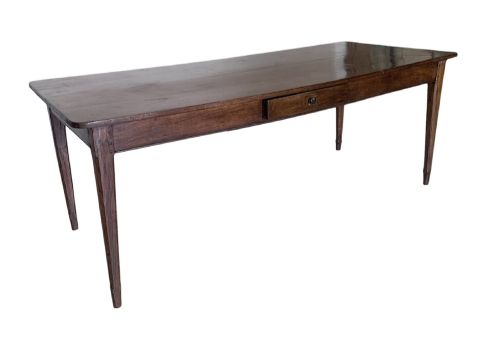
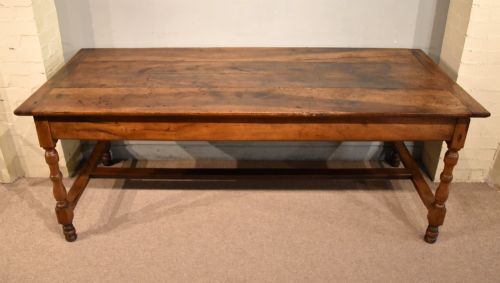
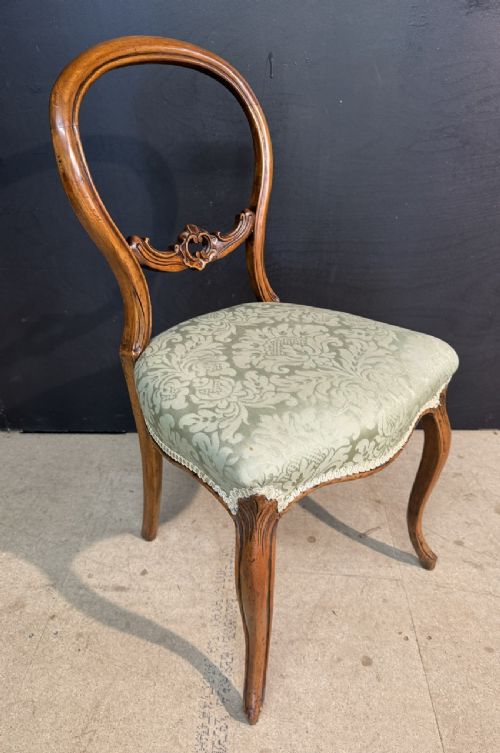
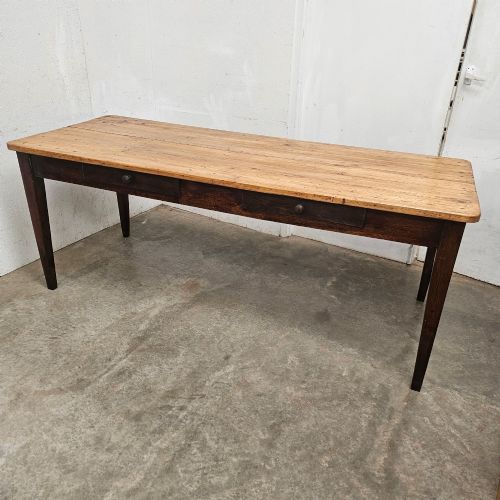
19th Century French Dining Table
A 19th century french dining table brings generous proportions and honest regional character to daily gatherings.
19th Century French Dining Table
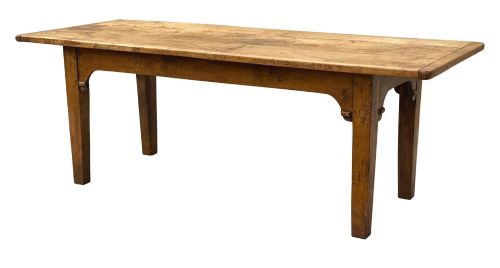
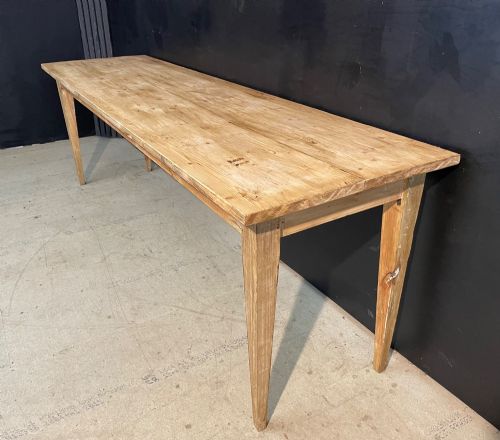
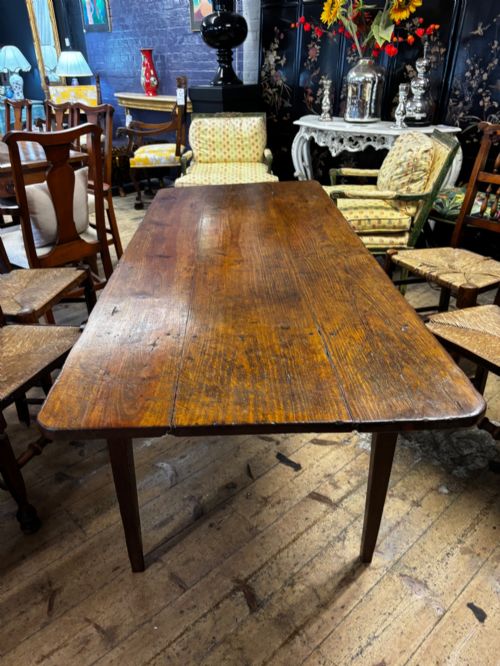
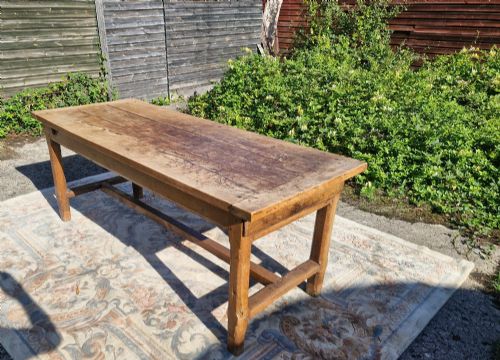
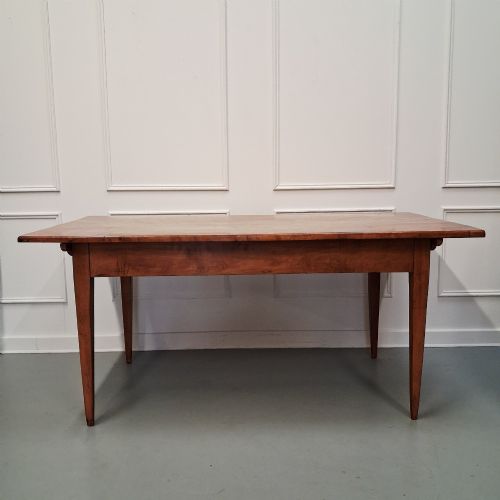
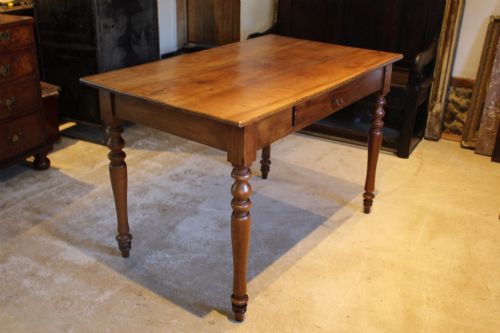
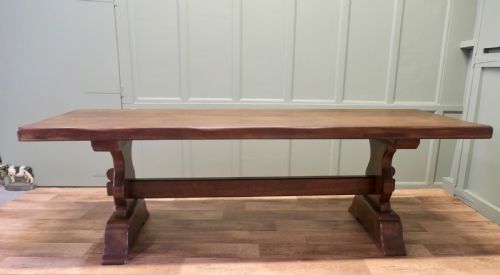
A 19th century french dining table spans utilitarian kitchen boards and substantial provincial refectory forms designed for daily communal use. These pieces embody regional styles such as French Provincial, Rustic Farmhouse, and French Country from periods across the nineteenth century.
Most examples encountered here are practical timbers shaped for domestic utility, frequently featuring extensions, drawers, or scrub tops. Their origins trace to rural French departments where domestic life centred around large wooden boards.
What Varies In Quality
Selection of primary timber dictates the visual depth of the surface, with dense fruitwoods and mature oak yielding superior patination compared to utility pine. The integrity of the original board joints and underframe stability reveal the joiner's original competence.
Proportion and scale distinguish standard provincial work from exceptional grand examples, particularly where length requires complex double-extending mechanisms or additional supportive stretchers.
Listings feature woods such as oak, fruitwood, pine, cherrywood, walnut, elm, and ash across the nineteenth century.
The 19th Century French Dining Table Glossary
- Refectory table
- A long, narrow dining table originally built for monastic or communal dining halls. These forms typically feature strong stretcher rails connecting the legs for added rigidity.
- Fruitwood
- Timber sourced from fruit-bearing trees such as cherry, pear, or apple. This material yields a warm, dense surface that develops a rich patina over decades of use.
- Vendange table
- A round or folding table traditionally utilised during grape harvests in French vineyards. They often feature drop leaves or folding actions for easy storage.
- Scrub top
- A plain wooden tabletop left unpolished to permit vigorous daily scrubbing with water and sand. This treatment creates a pale, weathered surface texture.
- Draw leaf
- An extension system featuring pull-out leaves stored beneath the main top. This mechanism expands the surface area without removing the central board.
19th Century French Dining Table: Frequently Asked Questions
How do I clean the wooden top?
Wipe surfaces down using a damp cloth with mild soap, avoiding harsh chemical sprays that strip the aged finish. Dry the timber thoroughly immediately afterwards.
Apply occasional beeswax to nourish the wood and maintain its protective barrier against everyday moisture.
Can these tables seat large groups?
Many provincial examples measure several metres in length and accommodate eight to twelve diners comfortably. Double-extending and draw-leaf variations provide adjustable seating capacity.
Check the clearance beneath the aprons to ensure standard dining chairs fit underneath without obstruction.
What wood types are most common?
Oak and fruitwood appear frequently across provincial workshops, valued for their durability and distinctive grain patterns. Elm, pine, and cherrywood also form standard regional choices.
Different timbers react uniquely to interior climates, meaning humidity control helps preserve the original joints.
How do I identify regional styles?
Regional characteristics emerge through specific timber choices and leg turning styles unique to different French departments. Brittany tables often display heavier oak construction, while southern pieces utilise fruitwood.
Stretchers and drawer configurations provide further clues regarding the specific provincial workshop origin.