




19th Century Floor Pedestals
These 19th century floor pedestals are striking stands, columns, and figures designed to elevate sculpture, clocks, and lamps.
19th Century Floor Pedestals
When you search for 19th century floor pedestals, you encounter a varied group of furnishings designed to support heavy decorative objects, clocks, and lighting. The forms range from classical columns and architectural plinths to figurative supports such as Venetian torcheres and carved wooden figures. These pieces originate from distinct stylistic movements across Europe, particularly the Victorian period and French revival styles.
The selection includes practical display stands alongside elaborate figural works like Blackamoor figures holding torch lamps or basins. Many items function as matched pairs, while others stand alone as singular sculptural statements within a room. Their primary purpose remains the elevation of prized possessions to eye level, combining structural utility with theatrical display.
How they were made
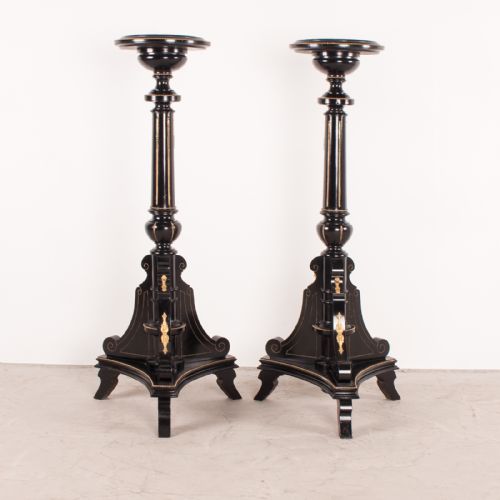
Craftsmen utilised traditional timber construction, shaping solid woods such as mahogany and ebonised wood to build robust cores for architectural columns and brackets. Woodcarvers then applied intricate relief details, working directly into the material before finishing the surfaces. Ormolu mounts and brass fixtures added metallic contrast to timber and stone elements.
Surface ornamentation involved sophisticated finishing techniques including polychrome paint, gold leaf gilding, and Boulle marquetry involving tortoiseshell and brass. Figures and decorative mounts often incorporated cast bronze, sometimes with patinated or gilt finishes applied to highlight sculptural contours. These layered decorative treatments required specialist knowledge across woodworking, metalcasting, and painting.
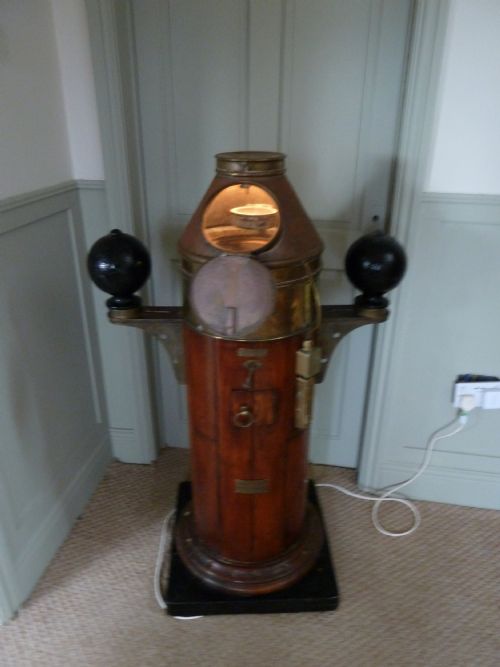
Napoleon Bonaparte shares billing with a wandering ship's binnacle and a General's cheval mirror.
What varies in quality
The distinction between ordinary and exceptional examples rests upon the depth and precision of the hand-carving and the integrity of the original surface finishes. Pieces featuring crisp, deeply undercut foliage, figures with expressive facial detailing, and well-preserved original polychrome or gilt surfaces command greater appreciation. Inferior examples often display softened decorative motifs, clumsy proportions, or unsympathetic later repaint layers.
Material selection and structural assembly further differentiate the range, as demonstrated by heavy, stable timber cores and high-grade cast bronze mounts rather than lightweight substitutes. The harmonious integration of accompanying items, such as a matching clock and pedestal set, reflects higher workshop ambition. Ultimately, the survival of unblemished original decorative schemes dictates the standing of any given piece.
François-Christophe-Armand Toussaint
The 19th Century Floor Pedestals Glossary
- Torchere
- A tall ornamental stand designed to support a light fixture, candle, or small sculpture. These freestanding supports often feature decorative carved figures or slender classical columns.
- Blackamoor
- A European decorative art genre depicting figures from North African or sub-Saharan origins, frequently rendered as servants or torch-bearers in carved wood and polychrome paint. Such pieces date predominantly to the eighteenth and nineteenth centuries.
- Ormolu
- Gilded bronze, produced by applying a mixture of gold and mercury to a bronze casting and heating the object to drive off the mercury. This technique imparts a rich, golden metallic lustre.
- Boulle
- A type of marquetry consisting of tortoiseshell and brass inlaid in a intricate floral or geometric pattern, popular in French furniture manufacture. It takes its name from the cabinetmaker André-Charles Boulle.
- Polychrome
- Decorated in several colours, typically applied to wood or plaster sculptures to create lifelike or decorative surface effects. Original polychrome surfaces remain particularly desirable among collectors.
19th Century Floor Pedestals: Frequently Asked Questions
What were 19th century floor pedestals used for?
These tall stands served primarily to elevate heavy decorative items, clocks, busts, and lighting fixtures within grand domestic interiors. By raising these objects, makers ensured that sculptures and timepieces commanded visual attention in reception rooms and hallways.
In many instances, the supports themselves acted as elaborate works of art, incorporating figurative carvings or gilt surfaces to complement the items placed upon them.
How do I style a torchere at home?
A torchere works best in corners, empty wall spaces, or flanking large doorways where its height can break up flat expanses. You can display a compatible bronze bust, a ceramic vase, or allow the carved figure to stand alone as a sculptural focal point.
Ensure the surrounding furniture scale matches the imposing height of the pedestal to maintain visual balance in the room.
How do I identify French Napoleon III pieces?
Napoleon III pieces generally exhibit eclectic revivals of earlier court styles, combining Louis XV curves with heavy ornamentation and dark ebonised woods. Look for lavish applications of ormolu mounts, tortoiseshell inlay, and meticulous attention to surface grandeur.
These items reflect the opulent tastes of the Second French Empire and frequently appear alongside matching bracket clocks or candelabra.
What is the difference between a pedestal and a plinth?
A pedestal typically refers to a taller, freestanding column or figural stand designed to raise an object well above floor level. A plinth generally describes a lower, block-like base that sits directly on the ground to support a sculpture or architectural element.
Both serve to separate art objects from the floor, though pedestals tend to emphasise vertical reach.