



19th Century Equestrian Bronzes
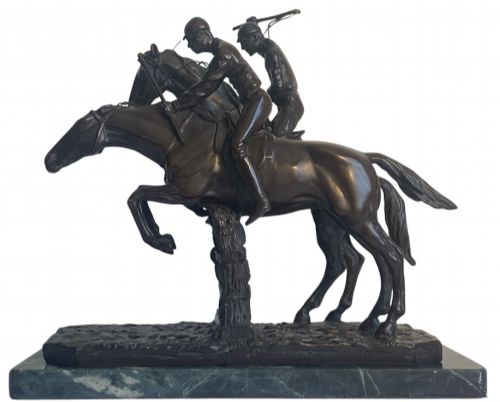
These 19th century equestrian bronzes capture the muscular power of horses and riders through enduring metal work that anchors a mantel or desk.
19th Century Equestrian Bronzes
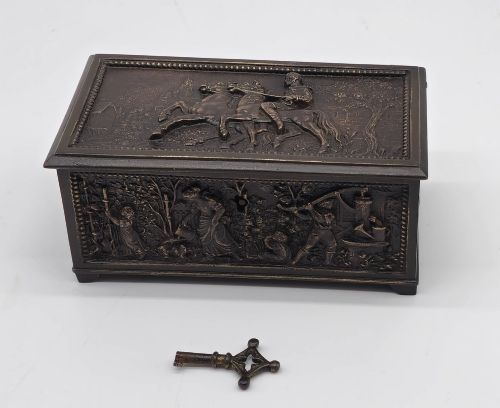
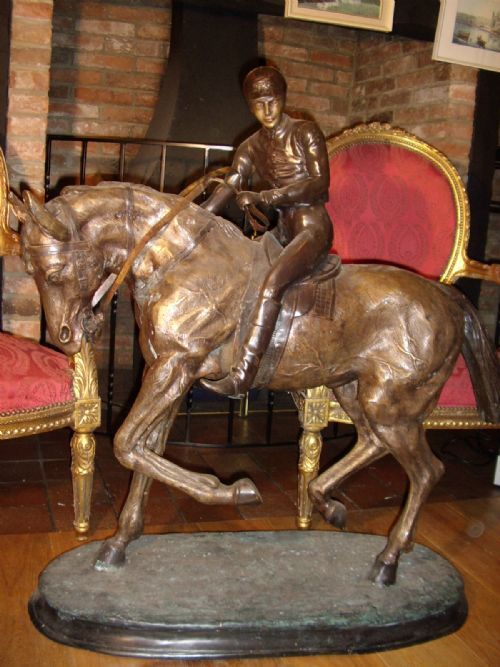
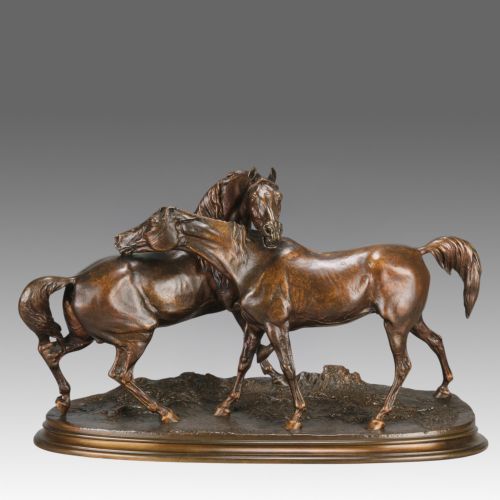
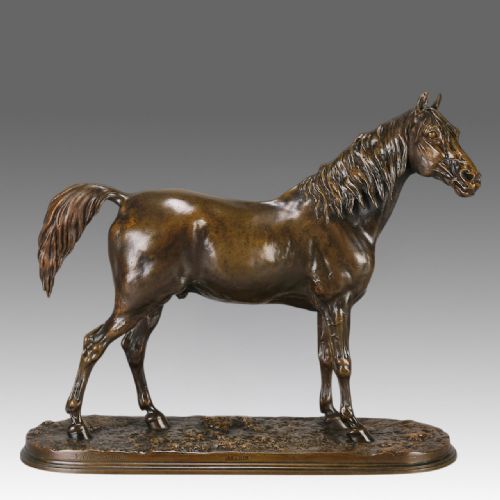
When buyers search for 19th century equestrian bronzes, they encounter sculptural groups, mantel clocks, and desk accessories depicting horses and riders across various European traditions. The objects range from French Animalier castings of racehorses and Arab stallions to grand historical figures mounted on chargers.
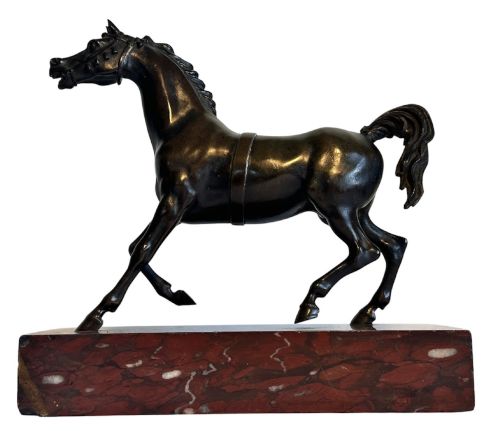
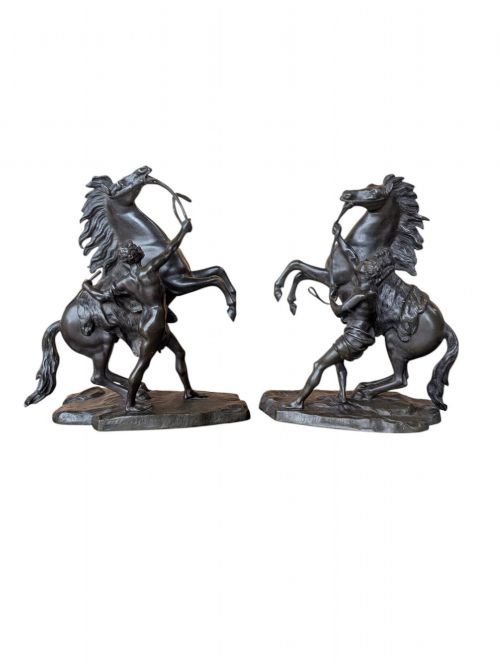
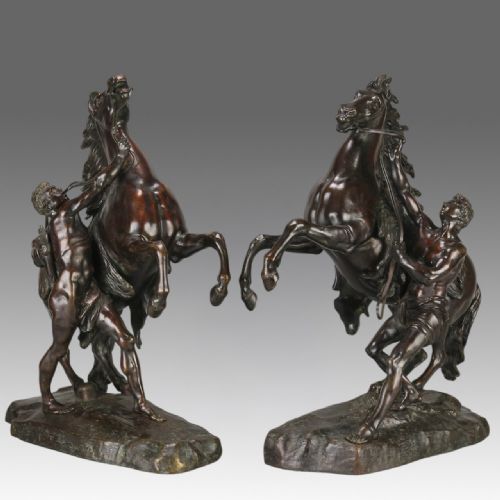
French Animalier works and Italian Grand Tour castings dominate the selection, often pairing patinated bronze with marble bases. These pieces frequently draw inspiration from classical monuments such as the Marly Horses or historical commanders like Napoleon.
How they were made
Foundries utilised the lost-wax casting method or sand casting to achieve intricate muscle definition and harness details in the metal. Artisans then applied chemical patination, gilding, or silver plating to create varied surface tones.
Sculptures are typically mounted onto heavy plinths of Sienna marble, white marble, or olive wood to provide stability and visual contrast to the dark metal.
Listings feature periods from the 1850s through 1900, rendered in bronze, marble, ormolu, and brass across sculptural and clock formats.
What varies in quality
The quality of the foundational base, whether veined marble or turned wood, and the depth of the original patination dictate the overall presence of the sculpture.
Pierre Jules Meme·John Willis Good·Luigi Secchi·Alfred Dubucand·Charles Crozatier·Pierre Lenordez·Nikolai Lieberich
The 19th Century Equestrian Bronzes Glossary
- Animalier
- A 19th-century artistic movement focused on the realistic depiction of animals, particularly horses and wild beasts. Practitioners mastered anatomical accuracy through direct observation.
- Patinated Bronze
- Bronze treated with chemical solutions to produce a controlled surface colour ranging from deep brown to green. This treatment protects the metal and defines sculptural shadows.
- Ormolu
- Ground gold applied to a copper-alloy base using a mercury amalgam technique, creating a bright golden finish. It appears frequently on French clock mounts and decorative bases.
- Grand Tour
- Cultural travel across Europe undertaken by 19th-century elites, who collected small-scale bronze copies of famous classical and Renaissance statues as souvenirs.
- Marly Horses
- A famous pair of monumental marble horse sculptures commissioned for Louis XV, which inspired numerous 19th-century bronze reductions for domestic display.
19th Century Equestrian Bronzes: Frequently Asked Questions
How do I clean a bronze sculpture?
Dust the surface regularly with a soft, dry brush to prevent dirt accumulation in the recessed details of the casting.
Avoid using water, soap, or commercial metal polishes, as these abrasive substances strip away the historic patina.
Are these pieces signed by the artist?
Many 19th-century castings bear the signature or foundry mark cast directly into the bronze base alongside the horse's hoof.
Unsigned pieces remain common, often produced as studio editions or after-casts from prominent workshops.
What is the difference between Animalier and neoclassical bronzes?
Animalier bronzes focus on the raw energy and accurate anatomy of animals in motion or repose, reflecting mid-century scientific interest.
Neoclassical pieces draw strictly from historical, mythological, or heroic human subjects on horseback, prioritising formal classical composure.
Why are some horses mounted on marble bases?
Heavy marble plinths provide essential structural balance for heavy bronze castings that might otherwise tip on slender legs.
Materials like Sienna or black marble also add visual weight and complement the dark patination of the metal.