



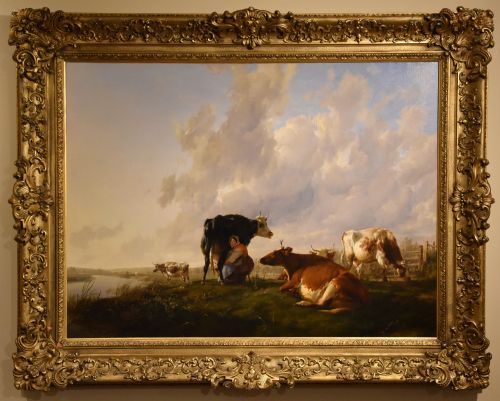
19th Century English Landscape
Step into the rural calm of a 19th century english landscape, captured through delicate watercolours and rich oil paintings that celebrate the timeless beauty of the countryside.
19th Century English Landscape
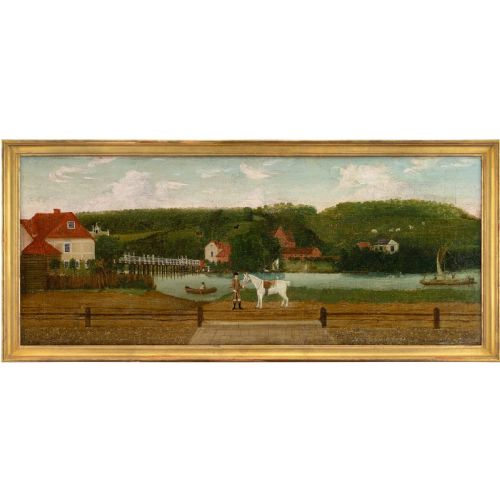
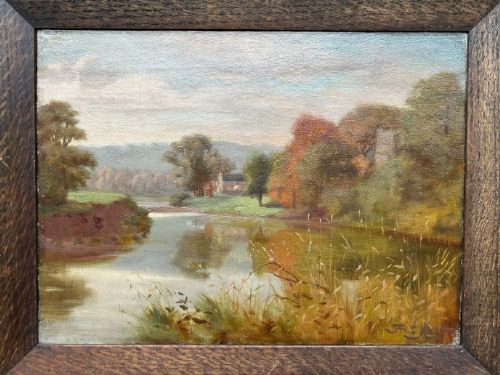
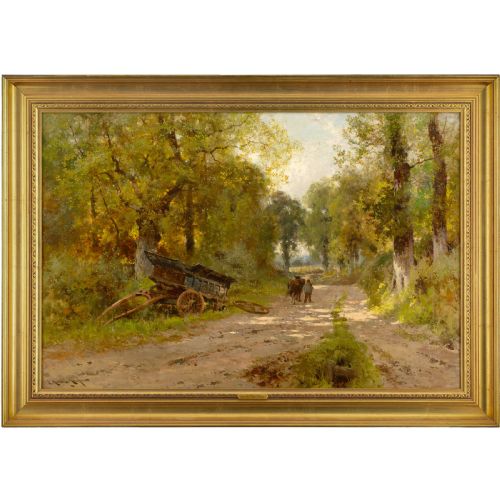
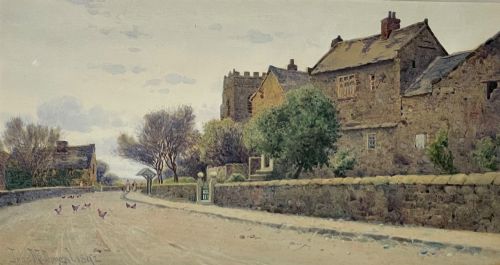
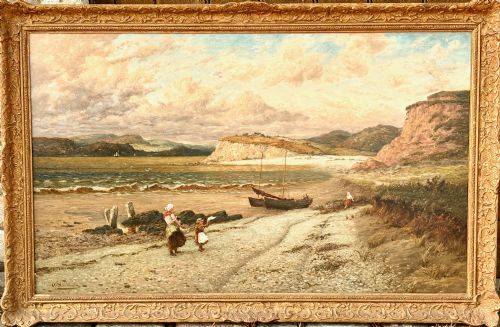
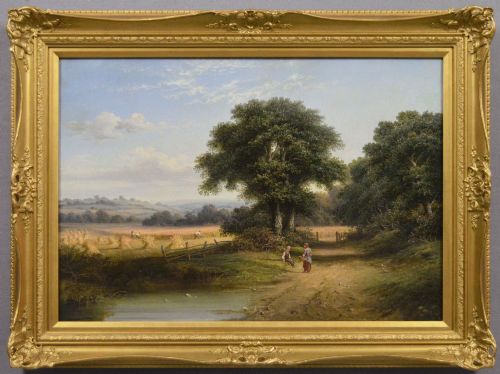
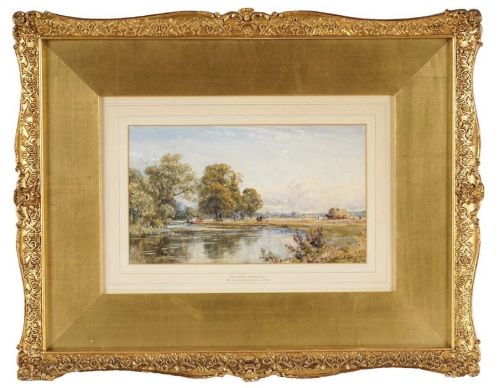
When searching for a 19th century english landscape, buyers encounter a rich array of historic artworks that document the changing rural scenery of Britain. These pieces capture quiet riverbanks, sweeping coastal views, and traditional pastoral scenes painted during the Victorian, Regency, and Georgian periods.
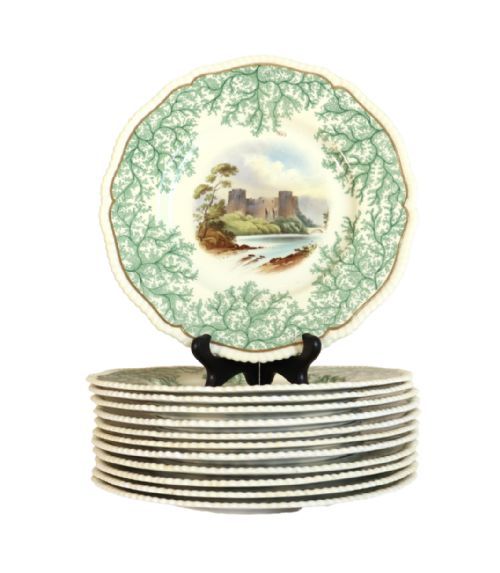
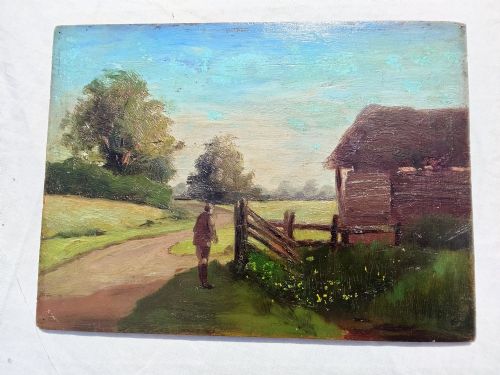
The selections available range from detailed watercolours on paper to substantial oil paintings on canvas and wood panel. Alongside traditional framed wall art, the selection occasionally extends to decorative dinner plates, porcelain plaques, and ceramic tureens featuring painted topographical scenes.
Most works originate from British artists working within distinct regional schools, depicting recognisable locations from the Thames Valley to Cornish harbours. Collectors acquire these items to bring authentic period atmosphere and historical narrative into domestic interiors.
How they were made
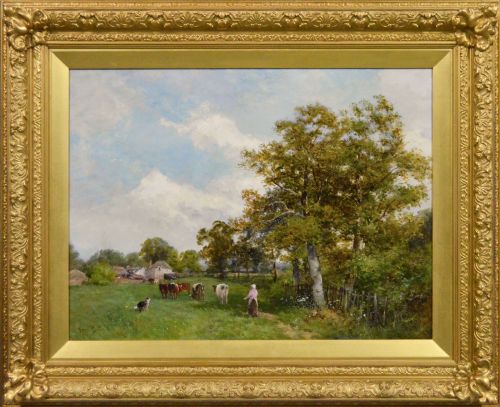
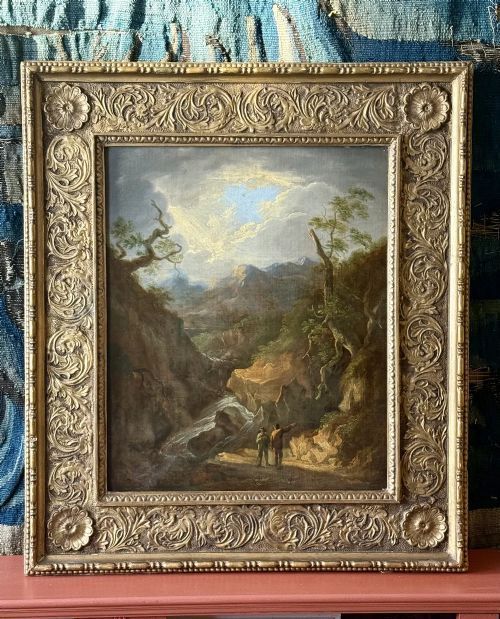
Artists of this era primarily worked with oil on canvas, oil on wooden board, or watercolour on paper, often applying pigments by hand in studios or directly outdoors. Canvas works typically display textured brushwork built up in layers, while watercolours rely on translucent washes on paper to capture natural light and atmospheric weather conditions.
Frames form an integral part of how these pieces were constructed, with many retaining their original decorative giltwood and carved wood surrounds. Ceramics and porcelain items featuring landscape motifs utilise detailed hand-painting applied over glazed earthenware before firing.
Common regional settings recorded in the evidence include the Thames Valley, Cornish harbours, Yorkshire abbeys, and Hampshire woodlands.
What varies in quality
The distinction between standard works and exceptional pieces rests primarily on the skill of brushwork, compositional balance, and the artist's ability to render natural light. Finer paintings demonstrate confident handling of atmospheric depth and detailed figures integrated naturally into the surrounding scenery.
Provenance and documentation also influence standing, with signed works or pieces carrying confirmed historical attribution holding greater weight among collectors. Furthermore, the preservation of the original medium - whether vibrant watercolour pigment or untouched oil on canvas - defines the lasting integrity of the piece.
James Orrock·Alfred Young Nutt·Frederick Marriott·John Horace Hooper·John McDougal·William Banks Fortescue·Robert A Nottingham·David Bates·Benjamin Barker of Bath·Walter Heath Williams·Robert Thorne Waite·Thomas Sidney Cooper·Richard Redgrave·John Sargent Noble·Charles Hunt·Barr Flight and Barr·Edward Warren Bonomi·C R Breytle·Henry H Parker·Miles Birkett Foster·David Cox·Herman S Melville·Mintons·John Frederick Herring Senior·Thomas Cooper Moore
The 19th Century English Landscape Glossary
- Watercolour
- A painting method where fine pigment is suspended in a water-based, translucent solution applied to paper. It allows artists to create delicate washes of light and colour.
- Giltwood
- Wood that has been thinly coated with gold leaf or gold paint. This finish was commonly applied to decorative picture frames during the nineteenth century.
- Provenance
- The documented history of ownership of an antique object. A clear provenance helps verify the authenticity and background of a painting or decorative piece.
- School
- A group of artists influenced by a common teacher, style, region, or period. The British School encompasses painters working within traditional domestic aesthetics.
19th Century English Landscape: Frequently Asked Questions
How do I identify a nineteenth century watercolour?
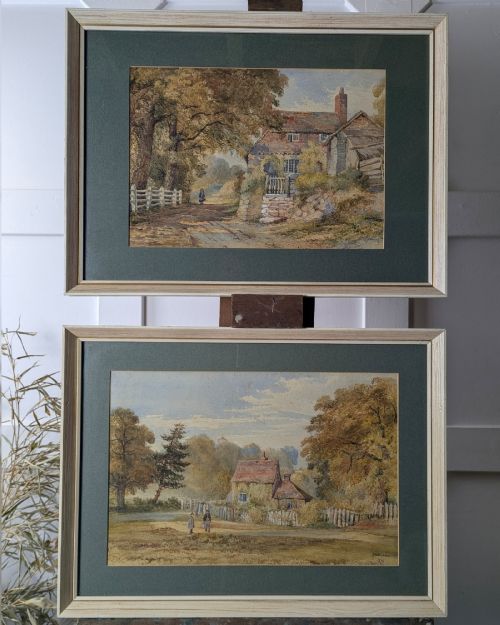
Nineteenth century watercolours are typically painted on heavy rag paper and often displayed beneath glass within gilt frames. Close inspection may reveal artist signatures, pencilled titles, or period framing techniques unique to the era.
Paper from this period often exhibits a natural cream tone or minor ageing marks. Collectors examine the reverse of the frame for old labels or inscriptions that confirm the date and location depicted.
Where should I hang an antique landscape painting?
Antique landscape paintings suit principal reception rooms, studies, or hallways where natural light enhances the painted tones. Placing them away from direct sunlight preserves the pigments on both canvas and paper.
Pairing smaller watercolours together creates a balanced gallery wall effect, while larger oil paintings function well as single focal points above mantlepieces or sideboards.
Did nineteenth century artists paint outdoors?
Many nineteenth century artists sketched outdoors in pencil or watercolour to capture immediate weather and lighting conditions. They often completed larger oil paintings later inside their studios using these field studies as reference.
Portable watercolour boxes and sketching boards became increasingly popular during this era, allowing painters to travel easily through the British countryside.
What subjects are common in these paintings?
Common subjects include pastoral river views, coastal harbours with fishing boats, wooded pathways, and agricultural scenes featuring haymaking or livestock. Artists frequently recorded identifiable British landmarks, abbeys, and rural villages.
Human figures and animals are often integrated into the scenery to provide a sense of scale and everyday activity within the natural environment.