

19th Century English Glass
When exploring 19th century english glass, collectors encounter brilliant tableware, decorative vessels, and mirrors framed in carved wood that define period interiors.
19th Century English Glass
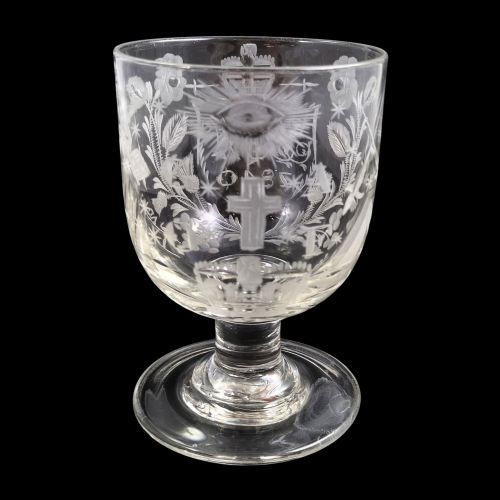
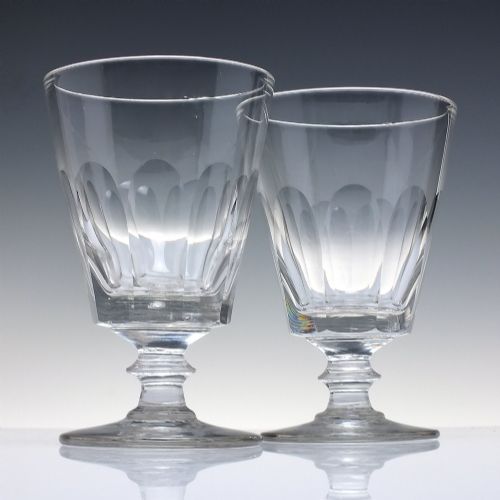
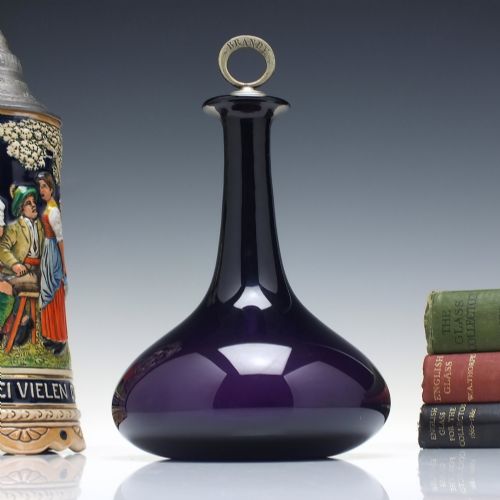
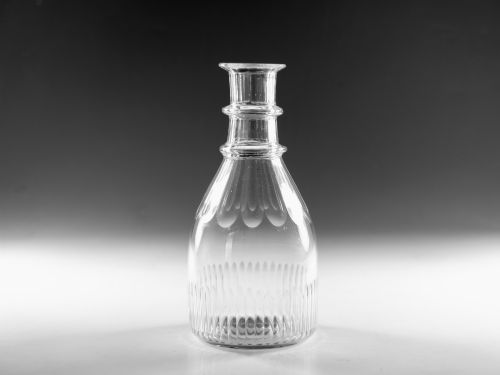
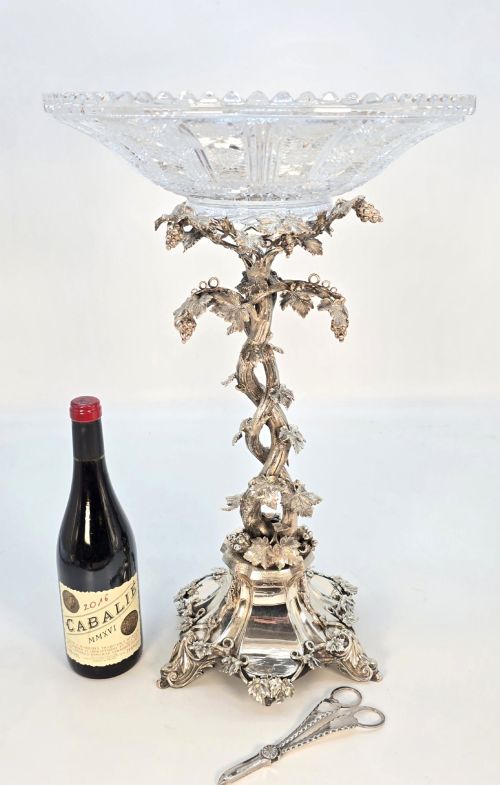
The selection encompasses diverse decorative and utilitarian objects made across the 19th century, with drinking vessels and tablewares forming a substantial portion of daily wares. Pieces range from large table centrepieces and rummer glasses to delicate decanters, tazze, and apothecary bottles.
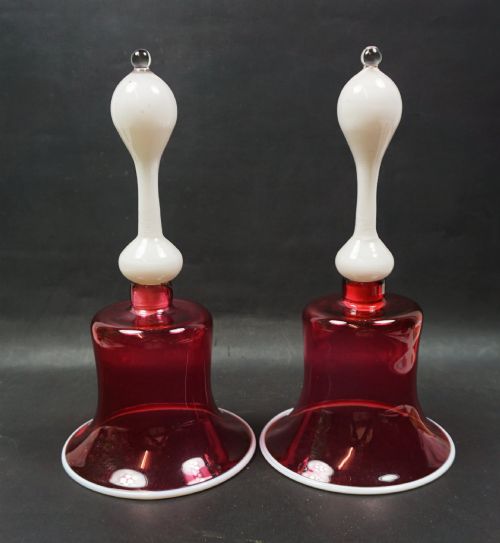
Beyond vessels, the category includes decorative domestic items such as glass bells, oil lamps, vases, and coloured glass hats associated with regional English production centres like Nailsea. These items demonstrate the versatility of glass as both a practical material and an artistic medium throughout the Victorian and Georgian eras.
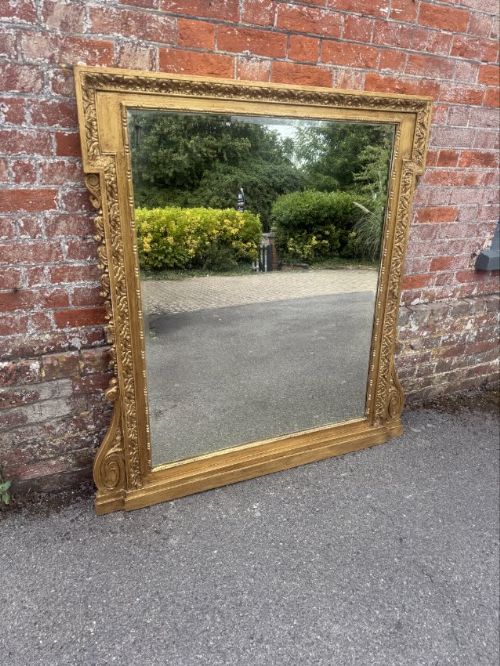
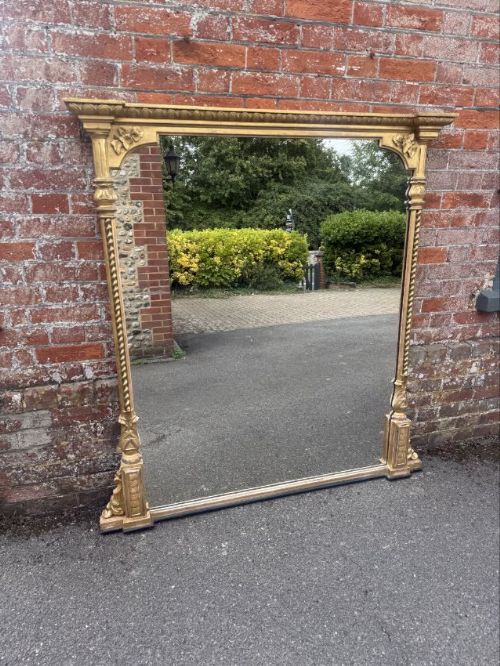
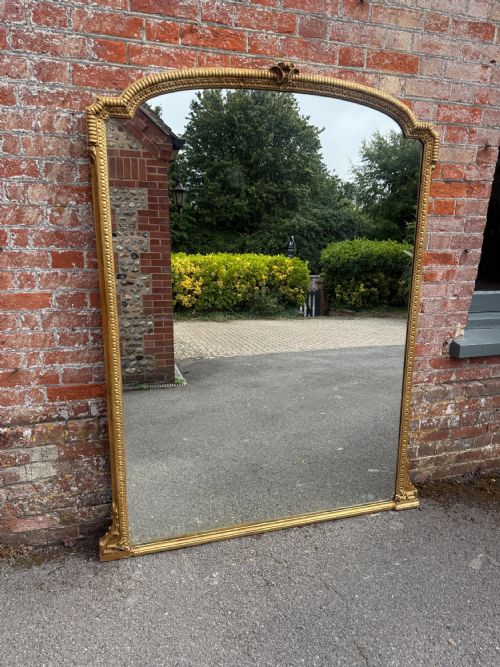
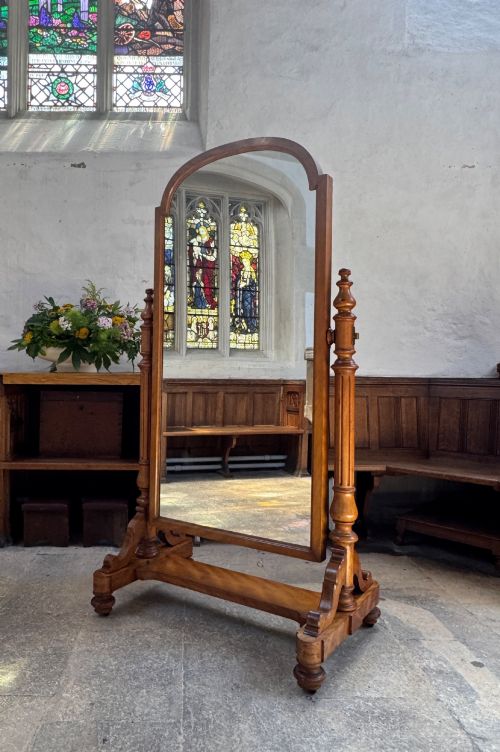
Alongside standalone glass objects, the material frequently intersects with larger furnishings through mirrors, cabinets, and display domes. Pier mirrors, overmantels, and table lamps incorporate lead glass, mirror glass, and bronze or brass mounts to create functional centrepieces for period rooms.
How They Were Made
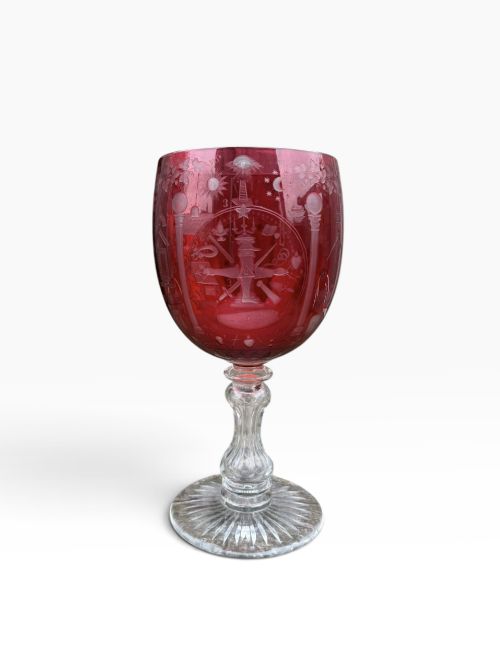
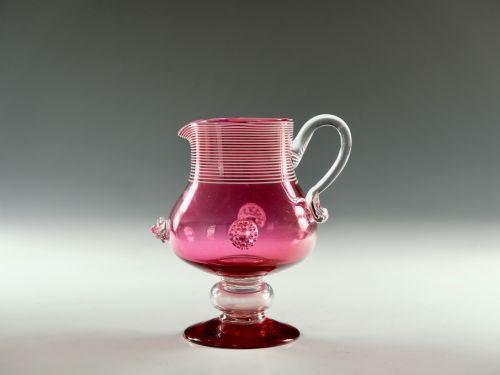
Glass production relied on traditional blowing, moulding, and cutting techniques, often utilising lead crystal to achieve clarity and weight. Pieces frequently feature wheel-engraving, honeycomb moulding, or applied coloured canes to introduce decorative patterns and rich hues like cranberry, Bristol blue, and amethyst.
Many items combine glass with other primary media such as wood, gesso, brass, and silver plating. Mirrors and lighting fixtures pair mercury glass or lead crystal with carved, giltwood, or cast brass frames to enhance their reflective properties and structural presence.
Glass firemen balls hung near hearths to break and suppress sudden kitchen flames.
What Varies in Quality
The degree of refinement in cutting, engraving, and surface decoration distinguishes standard utility wares from exhibition pieces. Crisp, deep wheel-cutting on lead crystal and precise application of coloured canes indicate superior craftsmanship.
The integrity of secondary materials also influences overall execution, particularly in composite objects where glass is mounted in cast brass, silver plate, or carved giltwood frames. Well-preserved gilding, original mirror plates with natural ageing, and stable joinery elevate the standing of a piece.
Richard Winter of Chieveley·J Dixon
The 19th Century English Glass Glossary
- Rummer
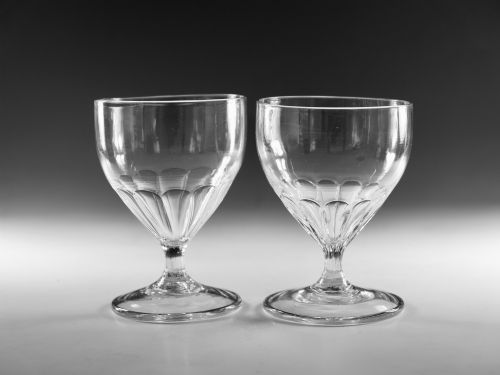
- A large heavy drinking glass popular in the 18th and 19th centuries, often used for ale, wine, or punch. These vessels frequently feature engraved hops and barley motifs.
- Lead crystal
- Glass containing lead oxide, which increases brilliance, weight, and workability for cutting. This material was widely utilised for fine tableware and decanters.
- Verre eglomise
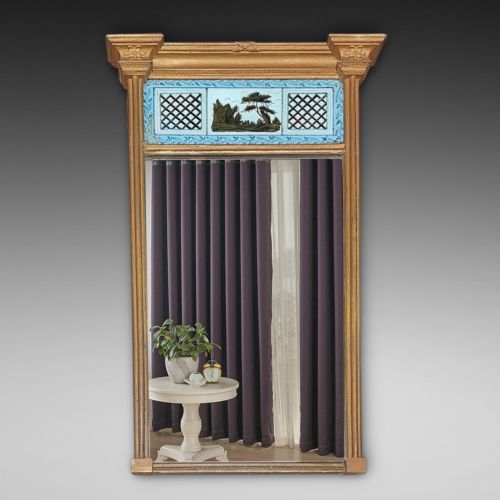
- A decorative technique involving the application of gold or silver leaf to glass combined with engraving and painting. It is commonly found on Regency pier mirrors.
- Tazza
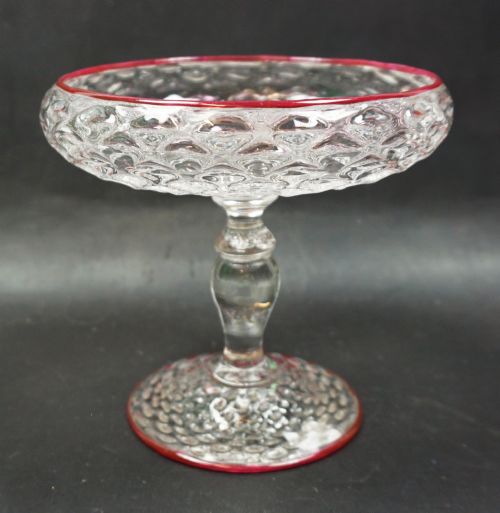
- A shallow bowl or cup elevated on a stem and foot, used for serving fruit or sweets. Examples often feature honeycomb moulding and coloured glass decoration.
- Decalcomania
- A decorative transfer process used on Victorian glass vases and decorative balls. This technique allowed intricate printed designs to adhere to curved glass surfaces.
19th Century English Glass: Frequently Asked Questions
What is 19th century english glass?
This category covers a broad spectrum of domestic glass objects produced in England between 1800 and 1900. It includes drinking vessels, decorative lamps, vases, and scientific or display items.
Craftsmen utilised various methods including lead crystal blowing, mould pressing, and wheel engraving. These items reflect both Georgian elegance and Victorian exuberance.
How were rummer glasses used?
Rummers served as versatile drinking vessels for hearty ales, wines, and punches in homes and taverns. Their substantial weight and capacity suited communal and daily dining.
Many surviving examples feature detailed engravings of agricultural themes like hops and barley. They remain some of the most recognisable tableware forms from the period.
How do you date 19th century glass?
Dating relies on stylistic shifts, manufacturing marks, and changes in glass composition over the decades. Georgian pieces often show distinct pontil marks and simpler, heavier lead crystal forms.
Later Victorian production introduced vibrant colours like cranberry and amber alongside complex machine moulding. Comparing known regional techniques helps narrow down the decade.
How should glass items be displayed?
Displaying coloured glass and lead crystal near natural light sources enhances their optical depth and colour saturation. Placing them on stable surfaces away from high traffic prevents accidental impacts.
When grouping items, varying heights between tall table lamps, decanters, and smaller vessels creates a balanced arrangement. Environmental stability protects both the glass and any metallic mounts.