

19th Century English China
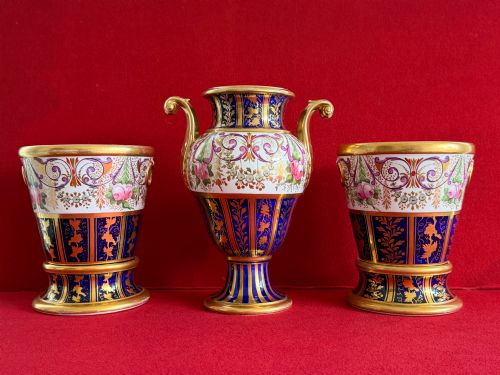
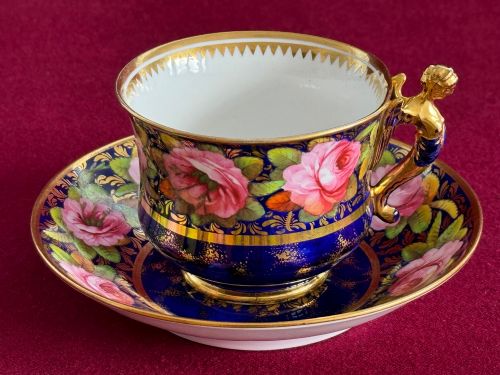
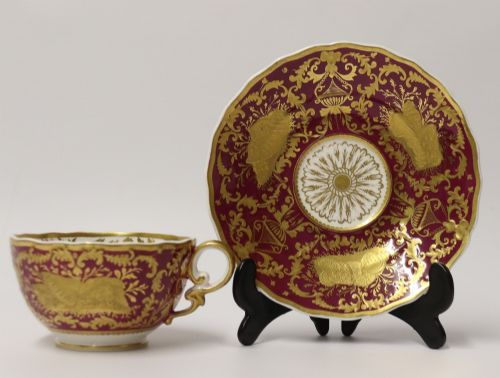
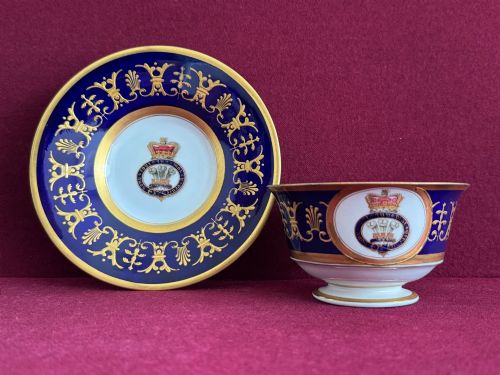
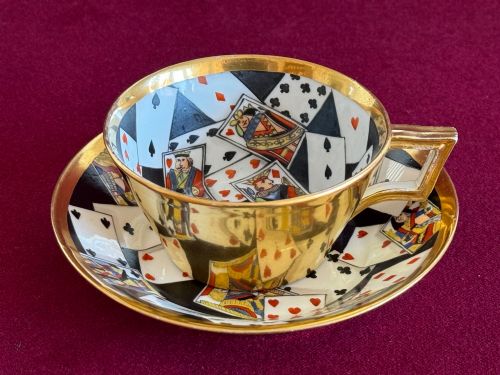
These pieces of 19th century english china represent a vibrant tradition of ceramic artistry ranging from delicate tea trios to substantial dessert services.
19th Century English China
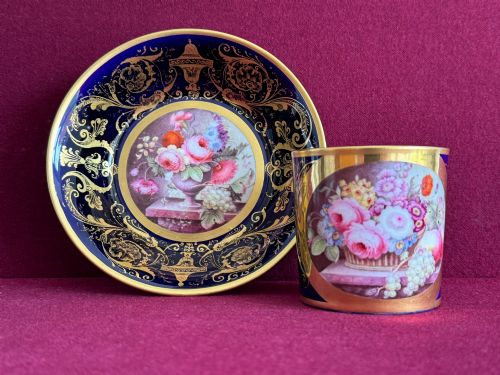
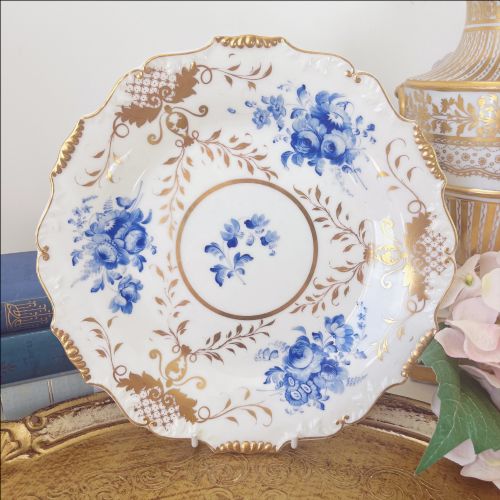
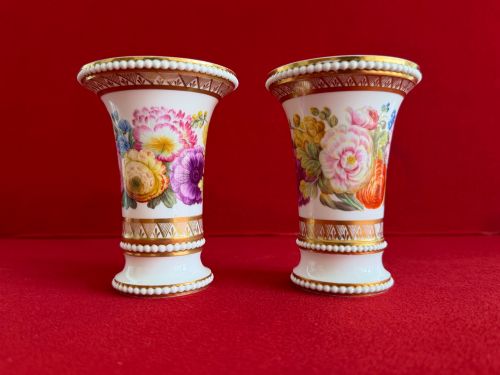
When searching for 19th century english china, collectors encounter a diverse array of utilitarian and decorative objects, including teacups and saucers, dessert plates, tureens, vases, and porcelain figurines. The material evidence spans the Georgian, Regency, and Victorian eras, capturing shifts from neoclassical restraint to exuberant revival styles.
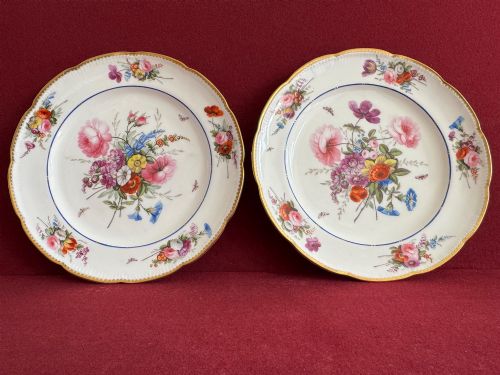
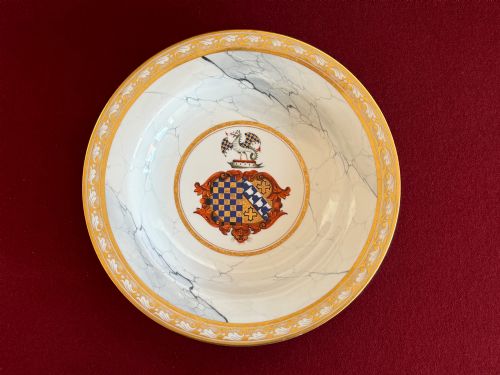
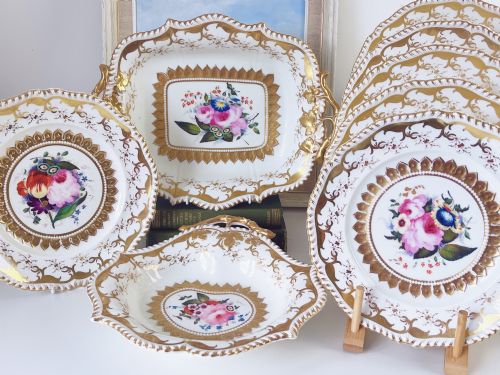
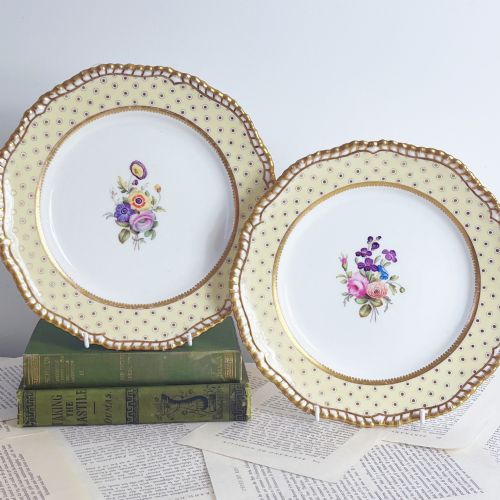
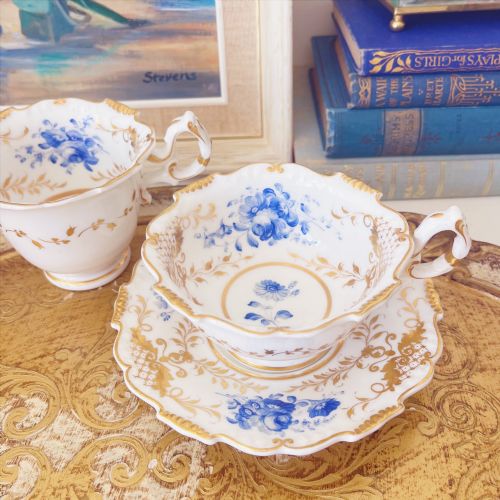
The objects most frequently met on this page are cabinet trios, dessert services, and decorative plates originating from prominent potteries active during the Georgian and Regency periods. Pieces range from utilitarian tableware intended for daily dining to cabinet porcelain created primarily for display.
Materials and Technique
Manufacturers utilised porcelain, bone china, and ironstone as the primary ceramic bodies, shaping them into tableware, vases, and figurines. Bone china introduced greater durability and a whiter ground, while ironstone provided a robust, utilitarian alternative suited to heavy service.
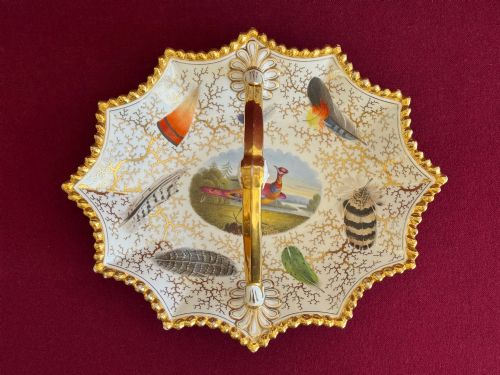
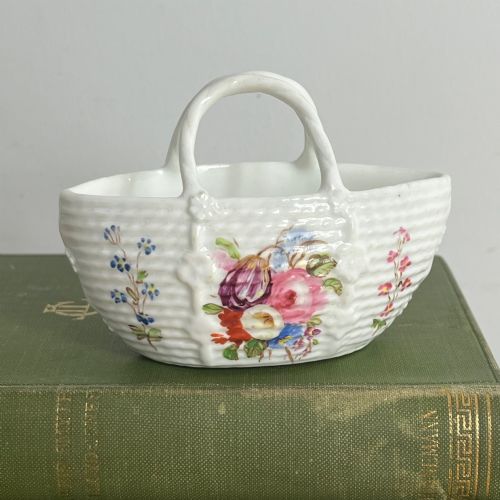
Decoration relied heavily on handpainted floral motifs, botanical studies, and birds, complemented by the application of gold leaf, gilding, and enamel. Potters also employed transfer printing and specialised patterns such as Imari to achieve rich surface detail.
Several pieces preserve named birds and sepia putti, proving that 19th-century breakfast tables enjoyed a touch of theatrical charm.
Distinctions in Quality
Quality rests upon the crispness of the porcelain body and the precision of the handpainted or gilded decoration. Pieces featuring detailed botanical painting by named artists or heraldic armorials sit at the upper end of the scale.
The refinement of the potting, the translucency of the paste, and the preservation of the enamel and gold leaf distinguish exceptional cabinet items from standard utilitarian wares.
Grainger Lee And Co·Spode·Flight Barr And Barr·H And R Daniel·Royal Crown Derby·Newhall·Coalport·Davenport·Bloor Derby·Ridgway·Wedgwood·Minton·Derby·John Bevington·Copeland·Doe And Rogers·Mintons·Masons·Stevenson And Hancock
The 19th Century English China Glossary
- Bone china
- A type of porcelain incorporating bone ash, producing a strong, milky-white body that allows for thinner potting.
- Cabinet trio
- A matching set comprising a teacup, coffee cup, and saucer, usually produced for display rather than robust daily use.
- Ironstone
- A dense, durable type of earthenware patented to resist chipping and cracking during heavy service.
- Imari
- A decorative style inspired by Japanese export wares, typically featuring a palette of iron red, cobalt blue, and gilt.
- Comport
- A raised dish or bowl used for serving fruit or sweets as part of a formal dessert service.
19th Century English China: Frequently Asked Questions
What is a dessert service?
A dessert service is a matched set of ceramics designed for serving the final course of a formal meal, typically comprising a central comport accompanied by multiple plates.
These sets often feature handpainted botanical studies, fruit, or armorial crests, and were displayed on the dining table or sideboard.
How do I identify a coffee can?
A coffee can is a small, straight-sided cylindrical cup produced without a footring during the Georgian and Regency periods.
Unlike teacups, which are wider and shallower, coffee cans were specifically shaped to hold strong black coffee served after dining.
Can I use antique porcelain daily?
Most 19th-century ceramic tablewares can handle careful use, but pieces featuring delicate handles, extensive gilding or enamel work require hand washing.
Cabinet trios and decorative cabinet plates are best reserved for display to protect their fine glazes and handpainted surfaces from wear.
What distinguishes ironstone from bone china?
Ironstone is a heavy, opaque earthenware body developed for durable service ware, whereas bone china is a translucent porcelain containing bone ash.
While ironstone resists chipping during robust kitchen use, bone china offers a thinner, more refined wall suitable for elegant drawing-room tea sets.