

19th Century Drawer Cabinet
When you search for a 19th century drawer cabinet, you encounter versatile storage forms built for domestic and commercial use across Britain and Europe.
19th Century Drawer Cabinet
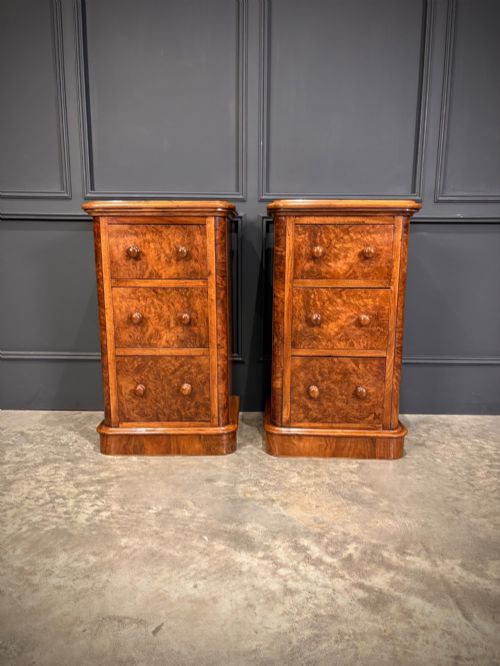
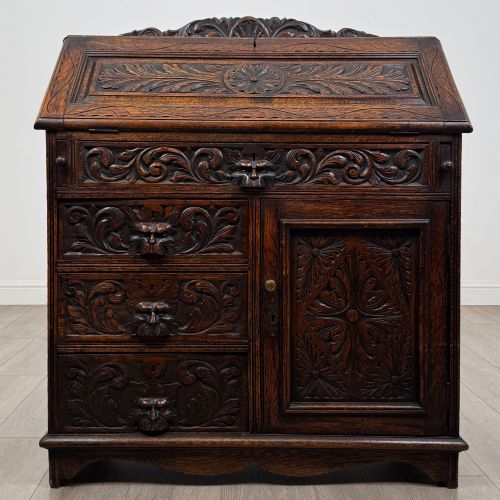
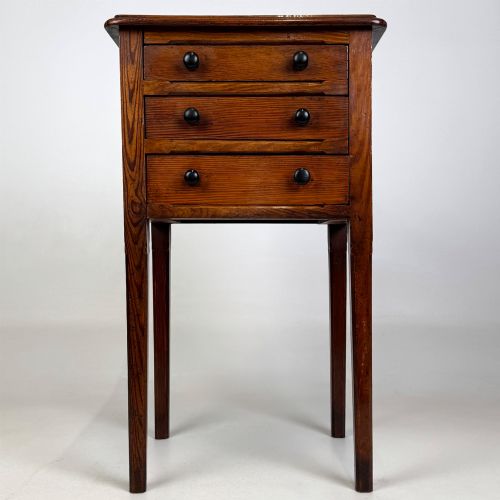
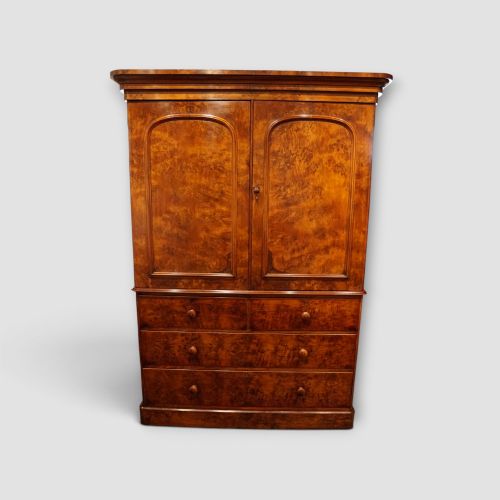
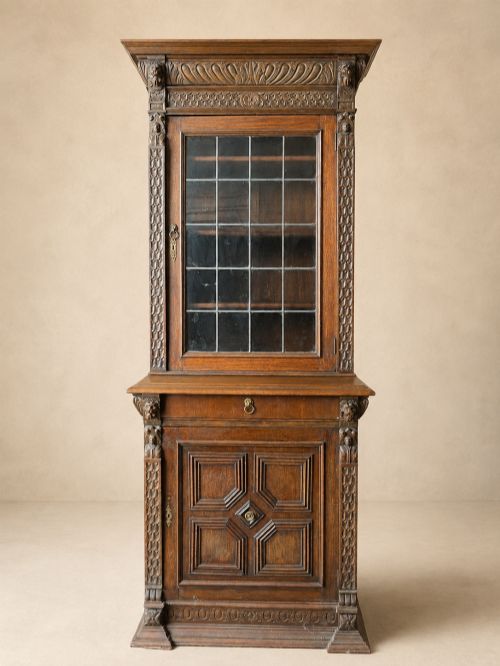
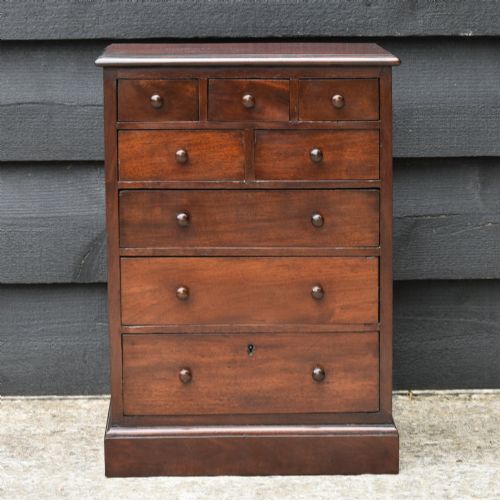
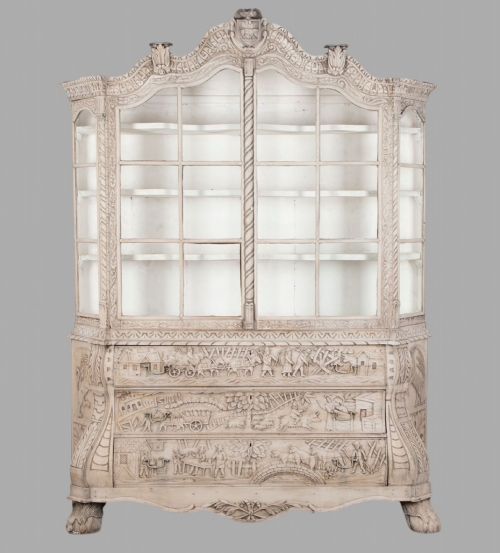
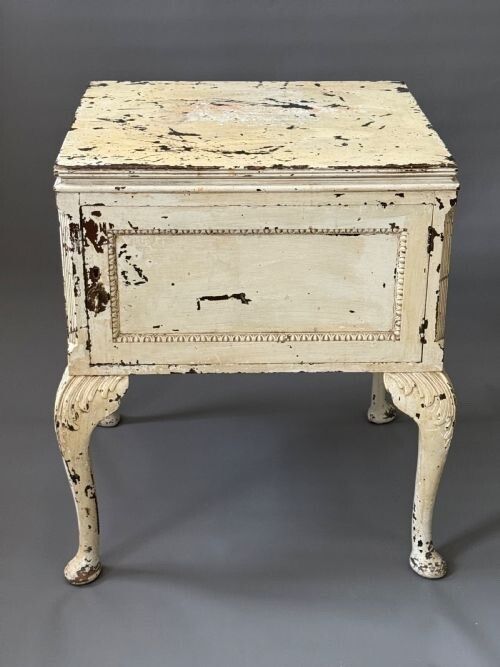
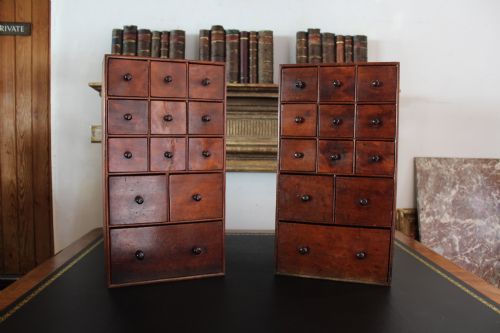
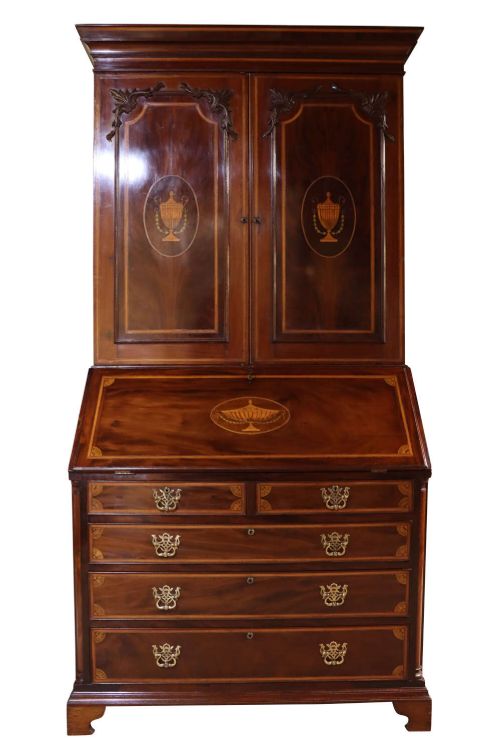
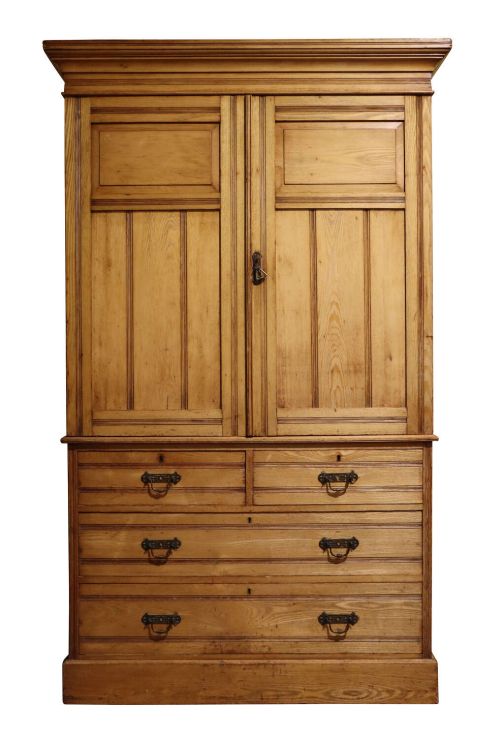
A 19th century drawer cabinet encompasses a diverse group of storage furniture, ranging from compact bedside chests and nightstands to extensive banks of drawers and apothecary units. The pieces on this page originate from English, Scottish, French, Dutch, and Swedish workshops, spanning the Georgian, Regency, and Victorian eras.
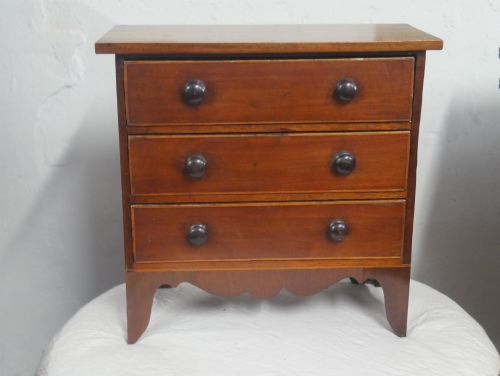
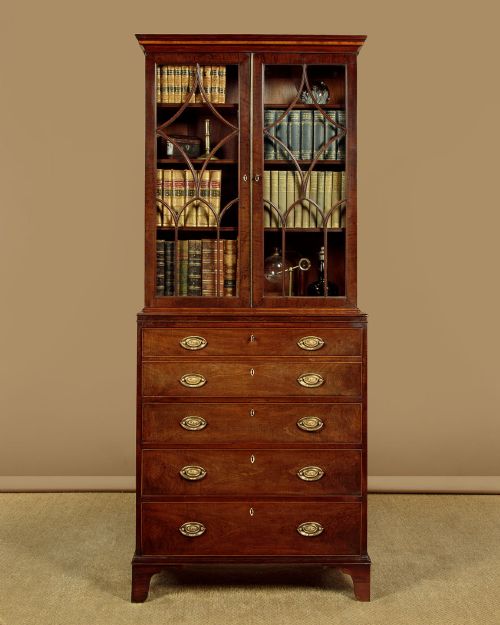
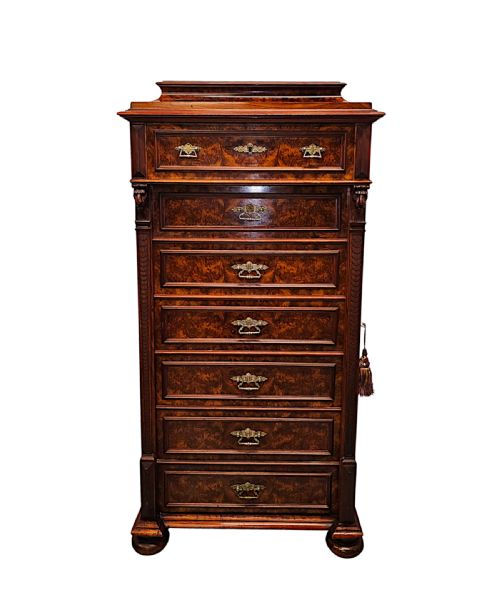
Domestic iterations include linen presses, secretaire bookcases, and miniature apprentice pieces, while commercial variations provide numerous small drawers for chemists and collectors. Buyers frequently encounter bedside variants in mahogany and burr walnut, alongside tall Wellington chests and multi-drawer filing banks.
Materials and Construction
Cabinet makers utilised dense hardwoods such as mahogany, walnut, rosewood, and oak for structural integrity and refined grain patterns, occasionally employing pine and pitch pine for secondary timbers. Burr walnut and satin birch veneers add decorative surface movement, complemented by contrasting marquetry and inlaid banding.
Joinery techniques involve dovetailed drawer construction and panelled carcases, integrated with brass handles, lockable mechanisms, and occasionally grey or white marble tops on continental commodes and bedside cabinets.
Listings feature multiple examples of multi-drawer chemist cabinets alongside traditional Georgian and Victorian mahogany chests of drawers.
Distinctions in Standard
Standard variations depend on the precision of the timber selection, such as matched burr walnut veneers or evenly figured mahogany, and the crispness of hand-carved details like blind fretwork cornices. The integrity of the internal drawer construction, including tight dovetailing and original brass hardware, separates utilitarian pieces from workshop masterworks.
Proportion and decorative restraint dictate the distinction between standard regional output and sophisticated metropolitan cabinet-making, where secondary elements like secret drawers and panelled interiors receive equal attention.
Maple & Co.·James Shoolbred & Co·Stephen Mitchell and Sons·Gillows
The 19th Century Drawer Cabinet Glossary
- Wellington Chest
- A tall, slender chest of drawers featuring a hinged locking stile on one vertical edge that secures all the drawers simultaneously.
- Secretaire
- A cabinet or chest incorporating a pull-down writing flap that conceals a fitted interior of small drawers and pigeonholes.
- Linen Press
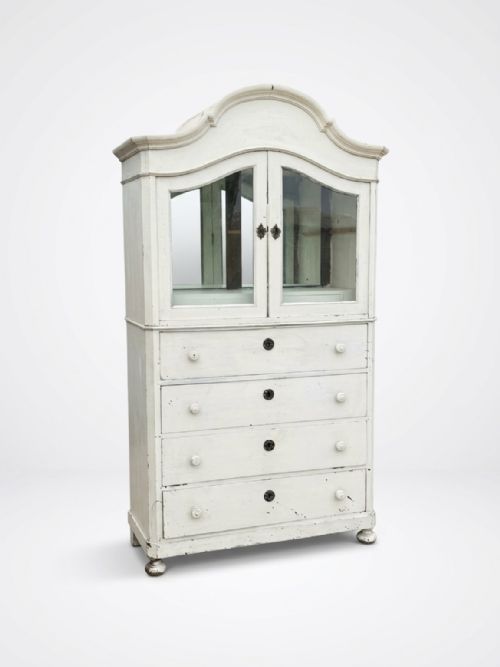
- A tall piece of furniture featuring upper cupboard doors enclosing sliding trays, positioned above a base section fitted with external drawers.
- Apprentice Piece
- A smaller-scale item demonstrated to master craftsmen by an apprentice to prove skill before entering the trade.
- Commode
- A low French cabinet or chest of drawers designed for domestic storage, frequently finished with a marble top.
19th Century Drawer Cabinet: Frequently Asked Questions
How do I identify a Victorian piece?
Victorian examples display denser timbers like pitch pine and burr walnut, often accompanied by heavier proportions and machine-assisted detailing that emerged after mid-century.
Makers from this era frequently utilised brass handles and dark mahogany finishes, aligning with domestic revival styles and changing interior fashions.
What is an apprentice piece?
An apprentice piece is a miniature version of a larger furniture item, such as a chest of drawers or a bureau bookcase.
Young woodworkers constructed these scaled-down models to demonstrate their mastery of complex joinery and decorative techniques to guild examiners.
Where were apothecary chests used?
Apothecary chests served in chemist shops and medical dispensaries to organise powders, herbs, and bottled remedies across numerous shallow drawers.
Their multi-drawer layouts made them practical for sorting small items, which later attracted collectors seeking specialised storage.
How do I care for polished wood?
Maintain polished mahogany and walnut surfaces by keeping them away from direct sunlight and sudden humidity shifts to prevent timber warping.
Apply traditional wax sparingly and buff gently with a soft cloth to preserve the natural lustre of the grain without chemical buildup.