



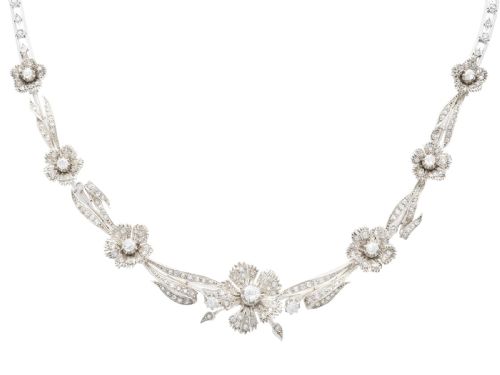

19th Century Diamond Jewellery
These 19th century diamond jewellery pieces bring together silver, gold, and precious stones in Victorian and French styles that collectors treasure.
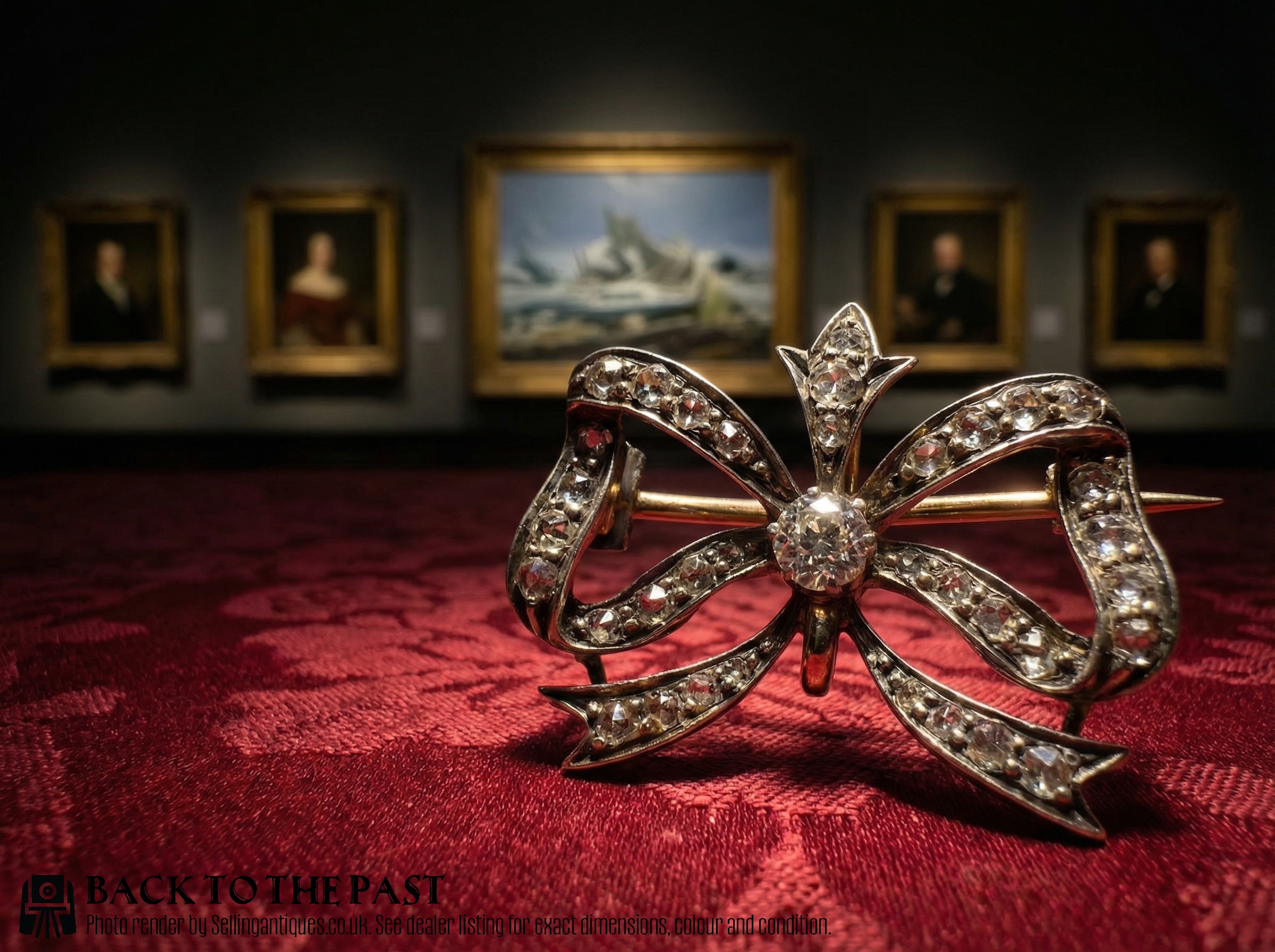
19th Century Diamond Jewellery
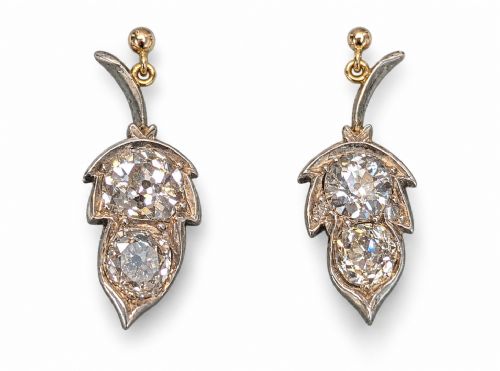
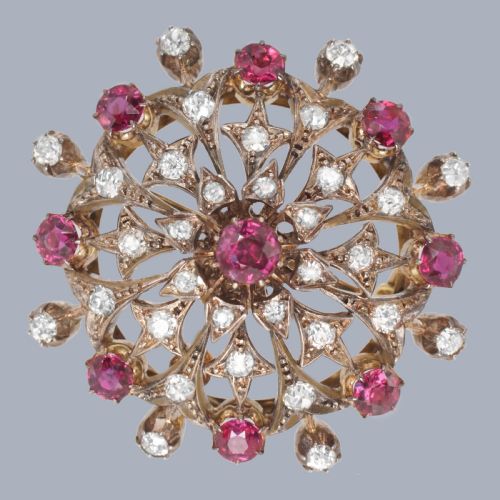
19th century diamond jewellery encompasses rings, necklaces, brooches, pendants, and earrings created during the Victorian and French Second Empire periods. These items reflect the craftsmanship and design aesthetics of the 1800s, often combining diamonds with coloured gemstones such as rubies, emeralds, sapphires, and turquoise.
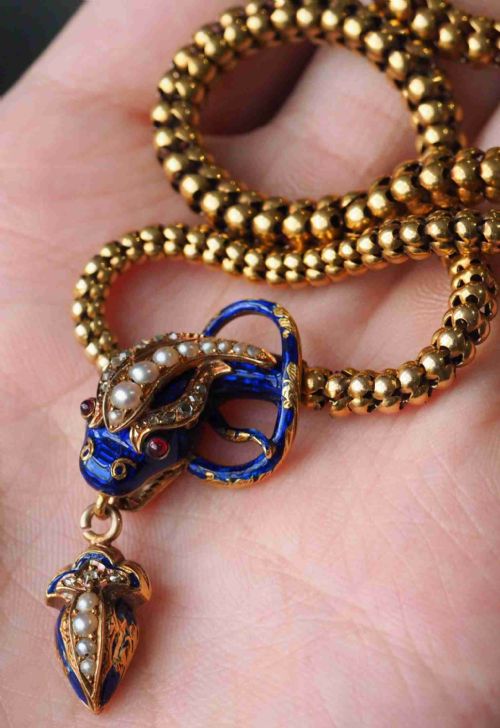
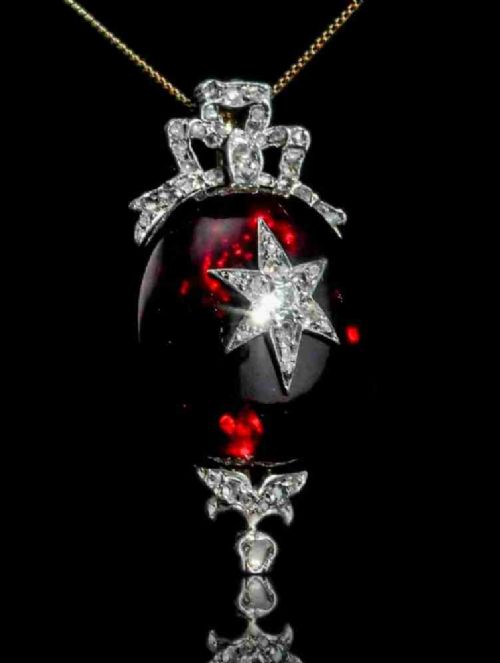
Buyers browsing this selection encounter versatile convertible pieces such as pendant brooches alongside cluster rings and detailed necklaces. Many pieces showcase specific motifs including snakes, floral sprays, stars, and Egyptian Revival designs that define the era.
How they were made
Craftsmen during this period frequently utilised a combination of silver and gold, setting diamonds in silver over gold mounts to enhance the brilliance of old-cut stones against a dark patina. Higher carat yellow gold, including 18ct and 18K varieties, formed the structural integrity of rings, bangles, and chains.
Techniques involved handcrafting intricate metalwork, incorporating enamel, and securing gemstones in close-backed settings typical of the century. Pieces often featured old European cut or old rose cut diamonds alongside pearls, rubies, and emeralds set by hand.
What varies in quality
Quality in these historical pieces rests upon the integrity of the original setting, the weight and cut of the diamonds, and the preservation of delicate details like enamel or fine metal granulation. Superior examples maintain their original convertibility mechanisms and gemstone combinations without modern alterations.
The sophistication of the design, such as elaborate floral spray motifs or detailed animal figures like snakes and turtles, distinguishes masterwork items from simpler production. The presence of natural, untreated coloured gemstones alongside substantial diamond weight elevates the distinction of the piece.
The 19th Century Diamond Jewellery Glossary
- Old cut diamond
- A hand-faceted diamond shape common in the 19th century featuring a smaller table, higher crown, and open culet. These stones catch candlelight differently than modern brilliant cuts.
- Convertible pendant brooch
- An item engineered to be worn interchangeably as a pendant on a chain or pinned as a brooch. This versatility was popular in Victorian jewellery design.
- Silver-topped gold
- A technique where silver is layered over gold to hold stones securely while keeping the metalwork white against the diamonds. Gold remains underneath to prevent tarnish from touching skin or clothing.
- Egyptian Revival
- A design style inspired by archaeological discoveries in Egypt, featuring motifs like scarabs and stylized symbols rendered in gold and gemstones. It represents the 19th century fascination with antiquity.
19th Century Diamond Jewellery: Frequently Asked Questions
How do I care for 19th century jewellery?
Clean these items gently with a soft dry cloth and avoid harsh chemical dips or ultrasonic cleaners that can damage foil backs, pearls, or delicate silver-and-gold settings.
Store pieces individually in padded boxes to prevent metal friction and gemstone scratching, and keep them away from direct moisture and cosmetics.
Can I wear these rings every day?
Daily wear requires caution due to the delicate nature of antique settings and old-cut diamonds. Low-impact wear helps preserve fragile prongs and historic metalwork.
Take off rings during rigorous physical activities, gardening, or swimming to protect the stones and the underlying gold or silver structure.
What is a convertible brooch?
A convertible brooch is a piece designed with a removable pin stem or hidden bail, allowing the wearer to transition it between a necklace pendant and a lapel pin.
This practical innovation gave 19th-century owners multiple ways to style a single valuable accessory for different social occasions.
How can I tell a Victorian piece from later eras?
Victorian items often display characteristic hand-cut stones, closed-back metal settings, and specific motifs like mourning locks, snakes, or star clusters tied to the reign of Queen Victoria.
Examining the metal alloy markings, construction style, and gem-setting techniques helps differentiate these nineteenth-century items from twentieth-century reproductions.