




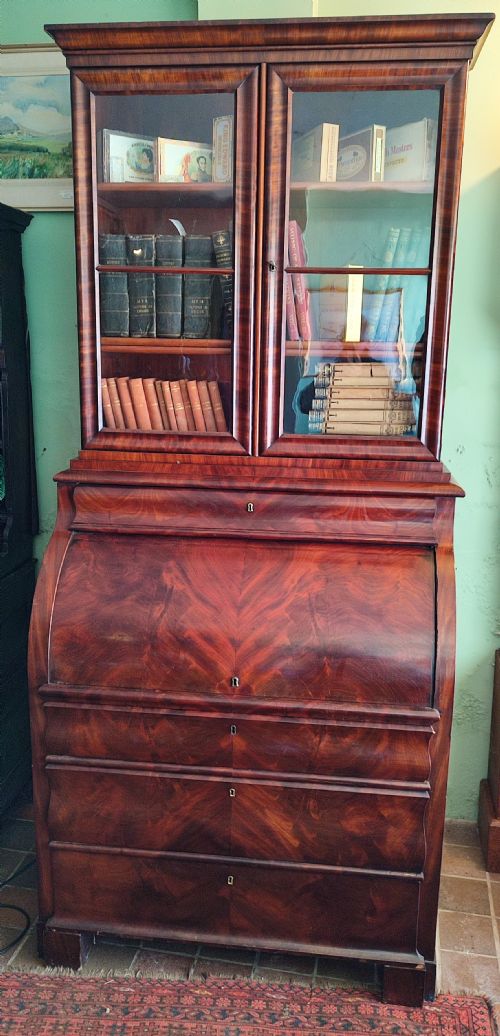
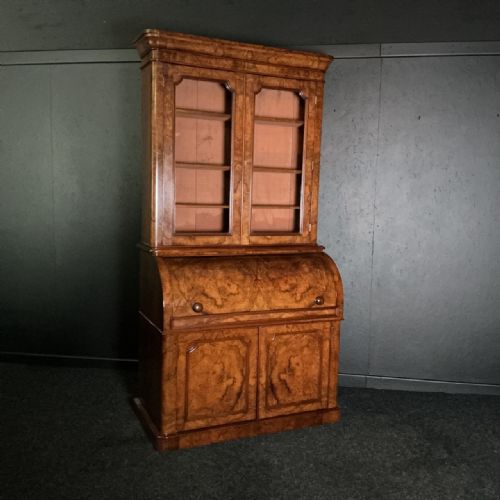
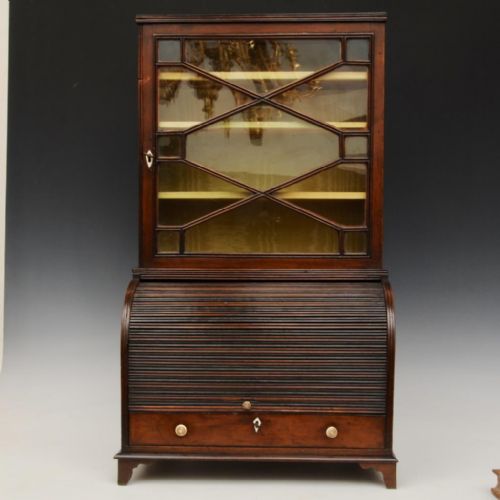


19th Century Cylinder Desk
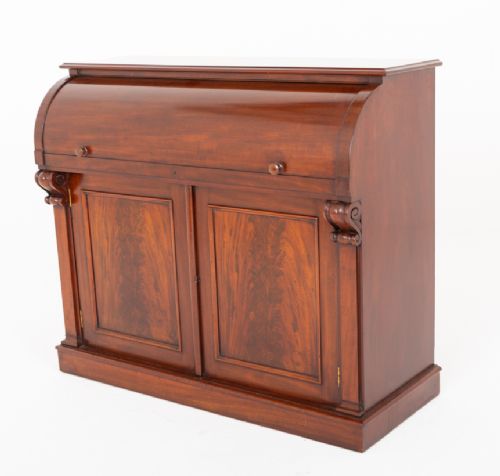
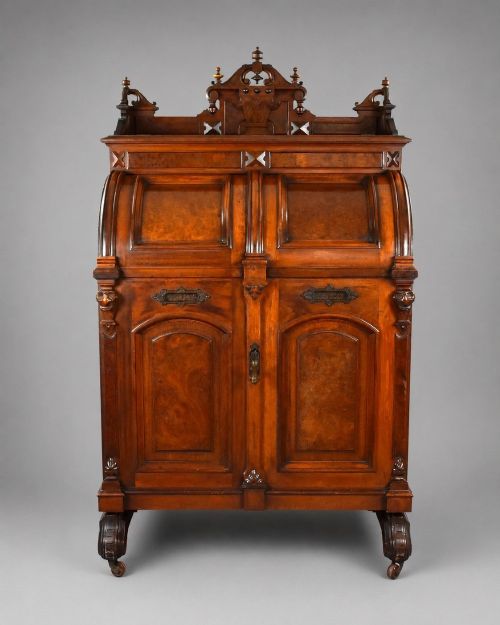
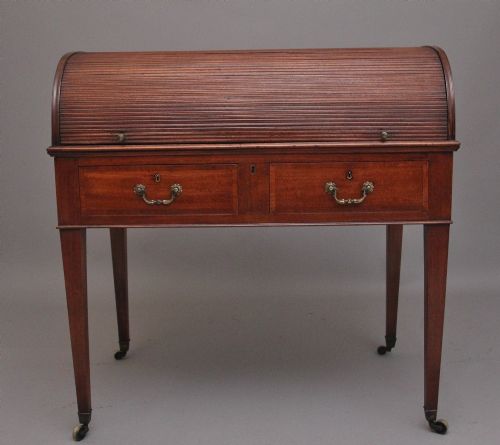
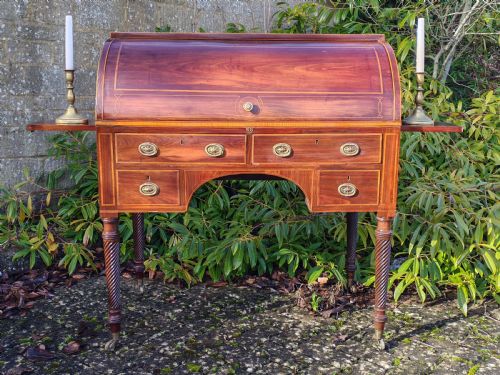
A 19th century cylinder desk offers a curved roll top that conceals a fitted writing interior, combining architectural presence with practical security.
19th Century Cylinder Desk
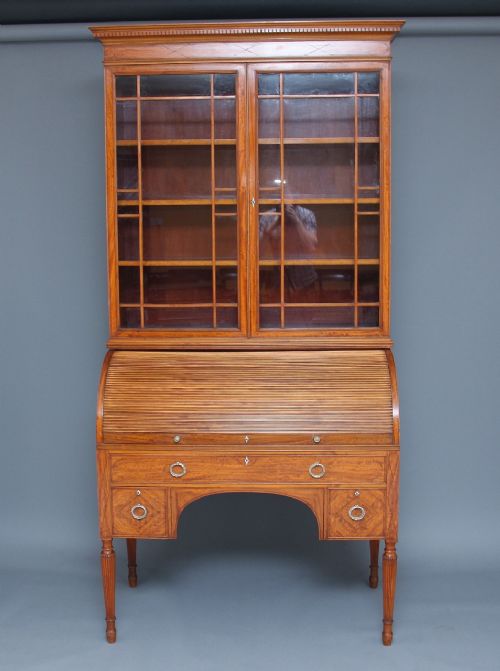
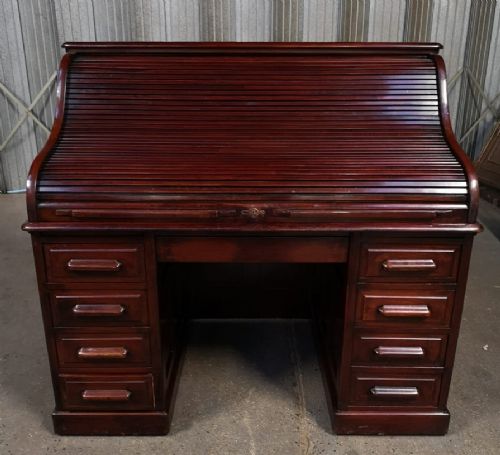
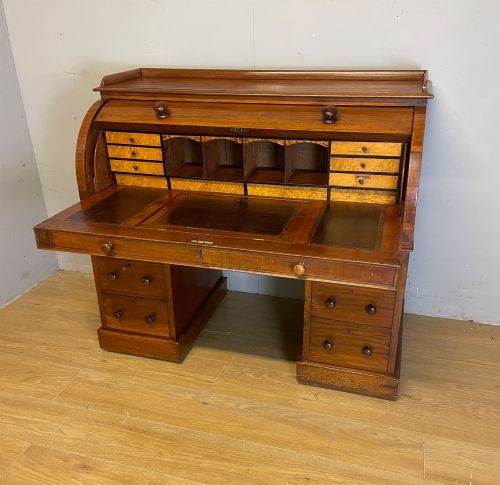
When buyers search for a 19th century cylinder desk, they encounter forms that range from modest pedestal versions to grand bureau bookcases equipped with upper shelving. The selection spans straightforward British utility alongside elaborate continental revivals that bring varied decorative flair to a study.
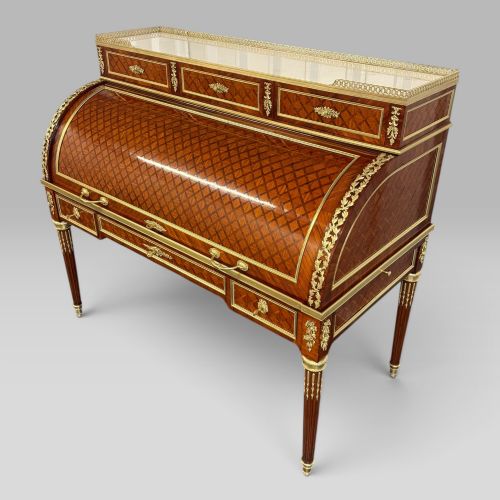
Mahogany predominates amongst the pieces met here, frequently accompanied by burr walnut, kingwood, and satinwood veneers. These desks originate from multiple design vocabularies, showing Regency restraint, Victorian mass, and Louis XVI or French Empire ornamentation.
Distinctions in craftsmanship
The division between standard output and finer work rests in the precision of the cylinder action and the choice of timber figure. Superior examples display carefully matched grain patterns across the rolling shutter and drawer fronts, ensuring visual continuity when the desk is closed.
Internal complexity also sets pieces apart, separating simple pigeonhole layouts from elaborate tiered drawers and concealed compartments. The integration of high-grade ormolu mounts and meticulous parquetry indicates workshops operating at the peak of the trade.
19th Century Cylinder Desk Retail Price Guide 2026
Typical asking prices for 19th century cylinder desk among the pieces listed under this phrase on Sellingantiques today, from the lower quarter to the upper quarter. They describe what is for sale here now, not the wider market.
A solitary bamboo brush pot sits among the heavy mahogany and walnut desks, reminding everyone that writing spaces attract curious travelling companions.
Edwards & Roberts·T G Seddon·Francoise Linke
The 19th Century Cylinder Desk Glossary
- Cylinder desk
- A writing desk featuring a curved, quarter-circle wooden shutter that rolls back to reveal the writing surface and interior fittings. This mechanism encloses the workspace completely when not in use.
- Parquetry
- Geometric wood mosaic work formed by small veneer tiles arranged in patterns. It creates striking decorative surfaces on the drawers and cylinder fronts of continental furniture.
- Ormolu
- Gilt bronze mounts applied as decorative ornaments to furniture. It appears frequently on French revival pieces from the period.
- Bureau bookcase
- A combination furniture form featuring a lower writing desk section beneath an upper glazed or panelled bookcase. These units maximise storage and display capacity in a single footprint.
- Marquetry
- Inlaid woodwork forming pictorial or decorative designs using various tinted veneers. Craftsmen employ this technique to embellish writing slopes and cabinet doors.
19th Century Cylinder Desk: Frequently Asked Questions
What is a cylinder desk?
A cylinder desk is a form of writing furniture distinguished by a curved wooden shutter that rolls backwards to reveal an internal arrangement of small drawers and pigeonholes.
When pulled down, the shutter conceals the entire writing surface and paperwork, keeping the workspace tidy and secure.
How do I operate the cylinder top?
The curved wooden shutter runs in grooved tracks situated at the sides of the desk body. Sliding the shutter upward typically retracts an internal writing slide forward for immediate use.
Operating the mechanism requires gentle guidance to ensure the flexible tambour or solid panel moves evenly along its tracks without binding.
Where were these desks placed?
These pieces served as primary workstations in studies, libraries, and drawing rooms of large townhouses and country estates. Their enclosed design allowed owners to leave correspondence underway without exposing documents to view.
Pedestal versions stood freestanding or against walls, while smaller ladies' writing desks suited private sitting rooms.
How do I distinguish revival styles from original periods?
Revival pieces often combine specific historical ornamentation, such as Louis XVI or French Empire motifs, with construction methods and timber selections characteristic of later Victorian manufacturing.
Original pieces from the Georgian or early 19th century display structural joinery and hardware appropriate to their specific decade of origin.